
Using roller mill for barite for plastic filler in ecuador
Using Roller Mill for Barite for Plastic Filler in Ecuador
Ecuador’s burgeoning plastics industry presents a significant opportunity for local and international manufacturers. A key component in enhancing plastic product quality is the use of high-performance fillers. Barite, a naturally occurring mineral rich in barium sulfate, stands out as an exceptional filler material. When processed to a precise, ultra-fine powder, it improves plastic density, stiffness, sound insulation, and surface finish while reducing material costs. The critical link between raw barite ore and a high-value plastic additive is the grinding mill. This article explores the application of roller mill technology for barite processing in Ecuador, focusing on the operational and economic advantages for plastic filler production.
The Barite Advantage in Plastics
Barite’s high specific gravity and chemical inertness make it ideal for filler applications. In plastics, it provides weight, improves dimensional stability under heat, and enhances resistance to wear and acids. For Ecuadorian producers supplying sectors from automotive components to consumer goods, achieving a consistent, fine barite powder is paramount. The particle size distribution directly impacts dispersion within the polymer matrix, which in turn affects the mechanical properties and aesthetic quality of the final plastic product. Sub-optimal grinding can lead to agglomeration, surface defects, and weakened structural integrity.
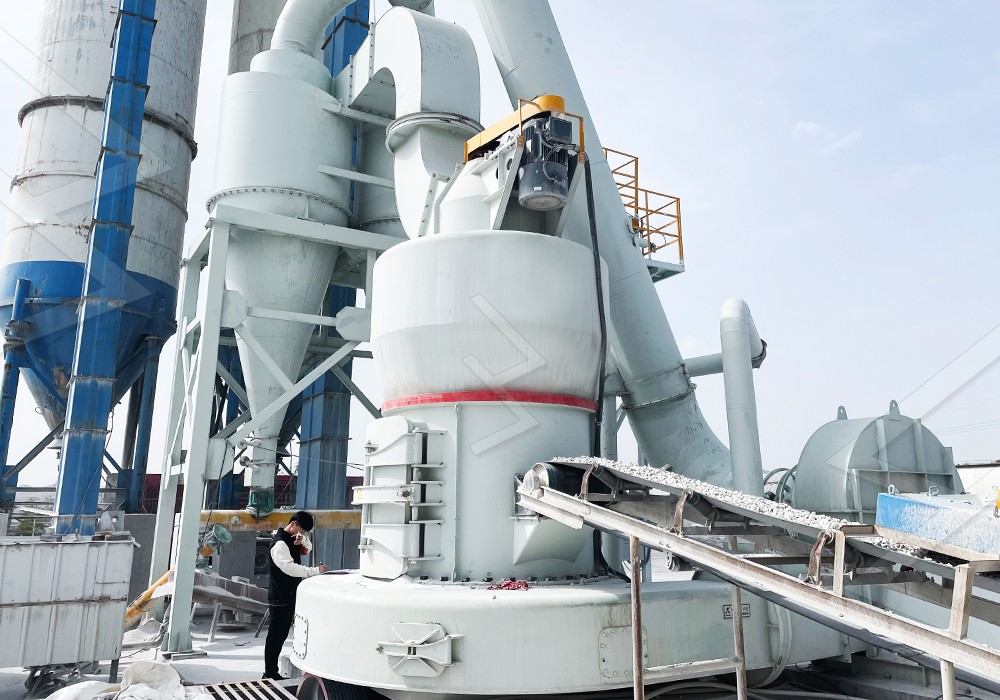
Why Roller Mill Technology is Ideal
Traditional ball mills, while common, often fall short in efficiency and precision for modern filler production. Roller mills, encompassing technologies like European Trapezium Mills and Ultrafine Vertical Grinding Mills, offer a superior solution. Their principle involves grinding material between rollers and a stationary ring or table. This method provides several distinct benefits for barite processing:
- Higher Energy Efficiency: Direct grinding pressure is more efficient than the impact and attrition of tumbling balls, reducing power consumption by 30-50%.
- Precise Particle Size Control: Integrated dynamic classifiers allow for real-time adjustment of fineness, crucial for meeting specific filler specifications (often between 325 to 2500 mesh).
- Lower Iron Contamination: The design minimizes metal-to-metal contact in the grinding zone, preserving the whiteness and purity of the barite—a critical factor for plastics where color and chemical consistency are vital.
- Integrated Drying: Many roller mills can handle materials with some moisture, combining grinding and drying in a single step, simplifying the process flow.
Tailoring the Solution for Ecuadorian Operations
Selecting the right roller mill depends on feed size, required capacity, and target fineness. For large-scale barite processing plants aiming for high-volume filler production, the LM Vertical Grinding Mill is a robust choice. It integrates crushing, drying, grinding, and classifying, with a capacity range suitable for major operations. Its compact footprint is advantageous where space is at a premium, and its low energy consumption directly lowers operational costs.
For producers focusing on ultra-fine, high-value barite powders where exceptional whiteness and top-cut particle size control are non-negotiable, we highly recommend our advanced MW Ultrafine Grinding Mill. This machine is engineered specifically for customers needing to make ultra-fine powder. With an input size of 0-20 mm and a capacity range of 0.5-25 tph, it is perfectly scaled for dedicated filler production lines. Its cage-type powder selector, based on German technology, allows precise fineness adjustment between 325-2500 meshes, ensuring the d97≤5μm quality often required by premium plastic compounders. Furthermore, its innovative design with no rolling bearings or screws in the grinding chamber eliminates major failure points, while the efficient pulse dust collector ensures the entire production process meets stringent environmental standards—a growing concern for Ecuadorian industries.
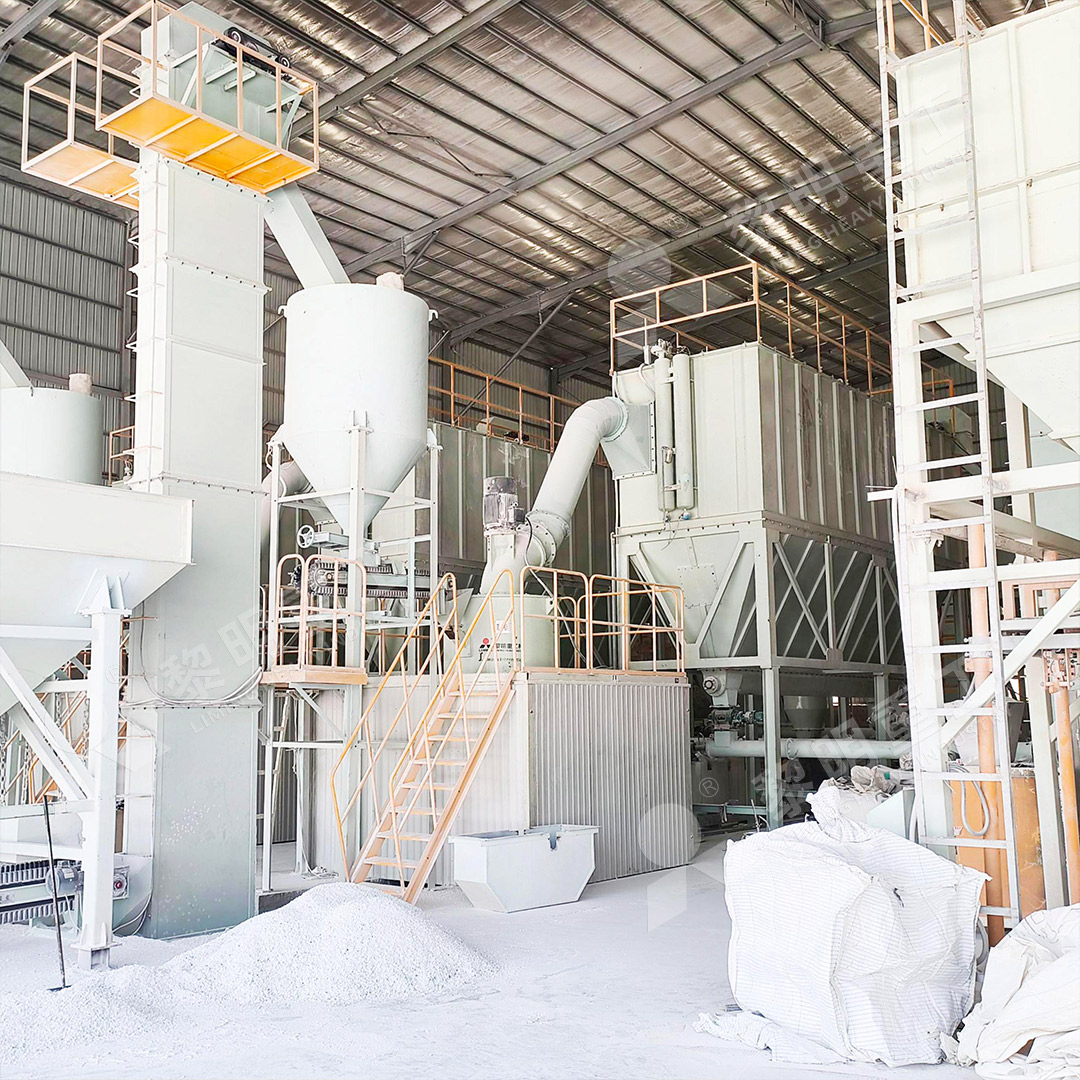
Economic and Environmental Impact
Investing in modern roller mill technology translates to long-term competitiveness for Ecuadorian barite processors. The higher yield and lower energy consumption reduce the cost per ton of finished powder. The stability and automation of these mills lead to consistent product quality, building trust with domestic and international plastic manufacturers. Environmentally, the closed-system designs with efficient pulse dust collectors, like those on the MW Mill, contain particulate matter effectively, minimizing the plant’s environmental footprint and ensuring compliance with regulations.
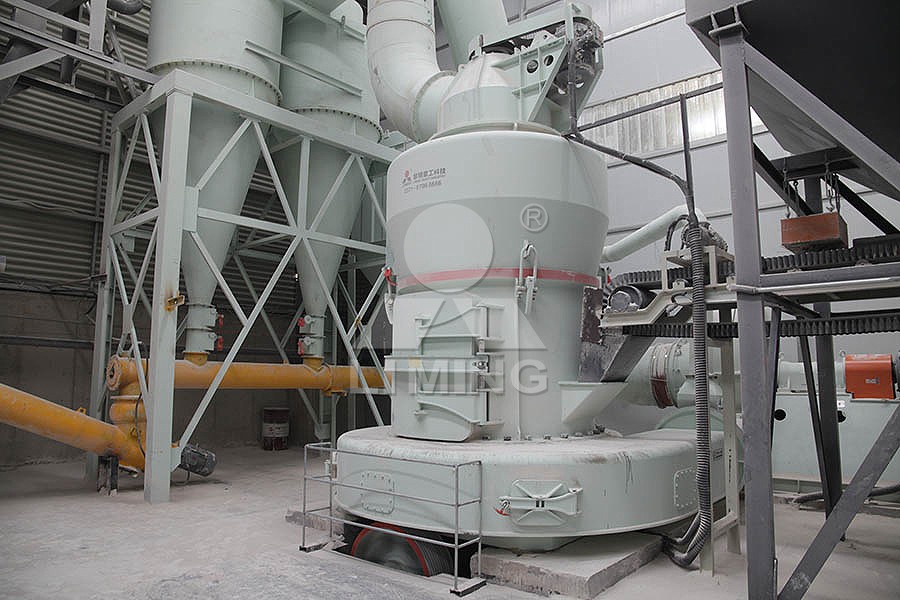
Conclusion
The strategic processing of barite using advanced roller mill technology is a game-changer for Ecuador’s role in the plastics supply chain. By moving beyond basic crushing to precision grinding, local enterprises can transform a domestic mineral resource into a high-value industrial additive. Equipment such as the MW Ultrafine Grinding Mill provides the technological edge needed to produce filler powders that compete on a global scale in terms of quality, consistency, and cost-effectiveness. For any barite processor in Ecuador looking to capitalize on the plastic filler market, partnering with a technology provider offering reliable, efficient, and precise grinding solutions is the most critical step toward sustainable growth.
Frequently Asked Questions (FAQs)
1. What is the typical fineness range required for barite used in plastic fillers?
Most applications require a fineness between 325 mesh (45 microns) and 2500 mesh (5 microns). The exact specification depends on the plastic product; for instance, thin films or high-gloss surfaces demand the finest, most tightly graded powders.
2. Can roller mills handle the moisture sometimes present in Ecuadorian barite ore?
Yes, many modern vertical roller mills (like the LM or LUM series) integrate a drying function. Hot air is introduced into the grinding chamber, allowing simultaneous drying and grinding, which streamlines the process and saves energy compared to separate drying stages.
3. How significant is the energy saving compared to a traditional ball mill?
Savings are substantial. Roller mills can reduce energy consumption for grinding by 30% to 50% for the same output and fineness. This directly lowers electricity costs, a major operational expense.
4. Is iron contamination a concern for barite filler in plastics?
Absolutely. Iron impurities can cause discoloration (yellowing) and catalyze degradation in some polymers. Roller mills are designed to minimize metal wear and often feature non-contact grinding elements or effective removal systems for metallic debris, ensuring high product purity.
5. What is the maintenance requirement for a roller mill like the MW Ultrafine Grinding Mill?
Maintenance is simplified. Key features like the external lubrication system and the absence of rolling bearings/screws in the grinding chamber of the MW Mill reduce routine maintenance and prevent unscheduled downtime. Wear parts like grinding rollers and rings are designed for easy access and replacement.
6. What capacity range should a medium-sized barite processing plant in Ecuador consider?
For dedicated filler production, capacities between 5 to 25 tons per hour are common. Our MW Ultrafine Grinding Mill (0.5-25 tph) and LM Vertical Mill (3-340 tph) offer models that efficiently cover this range, allowing for scalable investment.
7. How does the mill ensure consistent particle size distribution?
This is achieved through an integrated high-efficiency classifier (or powder separator). This device, such as the cage-type selector in the MW Mill, continuously separates fine particles from coarse ones, sending the coarse material back for regrinding. The rotating speed can be adjusted to precisely control the cut point, guaranteeing a consistent final product.