
Using raymond mill for quicklime for soil stabilization in libya
Using Raymond Mill for Quicklime Soil Stabilization in Libya: A Technical and Practical Guide
Soil stabilization is a critical engineering process in regions with challenging ground conditions, and Libya’s diverse terrain—from coastal plains to desert expanses—presents unique geotechnical challenges. For infrastructure projects, road construction, and foundation work, the use of quicklime (calcium oxide, CaO) has proven to be a highly effective and economical stabilization agent. It improves soil load-bearing capacity, reduces plasticity, and enhances durability. The efficacy of this process, however, hinges on one crucial factor: the fineness and quality of the quicklime powder. This is where the selection of the right milling equipment becomes paramount.
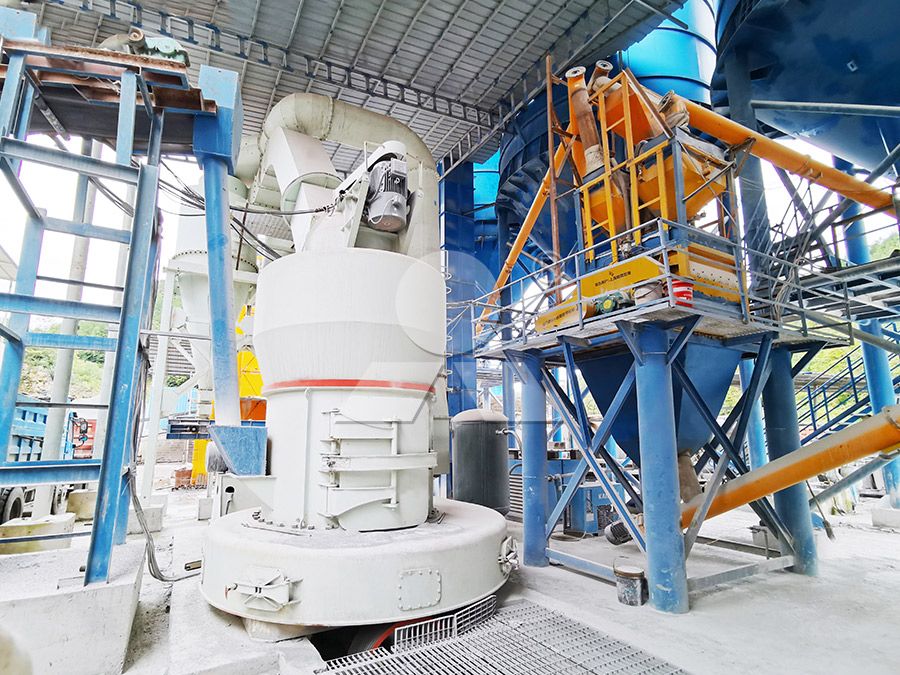
While various grinding mills are available, the Raymond Mill has established itself as a reliable and efficient workhorse for producing quicklime powder suitable for soil stabilization. Its design, which has evolved over decades, offers a balanced combination of output, particle size control, and operational simplicity, making it particularly well-suited for the demands of construction projects in Libya.
The Role of Quicklime Fineness in Soil Stabilization
The chemical reaction between quicklime and soil moisture (slaking) is a surface-area-dependent process. Finer quicklime powder provides a greater surface area, leading to faster and more complete reactions. This results in:
- Rapid Moisture Reduction: Fine quicklime quickly absorbs water, drying wet soils and allowing work to proceed sooner.
- Enhanced Pozzolanic Reaction: The long-term strength gain comes from reactions between lime, soil silica, and alumina. Finer particles facilitate a more thorough and stable cementitious bond.
- Uniform Soil Modification: A consistently fine powder ensures even distribution throughout the soil matrix, preventing weak spots.
For most soil stabilization applications in Libya, a quicklime powder fineness between 150 and 325 mesh is typically targeted. This range ensures reactivity without being so fine that it causes excessive dust or handling issues.
Why Raymond Mill is a Strategic Choice for Libyan Projects
The traditional Raymond Mill, with an input size of <25 mm and a capacity range of 0.6-5 tph, aligns well with the scale of many Libyan soil stabilization projects. Its advantages in this context are clear:
- Proven Simplicity & Robustness: With fewer complex systems than some ultra-fine mills, it is easier to operate and maintain, a significant advantage in remote or resource-constrained sites.
- Optimal Fineness Range: It is specifically engineered to efficiently produce powder in the 80-325 mesh range, hitting the sweet spot for quicklime soil stabilization.
- Lower Initial Investment: For contractors and project managers, the cost-effectiveness of the Raymond Mill makes it an accessible technology that delivers a strong return on investment.
- Integrated Drying: The grinding process utilizes hot air flow, which can help reduce moisture in the raw quicklime feed, contributing to a more stable final product.
Beyond the Standard: When Project Demands Higher Performance
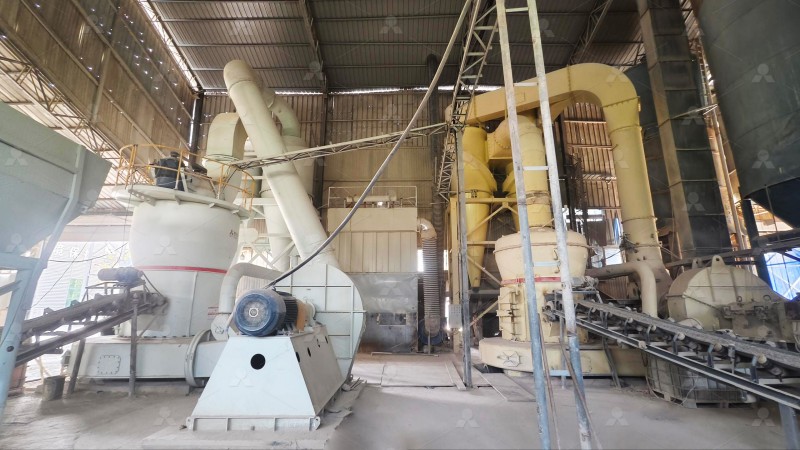
For larger-scale national infrastructure projects or operations requiring even greater efficiency and lower environmental impact, advancing beyond first-generation technology is wise. While the classic Raymond Mill is dependable, modern grinding solutions offer transformative benefits. For instance, our MTW European Trapezium Grinding Mill represents a significant leap forward.
Building on the Raymond Mill principle, the MTW series incorporates advanced features like a bevel gear integral transmission for smoother operation, an inner automatic thin-oil lubricating system that reduces maintenance frequency, and an arc air channel that lowers energy consumption. Its compact structure saves valuable site space, and its professional dust remover ensures the operation meets stringent environmental standards—a growing consideration everywhere. With a similar input size (0-50 mm) but potentially higher capacity (3-55 tph), it is a powerful upgrade for high-output quicklime production facilities supplying multiple stabilization sites across Libya.
Critical Considerations for Mill Deployment in Libya
Successfully implementing a grinding solution for quicklime in Libya requires attention to local conditions:
- Dust Control: The arid climate necessitates exceptional dust collection. Mills equipped with efficient pulse jet bag filters are non-negotiable to protect workers and the environment.
- Spare Parts & Service: Reliable local technical support and a ready supply of genuine spare parts are crucial to minimize downtime. Partnering with a manufacturer that guarantees this, like our company with our “Sufficient Supply of Spare Parts, Worry-free Operation” commitment, is essential.
- Power Supply Stability: Grinding mills should have electrical systems tolerant of voltage fluctuations common in some regions.

Conclusion
The choice of grinding technology directly influences the cost, speed, and quality of soil stabilization with quicklime in Libya. The Raymond Mill remains a valid and cost-effective choice for many applications, providing the necessary fineness and reliability. However, for projects demanding higher efficiency, lower operating costs, and superior environmental controls, modern trapezium mills like the MTW series offer a compelling next-generation solution. By carefully matching the mill’s capabilities to the project’s scale and requirements, Libyan engineers and contractors can build more durable, stable, and sustainable infrastructure on a solid foundation of finely processed quicklime.
Frequently Asked Questions (FAQs)
1. What is the typical moisture content of quicklime that a Raymond Mill can handle?
Raymond Mills are best suited for grinding materials with low surface moisture. For quicklime, a moisture content below 5-6% is generally recommended to prevent clogging and ensure efficient grinding. Integrated hot air flow assists in handling marginally damp feed.
2. Can the same mill be used to grind both limestone for quicklime production and the final quicklime product?
It is not advisable. Grinding raw limestone (calcium carbonate) is an abrasive process, while grinding calcined quicklime (calcium oxide) is more friable. Using one mill for both would lead to cross-contamination and require frequent, thorough cleaning. Dedicated equipment for each material is standard practice.
3. How does the particle size of quicklime from a Raymond Mill compare to that needed for soil stabilization?
A properly configured Raymond Mill can easily produce quicklime powder in the 150-325 mesh (approximately 100 to 45 microns) range. This is ideal for soil stabilization, as it provides high reactivity for rapid modification and long-term pozzolanic strength development.
4. What are the main wear parts in a Raymond Mill processing quicklime, and what is their typical service life?
The primary wear parts are the grinding rollers and the grinding ring. Their service life depends on material hardness, abrasiveness, and operating hours. For quicklime, which is moderately abrasive, high-quality alloy rollers and rings can typically last for several thousand hours of operation before requiring replacement or rebuilding.
5. Is operator training required for running a Raymond Mill, and is it complex?
Yes, basic operator training is essential for safety, optimal performance, and longevity of the mill. However, the Raymond Mill is known for its operational simplicity compared to more complex vertical or ultra-fine mills. Training usually focuses on startup/shutdown sequences, monitoring parameters (current, temperature, fineness), and routine maintenance checks.
6. Besides quicklime, what other soil stabilization agents can be processed with this type of mill?
Raymond and MTW series mills are also excellent for grinding other common stabilizers like hydrated lime, cement kiln dust (CKD), and certain pozzolans like fly ash (if dry), making them versatile assets for a civil engineering contracting company.
7. How significant is the power consumption of a grinding mill in the overall cost of producing stabilization quicklime?
Power consumption is a major operational cost factor. This is precisely why modern designs like the MTW European Trapezium Mill emphasize energy-saving features like curved air ducts and efficient drives. Reducing grinding energy by 20-30% can lead to substantial long-term savings, especially with fluctuating energy prices.