
Using raymond mill for limestone for cement production in peru
Using Raymond Mill for Limestone in Cement Production: A Strategic Approach for Peru’s Growing Industry
Peru’s cement industry is experiencing sustained growth, driven by infrastructure development, urbanization, and a robust mining sector. At the heart of this production lies a critical process: the efficient grinding of limestone, the primary raw material for clinker and cement. While modern vertical mills and ultrafine grinders have entered the market, the proven technology of the Raymond Mill remains a relevant and strategic choice for many operations, particularly for specific production scales and fineness requirements.
The Peruvian landscape, with its varied deposit qualities and often remote plant locations, demands reliable, robust, and easy-to-maintain equipment. The Raymond Mill, with its decades of refinement, offers distinct advantages in this context. Its simple mechanical structure translates to easier on-site maintenance and a shorter learning curve for operational teams. For plants targeting a production range of 0.6 to 5 tons per hour of limestone powder with a fineness typically between 80 to 325 mesh, the Raymond Mill presents a cost-effective solution with a smaller initial investment footprint.
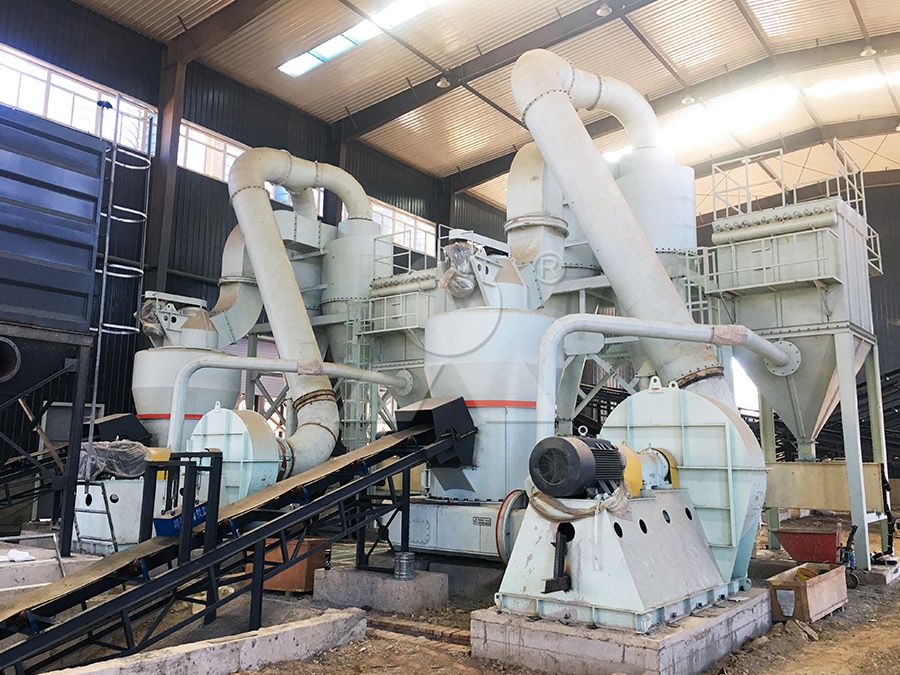
The Role of Raymond Mill in the Grinding Circuit
In a typical cement raw meal preparation circuit, crushed limestone is fed into the grinding system. The Raymond Mill operates on a principle of centrifugal grinding force. The material is shoveled by the plow blades to the grinding zone between the grinding rollers and the grinding ring. The rollers, swinging outward due to centrifugal force, exert pressure on the ring, pulverizing the material. The ground powder is then carried by the air flow from the blower to the classifier. Here, oversized particles are rejected and returned for regrinding, while the qualified fine powder is collected as product.
This closed-circuit system is particularly effective for limestone, a relatively soft and grindable material. The direct mechanical grinding action provides consistent particle size distribution, which is crucial for the subsequent homogenization and calcination processes in the kiln. For many Peruvian plants, especially those serving local or regional markets, this level of performance and reliability aligns perfectly with operational goals.
Beyond Traditional Grinding: When to Consider Advanced Solutions
While the Raymond Mill is a workhorse, the evolving demands for higher capacity, superior energy efficiency, and ultra-fine grinding for specialty applications or blended cements necessitate looking at advanced technologies. This is where our company’s engineered solutions provide a significant leap forward.
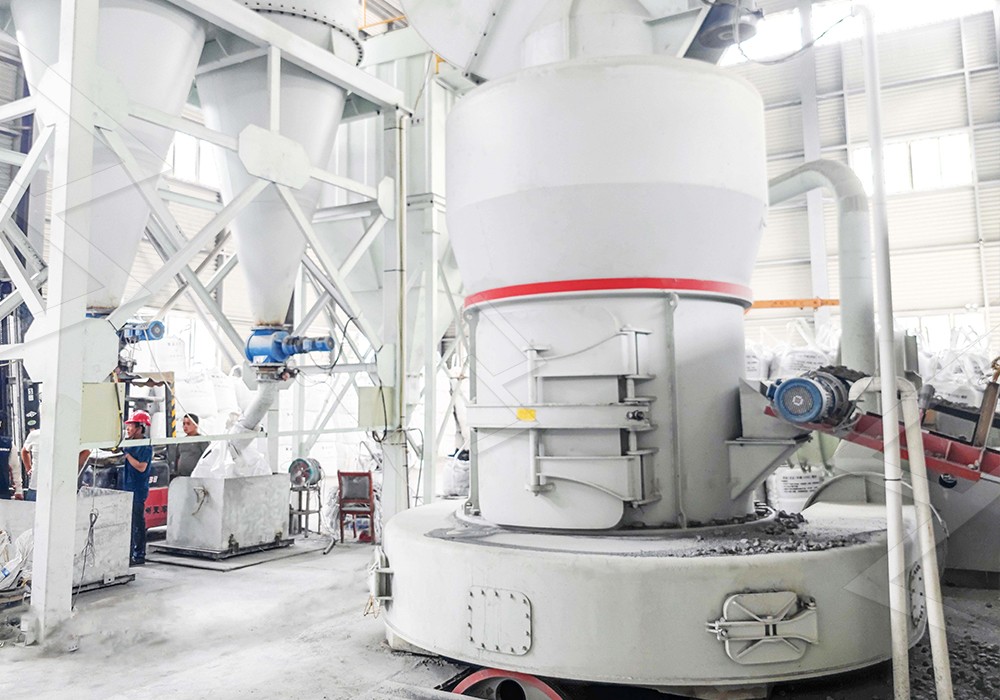
For operations that require higher throughput or are planning capacity expansion, the LM Vertical Grinding Mill represents a transformative upgrade. Integrating crushing, drying, grinding, classifying, and conveying in a single unit, it slashes energy consumption by 30%-40% compared to traditional ball mills and reduces floor space by 50%. Its ability to handle feed sizes up to 70mm and capacities ranging from 3 to 340 tph makes it ideal for large-scale, modern cement production lines in Peru, where operational cost control is paramount.
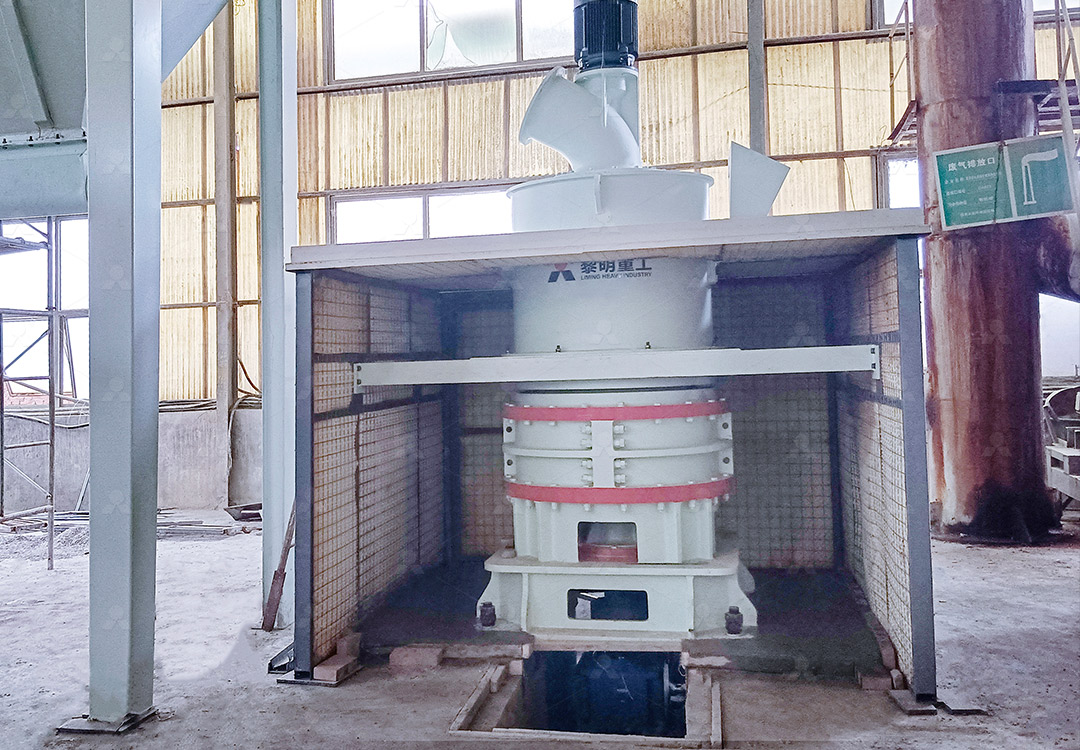
For producers aiming to create high-value additives or achieve exceptional fineness for specialty cement blends, the pursuit of ultra-fine powder becomes critical. Here, our MW Ultrafine Grinding Mill is the definitive solution. Engineered for customers who need to make ultra-fine powder, this mill excels in producing limestone powder with adjustable fineness between 325 to 2500 meshes. Its innovative design eliminates rolling bearings and screws in the grinding chamber, virtually eliminating related failure points and enabling worry-free 24-hour operation—a crucial feature for continuous production cycles.
Why the MW Ultrafine Grinding Mill is a Game-Changer
Incorporating the MW Ultrafine Grinding Mill into a production strategy offers Peruvian cement producers a competitive edge in quality and efficiency. Its newly designed grinding curves enhance efficiency, yielding production capacity 40% higher than jet mills at the same power. The German-technology cage-type powder selector ensures precise separation, achieving a d97≤5μm screening rate in a single pass. Furthermore, its eco-friendly design, featuring an efficient pulse dust collector and muffler, ensures the production process meets stringent environmental standards, which are increasingly important in Peru.
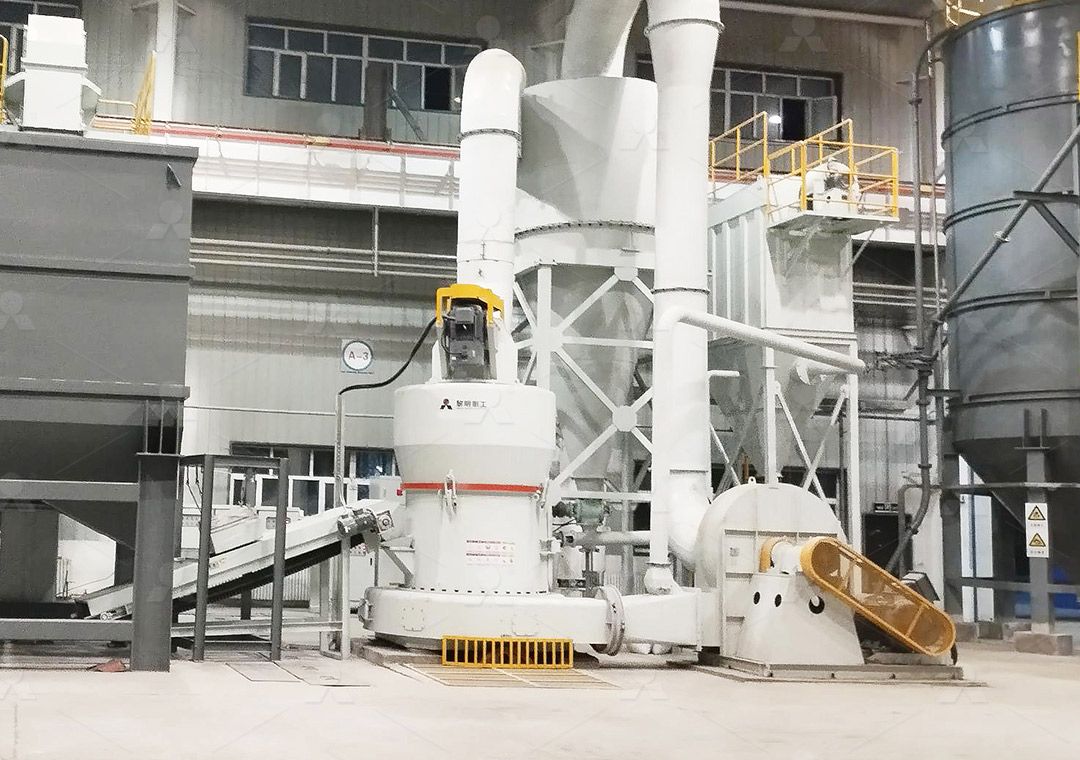
The choice between a reliable Raymond Mill for standard applications and advanced systems like the LM Vertical Mill or MW Ultrafine Mill hinges on specific project parameters: desired capacity, target fineness, total investment budget, and long-term operational cost objectives. For new greenfield projects in Peru aiming for scale and efficiency, the vertical and ultrafine routes are compelling. For upgrades or focused, smaller-scale production, the Raymond Mill continues to offer undeniable value.
Conclusion: Matching Technology to Market Needs
Peru’s cement industry does not require a one-size-fits-all approach. The enduring utility of the Raymond Mill for limestone grinding is a testament to its design simplicity and operational steadfastness. However, to harness greater productivity, energy savings, and product versatility, embracing next-generation grinding technology is the path forward. By offering a complete portfolio from the foundational Raymond Mill to the high-capacity LM Vertical Mill and the precision-focused MW Ultrafine Grinding Mill, we provide tailored solutions that empower Peruvian cement producers to optimize their processes for today’s market and tomorrow’s challenges.
Frequently Asked Questions (FAQs)
- What is the typical energy consumption difference between a Raymond Mill and an LM Vertical Mill for the same limestone output?
The LM Vertical Grinding Mill typically reduces energy consumption by 30% to 40% compared to traditional ball mill systems and offers significant savings over Raymond Mills for medium to high-capacity applications, due to its integrated grinding and drying process and more efficient grinding principle. - Can the MW Ultrafine Grinding Mill handle the abrasive nature of some Peruvian limestone deposits?
Yes. The MW Mill is designed for materials like limestone, calcite, and dolomite. Its grinding chamber has no rolling bearings or screws that are vulnerable to abrasive dust, and the grinding curves/parts can be configured with wear-resistant materials to extend service life in abrasive conditions. - Is the Raymond Mill suitable for producing limestone powder for blended cements requiring higher fineness?
The standard Raymond Mill is optimal for fineness up to around 325 mesh. For blended cements requiring finer powder (e.g., exceeding 400 mesh), an MW Ultrafine Grinding Mill, with its range up to 2500 meshes, would be a more suitable and efficient choice. - How does the footprint of a Raymond Mill system compare to a vertical mill system?
A Raymond Mill system has a relatively compact footprint. However, an LM Vertical Mill system is even more space-efficient, integrating multiple processes (drying, grinding, classifying) into one unit, typically occupying about 50% of the area required by a ball mill system, which is often comparable to or less than a complete Raymond system with auxiliary equipment. - What are the key maintenance advantages of the MW Ultrafine Grinding Mill?
Its most notable maintenance advantage is the absence of rolling bearings and screws inside the grinding chamber, preventing failures related to these components. Additionally, lubrication can be performed externally without shutdown, and the supply of original spare parts ensures long-term, worry-free operation. - Can these mills process limestone with high moisture content commonly found in some regions of Peru?
The standard Raymond Mill has limited drying capacity. The LM Vertical Grinding Mill, however, integrates a strong hot air drying function, allowing it to effectively grind limestone with higher moisture content by using hot gas from a kiln or hot air generator within the same process. - What level of automation can be expected with these grinding mills?
Our advanced mills like the LM Vertical Mill and MW Ultrafine Mill are designed for modern automation. They can be equipped with PLC control systems for precise parameter control (grinding pressure, speed, fineness) and can integrate into plant-wide DCS systems for remote monitoring and operation, enhancing stability and reducing labor costs.