
Using raymond mill for gypsum for plaster production in pakistan
Using Raymond Mill for Gypsum Plaster Production in Pakistan: A Technical and Economic Analysis
Pakistan’s construction sector is a cornerstone of its economy, with a consistent demand for high-quality building materials. Gypsum plaster, a fundamental component for interior finishing, wall rendering, and partition boards, relies heavily on efficient and precise grinding technology. For decades, the Raymond Mill has been a familiar sight in many Pakistani gypsum processing plants, valued for its straightforward operation and reliability in producing plaster-grade powder. This article examines the role of Raymond Mill technology in this context, explores its operational nuances, and discusses modern alternatives that can enhance productivity and product quality for forward-thinking producers.
The Role of Grinding in Gypsum Plaster Manufacturing
Raw gypsum (calcium sulfate dihydrate) extracted from mines must be crushed and ground to a specific fineness to become suitable for plaster production. The grinding process directly influences key plaster properties such as setting time, workability, compressive strength, and water demand. A consistent, fine powder ensures a smooth finish and predictable performance on-site. The traditional Raymond Mill, with its centrifugal grinding action between rollers and a grinding ring, has been a go-to solution for achieving the required fineness, typically ranging from 100 to 200 mesh for standard plaster.
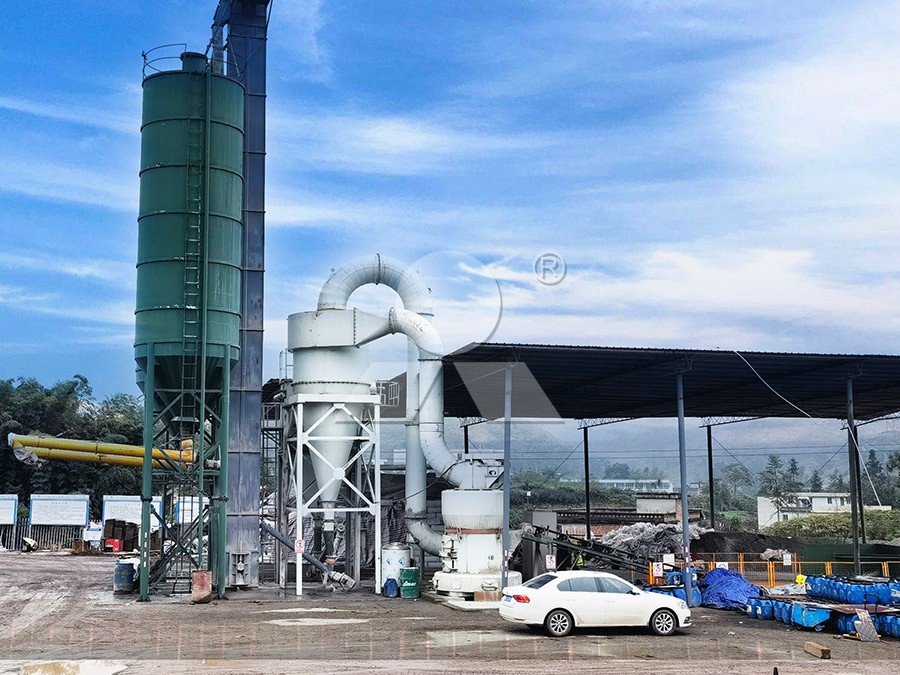
Raymond Mill in the Pakistani Context: Strengths and Considerations
The widespread use of Raymond Mills in Pakistan is attributable to several factors. Their mechanical design is relatively simple, which can translate to easier maintenance for local technicians and good availability of common spare parts. They have a smaller footprint compared to some larger milling systems, making them suitable for medium-scale operations. For producing standard plaster powder at capacities around 0.6 to 5 tons per hour, a well-maintained Raymond Mill can be a cost-effective workhorse.
However, producers aiming for higher efficiency, superior product uniformity, or ultra-fine grades for specialized applications often encounter limitations. The energy consumption per ton of output can be higher than more modern designs. Furthermore, achieving a very narrow particle size distribution or fineness beyond 325 mesh can be challenging, potentially affecting plaster quality. Wear on grinding rollers and rings also necessitates periodic shutdowns for replacement, impacting continuous production schedules.
Advancing Plaster Quality with Modern Grinding Solutions
To address these challenges and gain a competitive edge, Pakistani gypsum processors are increasingly evaluating advanced grinding technologies. The focus is on mills that offer higher energy efficiency, greater control over particle size, and more automated, stable operation to ensure consistent plaster batch quality.
One standout solution for producers seeking to upgrade their plaster line is the MW Ultrafine Grinding Mill. This mill represents a significant technological leap. It is specifically engineered for customers requiring precise, ultra-fine powder. For gypsum plaster, this means the ability to not only produce standard grades with exceptional consistency but also to venture into high-value, fine-finished plasters. With an adjustable fineness range from 325 to 2500 meshes, it offers unparalleled flexibility. Its design eliminates rolling bearings and screws inside the grinding chamber, a common failure point, thereby enhancing reliability and allowing for external lubrication without shutdown—crucial for 24/7 production. Equipped with an efficient pulse dust collector, it ensures an environmentally friendly operation that meets stringent standards, a growing concern for modern plants.
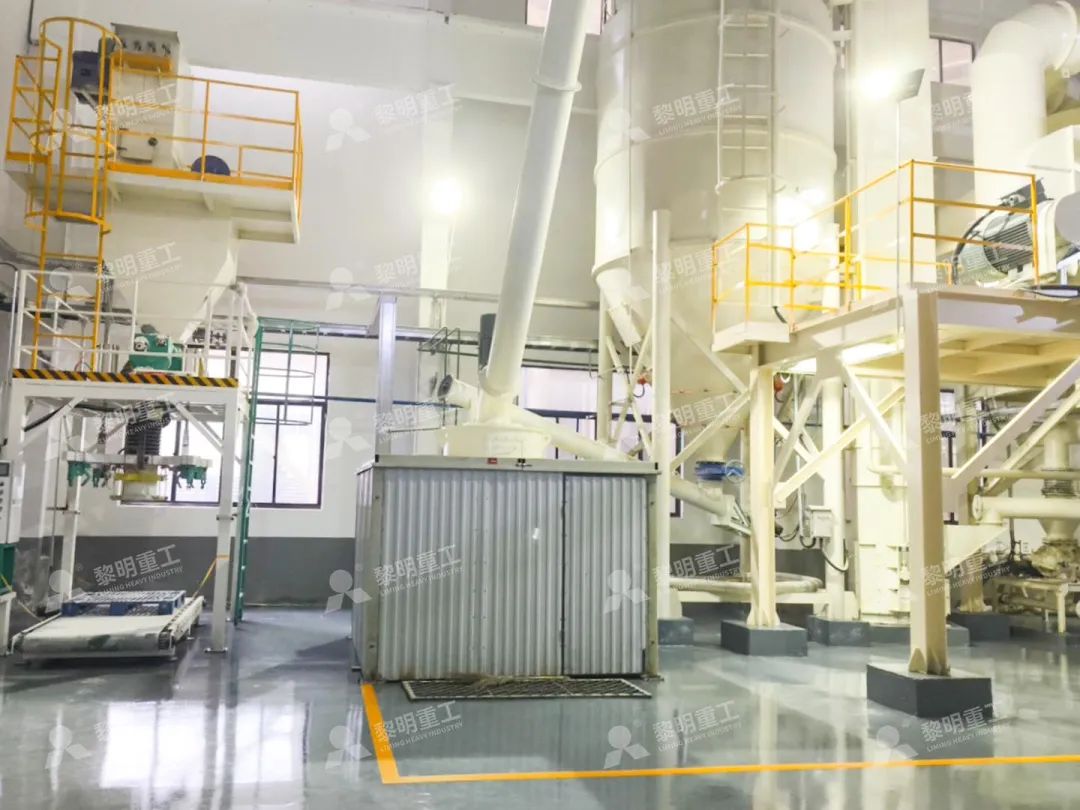
For operations with high-volume requirements focusing on fine to ultra-fine gypsum powder, the LUM Ultrafine Vertical Grinding Mill is another excellent choice. Integrating grinding, classifying, and transporting, its vertical structure saves considerable floor space. It features advanced multi-head powder separating technology from Germany, allowing precise cuts in particle size and fast switching between different product specifications. Its reversible structure makes maintenance of heavy grinding rollers remarkably easier, drastically reducing downtime for wear part inspection and replacement. This mill is ideal for producers supplying both the construction and specialized industrial gypsum markets.
Economic and Operational Benefits for Pakistani Producers
Investing in modern milling technology like the MW or LUM series translates into tangible benefits. The higher grinding efficiency and lower specific energy consumption directly reduce electricity costs, a major operational expense. The improved product uniformity minimizes waste and rejects, ensuring more plaster output from the same raw material input. Furthermore, features like external lubrication and easier maintenance access maximize machine uptime, leading to higher annual production volumes and better return on investment.
In a market like Pakistan, where reliability and after-sales support are paramount, choosing equipment from a manufacturer with a strong service commitment is vital. A supplier that provides comprehensive technical services and guarantees the supply of original spare parts ensures long-term, worry-free operation, protecting the producer’s capital investment.

Conclusion
While the traditional Raymond Mill has faithfully served Pakistan’s gypsum plaster industry, the path to greater profitability and market leadership lies in adopting more sophisticated grinding technology. Mills like the MW Ultrafine Grinding Mill and LUM Ultrafine Vertical Grinding Mill offer Pakistani producers the tools to achieve superior product quality, operational efficiency, and environmental compliance. By embracing these advancements, gypsum processors can not only meet the growing domestic demand for high-performance plaster but also potentially expand into export markets with a premium, consistently high-quality product.
Frequently Asked Questions (FAQs)
1. Can a Raymond Mill produce gypsum powder fine enough for high-quality plaster?
Yes, a standard Raymond Mill can produce plaster-grade gypsum powder, typically in the 100-200 mesh range. However, for more consistent particle distribution or ultra-fine grades (above 325 mesh) required for superior finish plasters, advanced mills like the MW Ultrafine Grinding Mill offer significantly better control and efficiency.
2. What is the biggest operational challenge with running a Raymond Mill for gypsum?
Common challenges include managing higher energy consumption per ton compared to newer designs, dealing with wear on grinding rollers and rings which requires shutdowns for replacement, and achieving a very tight, consistent particle size distribution batch after batch.
3. How does the MW Ultrafine Grinding Mill improve upon traditional Raymond Mill design?
The MW Mill incorporates several key improvements: a cage-type powder selector for precise fineness adjustment (325-2500 mesh), the elimination of internal rolling bearings and screws to prevent related failures, external lubrication capability for 24/7 operation, and a highly efficient integrated pulse dust collection system for cleaner production.
4. Is the maintenance more complicated for an ultrafine grinding mill?
Interestingly, mills like the MW and LUM are designed for easier maintenance. Features like the external lubrication system (MW) and the reversible roller structure (LUM) are specifically engineered to simplify access to core components, reduce downtime, and make wear part replacement more straightforward than in many traditional mill designs.
5. What is the typical capacity range for grinding gypsum in a modern mill?
Capacity depends on the desired fineness. For instance, the MW Ultrafine Grinding Mill offers a capacity range of 0.5 to 25 tons per hour, making it suitable for both medium and larger-scale plaster production lines, depending on the model and product specification.
6. How important is dust control in a gypsum grinding plant?
Extremely important. Gypsum dust can be a nuisance and a health hazard. Modern mills like the MW come with integrated, high-efficiency pulse dust collectors that capture over 99.9% of airborne particles, ensuring a safe working environment and compliance with environmental regulations.
7. Can these advanced mills handle the varying hardness of gypsum from different Pakistani mines?
Yes. Both the MW and LUM mills are designed to process non-metallic minerals like gypsum effectively. Their grinding pressure and classifier speed can be adjusted to accommodate variations in feed material hardness and consistently deliver the target fineness.