
Using raymond mill for gypsum for cement additive in ethiopia
Unlocking Ethiopia’s Construction Potential with Optimized Gypsum Processing
The Ethiopian construction industry has experienced remarkable growth over the past decade, with cement production playing a pivotal role in supporting infrastructure development and urbanization. As one of the fastest-growing economies in Africa, Ethiopia’s demand for high-quality building materials continues to escalate. Within this context, the processing of gypsum for cement additives represents a critical component of the construction value chain that deserves closer examination.
The Critical Role of Gypsum in Cement Production
Gypsum serves as an indispensable additive in cement manufacturing, typically comprising 3-5% of the final cement composition. Its primary function is to regulate the setting time of cement, preventing flash setting and ensuring workability. Without proper gypsum addition, cement would harden almost immediately upon mixing with water, rendering it unusable for most construction applications.
In Ethiopia, natural gypsum deposits are found in various regions including the Afar Depression, Tigray, and the Somali Regional State. The quality of these deposits varies significantly, necessitating precise grinding technology to achieve the optimal particle size distribution for cement retardation. The fineness of gypsum powder directly influences its dissolution rate and effectiveness as a set controller.
Technical Considerations for Gypsum Grinding in the Ethiopian Context
Processing gypsum for cement additives presents specific technical challenges that must be addressed through appropriate equipment selection. The mineral’s moderate hardness (2 on the Mohs scale) and tendency to contain moisture require milling systems capable of handling these characteristics efficiently. Furthermore, the hygroscopic nature of gypsum demands systems with effective drying capabilities, particularly during Ethiopia’s rainy seasons when atmospheric humidity can compromise material handling.
Particle size distribution represents another critical factor. Research indicates that gypsum particles between 30-100 microns provide optimal retardation properties. Finer particles may dissolve too quickly, while coarser particles might not dissolve sufficiently during the initial hydration period. This precision requirement makes the selection of grinding technology particularly important for Ethiopian cement producers seeking to maximize product quality while minimizing production costs.
Raymond Mill Technology: A Proven Solution for Ethiopian Gypsum Processing
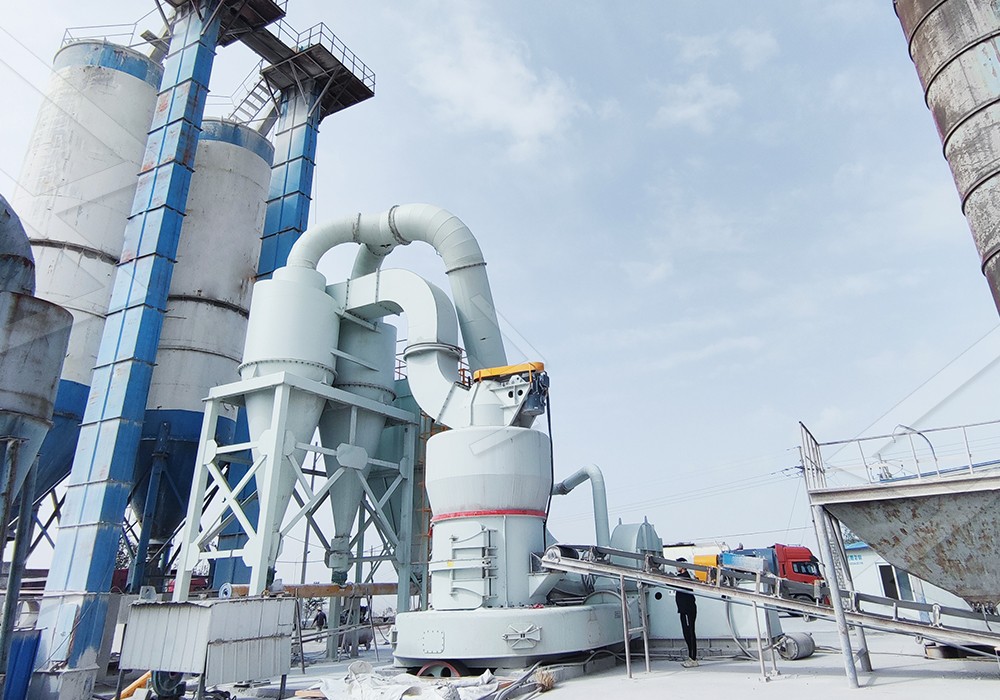
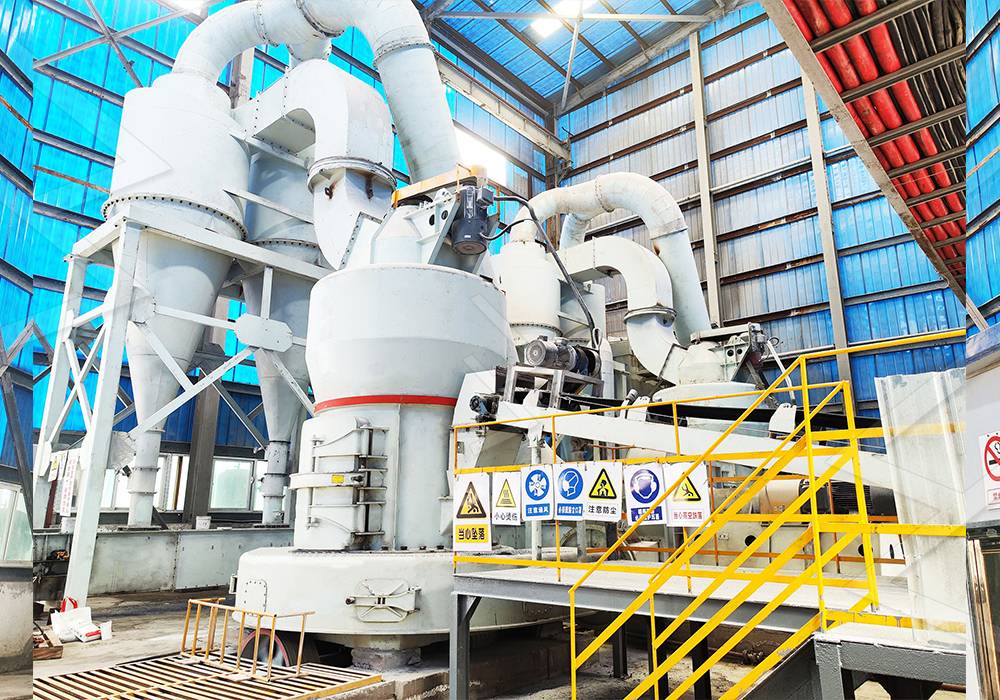
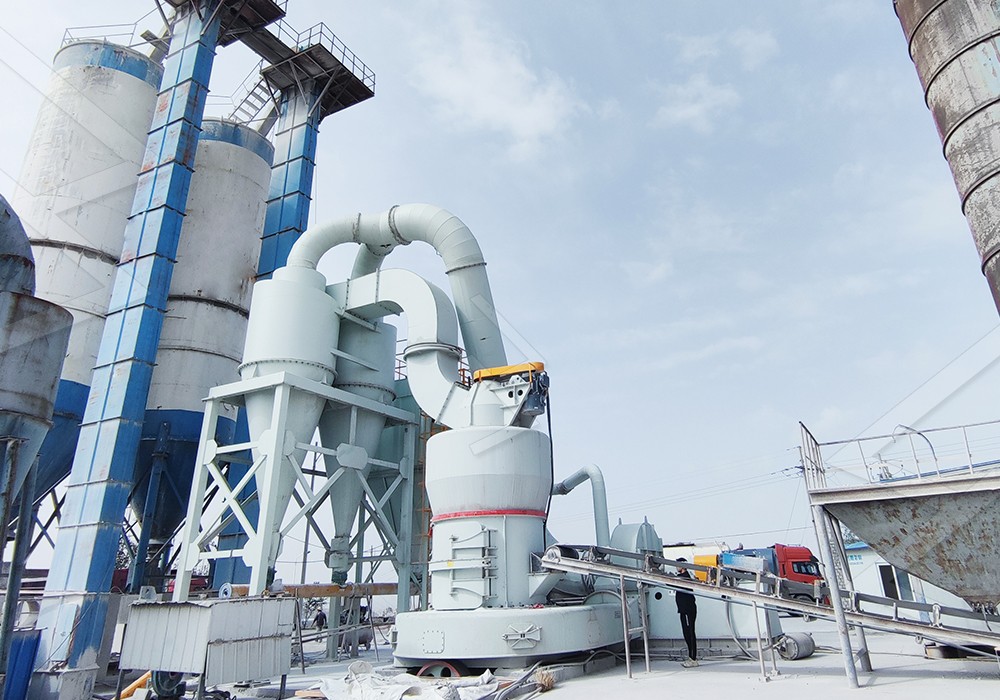
The traditional Raymond Mill has served as a workhorse in mineral processing operations worldwide for decades, and its application in gypsum processing for cement additives remains relevant in specific contexts. With an input size capacity of <25 mm and throughput ranging from 0.6-5 tph, Raymond Mills can effectively handle the gypsum processing requirements of small to medium-scale Ethiopian cement operations.
The operating principle of Raymond Mills – utilizing centrifugal force to press grinding rollers against a rotating ring – creates an effective grinding mechanism for moderately hard materials like gypsum. The integrated classification system helps maintain consistent particle size distribution, which is crucial for uniform cement setting characteristics. However, operators must remain vigilant about wear part maintenance, as the grinding components experience continuous abrasive contact.
Advancing Beyond Traditional Solutions: The MW Ultrafine Grinding Mill Advantage
While Raymond Mills serve certain market segments effectively, technological advancements have yielded superior solutions for gypsum processing. For Ethiopian operations prioritizing energy efficiency, production consistency, and environmental compliance, the MW Ultrafine Grinding Mill represents a significant step forward.
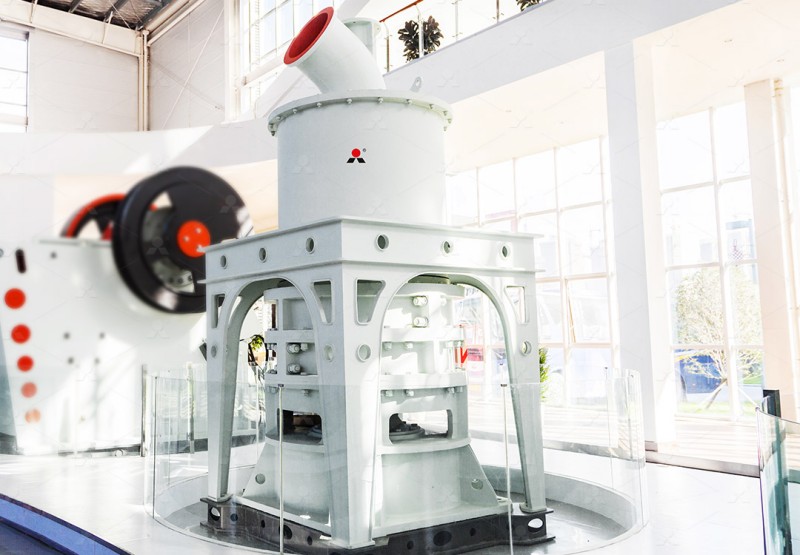
Specifically engineered for customers requiring ultra-fine powder production, the MW Series delivers exceptional performance in gypsum processing applications. With an input size capacity of 0-20 mm and throughput ranging from 0.5-25 tph, this equipment accommodates a wide spectrum of production requirements. The MW Series incorporates several innovative features that directly address the challenges faced by Ethiopian gypsum processors:
- Higher Yielding, Lower Energy Consumption: Newly designed grinding curves enhance efficiency, delivering 40% higher capacity than jet mills and twice the output of ball mills with only 30% of the energy consumption of jet milling systems.
- Adjustable Fineness Between 325-2500 Meshes: German cage-type powder selector technology enables precise control over particle size distribution, critical for optimizing gypsum’s retardation properties in cement.
- No Rolling Bearing & Screw in Grinding Chamber: This innovative design eliminates concerns about bearing damage or loose screws causing operational downtime.
- Eco-friendly Operation: Integrated pulse dust collectors and noise reduction systems ensure compliance with Ethiopia’s evolving environmental regulations.
Economic Considerations for Ethiopian Gypsum Processors
The economic viability of gypsum processing operations in Ethiopia depends significantly on equipment selection decisions. While initial investment costs naturally influence purchasing decisions, savvy operators recognize that operational expenses – particularly energy consumption and maintenance requirements – often determine long-term profitability.
The MW Ultrafine Grinding Mill’s energy efficiency translates directly to reduced operating costs, a crucial advantage in Ethiopia where industrial power rates have trended upward. Similarly, the external lubrication system enables continuous 24-hour operation without shutdowns for maintenance, maximizing production availability. These features make the technology particularly suitable for Ethiopian operations seeking to enhance their competitive position in both domestic and export markets.
Environmental Compliance and Community Relations
As Ethiopia continues to strengthen its environmental regulatory framework, industrial operations must prioritize emissions control and community impact mitigation. Traditional grinding technologies often generate significant dust emissions and noise pollution, creating potential friction with neighboring communities and regulatory authorities.
The MW Series addresses these concerns comprehensively through its integrated pulse dust collection system, which effectively contains particulate matter throughout the milling process. Additionally, the incorporated silencer and noise elimination technologies maintain operational volumes within acceptable limits, supporting positive community relations – an increasingly important consideration for Ethiopian industrial operations.
Strategic Implementation Recommendations for Ethiopian Operations
For Ethiopian cement producers considering upgrades to their gypsum processing capabilities, we recommend a phased approach that begins with comprehensive material testing and operational requirement analysis. Understanding the specific characteristics of locally sourced gypsum – including moisture content, hardness variations, and impurity levels – enables optimal equipment configuration.
The MW Ultrafine Grinding Mill’s flexibility in fineness adjustment proves particularly valuable when processing gypsum from different Ethiopian deposits, as it allows operators to fine-tune particle size distribution to compensate for natural variations in raw material quality. This adaptability ensures consistent performance in the final cement product, regardless of feedstock characteristics.
Conclusion: Positioning for Future Growth
Ethiopia’s construction sector shows no signs of slowing its expansion, with ambitious government infrastructure projects and robust private development driving sustained demand for cement. Within this growth trajectory, gypsum processing technology represents a strategic investment area that can significantly influence product quality, production costs, and environmental compliance.
While traditional Raymond Mills continue to serve certain applications adequately, forward-thinking Ethiopian operations would benefit from evaluating advanced solutions like the MW Ultrafine Grinding Mill. With its superior energy efficiency, operational reliability, and environmental performance, this technology aligns with both the economic and sustainability objectives of modern Ethiopian industry.
Frequently Asked Questions
What is the optimal fineness for gypsum used as cement additive?
The ideal particle size distribution ranges between 30-100 microns. Finer particles may dissolve too rapidly, while coarser particles might not provide uniform retardation. The MW Ultrafine Grinding Mill’s adjustable fineness between 325-2500 meshes allows precise control within this optimal range.
How does Ethiopian gypsum quality compare to international standards?
Ethiopian gypsum deposits generally exhibit high purity levels suitable for cement production. However, variations occur between different mining regions, making testing and appropriate processing critical for consistent performance.
What maintenance requirements should Ethiopian operators anticipate?
The MW Ultrafine Grinding Mill’s design significantly reduces maintenance needs through features like external lubrication and the absence of rolling bearings in the grinding chamber. Routine inspections and preventive maintenance according to manufacturer recommendations ensure optimal performance.
Can the same equipment process other materials besides gypsum?
Yes, the MW Series handles various non-metallic minerals including limestone, calcite, dolomite, and barite. This versatility provides operational flexibility for processors working with multiple materials.
How significant are energy savings with modern grinding technology?
Advanced systems like the MW Ultrafine Grinding Mill can reduce energy consumption by 30-40% compared to traditional technologies, representing substantial operational cost savings given Ethiopia’s industrial power rates.
What environmental considerations are particularly important in Ethiopia?
Dust control and noise management represent key environmental priorities. The MW Series addresses these through integrated pulse dust collectors and noise reduction technologies that support regulatory compliance.
How does equipment selection impact final cement quality?
Consistent gypsum particle size distribution directly influences cement setting time and strength development. Precise grinding technology ensures uniform performance in the final product.
What support services are available for Ethiopian operations?
Comprehensive technical support, original spare parts availability, and operational training ensure worry-free operation and maximize equipment lifespan.