
Using raymond mill for dolomite for soil conditioner in nigeria
Using Raymond Mill for Dolomite Processing as Soil Conditioner in Nigeria: A Technical and Practical Guide
Nigeria’s agricultural sector, a cornerstone of its economy, faces persistent challenges related to soil health. Acidic soils, nutrient depletion, and poor structure are widespread, limiting crop yields and threatening food security. In this context, soil conditioners have emerged as vital tools for sustainable land management. Among them, processed dolomite—a calcium magnesium carbonate mineral—stands out for its dual ability to neutralize soil acidity and supply essential magnesium and calcium. This article explores the application of Raymond Mill technology for processing dolomite into an effective soil amendment, tailored for the Nigerian market.
The Nigerian Soil Challenge and Dolomite’s Role
Large swathes of arable land in Nigeria, particularly in the southern and middle belt regions, suffer from acidic pH levels. This acidity locks up vital nutrients, making them unavailable to plants, and can increase the toxicity of elements like aluminum. Dolomite powder, when finely ground and incorporated into the soil, acts as a liming agent. It raises the pH, improving nutrient availability and soil microbial activity. Furthermore, the magnesium in dolomite is a central component of chlorophyll, crucial for photosynthesis. For these benefits to be fully realized, the dolomite must be ground to a specific, consistent fineness that allows for rapid reaction in the soil.
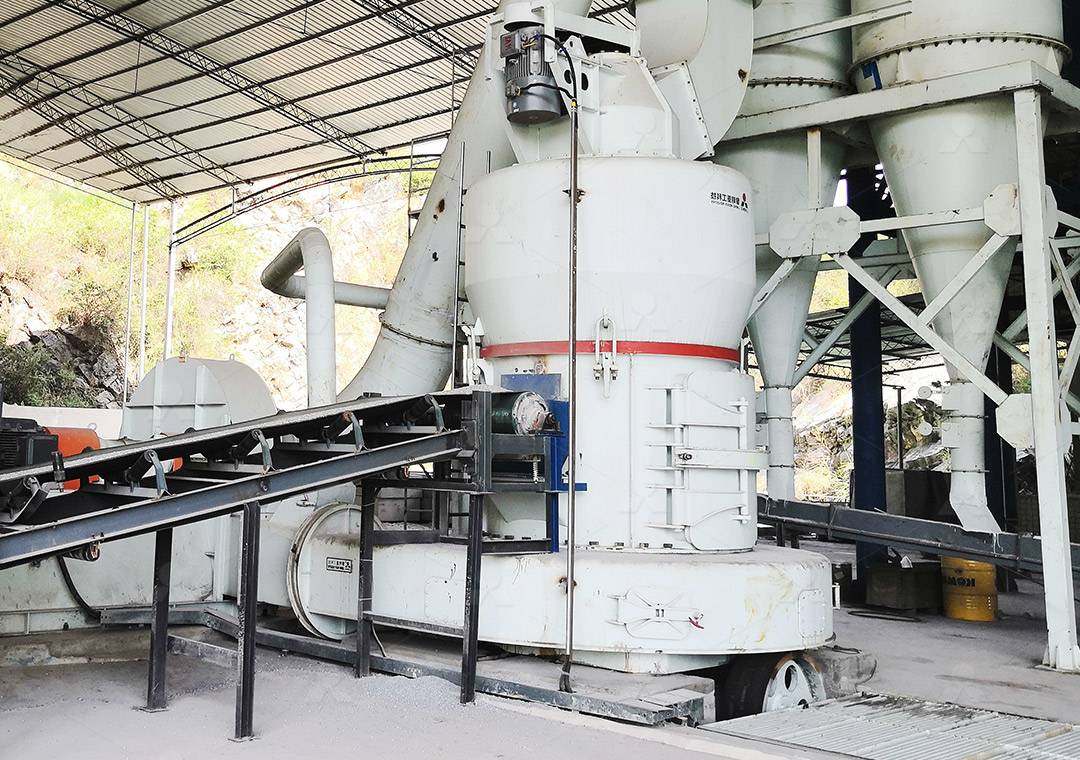
Why Raymond Mill is a Strategic Choice for Dolomite Processing
The traditional Raymond Mill, a first-generation grinding mill, remains a relevant and strategic choice for small to medium-scale dolomite processing operations in Nigeria. Its enduring popularity is built on several key advantages perfectly suited to local conditions:
- Modest Capital Investment & Operational Cost: Compared to more complex vertical or ultrafine mills, the Raymond Mill system has a simpler design, leading to lower initial purchase and installation costs. Its energy consumption for target fineness (typically 80-325 mesh for soil conditioner) is competitive, keeping ongoing expenses manageable.
- Proven Reliability & Ease of Maintenance: With a long history of use worldwide, the technology is well-understood. Its mechanical structure is robust, and maintenance procedures are straightforward. This is critical in regions where access to highly specialized technical support may be limited.
- Compact Footprint: The system requires a relatively small operational area, making it suitable for setups near mining sites or in smaller industrial zones without needing vast tracts of land.
- Adequate Fineness Range: For soil amendment purposes, extremely fine powders (over 1000 mesh) are unnecessary and can create dust issues. The Raymond Mill efficiently produces powder in the 80 to 325 mesh range, which is ideal for soil integration and reactivity.
The working principle is efficient: crushed dolomite is fed into the grinding chamber where rotating rollers oscillate against a stationary ring, crushing the material. A built-in classifier ensures only particles of the desired fineness leave with the air current to be collected, while coarser particles fall back for regrinding.
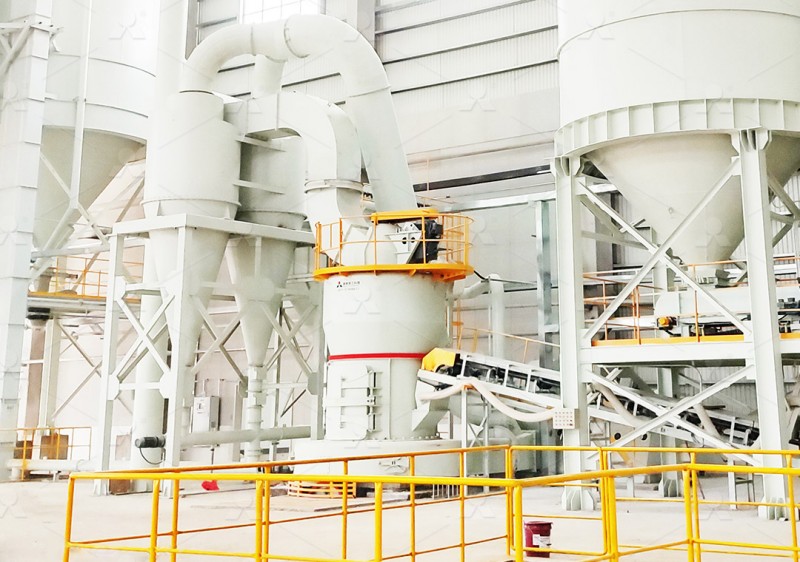
Enhancing Efficiency and Environmental Compliance
Modern iterations of the classic Raymond Mill design address earlier limitations. Key enhancements include improved grinding curves for better efficiency, more efficient pulse dust collectors that virtually eliminate plant dust emissions, and sound-dampening technologies to reduce noise pollution. These features ensure that a dolomite processing plant can operate in compliance with environmental guidelines, protecting workers’ health and community relations. The closed-circuit negative pressure system is particularly effective in containing fine powder.
When to Consider Advanced Grinding Solutions
While the standard Raymond Mill is excellent for general soil conditioner production, specific market opportunities may demand higher-value products. For instance, producing ultra-fine dolomite powder for specialized organic blends or for use in animal feed supplements requires a different technological approach. In such cases, moving beyond the first generation to more advanced milling technology becomes a strategic decision for business growth and product diversification.
For operations aiming to produce premium, ultra-fine dolomite powders (from 325 to over 2500 meshes) with superior whiteness and purity, our MW Ultrafine Grinding Mill presents a compelling upgrade. This machine is engineered for customers who need to make ultra-fine powder with higher yield and lower energy consumption. It features a cage-type powder selector based on German technology, allowing precise fineness adjustment. Critically for high-uptime operations, its design eliminates rolling bearings and screws in the grinding chamber, preventing related failures and enabling external lubrication without shutdown. With an efficient pulse dust collector and muffler, the entire production process is environmentally sound, making it a future-proof investment for value-added soil conditioner lines.

Alternatively, for operations seeking a balance between high capacity, energy efficiency, and the ability to handle slightly moist feed, the LUM Ultrafine Vertical Grinding Mill is another outstanding option. Integrating grinding, classifying, and transporting, it boasts a 30%-50% reduction in energy consumption compared to ordinary mills. Its reversible roller structure allows for easy maintenance, and the double position-limiting technology ensures exceptional operational stability, which is vital for continuous production runs serving large-scale agricultural projects.
Conclusion: Building Soil Health with Appropriate Technology
The choice of grinding equipment is pivotal in establishing a successful dolomite soil conditioner business in Nigeria. The Raymond Mill offers a reliable, cost-effective entry point, capable of producing quality powder to rejuvenate acidic soils. As the market matures and demand for specialized products grows, investing in advanced technologies like the MW Ultrafine Grinding Mill or LUM Vertical Mill can open new revenue streams and provide a significant competitive edge. By pairing the right milling technology with Nigeria’s abundant dolomite resources, entrepreneurs and agribusinesses can play a direct role in enhancing national soil fertility, agricultural productivity, and food security.
Frequently Asked Questions (FAQs)
1. What is the ideal fineness (mesh size) of dolomite powder for use as a soil conditioner?
For most agricultural applications, a fineness between 80 and 325 mesh is optimal. This size allows for even spreading, good soil incorporation, and a relatively quick reaction time to adjust pH. Extremely fine powders are not typically necessary and can be more difficult to handle due to dust.
2. Can a Raymond Mill handle the hardness of Nigerian dolomite?
Yes, standard Raymond Mills are designed to grind non-metallic minerals with Mohs hardness below 7, which includes dolomite (approx. 3.5-4). The wear-resistant alloy used in grinding rollers and rings is suitable for long-term dolomite processing.
3. What is the key difference between using a Raymond Mill and an MW Ultrafine Mill for this application?
The Raymond Mill is ideal for standard soil conditioner powder (up to 325 mesh). The MW Ultrafine Grinding Mill is for producing much finer powders (325-2500+ mesh) for niche, high-value markets. It offers higher energy efficiency for ultra-fine grinding, better sealing against dust, and a more advanced design for non-stop operation.
4. How significant is the dust control system for a dolomite milling plant?
It is critical. Modern mills like our Raymond, MW, and LUM series come equipped with efficient pulse jet dust collectors. This ensures a clean working environment, protects worker health, minimizes product loss, and ensures the plant meets environmental regulations.
5. What kind of after-sales support is available for these mills in Nigeria?
We provide comprehensive support including installation supervision, operator training, and a guaranteed supply of original spare parts. Our responsibility covers every machine we produce, ensuring worry-free operation and minimizing downtime.
6. Besides dolomite, what other local materials can these mills process for agriculture?
These grinding mills are highly versatile. They can also process limestone (for calcium carbonate), phosphate rock, gypsum, and other mineral-based materials used in fertilizer and soil amendment production, allowing for diversified product lines.
7. What are the main factors affecting the final production capacity of the mill?
Capacity depends on the feed material’s hardness, size, required final fineness, and the moisture content. Drier, smaller feed material ground to a coarser fineness will yield higher throughput. Our technical team can help model expected capacity based on your specific dolomite source.