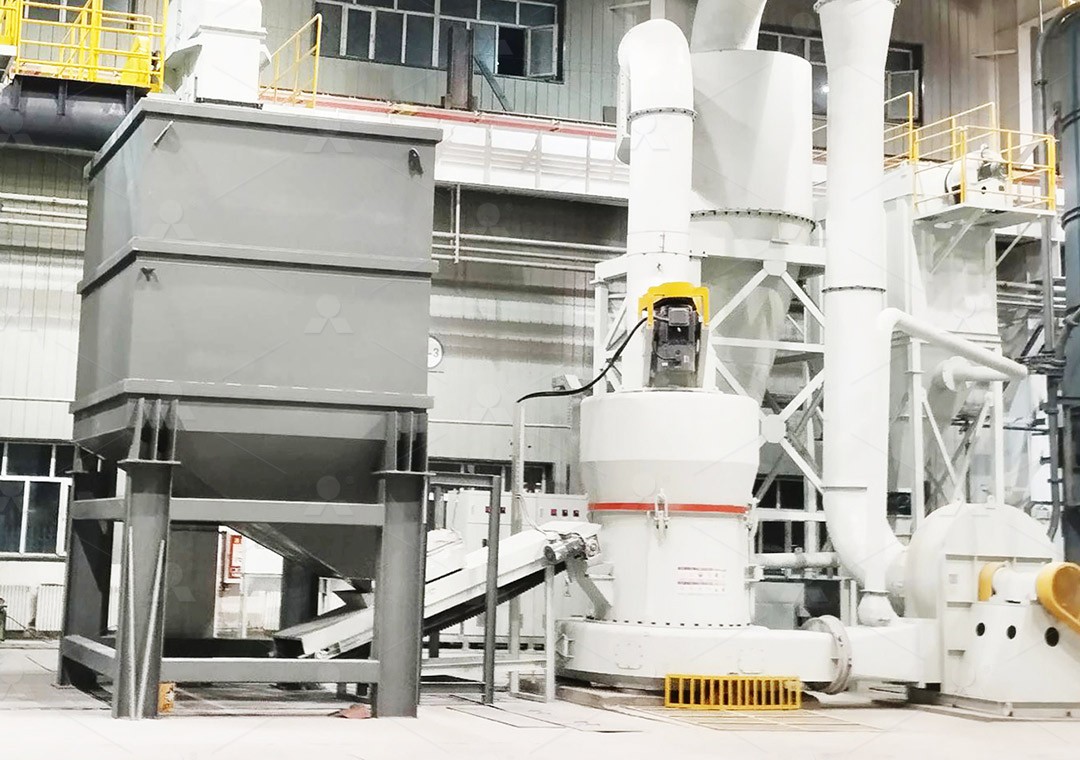
Using raymond mill for calcium carbonate for paper coating in guyana
Unlocking Guyana’s Paper Industry Potential with Advanced Calcium Carbonate Processing
The paper industry in Guyana stands at a pivotal moment. With abundant natural resources and a growing focus on value-added manufacturing, the production of high-quality coated paper presents a significant opportunity. At the heart of this process lies a critical component: finely ground calcium carbonate (GCC). The choice of grinding technology for this mineral directly impacts coating quality, production efficiency, and overall operational cost. For decades, the Raymond mill has been a familiar workhorse in mineral processing. Its application for producing GCC for paper coating, however, requires a nuanced understanding of both its capabilities and its limitations within the modern industrial landscape.
The Critical Role of Calcium Carbonate in Paper Coating
Calcium carbonate is the predominant pigment used in paper coating formulations. Its purpose is multifold: to impart superior brightness, opacity, smoothness, and printability to the paper surface. The effectiveness of GCC in this role is heavily dependent on its particle size distribution (PSD), fineness, and particle shape. For premium paper coatings, a consistently ultra-fine powder with a top cut (d97) often required to be below 2 microns is essential. This ensures a uniform, glossy finish and excellent ink receptivity. Traditional Raymond mills, with their typical output range of 80-400 mesh, can struggle to achieve and maintain this stringent fineness requirement efficiently, especially when higher throughput is needed for industrial-scale paper production.
Evaluating Raymond Mill Performance for Modern Coating Needs
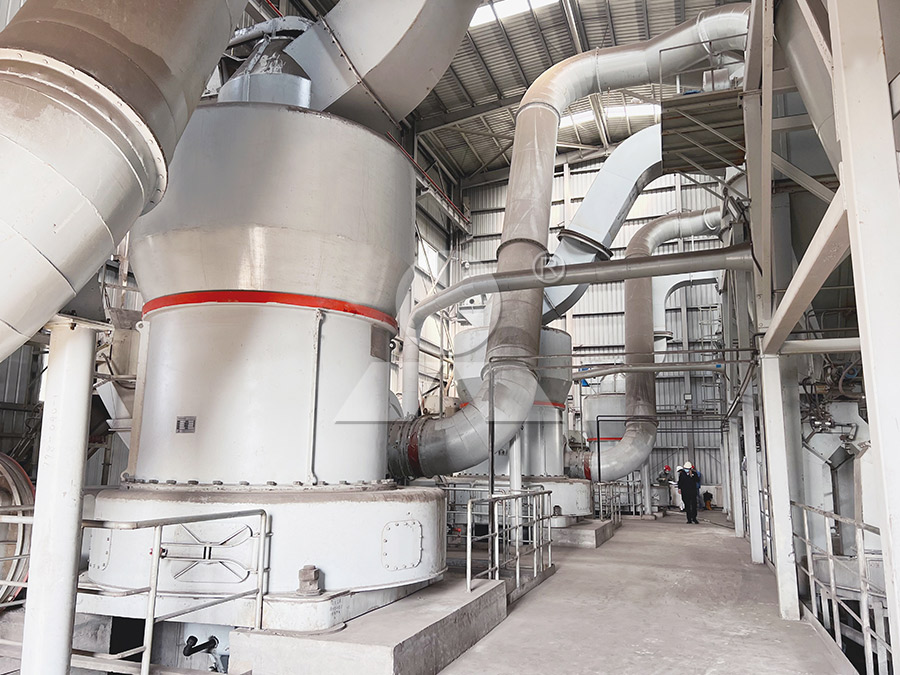
The classic Raymond mill design, based on a vertical spindle and spring-loaded rollers grinding against a stationary ring, offers undeniable benefits: a relatively compact footprint, straightforward operation, and lower initial capital investment for smaller-scale projects. For operations targeting standard filler-grade carbonate, it can be a suitable choice. However, when pushing for the finer meshes (600 mesh and beyond) required for coating, limitations emerge. Grinding efficiency can drop, energy consumption per ton increases noticeably, and wear on grinding components accelerates, leading to potential contamination of the product with iron—a critical concern for paper whiteness.
Furthermore, the mechanical design of traditional Raymond mills often involves internal rolling bearings and screws within the grinding chamber. In the humid climate of Guyana, this can pose maintenance challenges and increase the risk of unscheduled downtime due to bearing failures or seal degradation, directly impacting production schedules for paper mills.
Advancing Beyond Tradition: The Shift to Next-Generation Grinding Solutions
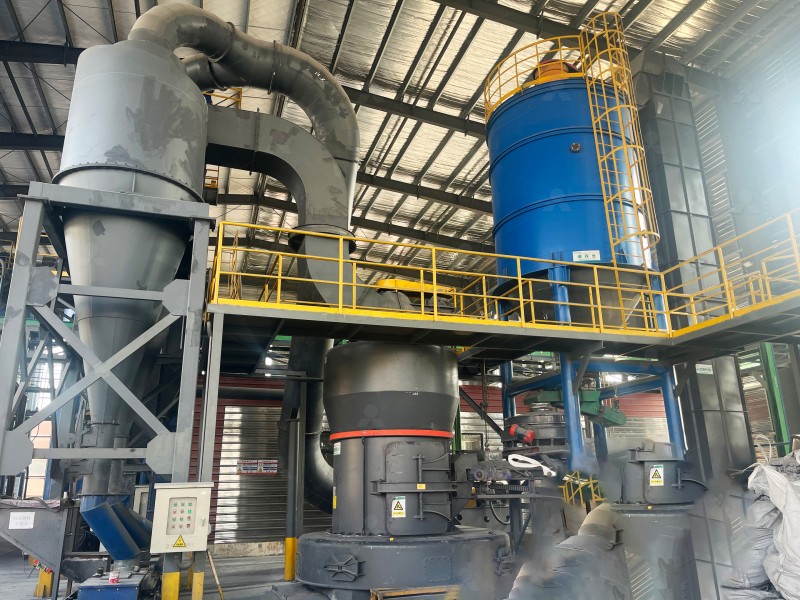
To overcome these hurdles and achieve the high-purity, ultra-fine GCC necessary for competitive paper coating, Guyanese producers should look to more advanced, purpose-built grinding technologies. Modern mills are engineered specifically for high-efficiency, large-volume production of fine and ultra-fine powders with minimal contamination.
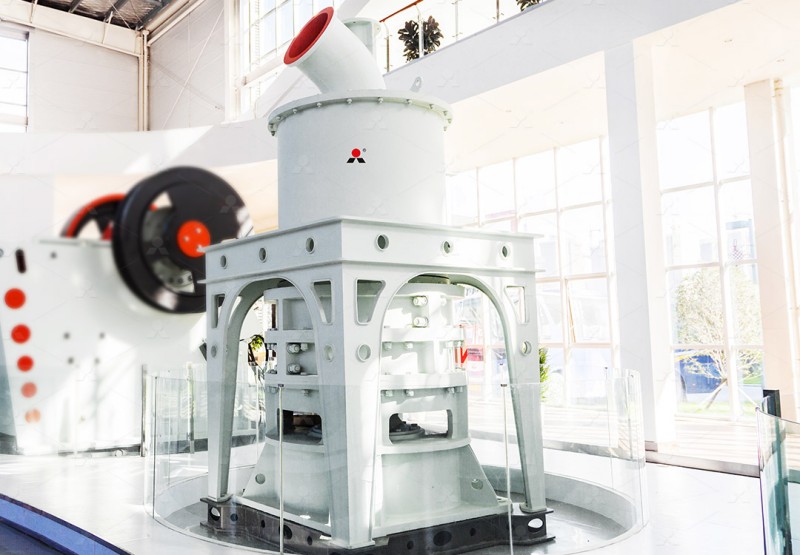
For instance, the MW Ultrafine Grinding Mill represents a significant leap forward. Designed for customers requiring ultra-fine powder, it addresses many of the pain points associated with older designs. Its cage-type powder selector, incorporating German technology, allows for precise fineness adjustment between 325-2500 meshes, easily hitting the d97≤5μm target crucial for coating-grade carbonate. A key advantage for operations in remote or demanding environments is its innovative chamber design: there are no rolling bearings or screws inside the grinding chamber. This eliminates a major source of mechanical failure and product contamination, ensuring greater operational reliability and product purity. Additionally, its higher yield and lower energy consumption—reportedly 40% higher output than jet mills at the same power—translate directly to lower operating costs per ton of coating pigment produced.
For operations that prioritize vertical integration and exceptional stability, the LUM Ultrafine Vertical Grinding Mill is another premier option. Integrating grinding, classifying, and conveying, it features unique roller and lining plate curves that promote efficient material layer formation, yielding a high rate of finished product in a single pass. Its double position-limiting technology is particularly valuable, providing electronic and mechanical protection against destructive vibration—a feature that safeguards the mill from unexpected shocks and ensures smooth, continuous operation essential for feeding a paper coating line. The reversible structure of the grinding roller also simplifies maintenance, allowing for easier inspection and part replacement to minimize downtime.
Strategic Implementation for Guyana’s Market
Integrating an advanced grinding system like the MW or LUM mill into a calcium carbonate processing plant serving Guyana’s paper industry requires strategic planning. The consistent, high-whiteness output ensures paper manufacturers can meet international quality standards for coated paper products, potentially opening up export markets. The environmental features of these mills, such as efficient pulse dust collectors and mufflers, align with global sustainability trends and responsible resource development. By investing in technology that delivers higher yield with lower energy consumption, producers not only improve their profitability but also enhance their long-term competitiveness in an industry where coating quality and cost are paramount.
In conclusion, while the Raymond mill laid the groundwork, the future of high-value calcium carbonate production for Guyana’s paper coating industry lies in adopting more sophisticated, reliable, and efficient ultrafine grinding solutions. By doing so, the sector can transform a local mineral resource into a world-class industrial product.
Frequently Asked Questions (FAQs)
- What is the main advantage of using an ultrafine mill over a traditional Raymond mill for paper coating GCC?
The primary advantage is the ability to consistently and efficiently achieve the very fine, tightly controlled particle size (often below 2 microns) required for smooth, high-opacity paper coatings, with significantly higher energy efficiency and lower risk of iron contamination. - How does the absence of rolling bearings in the grinding chamber benefit the operation?
It drastically reduces the risk of unexpected bearing failures and oil leakage, which are common sources of downtime and product contamination. This leads to higher operational reliability, purer product output (critical for whiteness), and lower long-term maintenance costs. - Can these advanced mills handle the humidity present in Guyana’s climate?
Yes, modern mills like the MW and LUM series are designed with robust sealing systems and external lubrication points. The fully enclosed, negative-pressure operation prevents moisture ingress and dust spillage, making them suitable for various climatic conditions. - What production capacity range should I consider for a small to medium-sized paper coating operation?
For a dedicated coating pigment line, capacities between 5 to 18 tonnes per hour are common. The LUM Ultrafine Vertical Grinding Mill, for example, fits this range well with a capacity of 5-18 tph, offering a good balance of output and fineness control. - Is the fineness adjustable for different paper coating grades?
Absolutely. Advanced powder selectors, like the cage-type system in the MW Mill, allow stepless adjustment of product fineness between 325 and 2500 meshes. This lets operators produce different grades for matte, semi-gloss, or high-gloss coatings from the same mill. - How important is the environmental aspect of the grinding system?
Extremely important. Modern systems integrate high-efficiency pulse dust collectors and noise reduction technologies. This ensures the plant meets strict environmental regulations, protects worker health, and maintains good community relations—key factors for sustainable operation. - What kind of after-sales support is crucial for operating in Guyana?
Access to genuine spare parts, remote technical assistance, and potentially on-site service is vital. Choosing a supplier like LIMING, which emphasizes a sufficient supply of original spare parts and takes responsibility for their machines, ensures worry-free long-term operation.