
Using industrial pulverizer for talc for ceramic tiles in philippines
Optimizing Ceramic Tile Production: The Critical Role of Talc Grinding in the Philippines
The ceramic tile industry in the Philippines is experiencing robust growth, driven by construction booms and rising domestic demand. At the heart of producing high-quality, durable tiles lies a crucial raw material: talc. This mineral, prized for its thermal stability, lubricity, and ability to enhance mechanical strength, must be processed into an ultra-fine, consistent powder to unlock its full potential in the ceramic body and glaze. The choice of industrial pulverizer is, therefore, not merely an equipment decision but a strategic one that directly impacts product quality, production efficiency, and operational costs.
The Talc Imperative in Tile Formulations
In ceramic compositions, finely ground talc acts as a flux in the body, promoting vitrification at lower temperatures, which translates to significant energy savings in kiln operations. In glazes, it contributes to smoothness, opacity, and crack resistance. However, the benefits are entirely dependent on achieving a precise particle size distribution (PSD). Coarse or inconsistent talc powder can lead to defects like pinholes, reduced strength, and poor surface finish, directly affecting the tile’s grade and market value. For Philippine manufacturers competing in both local and export markets, mastering this fine-grinding process is essential.

Challenges in the Philippine Context: Beyond Fineness
Selecting the right grinding technology requires a holistic view of local challenges. First is energy cost. The Philippines has some of the highest electricity rates in Southeast Asia, making energy consumption per ton of product a paramount concern. Second is environmental compliance. Operations, especially near urban or ecologically sensitive areas, must minimize dust and noise pollution. Third is operational reliability and maintenance. Access to specialized technical support and genuine spare parts can be a hurdle, making equipment simplicity and durability key. Finally, flexibility is needed to handle varying talc feed sizes from different local or imported sources and to produce different fineness grades for diverse tile product lines.
Advanced Grinding Solutions: Moving Beyond Traditional Mills
While traditional Raymond mills or ball mills are common, they often fall short in addressing the above challenges comprehensively. They can be energy-intensive, have limited fineness control, and may involve complex maintenance routines. Modern ultrafine grinding technologies offer a superior alternative, designed specifically for minerals like talc.
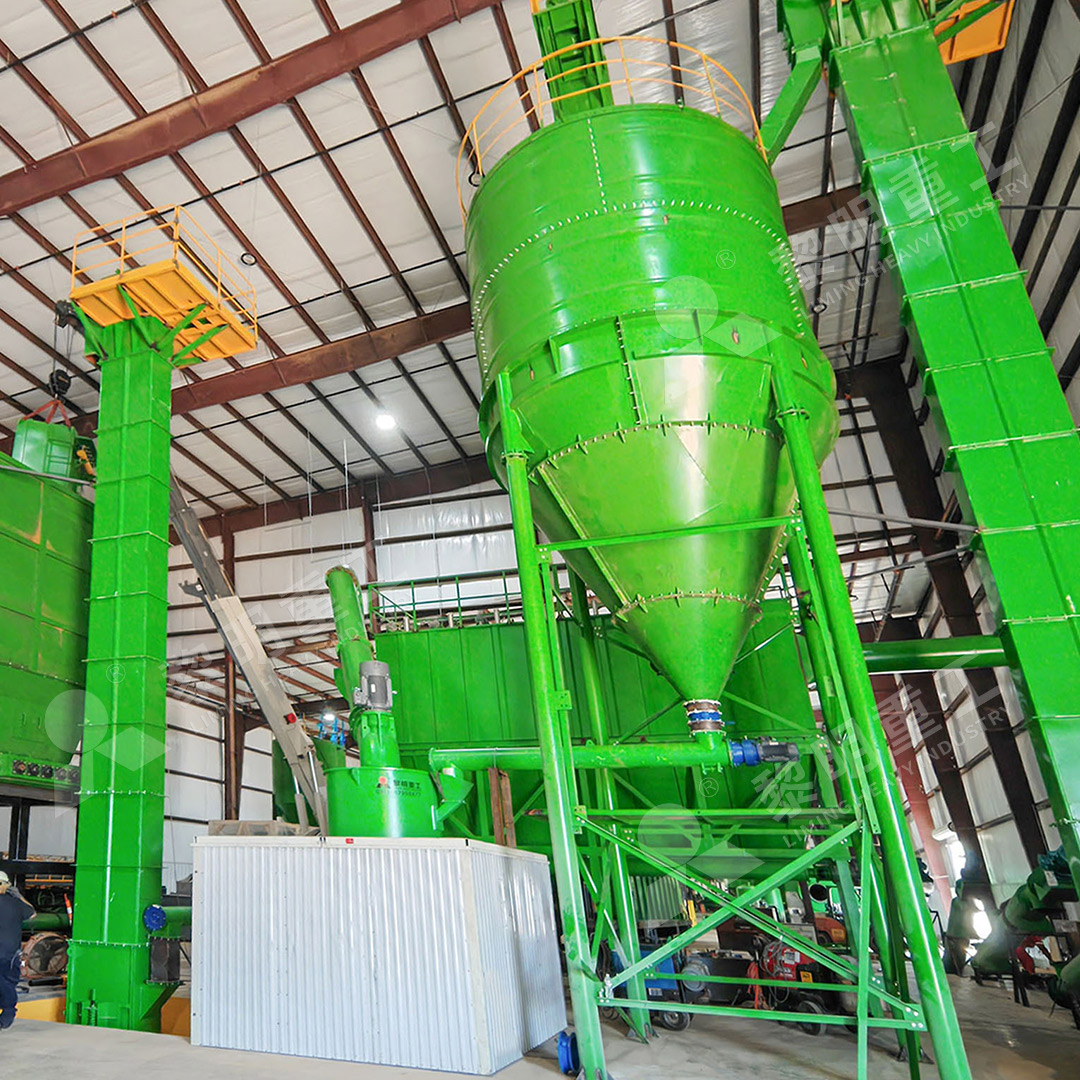
For Philippine ceramic producers aiming for the highest quality standards, the MW Ultrafine Grinding Mill presents a compelling solution. Engineered for customers who need to make ultra-fine powder, this mill is particularly suited for talc processing. It accepts a feed size of 0-20 mm with a capacity range of 0.5-25 tph, fitting various production scales. Its standout feature is the ability to produce powder with adjustable fineness between 325 and an impressive 2500 meshes, ensuring the precise PSD required for premium tile formulations. The mill’s design incorporates an efficient pulse dust collector and muffler as standard, directly addressing environmental and workplace safety concerns by reducing dust and noise emissions, ensuring the entire production process is eco-friendly.
Key Technical Advantages for Tile Manufacturers
The MW Ultrafine Grinding Mill delivers tangible benefits that align with Philippine operational needs:
- Higher Yield with Lower Energy Consumption: Its newly designed grinding curves enhance efficiency, offering up to 40% higher capacity than jet mills at the same power and fineness, while system energy consumption is only about 30% of a jet mill. This directly tackles high electricity costs.
- Unmatched Reliability: A critical design innovation is the absence of rolling bearings and screws in the grinding chamber. This eliminates common failure points, preventing machine damage from loose screws or bearing seal failures, leading to vastly increased uptime.
- Worry-Free Operation: With lubrication possible externally without shutdown, the mill can support continuous 24/7 production cycles. Coupled with LIMING’s commitment to providing original spare parts and technical services, this ensures long-term, reliable operation crucial for meeting tight production schedules.
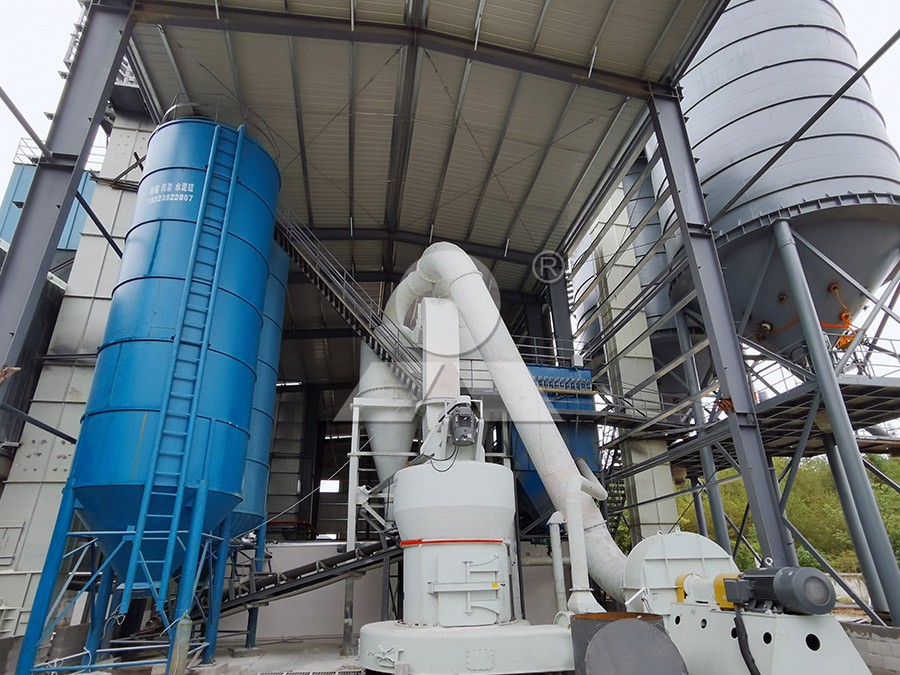
For larger-scale operations or those requiring integrated drying, the LUM Ultrafine Vertical Grinding Mill is another excellent choice. With an input size of 0-10 mm and capacity of 5-18 tph, it integrates grinding, classifying, and transporting. Its reversible structure allows grinding rollers to be easily moved out for maintenance, drastically reducing downtime for wear part inspection or replacement—a significant advantage when maintenance expertise is limited locally.
Implementing a Future-Proof Grinding Line
Integrating an advanced pulverizer like the MW or LUM mill into a Philippine tile plant involves more than just installing a machine. It requires a system approach: from raw talc feeding and pre-crushing to grinding, powder collection, and packaging. The fully sealed, negative-pressure design of these mills prevents talc dust from escaping, protecting both workers’ health and other machinery. The digitalized, high-precision manufacturing of these mills guarantees consistent performance and product quality batch after batch, which is the foundation for building a reputation for superior ceramic tiles.
In conclusion, as the Philippine ceramic tile industry advances, the technology behind raw material processing must keep pace. Investing in a dedicated, high-efficiency ultrafine grinding mill for talc is an investment in product quality, cost control, and sustainable production. By choosing a solution like the MW Ultrafine Grinding Mill, manufacturers gain a reliable partner to produce the consistent, high-quality talc powder that is fundamental to creating tiles that meet the aesthetic and performance demands of today’s market.
Frequently Asked Questions (FAQs)
- What is the typical fineness range required for talc in ceramic tile bodies and glazes?
For tile bodies, talc is often ground to between 400-800 meshes. For glaze applications, a finer powder of 1250-2500 meshes is typically required to ensure a smooth, defect-free surface. - How does the energy consumption of the MW Ultrafine Grinding Mill compare to a traditional ball mill for talc?
The MW Mill is designed for significantly higher energy efficiency. In practical applications for talc grinding, it can achieve similar or finer fineness with energy consumption savings of 30-50% compared to a conventional ball mill system. - Can these mills handle the humidity sometimes present in raw talc sourced in the region?
While the MW Mill is primarily for grinding, if the talc has high surface moisture, a pre-drying step is recommended. The LUM Vertical Mill, however, has stronger integrated drying capabilities and can handle materials with a certain degree of moisture more effectively. - What is the expected wear life of grinding parts like rollers and rings when processing talc?
Talc is a relatively soft mineral (Mohs 1), leading to exceptionally low wear on grinding components. In mills like the MW or LUM, the wear-resistant alloy rollers and rings can typically operate for thousands of hours before requiring inspection or replacement, ensuring low operating costs. - Is technical support and training available locally in the Philippines for installation and operation?
Yes, reputable manufacturers like LIMING provide comprehensive technical support. This includes installation supervision, commissioning, and operator training to ensure the mill is integrated smoothly and runs optimally from day one. - How is the final powder fineness controlled and adjusted on the MW Mill?
Fineness is precisely controlled by adjusting the frequency of the analyzer (cage-type powder selector). This is done via a simple control panel, allowing operators to quickly switch between different fineness targets for different production batches. - What are the main factors to consider when deciding between the MW Mill and a vertical mill like the LUM for a new project?
Key factors include required capacity, need for integrated drying, available plant height (vertical mills are taller), and maintenance preferences. The MW Mill offers exceptional flexibility in fineness adjustment and simpler internal access, while the LUM offers excellent drying and high capacity in a single footprint.