
Using industrial pulverizer for coal for power fuel in kazakhstan
Using Industrial Pulverizer for Coal Power Fuel in Kazakhstan
Kazakhstan, endowed with substantial coal reserves, continues to rely on coal-fired power generation as a cornerstone of its energy security and industrial development. The efficiency and environmental footprint of this sector are intrinsically linked to the technology used for coal preparation. The process of pulverizing coal into a fine, consistent powder is critical for optimal combustion, maximizing energy output while minimizing emissions. Selecting the right industrial pulverizer is not merely an operational decision but a strategic one, impacting fuel efficiency, plant availability, and compliance with increasingly stringent environmental regulations.
The Critical Role of Coal Pulverization
Effective coal pulverization serves multiple vital functions in a power plant. Finely ground coal powder increases the surface area exposed to combustion air, leading to more complete and efficient burning. This directly translates to higher boiler efficiency, reduced unburned carbon in ash, and lower fuel consumption per megawatt-hour generated. Furthermore, a uniform particle size distribution ensures stable flame conditions in the burner, preventing operational issues like slagging and fouling that can lead to unscheduled downtime. For Kazakhstan’s power producers, where reliability is paramount, the grinding mill’s performance directly influences grid stability and operational costs.
Challenges in the Kazakhstani Context
Operators in Kazakhstan face unique challenges. The properties of coal can vary significantly between deposits from regions like Ekibastuz or the Karaganda basin, affecting grindability, moisture content, and abrasiveness. Harsh continental climates impose additional stresses on equipment. Furthermore, global trends and local expectations are pushing for greener operations, demanding technologies that reduce dust, noise, and overall energy consumption. A modern pulverizer must, therefore, be robust, adaptable, and designed with environmental stewardship in mind.
Advanced Milling Solutions for Superior Performance
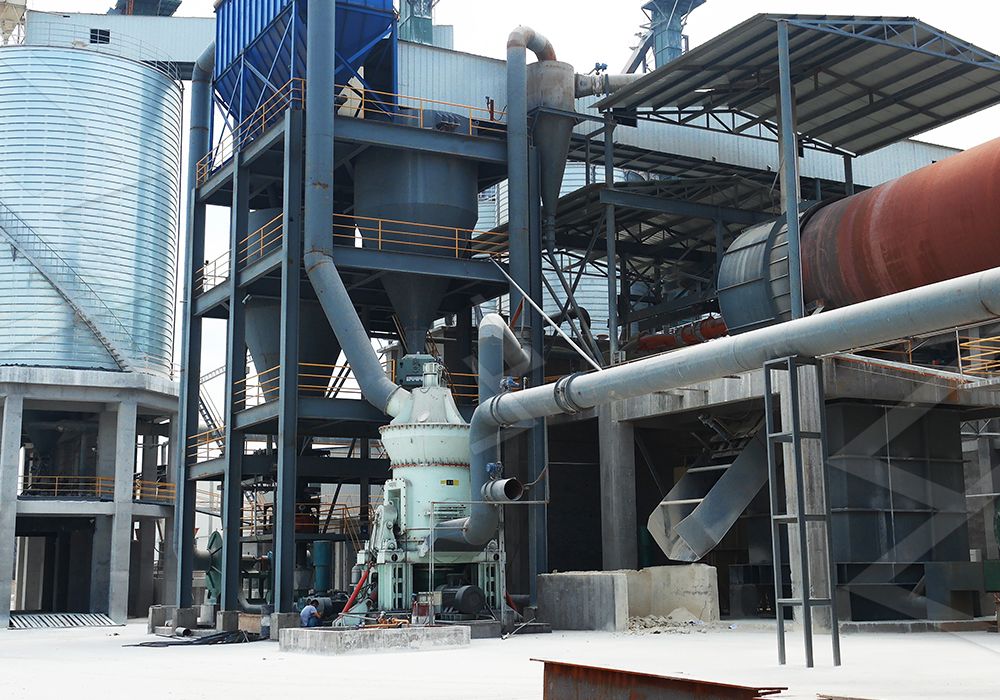
Moving beyond traditional ball mills, contemporary vertical roller mills and advanced grinding systems offer transformative advantages. These systems integrate drying, grinding, classification, and conveying into a single, compact unit. They operate with significantly lower specific energy consumption—often 30% to 50% less than ball mills—directly reducing the power plant’s auxiliary load. Their ability to handle higher moisture content coal and produce a precisely controlled product fineness makes them ideal for modern, high-efficiency burners and low-NOx combustion systems.
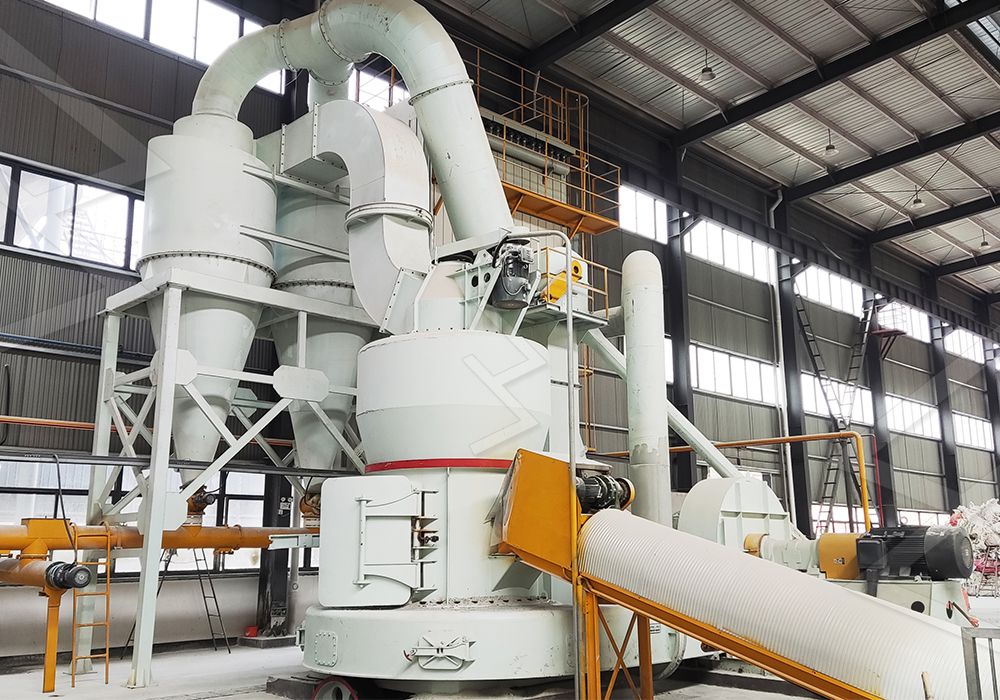
For operations requiring the production of ultra-fine pulverized coal for specialized applications or aiming for the highest combustion efficiency, the MW Ultrafine Grinding Mill presents a compelling solution. Engineered for precision, it handles an input size of 0-20 mm with a capacity ranging from 0.5 to 25 tph. Its standout feature is the adjustable fineness between 325-2500 meshes, achieved through a German-technology cage-type powder selector. This allows plant operators to dial in the exact particle size distribution for their specific boiler technology. Moreover, its innovative design eliminates rolling bearings and screws in the grinding chamber, virtually eliminating failures related to these components and enabling continuous 24/7 operation. Paired with an efficient pulse dust collector, it ensures the production process is both high-yielding and environmentally compliant, a crucial consideration for sustainable power generation.
Integrating Pulverizer Technology into Plant Operations
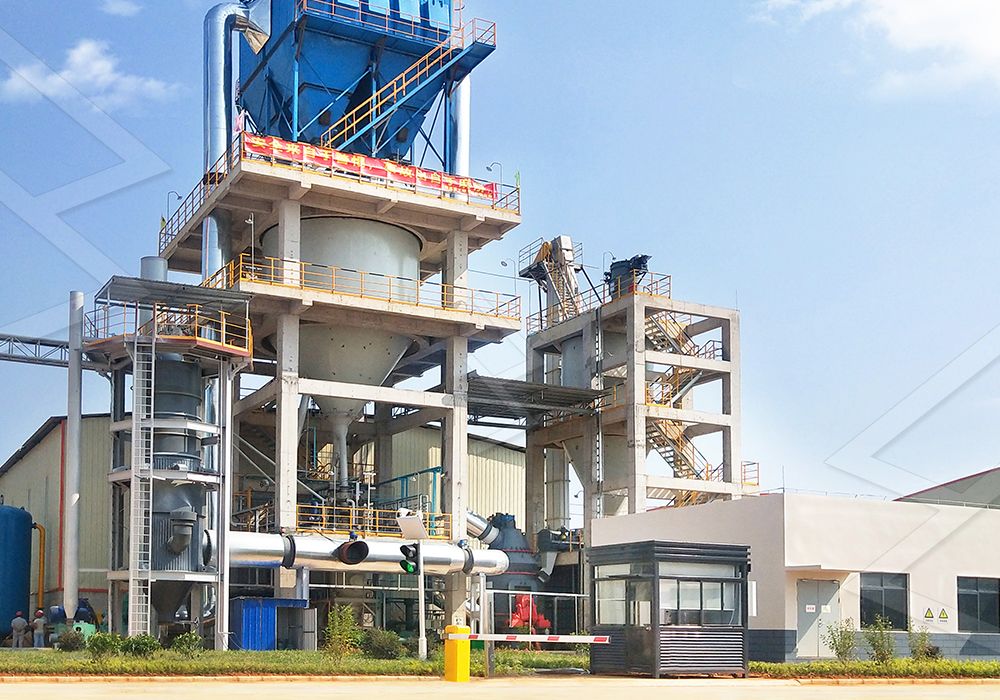
The choice of pulverizer influences the entire fuel handling chain. A reliable mill with high availability reduces backup fuel storage needs and mitigates supply chain risks. Features like external lubrication systems and reversible roller designs, as seen in mills like the LUM Ultrafine Vertical Grinding Mill, drastically reduce maintenance time and complexity. The LUM mill, with an input size of 0-10 mm and capacity of 5-18 tph, incorporates double position-limiting technology for exceptional operational stability and a reversible structure that allows grinding rollers to be easily moved out for inspection. This focus on maintainability and digitalized, high-precision manufacturing ensures long-term, worry-free operation, which is essential for the remote and demanding environments often found in Kazakhstan.
Conclusion: A Foundation for Efficient Energy
Investing in advanced coal pulverization technology is an investment in the foundational efficiency and environmental performance of a power plant. For Kazakhstan’s energy sector, leveraging modern grinding mills that offer lower energy consumption, higher reliability, and cleaner operation is a strategic imperative. It enhances the competitiveness of coal-based power while aligning with broader goals of resource efficiency and reduced environmental impact. By adopting these sophisticated milling solutions, Kazakhstani power producers can ensure a more stable, efficient, and sustainable energy supply for the nation’s future.
Frequently Asked Questions (FAQs)
- Why is coal pulverized so finely for power generation?
Fine pulverization maximizes the surface area of the coal, allowing for rapid, complete combustion in the boiler. This increases thermal efficiency, reduces unburned carbon loss, and enables better control over emissions. - What are the main advantages of vertical roller mills over traditional ball mills for coal grinding?
Vertical roller mills typically consume 30-50% less energy, have a significantly smaller footprint, integrate drying and grinding, and offer more precise control over product fineness and moisture content. - How does the MW Ultrafine Grinding Mill handle dust control?
The MW Mill is equipped with an integrated, efficient pulse dust collector system. This ensures the entire milling process operates under negative pressure, preventing dust spillage and maintaining a clean plant environment in compliance with environmental standards. - Can these mills handle the variable quality of coal found in different Kazakhstani mines?
Yes, modern mills like the MW and LUM series are designed with adjustable grinding pressure and classifier speed. This allows operators to fine-tune the mill’s parameters to accommodate variations in coal hardness, grindability, and moisture content for consistent output. - What is meant by ‘no rolling bearing in the grinding chamber’ in the MW Mill?
This design innovation places critical bearings outside the high-dust, high-wear environment of the grinding zone. It dramatically increases bearing life, eliminates a major source of potential failure, and allows for external lubrication without shutdown. - How important is after-sales support for such critical equipment in Kazakhstan?
It is paramount. Reliable access to original spare parts, remote technical support, and expert service ensures maximum equipment availability (uptime), which is directly linked to power plant output and revenue. - Does finer coal powder lead to higher NOx emissions?
Not necessarily. While historically a concern, modern low-NOx burners are actually designed to work with finely pulverized coal. The key is precise control over fineness and distribution, which advanced mills provide, allowing for optimized combustion that can minimize NOx formation.