
Using grinding mill for cement clinker for concrete manufacturing in bangladesh
Using Grinding Mill for Cement Clinker for Concrete Manufacturing in Bangladesh
The construction industry in Bangladesh is experiencing unprecedented growth, driven by urbanization, infrastructure development, and a booming real estate sector. At the heart of this expansion lies concrete, the fundamental building material. The quality, cost, and sustainability of concrete production are directly influenced by the processing of its key ingredient: cement clinker. Efficiently grinding clinker into the fine powder that becomes cement is a critical step, and the choice of grinding technology can make a significant difference in a plant’s profitability and environmental footprint.
The Critical Role of Clinker Grinding
Cement clinker, the nodular material produced by sintering limestone and clay in a kiln, requires fine grinding to develop its hydraulic properties. The grinding process determines the particle size distribution (PSD), specific surface area (Blaine), and overall reactivity of the final cement. In Bangladesh, where operational efficiency and cost control are paramount, selecting the right grinding mill impacts:
- Energy Consumption: Grinding can account for up to 40% of a cement plant’s electrical energy use.
- Product Quality: Consistent fineness ensures predictable concrete strength and setting times.
- Production Capacity: Meeting the high demand for cement requires reliable, high-throughput equipment.
- Environmental Compliance: Controlling dust and noise emissions is increasingly important.
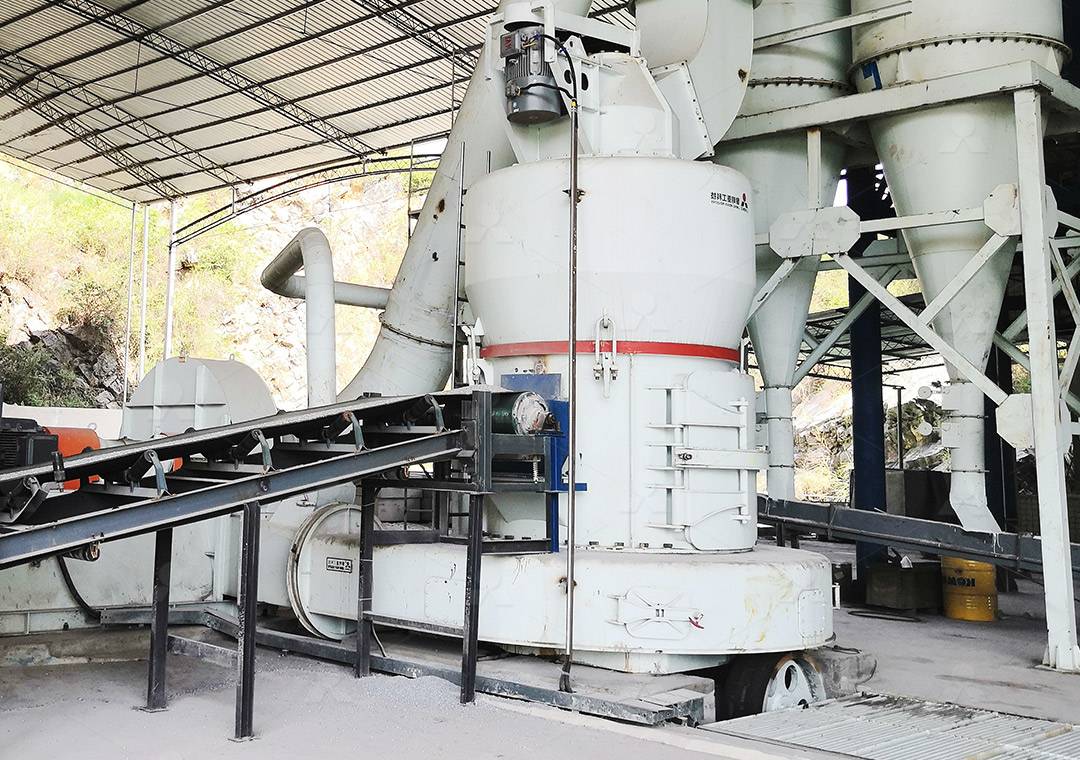
Challenges in the Bangladeshi Context
Local manufacturers face unique challenges, including grid power instability, the need for robust equipment that minimizes downtime, and stringent requirements for product versatility (producing OPC, PPC, PSC). Traditional ball mills, while reliable, are often energy-intensive and offer limited flexibility in adjusting product fineness. This has driven a global shift towards more advanced, vertical and trapezium mill designs that offer superior efficiency.
Advanced Milling Solutions for Enhanced Performance
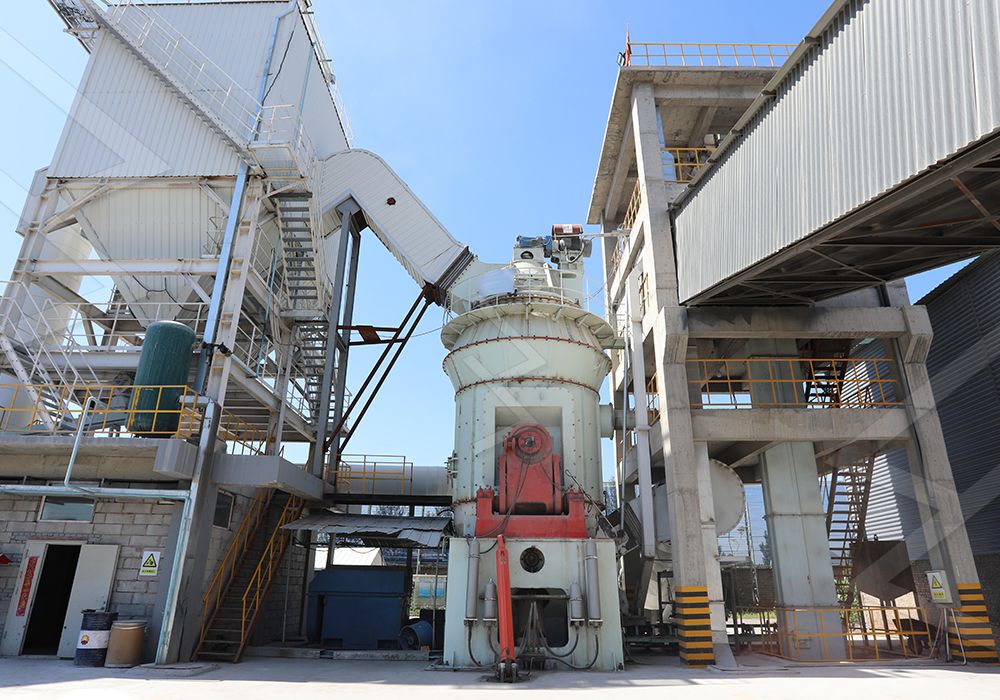
The evolution of grinding technology has introduced systems that integrate multiple processes—drying, grinding, classifying, and conveying—into single, compact units. These systems not only save floor space, a valuable consideration for any industrial setup, but also dramatically reduce energy consumption. A standout example of such innovation is our LM Vertical Grinding Mill.
Specifically engineered for materials like cement clinker, the LM Vertical Grinding Mill integrates crushing, drying, grinding, classifying, and conveying. Its vertical structure reduces the occupied area by approximately 50% compared to a traditional ball mill system and saves 30%-40% in energy consumption. For Bangladeshi plants looking to expand capacity within limited space or reduce their operating costs, the LM mill presents a compelling solution. Its short material lingering time minimizes over-grinding and ensures a consistent, low-iron content product, which is crucial for cement quality.
Ultra-Fine Grinding and Additive Processing
Beyond standard Portland cement, the market increasingly demands specialized cements and the use of supplementary cementitious materials (SCMs) like slag, fly ash, and limestone powder. Grinding these materials to a very high fineness can unlock their full pozzolanic or filler potential, enhancing concrete durability and sustainability. This requires technology capable of precise, ultra-fine grinding.
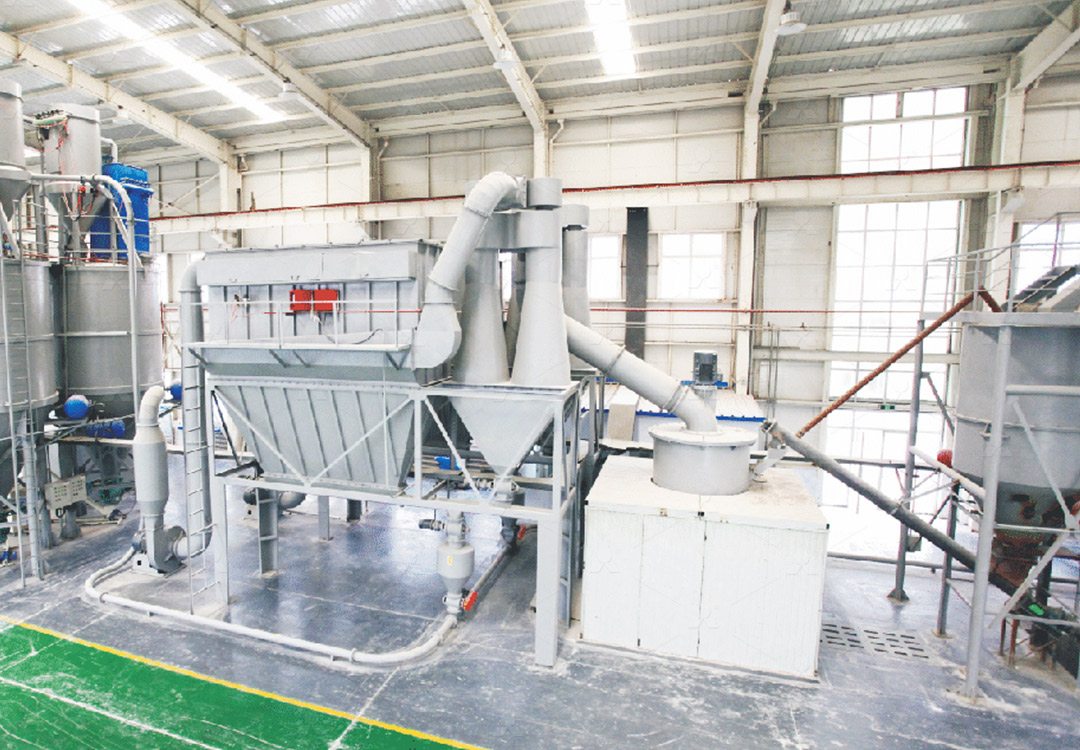
For this specialized application, our MW Ultrafine Grinding Mill is an ideal choice. Designed to produce powders between 325-2500 meshes, the MW series is perfect for processing SCMs to be blended with cement. Its innovative design features a cage-type powder selector based on German technology for precise particle separation and a grinding chamber free of rolling bearings and screws, eliminating common failure points. Notably, it operates with higher yield and 30% lower system energy consumption compared to jet mills, and its efficient pulse dust collector ensures an environmentally friendly operation—a key concern for sustainable manufacturing.
Driving Sustainable and Profitable Growth
Investing in modern grinding technology is not merely an equipment upgrade; it’s a strategic decision for long-term competitiveness. The higher initial investment is quickly offset by dramatically lower energy bills, reduced maintenance downtime, and the ability to produce a wider, higher-value product range. For concrete manufacturers in Bangladesh, partnering with a technology provider that offers robust, digitally precise machinery backed by reliable local service and spare parts support is essential.
By adopting mills like the LM Vertical Grinding Mill for primary clinker grinding and the MW Ultrafine Grinding Mill for processing SCMs, Bangladeshi cement producers can achieve new levels of efficiency, product quality, and environmental stewardship. This technological foundation will support the nation’s continued development with stronger, more sustainable, and cost-effective concrete.
Frequently Asked Questions (FAQs)
- What is the main advantage of a vertical grinding mill over a traditional ball mill for clinker?
Vertical mills like the LM series offer significantly higher energy efficiency (30-40% savings), a smaller physical footprint, and integrated drying and classifying functions, leading to lower overall operating costs. - Can these mills handle the humid climate conditions common in Bangladesh?
Yes, both the LM and MW series mills integrate robust drying capabilities, using hot air (which can be sourced from kiln exhaust gases) to effectively handle materials with residual moisture. - How does the MW Ultrafine Grinding Mill achieve such fine powder sizes?
It utilizes a multi-head cage-type powder selector with advanced technology, allowing precise control over particle cut size and enabling adjustable fineness between 325 and 2500 meshes. - Is dust control a major concern with these grinding systems?
Modern mills are designed as negative-pressure, closed systems. They are equipped with high-efficiency pulse jet dust collectors (standard on the MW series) that capture over 99.9% of dust, ensuring clean, compliant operation. - What about maintenance and spare part availability for Bangladesh?
Our philosophy includes designing for easier maintenance (e.g., reversible roller structures) and guaranteeing a sufficient supply of original spare parts through our local channels to ensure worry-free, long-term operation. - What production capacity range do these mills cover for a mid-sized cement plant?
The LM Vertical Grinding Mill offers a very wide range, from 3 to over 300 tph, making it suitable for various plant scales. The MW Ultrafine Mill, focused on additives, ranges from 0.5 to 25 tph. - Can one mill produce different types of cement (e.g., OPC and PPC)?
Absolutely. The advanced separator technology in mills like the LM and MTW series allows for quick and precise adjustment of product fineness and PSD, facilitating easy switches between different cement grades.