
Using grinding machine for slag for metal recovery in kenya
Unlocking Value from Industrial Byproducts: The Kenyan Opportunity
Across Kenya’s growing industrial landscape, from steel production in Mombasa to manufacturing hubs in Nairobi and Eldoret, a significant volume of industrial slag is generated annually. Traditionally viewed as waste, this material often contains valuable metallic components that, if recovered, can contribute to resource efficiency, reduce environmental burdens, and create new revenue streams. The process of metal recovery from slag hinges on one critical operation: efficient and fine grinding to liberate encapsulated metal particles from the silicate matrix. This article explores the technical considerations, economic viability, and optimal machinery selection for establishing a successful slag processing and metal recovery operation in the Kenyan context.
The Science of Liberation: Why Grinding is Paramount
Slag, a byproduct of smelting and refining processes, is a complex mixture of oxides and silicates with entrapped metal droplets or fragments. Primary crushing breaks the slag into manageable pieces, but true liberation of metal content requires reducing the material to a fine powder. This exposes the metal particles, allowing subsequent separation processes—such as magnetic separation for ferrous metals or gravity separation for non-ferrous metals—to function effectively. The fineness of grind directly correlates with recovery rates; a finer powder typically yields higher metal extraction. However, this must be balanced against energy consumption and operational costs, making the choice of grinding technology a decisive factor for profitability.
Operational Challenges in the Kenyan Market
Establishing a slag processing plant in Kenya presents unique challenges. Consistent and high-quality power supply can be a concern, favoring equipment with high energy efficiency. Dust control is not only an environmental regulation imperative but also a critical workplace health and safety issue. Furthermore, the availability of technical expertise for complex maintenance argues for machinery with robust, simple designs and reliable local support for spare parts. Equipment must be versatile enough to handle varying slag compositions from different industries and feature adjustable fineness to cater to different end-market specifications for the recovered metal powder.

Selecting the Right Grinding Technology: A Focus on Efficiency and Stability
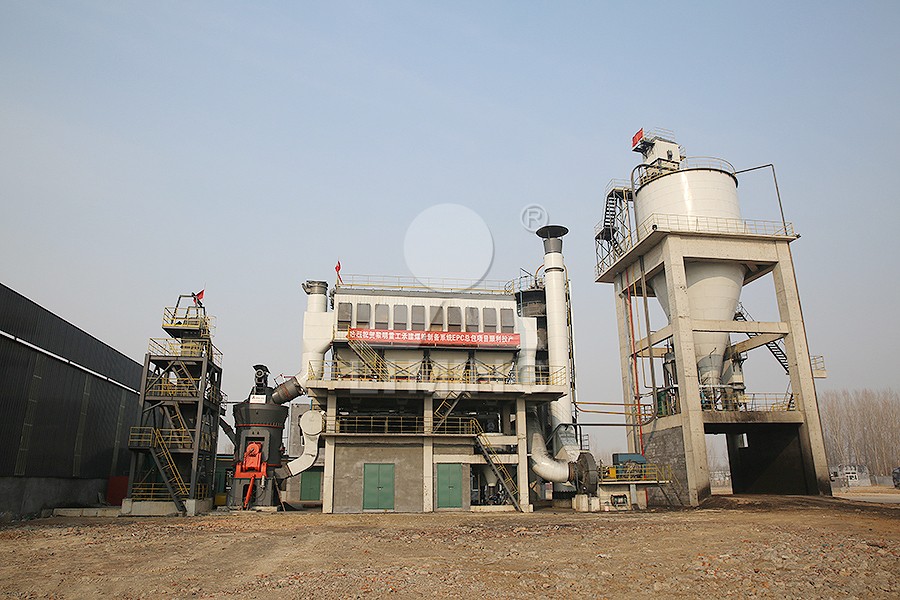
While several grinding mill types exist, vertical grinding mills have emerged as a superior solution for slag processing due to their integrated drying, grinding, and classifying functions. For dedicated slag milling, the LM Vertical Slag Mill is specifically engineered for this task. Integrating drying, grinding, powder selection, and conveying into a single unit, it reduces the plant footprint significantly—a valuable advantage where space is at a premium. Its energy consumption is notably 30% to 40% lower than traditional ball mill systems, a crucial factor for cost-sensitive operations. The mill’s ability to handle input sizes up to 65mm and its stable, negative-pressure operation ensure minimal dust spillage, aligning with stringent environmental standards.
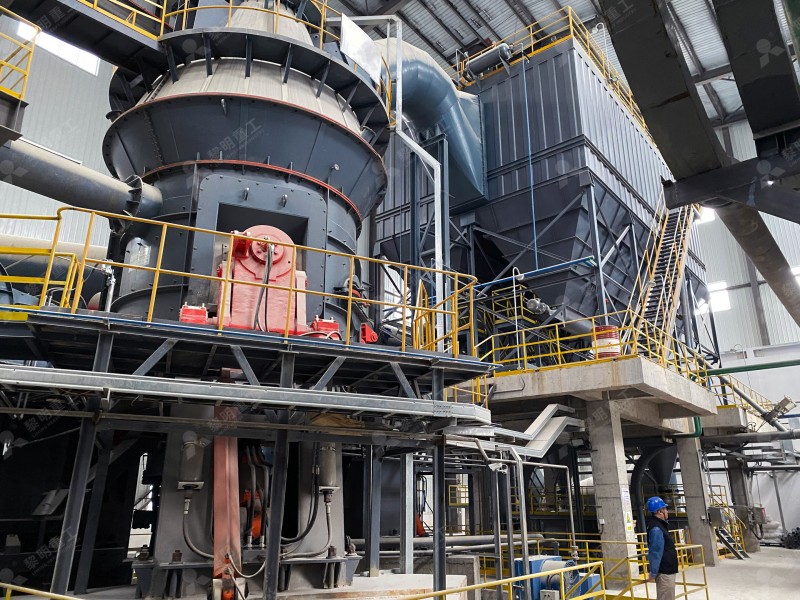
For operations targeting ultra-fine powders to maximize metal liberation from complex slags, or for processing other valuable non-metallic minerals prevalent in Kenya, the MW Ultrafine Grinding Mill presents a compelling option. This machine excels in producing powders between 325 to 2500 meshes, a fineness range that can unlock even the most stubbornly embedded metallic particles. A standout feature is its design without rolling bearings or screws in the grinding chamber, eliminating common failure points and concerns about loose components causing damage. This translates to higher operational reliability and reduced downtime. Furthermore, its external lubrication system allows for maintenance without shutdowns, supporting continuous 24/7 production—a key to meeting throughput targets. Coupled with its efficient pulse dust collector, it ensures an eco-friendly operation that protects both workers and the local environment.
Building a Sustainable and Profitable Model
The economic case for slag metal recovery in Kenya strengthens when considering the rising costs of virgin metals and growing emphasis on circular economy principles. By investing in advanced grinding technology like the LM Vertical Slag Mill or the MW Ultrafine Grinding Mill, operators can achieve high recovery yields with controlled operational expenses. The recovered metal can be sold back to foundries or steel plants, while the remaining inert mineral powder can find applications in cement blending or construction, creating a near-zero-waste business model. This not only generates profit but also positions a company as a leader in sustainable industrial practice within the East African Community.
Conclusion
The strategic processing of slag for metal recovery represents a tangible opportunity for industrial growth and environmental stewardship in Kenya. Success hinges on deploying the right grinding technology—equipment that is energy-efficient, environmentally sound, reliable, and capable of delivering the precise fineness required for high metal liberation. By focusing on these technical fundamentals, Kenyan entrepreneurs and established industries can transform a liability into a valuable asset, contributing to both economic resilience and a cleaner future.
Frequently Asked Questions (FAQs)
- What is the typical metal recovery rate we can expect from slag using these mills?
Recovery rates are highly dependent on the slag’s origin and metal content. With proper liberation via fine grinding, rates for ferrous metals can often range from 8% to 15% by weight, sometimes higher for specific slag types. A thorough analysis of your feedstock is recommended. - Are these grinding mills suitable for other materials besides slag?
Absolutely. The LM Vertical Slag Mill is specialized for slag but based on robust vertical mill technology. The MW Ultrafine Grinding Mill is highly versatile, designed for limestone, calcite, dolomite, barite, and many other non-metallic minerals, offering diversification potential for your processing plant. - How significant are the energy savings with these mills compared to traditional ball mills?
Savings are substantial. The vertical mill structure typically reduces energy consumption by 30%-50% for the same output. The MW Ultrafine Mill’s efficient design also operates at a fraction of the energy cost of older jet or ball mill systems for ultra-fine grinding. - What kind of after-sales support and spare parts availability is there in Kenya?
Reputable manufacturers like LIMING, which produces the highlighted mills, are responsible for their own production and sales, offering technical services and guaranteeing the supply of original spare parts to ensure worry-free operation, which is critical for remote support. - How do we control the fineness of the final powder product?
Both mills feature advanced powder separating technology. The MW Mill uses a cage-type selector allowing precise adjustment between 325-2500 meshes. The LM Vertical Mill uses a separator with a rotor; fineness is controlled by adjusting the rotor’s speed, allowing for dynamic changes based on product requirements. - Is the installation and maintenance of this equipment complex?
The design philosophy emphasizes ease of maintenance. Features like the external lubrication of the MW Mill and the reversible structure/hydraulic system of LUM series mills allow key components like grinding rollers to be easily accessed and serviced, reducing downtime and technical complexity. - What are the main environmental benefits of using this closed-system grinding approach?
The systems operate under negative pressure with integrated high-efficiency pulse dust collectors, virtually eliminating dust pollution. Noise is mitigated through mufflers and mill design. This closed-loop approach meets and often exceeds national environmental protection standards.