
Using grinding machine for quicklime for steel flux in kuwait
Using Grinding Machines for Quicklime Steel Flux Production in Kuwait: A Technical and Operational Perspective
The steel industry in Kuwait, a cornerstone of the nation’s industrial diversification strategy, relies heavily on high-quality raw materials to maintain its competitive edge. Among these, quicklime (calcium oxide, CaO) serves as a critical fluxing agent in both basic oxygen and electric arc furnace processes. Its primary functions include removing impurities like silica, phosphorus, and sulfur to form slag, protecting the furnace lining, and improving the fluidity of the molten metal. The efficacy of quicklime in these roles is intrinsically linked to its physical properties—specifically its fineness, purity, and reactivity. This is where the selection and operation of advanced grinding technology become paramount.
Kuwait’s harsh climatic conditions, characterized by extreme heat, dust, and aridity, present unique challenges for industrial equipment. Grinding machinery must not only deliver precise particle size distribution but also demonstrate exceptional reliability, energy efficiency, and environmental compliance under these demanding circumstances. Traditional ball mills, while common, often fall short in terms of energy consumption, heat generation (a significant concern in Kuwait’s climate), and achieving the ultra-fine consistencies required for optimal slag formation and reaction speed in modern steelmaking.
The Critical Role of Particle Size in Flux Performance
For quicklime used as a steel flux, the target fineness typically ranges from 200 to 325 mesh (74 to 44 microns), though some advanced processes demand even finer powders. Finer quicklime dissolves more rapidly in the slag, leading to faster and more efficient impurity removal, reduced flux consumption, and improved process control. Inconsistent or coarse particles can result in slower reaction times, uneven slag chemistry, and increased refractory wear. Therefore, the grinding system must offer precise and adjustable control over the final product’s particle size distribution.
Navigating Kuwait’s Operational Environment
Operational considerations in Kuwait extend beyond mere grinding capacity. Equipment must be designed to minimize downtime—a crucial factor given the continuous nature of steel production. The abrasive nature of quicklime demands wear-resistant components, while the climate necessitates robust sealing and cooling systems to prevent overheating and maintain consistent performance. Furthermore, environmental regulations and the need for worker safety make dust containment and noise reduction non-negotiable features. A grinding solution that neglects these aspects can lead to increased maintenance costs, production stoppages, and regulatory non-compliance.
Advanced Grinding Solutions for Modern Demands
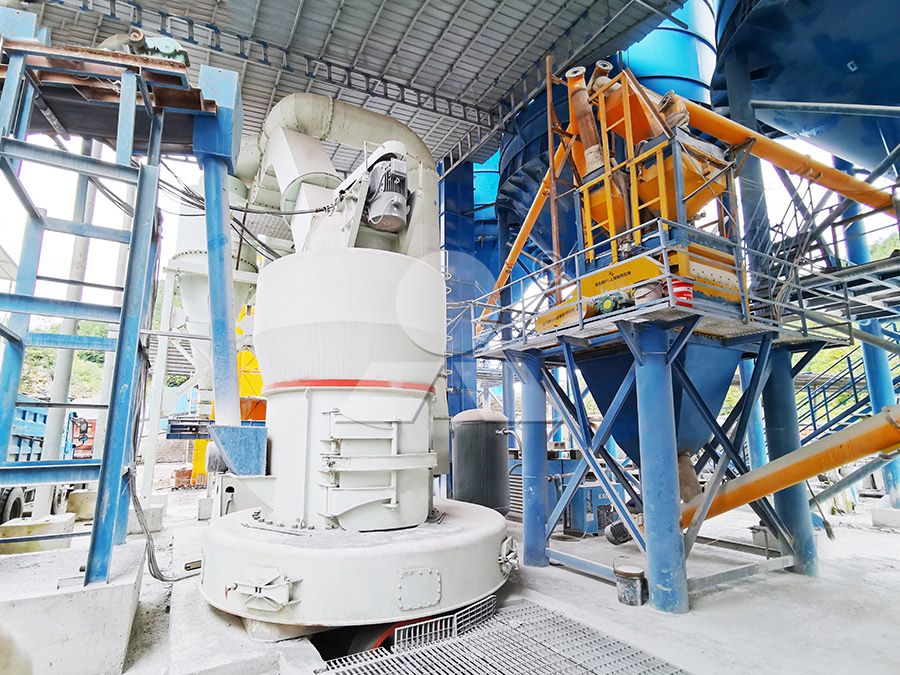
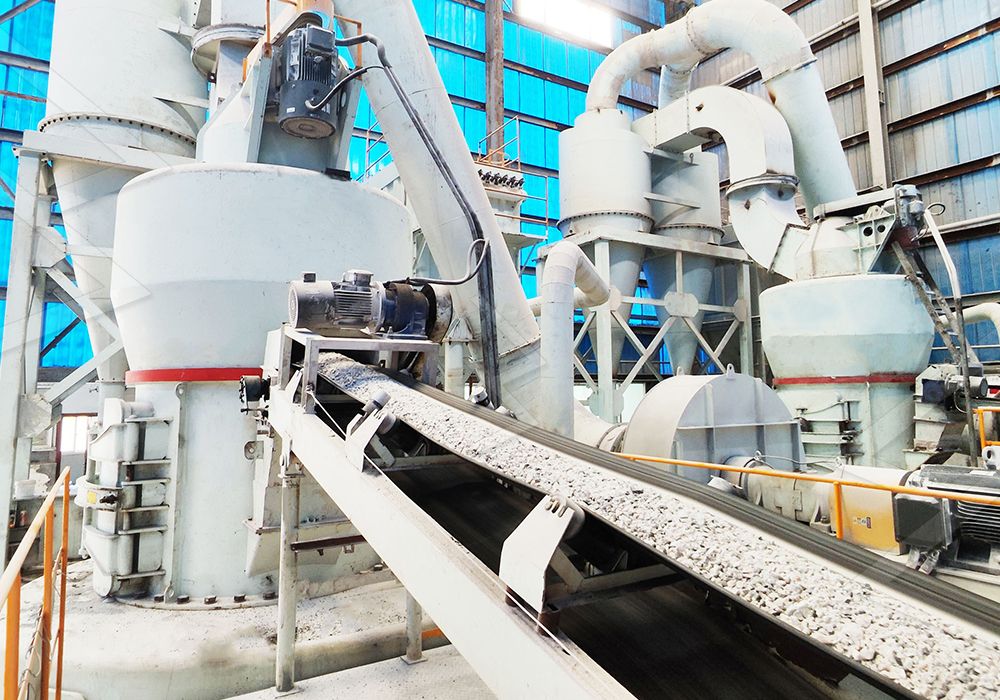
This is where innovative grinding mill technology makes a definitive impact. Moving beyond conventional systems, modern vertical roller mills and ultra-fine grinding mills are engineered to address these multifaceted challenges directly. For operations in Kuwait requiring high-capacity production of quicklime flux within the standard fineness range, the LM Vertical Grinding Mill presents a compelling solution. Its integrated drying, grinding, and classifying system is particularly advantageous, handling input sizes up to 70mm with capacities reaching 340 tph. The vertical structure reduces the footprint by approximately 50% compared to ball mills—a benefit for space-constrained sites—while saving 30%-40% in energy consumption. Its sealed, negative-pressure operation ensures a dust-free environment, and the short material retention time minimizes over-grinding and reduces the risk of product contamination.
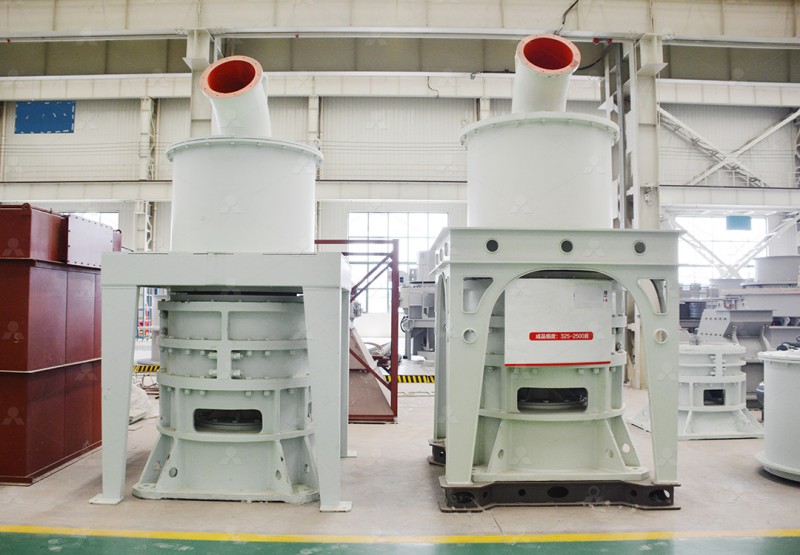
For steel flux producers aiming to achieve superior reactivity through ultra-fine or consistently high-purity quicklime powder, the MW Ultrafine Grinding Mill is a specialized tool of exceptional merit. This mill is designed for customers who need to make ultra-fine powder, producing fineness adjustable between 325-2500 meshes. Its cage-type powder selector, employing German technology, ensures high precision in particle separation, achieving a screening rate of d97≤5μm in a single pass. A key feature for reliability in remote or demanding locations like Kuwait is its design with no rolling bearings or screws in the grinding chamber, eliminating common failure points and concerns about seal damage or loose components. Furthermore, it is equipped with an efficient pulse dust collector and muffler, making the entire production process eco-friendly with minimal dust and noise pollution—a critical consideration for sustainable industrial operations.
Ensuring Long-Term Viability and Support
Investing in capital equipment in Kuwait necessitates a long-term partnership with the supplier. Beyond the machine’s specifications, factors such as the availability of original spare parts, local technical support, and training are vital. A manufacturer that takes full responsibility for its machines, from production to after-sales service, provides invaluable peace of mind. The assurance of a sufficient supply of genuine spare parts and expert technical services ensures worry-free operation, maximizes equipment lifespan, and protects the return on investment against unforeseen operational disruptions.
Conclusion
The production of high-quality quicklime flux for Kuwait’s steel industry is a precision-driven process that directly influences metallurgical efficiency, product quality, and operational cost. By adopting advanced grinding technologies like the LM Vertical Grinding Mill for high-volume production or the MW Ultrafine Grinding Mill for specialized, ultra-fine applications, producers can achieve significant gains in energy efficiency, product consistency, and environmental compliance. Choosing a robust, intelligently designed mill backed by strong technical support is not merely an equipment purchase; it is a strategic decision that enhances the reliability, sustainability, and competitiveness of steel production in the Gulf region.
Frequently Asked Questions (FAQs)
- What is the ideal fineness for quicklime used as a steel flux?
While it varies by specific process, most steelmaking applications require quicklime ground to between 200 and 325 mesh (74-44 microns). Finer powders, achievable with mills like the MW series, can increase reactivity and efficiency further. - How does the climate in Kuwait affect grinding mill operation?
The extreme heat can challenge cooling systems and affect lubrication. Choosing mills with external lubrication systems, robust sealing, and stable mechanical designs (like the no-bearing-in-chamber feature of the MW mill) is crucial for reliable performance. - Can the same mill handle both grinding and drying of quicklime?
Yes, integrated mills like the LM Vertical Grinding Mill combine crushing, drying, grinding, and classifying in one unit, which is highly efficient and reduces the overall system footprint. - Why is dust control so important in a grinding plant?
Beyond environmental and health regulations, quicklime dust is abrasive and can damage other equipment. Efficient pulse dust collectors, standard on mills like the MW and LM series, are essential for protecting both the plant and the workforce. - What are the main advantages of a vertical roller mill over a traditional ball mill for this application?
Key advantages include 30-50% lower energy consumption, significantly smaller footprint, integrated drying capability, lower noise levels, and better control over particle size distribution. - How is particle size fineness controlled in these advanced mills?
Fineness is precisely controlled through advanced powder separators. For instance, the MW Ultrafine Grinding Mill uses a cage-type selector with German technology for accurate cuts, while LM mills feature multi-head separating technology for flexible adjustments. - What kind of after-sales support should I expect for operating in Kuwait?
Look for a manufacturer that provides comprehensive technical services, readily available original spare parts, and potentially local agent support to ensure minimal downtime and worry-free long-term operation.