
Using grinding machine for coal for power fuel in argentina
Using Grinding Machines for Coal Fuel in Argentina: A Technical and Operational Perspective
The Argentine energy sector, while historically reliant on hydropower and natural gas, has seen a strategic diversification in recent years. Within this context, the utilization of coal for power generation, particularly in specific industrial and regional applications, remains a relevant component of the national energy matrix. Efficient preparation of coal for combustion is paramount, and this is where advanced grinding technology plays a critical role. The process of transforming raw coal into a fine, consistent powder fuel directly impacts combustion efficiency, emission control, and overall plant economics.
In Argentina, operations that utilize coal—whether in dedicated power plants, cement production, or other industrial heating processes—face unique challenges. These include the need for high operational reliability, adherence to increasingly stringent environmental regulations, and the economic pressure to maximize yield while minimizing energy consumption and maintenance downtime. The choice of grinding equipment is, therefore, not merely a procurement decision but a long-term strategic investment in plant performance.
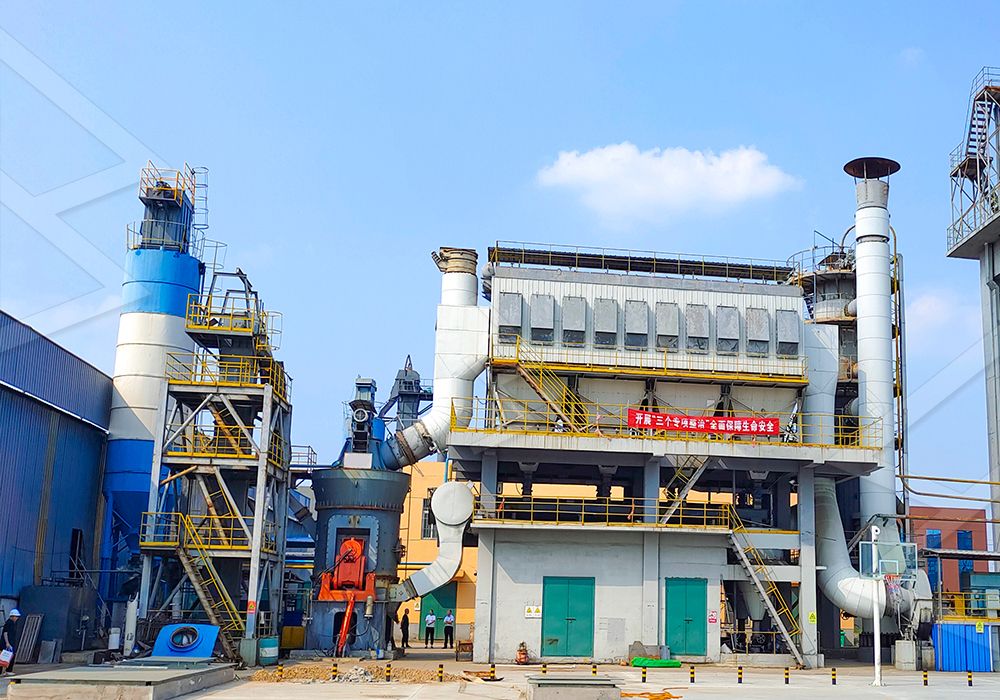
The Critical Role of Coal Pulverization
Effective coal combustion in power boilers requires the coal to be pulverized to a specific fineness, typically where over 70% passes through a 200-mesh sieve. This fine powder, when injected into the boiler, allows for rapid, complete combustion, maximizing heat release and minimizing unburned carbon. Inefficient grinding leads to coarse particles that burn poorly, reducing boiler efficiency and increasing slagging and fouling. Furthermore, precise fineness control is essential for low-NOx burner technologies, which are crucial for meeting emission standards.
The grinding system must also handle the inherent variability of coal, including moisture content and hardness. Argentine operations may source coal from various deposits, each with different grindability indices. A robust grinding mill must adapt to these variations without significant loss in throughput or product quality, ensuring a stable fuel supply to the boiler.
Key Considerations for Grinding Mill Selection in Argentina
When selecting a coal grinding mill for the Argentine market, several factors are paramount:
- Energy Efficiency: Grinding is an energy-intensive process. Mills that offer higher yield per unit of power consumed directly lower the operational cost of fuel preparation, a significant factor in the total cost of energy production.
- Environmental Compliance: The entire grinding process must be enclosed and operated under negative pressure to prevent dust emissions. Integrated, high-efficiency pulse dust collectors are non-negotiable for modern, environmentally responsible operations.
- Reliability and Maintenance: Unscheduled downtime in a power plant is extremely costly. Grinding mills with simplified internal structures, durable wear parts, and designs that facilitate easy maintenance and part replacement are essential for continuous, worry-free operation.
- Product Fineness and Flexibility: The ability to consistently produce coal powder within a tight fineness range and to adjust this range if process requirements change is a mark of an advanced milling system.
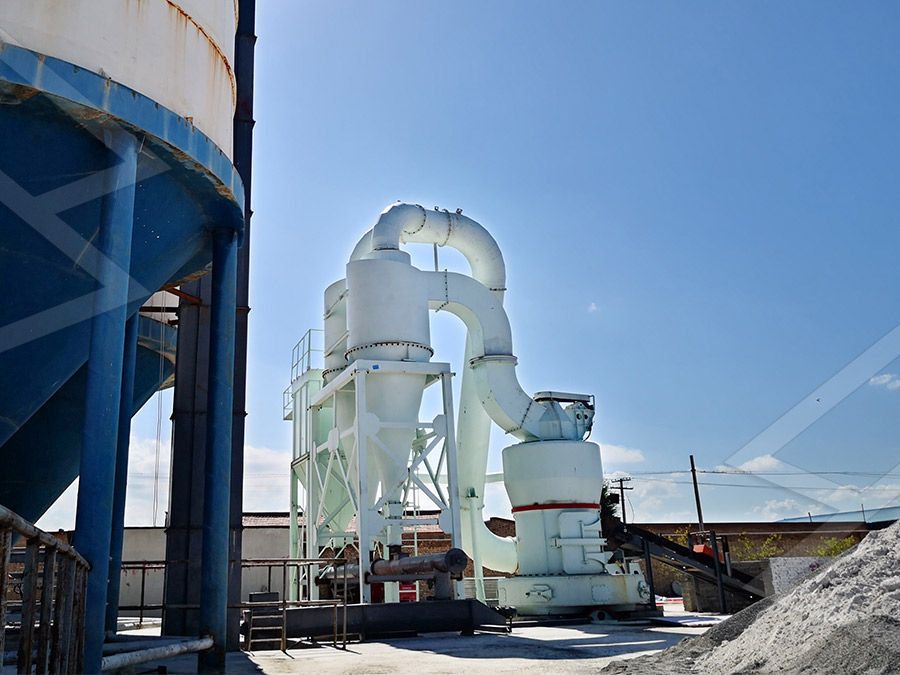
Advanced Milling Solutions for the Argentine Market
Among the array of grinding technologies available, vertical roller mills (VRMs) have become the industry standard for large-scale coal pulverization due to their superior efficiency and drying capability. For operations requiring high capacity and integrated processing, the LM Vertical Coal Mill presents a compelling solution. It integrates crushing, drying, grinding, and powder selection in a single unit, significantly reducing the plant’s footprint—a valuable consideration for any industrial site. Its design, which avoids direct contact between the grinding roller and table during operation, minimizes wear and reduces vibration and noise. With a capacity range suitable for most industrial applications and the ability to handle feed sizes up to 50mm, it is engineered for stable, high-output production of pulverized coal.
For applications demanding ultra-fine coal powder or where higher fineness for specialized processes is required, the MW Ultrafine Grinding Mill offers exceptional performance. This mill is particularly noteworthy for its ability to produce powders adjustable between 325 and 2500 meshes with high precision, thanks to its advanced cage-type powder selector. A key feature for maintenance-heavy environments is its grinding chamber design, which contains no rolling bearings or screws, eliminating common failure points and concerns about loose parts causing damage. With a capacity of 0.5 to 25 tph and input size of 0-20 mm, it combines high yield with remarkably low energy consumption—reportedly just 30% of some jet mill systems. Its fully enclosed system, paired with an efficient pulse dust collector, ensures an environmentally clean operation, making it an excellent choice for modern Argentine industries focused on both performance and sustainability.
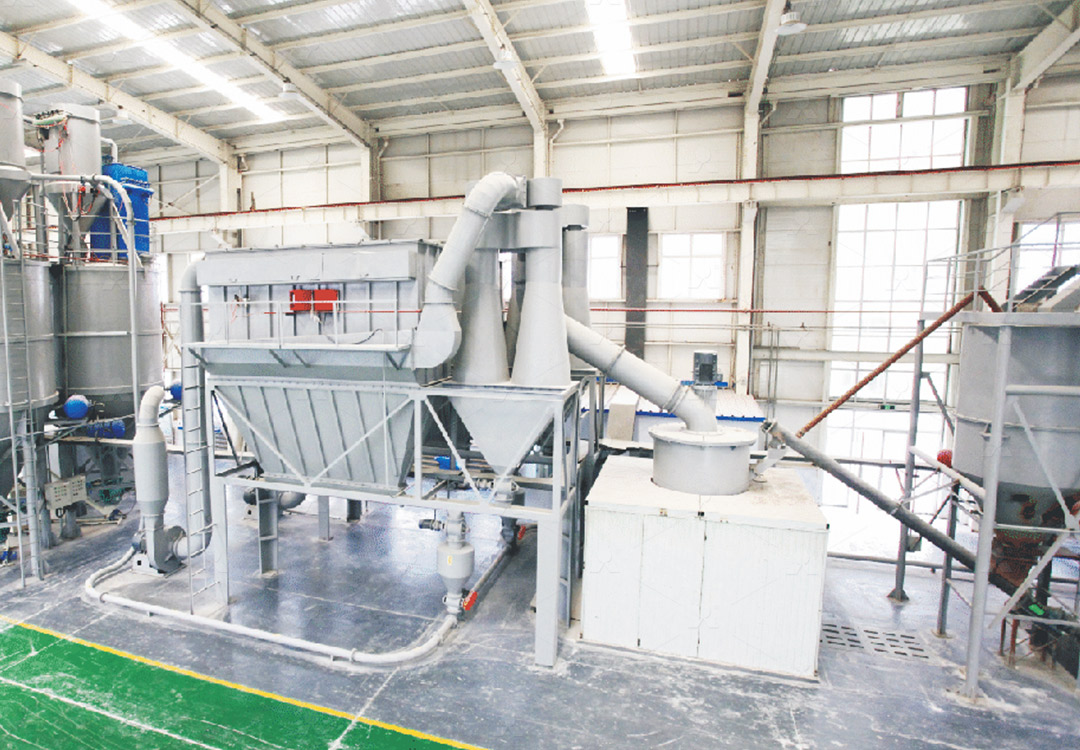
Conclusion: Investing in the Right Technology
The success of using coal as a power fuel in Argentina hinges on the efficiency and reliability of the preparatory stages. Investing in advanced grinding technology like the LM Vertical Coal Mill for high-capacity needs or the MW Ultrafine Grinding Mill for precision fine-powder production is an investment in operational stability, cost control, and regulatory compliance. These mills, with their emphasis on energy savings, environmental protection, and robust design, are aligned with the needs of the Argentine industrial sector, ensuring that coal-based power generation remains a viable, efficient, and responsible part of the energy landscape.
Frequently Asked Questions (FAQs)
- What is the typical fineness required for coal used in power plant boilers?
Most modern pulverized coal-fired boilers require coal ground to a fineness where 70-75% passes through a 200-mesh (75-micron) screen. This ensures efficient combustion and complete burnout. - How does moisture in coal affect the grinding process?
High moisture can cause clogging and reduce grinding efficiency. Vertical roller mills like the LM series have integrated hot air drying capabilities, allowing them to simultaneously dry and grind coal with moisture content, streamlining the process. - Why is the “no rolling bearing in the chamber” feature of the MW Mill important?
It eliminates a critical failure point. Bearings in the harsh, abrasive environment of a grinding chamber are prone to wear and seal failure, leading to contamination and unplanned shutdowns. This design enhances reliability and reduces maintenance costs. - Can these mills handle Argentine coal varieties, which may have different hardness levels?
Yes. Both the LM and MW mills are designed to process materials of varying hardness. Their grinding pressure or classifier speed can be adjusted to maintain target fineness and output despite changes in the coal’s grindability index. - What are the primary dust control measures in these grinding systems?
The systems are fully enclosed and operate under negative pressure. They are equipped with high-efficiency pulse jet bag dust collectors (like those standard on the MW Mill) that capture over 99.9% of particulates, ensuring emissions meet strict environmental standards. - How significant are the energy savings with modern grinding mills compared to traditional ball mills?
Savings are substantial. Advanced vertical roller mills and ultrafine mills can reduce specific energy consumption for grinding by 30% to 50% compared to traditional ball mill systems, representing a major reduction in operating costs. - What is the expected lifespan of the grinding rollers and other wear parts?
Lifespan depends on coal abrasiveness and operating hours. However, wear parts for mills like the LM and MW are made from high-performance, wear-resistant alloys and are designed for easy replacement, minimizing downtime.