
Top 5 roller mill suppliers for coal for chemical feedstock in india
Navigating the Landscape of Coal Grinding for Chemical Feedstock in India
The Indian chemical industry, a cornerstone of the nation’s manufacturing sector, relies heavily on a consistent and high-quality supply of processed raw materials. Among these, coal-derived feedstock plays a pivotal role in numerous processes, from the synthesis of ammonia and methanol to the production of various carbon-based chemicals. The efficiency, purity, and fineness of the coal powder directly influence reaction rates, catalyst life, and final product quality. Consequently, selecting the right grinding technology and a reliable supplier is not merely an operational decision but a strategic one impacting overall plant economics and product competitiveness.
This article explores the top-tier suppliers of roller mill technology in India, focusing on solutions tailored for the demanding requirements of chemical feedstock preparation. We will examine key players, their technological strengths, and the critical factors that distinguish leaders in this specialized field.
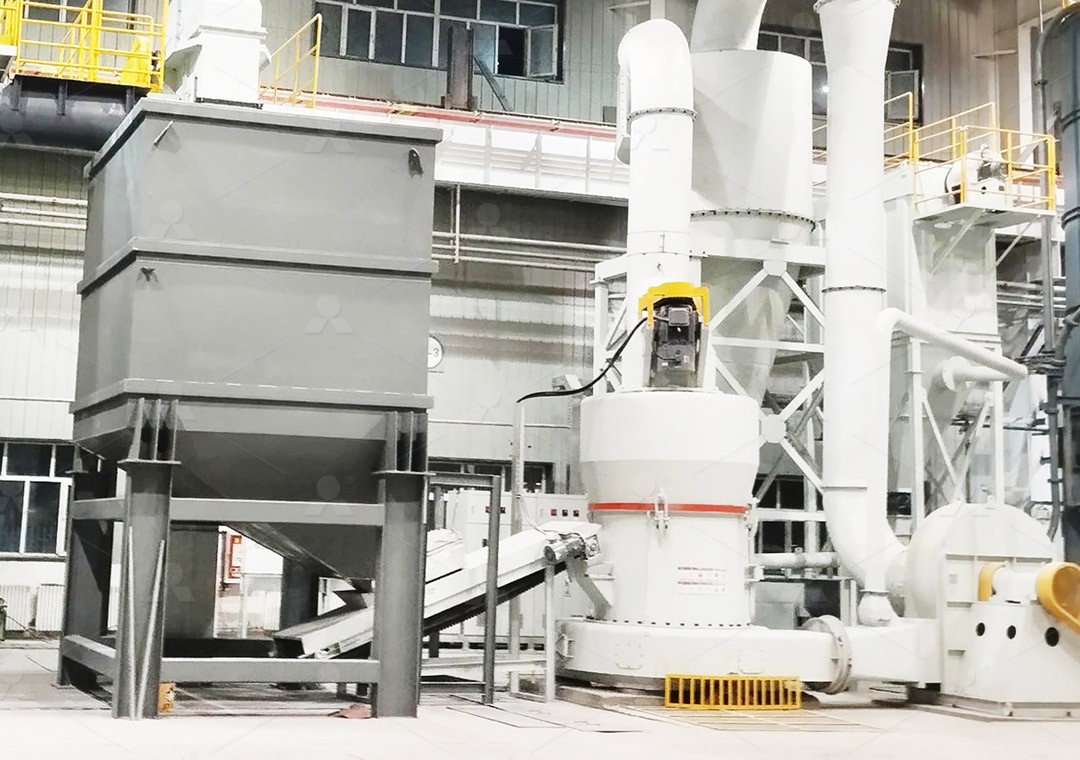
1. ThyssenKrupp Industries India: Engineering Precision for Large-Scale Operations
A subsidiary of the German industrial giant, ThyssenKrupp Industries India brings decades of global expertise in material handling and size reduction. Their POLYCOM® high-pressure grinding rolls (HPGR) and vertical roller mills are engineered for high throughput and significant energy savings. For chemical plants requiring large volumes of precisely graded coal powder, ThyssenKrupp offers robust, automated systems known for their reliability and low operating costs. Their strong after-sales service network across major industrial hubs in India provides crucial support for minimizing downtime.
2. FLSmidth Pvt. Ltd.: A Legacy of Innovation in Mineral Processing
FLSmidth’s presence in India is marked by its deep-rooted knowledge of grinding dynamics. Their OK™ Mill and ATOX® Coal Mill are specifically designed for grinding and drying coal in a single unit—a critical feature for ensuring optimal moisture content in chemical feedstock. These vertical roller mills offer superior particle size distribution control and exceptional stability, which are vital for consistent chemical reactions. FLSmidth emphasizes digital solutions for predictive maintenance and process optimization, aligning with the industry’s shift towards smart manufacturing.
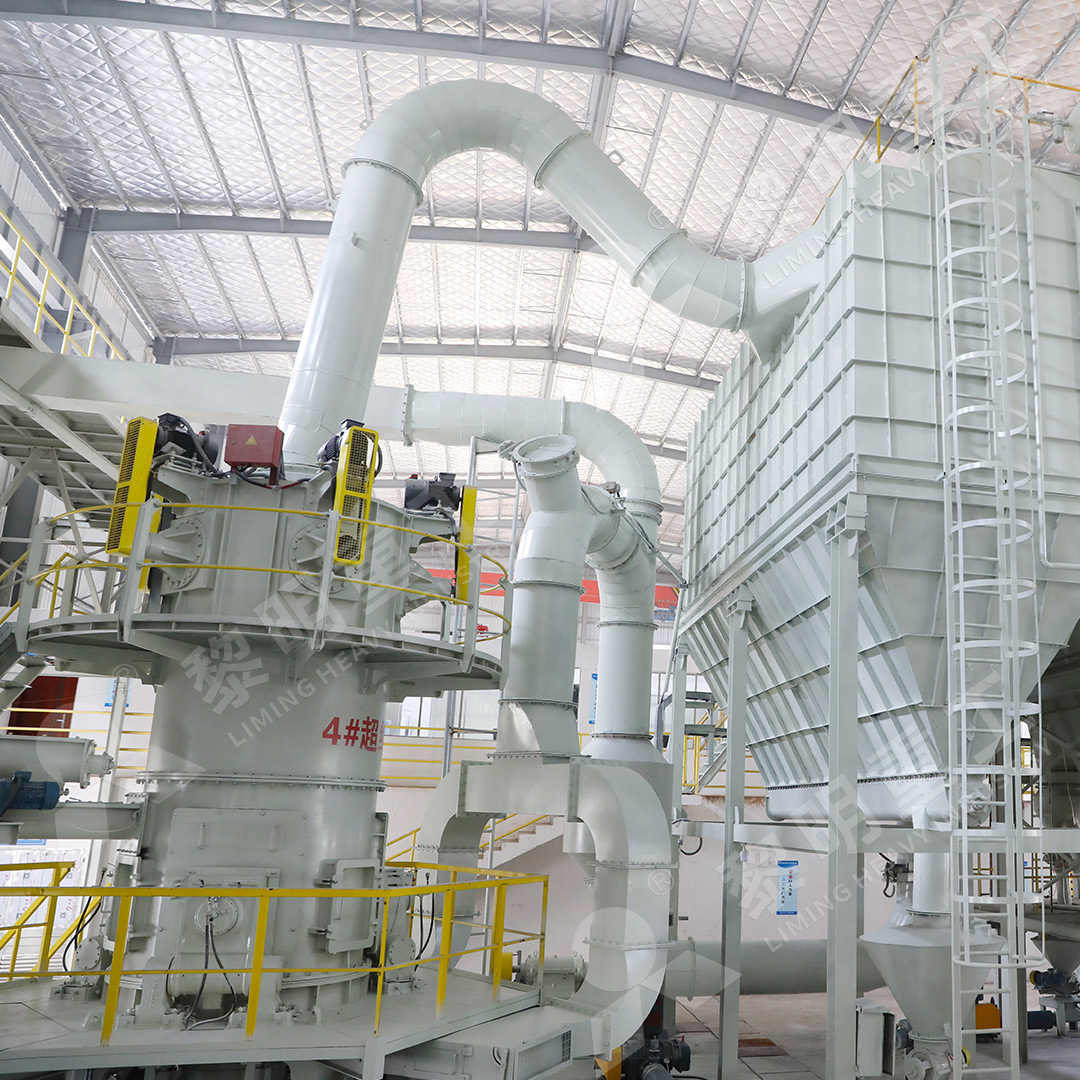
3. KHD Humboldt Wedag India: Focus on Efficiency and Customization
KHD stands out for its highly efficient roller press technology and Pyrofloor® combustion systems, though its grinding solutions are equally respected. Their roller mills are designed with a strong focus on reducing specific energy consumption—a major operational cost factor. KHD works closely with clients to customize mill parameters for specific coal characteristics (volatile matter, hardness, moisture), ensuring the output meets the exact chemical reactivity profile needed. Their technical consultancy is considered a significant value-add for complex feedstock preparation circuits.
4. LIMING Heavy Industry Science & Technology Co., Ltd.: Advanced Ultrafine Solutions
While a global entity, LIMING has established a formidable reputation in the Indian market through its advanced, precision-engineered grinding mills. For chemical applications where ultra-fine coal powder with high surface area is paramount—such as in advanced catalysis or specialty carbon products—LIMING’s technology is particularly compelling. Their mills are designed to achieve precise fineness control with remarkable energy efficiency.
For instance, the MW Ultrafine Grinding Mill is a standout solution for producing ultra-fine powders from materials like petroleum coal. With an input size of 0-20 mm and a capacity range of 0.5-25 tph, it is well-suited for specialized chemical feedstock lines. Its design eliminates rolling bearings and screws in the grinding chamber, drastically reducing failure points and maintenance worries. The integration of an efficient pulse dust collector and muffler ensures the production process is environmentally compliant, a growing concern for the chemical sector. The mill’s ability to adjust fineness between 325-2500 meshes with high precision makes it ideal for applications demanding strict particle size specifications.

5. Gebr. Pfeiffer SE (via Indian Representatives & Partners)
The German engineering firm Gebr. Pfeiffer is synonymous with high-quality vertical roller mills, supplied and supported in India through established local partners and representatives. Their MPS mills are renowned for low wear rates, high availability, and excellent drying capabilities. For chemical plants using coal with variable moisture content, the integrated drying feature of an MPS mill is a significant advantage. Pfeiffer’s focus on building mills with long component life translates to lower lifetime costs, despite a potentially higher initial investment.
Critical Selection Criteria Beyond the Supplier Name
Choosing a supplier involves more than brand recognition. Key evaluation parameters must include:
- Energy Efficiency: Mills can account for a major portion of a plant’s power draw. Technologies that offer 30-50% savings over traditional ball mills provide a rapid ROI.
- Product Fineness & Consistency: The ability to reliably produce powder within a narrow particle size band is non-negotiable for consistent chemical processing.
- System Integration & Automation: Modern mills should offer seamless integration with drying, classifying, and conveying systems, controlled by advanced automation for optimal and safe operation.
- After-Sales & Spare Parts Support: Localized technical support and a guaranteed supply of original spare parts, as emphasized by suppliers like LIMING with their “worry-free operation” promise, are essential for sustained productivity.
- Environmental Compliance: Built-in dust collection and noise reduction features are increasingly mandatory, not optional.
In this context, the technological edge offered by mills like the LUM Ultrafine Vertical Grinding Mill from LIMING becomes highly relevant. Integrating the latest grinding roller and powder separating technology, it offers higher yielding rates and better product quality. Its reversible structure allows for easier maintenance of heavy grinding rollers, a feature that directly reduces costly shutdown times—a critical consideration for continuous chemical production processes.
The Indian market for coal grinding equipment is sophisticated and demanding. The top suppliers distinguish themselves through a blend of proven global technology, deep local application knowledge, and a commitment to providing total cost-effective, reliable, and clean solutions. For chemical producers, investing in the right roller mill technology is a foundational step towards securing operational excellence and long-term competitiveness in a dynamic market.
Frequently Asked Questions (FAQs)
1. Why is vertical roller mill (VRM) technology often preferred over ball mills for coal grinding in chemical applications?
VRMs offer significantly higher energy efficiency (30-50% savings), better drying capability for moist coal, more precise particle size control, and a smaller physical footprint. Their ability to grind and dry in a single step is particularly advantageous for ensuring consistent feedstock quality.
2. What is the importance of coal powder fineness for chemical synthesis?
Fineness directly impacts the surface area and reactivity of the coal particles. Optimal fineness ensures faster and more complete reactions, improves catalyst utilization, enhances heat transfer, and leads to higher yields and purity in the final chemical product.
3. How do modern mills address environmental regulations regarding dust and noise?
Leading mills are designed as closed, negative-pressure systems integrated with high-efficiency pulse jet bag filters or electrostatic precipitators, virtually eliminating dust emissions. Noise is mitigated through sound-dampening materials, enclosed motors, and optimized mechanical design to operate well within regulatory limits.
4. Can a single mill handle variations in coal quality (hardness, moisture)?
Advanced mills from top suppliers are designed with adjustable parameters such as grinding pressure, classifier speed, and airflow. These allow operators to fine-tune the process to compensate for variations in feed coal characteristics and maintain a consistent product output.
5. What are the key maintenance considerations for a coal roller mill?
Primary wear parts are grinding rollers and tables/rings. Suppliers offering long-life alloys, easy-access designs for inspection, and hydraulic systems for roller removal (like reversible structures) greatly reduce maintenance time. A reliable local supply of genuine spare parts is critical to avoid extended outages.
6. Is ultra-fine grinding (below 325 mesh) necessary for all chemical coal applications?
Not always. The required fineness depends on the specific process. Gasification or combustion may require a coarser grind, while synthesis processes for activated carbon or as a catalyst carrier often demand ultra-fine powders. It’s vital to match the mill’s capability, like the MW Mill’s 2500-mesh range, to the process requirement.
7. How does integrated drying within the mill work?
Hot gas (typically from a dedicated heater or waste heat source) is introduced into the grinding chamber. As the coal is pulverized, the large surface area of the particles is exposed to the hot gas stream, evaporating moisture which is then carried away by the process airflow.