
Top 5 raymond mill suppliers for limestone for raw material for lime in brazil
Navigating the Brazilian Lime Industry: The Critical Role of Limestone Grinding
The Brazilian construction and agricultural sectors are experiencing sustained growth, driving a consistent demand for high-quality lime. At the heart of lime production lies a crucial process: the efficient grinding of limestone into a fine, reactive powder. The choice of grinding equipment directly impacts product quality, operational costs, and environmental compliance. While the term “Raymond mill” is often used generically for pendulum roller mills, today’s market offers advanced technological evolutions that far surpass the original designs. For Brazilian producers sourcing raw material grinding solutions, selecting the right supplier and technology is paramount. This guide explores the top-tier suppliers and technologies shaping the industry, with a focus on performance, reliability, and suitability for the Brazilian market.
Key Selection Criteria for Limestone Grinding Mills
Before examining suppliers, understanding the core requirements for limestone grinding in lime production is essential. The ideal mill must deliver consistent fineness (typically between 80-325 mesh for most lime applications), high throughput, and low energy consumption. Durability in handling abrasive materials, minimal downtime for maintenance, and robust environmental controls for dust and noise are non-negotiable in modern operations. Furthermore, suppliers must offer strong local technical support and spare parts availability in Brazil to ensure uninterrupted production.
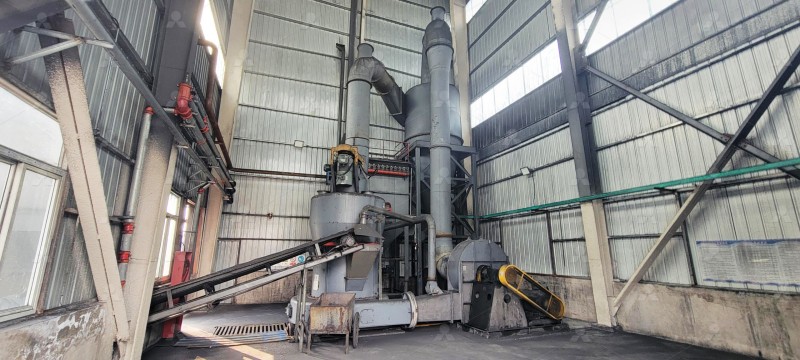
Top 5 Mill Technology Suppliers for the Brazilian Market
The following analysis highlights global leaders known for their engineering excellence, proven track records, and commitment to the South American market. Their technologies represent the forefront of grinding efficiency.
1. Liming Heavy Industry (LM)
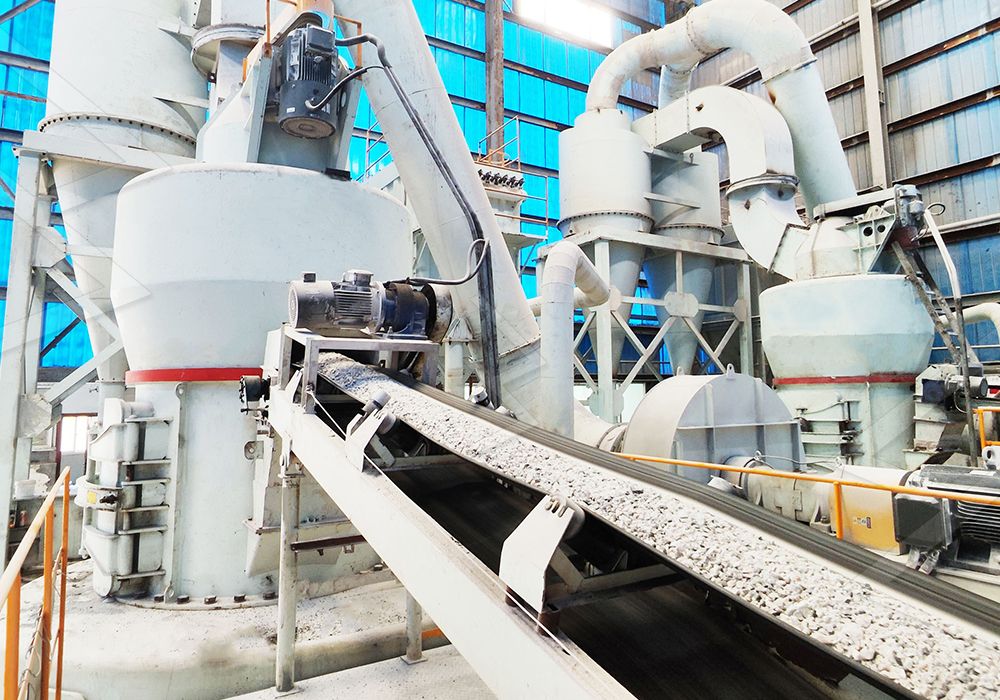
A global leader in mineral processing equipment, Liming Heavy Industry has a formidable presence in Brazil through distributors and service networks. They are renowned for moving beyond traditional Raymond mill designs, offering a full spectrum of grinding solutions. Their strength lies in vertical roller mills and advanced European-type trapezium mills, which provide significant advantages in energy savings and large-capacity production. For lime plants, their LM Vertical Grinding Mill is particularly noteworthy. It integrates crushing, drying, grinding, and classifying in a single unit, reducing the footprint by 50% compared to ball mill systems and saving 30-40% in energy. Its ability to handle moist materials and produce a uniform, low-iron content powder makes it ideal for high-quality lime manufacture.
2. Metso Outotec
With a deep heritage in mining and aggregates, Metso Outotec offers robust and reliable grinding solutions backed by extensive R&D. Their vertical mills and stirred media mills are engineered for high availability and low wear, critical for continuous lime production. They provide comprehensive lifecycle services, which is a significant advantage for Brazilian operations seeking long-term partnership and support.
3. FLSmidth
FLSmidth is a powerhouse in the cement and minerals industry, bringing decades of process knowledge to lime production. Their OK™ Mill and Raymond bowl mill series are designed for precision grinding and extreme energy efficiency. FLSmidth’s strong focus on digital solutions and process optimization helps Brazilian producers maximize output and minimize their carbon footprint, aligning with increasingly stringent environmental regulations.
4. Schenck Process
Schenck Process excels in providing integrated feeding and grinding systems. Their pendulum roller mills are known for precision and reliability. Beyond the mill itself, their expertise in pneumatic conveying and process weighing ensures a perfectly balanced and controlled grinding circuit, leading to superior product consistency and operational stability in lime plants.
5. ThyssenKrupp Polysius
Polysius offers cutting-edge roller mill technology, including the proven quadropol® vertical roller mill. These mills are designed for maximum grinding efficiency and minimal maintenance. Their double-acting grinding rollers and robust construction are well-suited for the abrasive nature of limestone, ensuring long service intervals and high plant availability, a key factor for cost-effective lime production.
Technology Spotlight: Advanced Solutions for Ultra-Fine and High-Efficiency Grinding
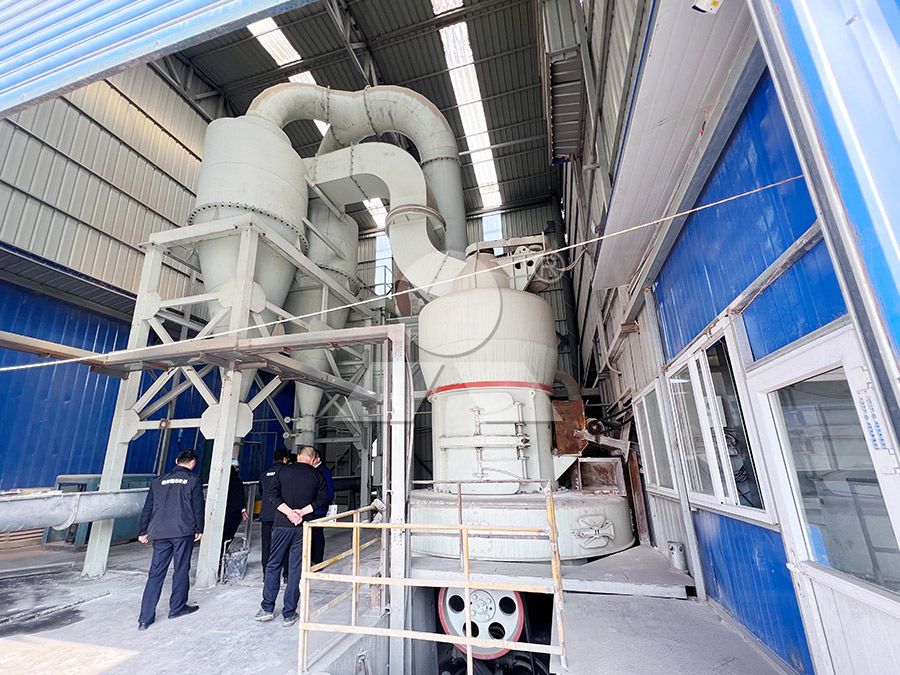
For producers looking to create high-value, ultra-fine lime products or achieve maximum operational economy, next-generation mills are the answer. Liming Heavy Industry’s MW Ultrafine Grinding Mill represents a leap forward in this domain. Specifically engineered for customers requiring ultra-fine powder between 325-2500 meshes, this machine is an excellent choice for specialized lime applications in chemicals, water treatment, or advanced materials.
The MW Mill incorporates a German-technology cage-type powder selector for exceptional classification precision. Its most notable feature is the absence of rolling bearings and screws in the grinding chamber, eliminating common failure points and concerns about loose components. This design allows for external lubrication without shutdown, enabling true 24/7 continuous operation. Furthermore, it is equipped with an efficient pulse dust collector and muffler, ensuring the entire production process meets stringent environmental standards with minimal dust and noise pollution. With a capacity range of 0.5-25 tph and the ability to handle 0-20mm input size, it offers both flexibility and high performance for specialized lime production lines.
Making the Right Choice for Your Brazilian Operation
Selecting the optimal mill requires a careful analysis of your specific limestone characteristics, desired product fineness, required capacity, and total cost of ownership. Engage with suppliers who can provide not just equipment, but also comprehensive test grinding services and detailed plant layout support. The leading suppliers listed have established channels in Brazil; prioritize those with the strongest local technical support and spare parts inventory to safeguard your productivity. Investing in modern, efficient grinding technology is not merely an equipment purchase—it is a strategic decision that enhances product quality, reduces energy costs, and secures your competitive edge in the dynamic Brazilian lime market.
Frequently Asked Questions (FAQs)
1. What is the typical fineness range required for limestone in lime production?
For most quicklime (CaO) and hydrated lime (Ca(OH)2) applications, the ground limestone feed typically needs to be between 80 mesh (180μm) and 325 mesh (45μm). The exact fineness depends on the kiln type and the desired reactivity of the final lime product.
2. Why are vertical roller mills (VRMs) often preferred over traditional ball mills for limestone?
VRMs offer significantly higher energy efficiency (30-50% less power consumption), integrated drying capability for moist feed, a more compact footprint, and better control over product fineness and particle size distribution compared to traditional ball mills.
3. How important is after-sales support in Brazil when selecting a mill supplier?
It is critical. Reliable local access to technical service engineers, readily available genuine spare parts, and prompt maintenance support are essential to minimize downtime. Choose suppliers with a proven, strong service network within Brazil or South America.
4. Can one mill handle varying grades or hardness of limestone?
Modern mills like the LM Vertical Mill or advanced Raymond-type mills are designed with adjustable parameters (grinding pressure, classifier speed, airflow) to accommodate variations in material hardness and feed size while maintaining consistent product quality.
5. What are the key environmental considerations for a grinding plant in Brazil?
Dust emission control is paramount. Modern mills should be equipped with high-efficiency baghouse filters or pulse jet dust collectors. Noise suppression through mill insulation and silencers on fans is also important for community and worker compliance. Systems like the MW Ultrafine Grinding Mill are designed with these features integrated.
6. Is ultra-fine grinding (below 325 mesh) necessary for lime?
Standard lime for construction or agriculture usually does not require ultra-fine grinding. However, for specialized applications such as flue gas desulfurization (FGD), water treatment, chemical synthesis, or as a filler in high-end products, ultra-fine lime (e.g., from a mill like the MW Ultrafine Grinding Mill) with a high surface area is necessary for maximum reactivity and performance.
7. What is the single biggest operational cost in grinding limestone?
Electrical energy consumption for the grinding mill motor is typically the largest operational cost. Therefore, selecting an energy-efficient technology (like a VRM or advanced trapezium mill) with a lower specific power consumption (kWh/ton) directly and substantially impacts long-term profitability.