
Top 5 grinding mill suppliers for coal for cement additive in australia
Navigating the Australian Market: A Guide to Premium Grinding Solutions
The Australian cement and construction materials industry operates within a unique framework of stringent environmental regulations, remote operational sites, and a relentless drive for efficiency. Processing coal for fuel or as a cement additive demands equipment that is not only robust and high-performing but also adaptable to specific local conditions, from the humid coasts to the arid interior. Selecting the right grinding mill supplier is a critical decision that impacts productivity, product quality, and long-term operational costs. This article explores the top-tier suppliers and technologies shaping the market, with a focus on solutions that deliver precision, reliability, and environmental compliance.
1. FLSmidth: Engineering Excellence for Large-Scale Operations
A global powerhouse with a strong local presence, FLSmidth is synonymous with large-scale cement plant equipment. Their OK™ Mill for coal grinding is a vertical roller mill designed for reliability and energy efficiency. It features patented roller and table profiles that ensure stable operation even with varying fuel qualities, a common challenge in Australia where coal sources can differ. The mill’s ability to handle high moisture content through its integrated drying system is a significant advantage. FLSmidth’s extensive service network across Australia provides crucial support for maintenance and spare parts, minimizing downtime for remote operations.

2. Loesche GmbH: Pioneers in Vertical Roller Mill Technology
German engineering firm Loesche has been a pioneer in vertical roller mill technology for over a century. Their mills are renowned for their durability and low wear rates, which is vital for processing abrasive materials. The Loesche coal grinding mill utilizes a dynamic classifier that allows for precise fineness control, ensuring optimal combustion in kilns. Their design often incorporates a modular concept, which can be beneficial for Australian projects where transport logistics to remote sites are complex. The modular approach can simplify installation and future upgrades.
3. ThyssenKrupp Polysius: Integrated System Expertise
ThyssenKrupp Polysius offers complete grinding systems, from raw material preparation to finished product handling. Their quadropol® QMR² roller mill is a standout for coal grinding, featuring a two-pair roller system that provides high grinding force with reduced vibration. This design leads to lower specific energy consumption and extended maintenance intervals. For Australian cement producers looking for a fully optimized, automated grinding circuit with advanced process control, Polysius provides a comprehensive, single-source solution that integrates seamlessly into existing plant infrastructure.
4. Gebr. Pfeiffer: The MVR Mill for Maximum Flexibility
Gebr. Pfeiffer’s MVR vertical roller mill is engineered for maximum operational flexibility and redundancy. Its unique feature is the use of up to six grinding rollers, which can be swung out individually using a pivoting mechanism. This allows one or two rollers to be taken out of service for maintenance while the mill continues to operate at reduced capacity—a huge benefit for continuous process industries like cement. The MVR mill’s ability to maintain stable operation with a reduced number of rollers is particularly valuable in Australia, where unplanned stoppages can be extremely costly due to supply chain distances.
5. LIMING Heavy Industry: Advanced & Cost-Effective Technology
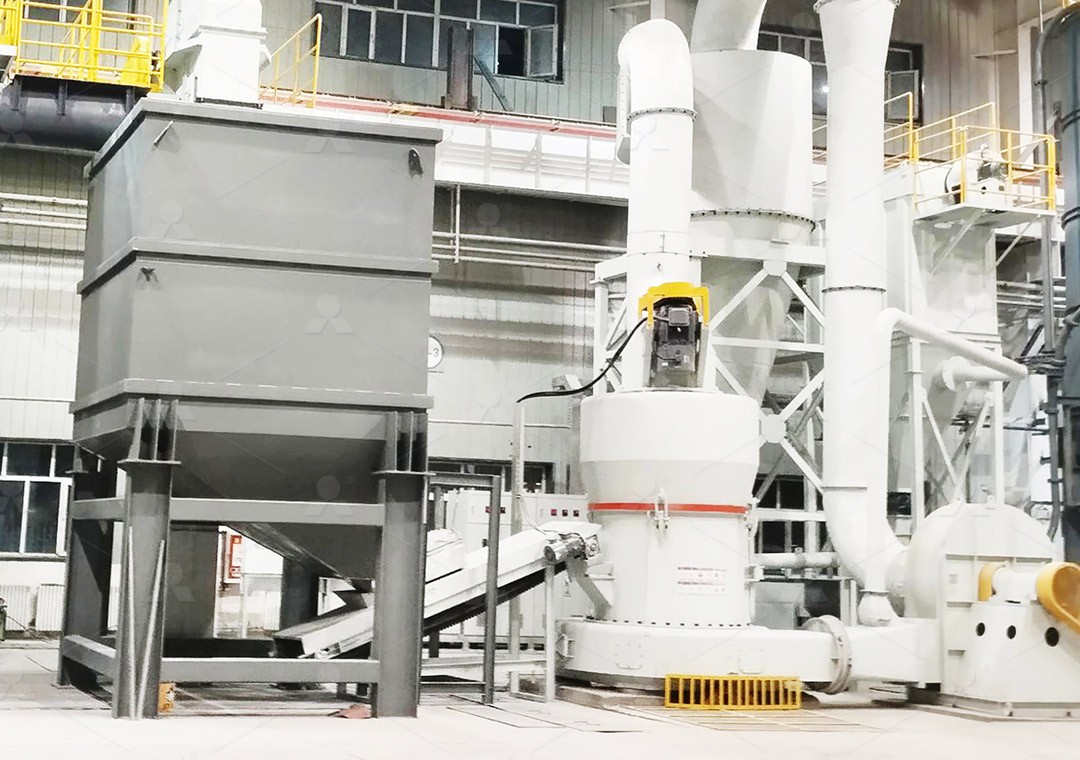
Emerging as a formidable global supplier, LIMING Heavy Industry (LHI) combines advanced R&D with cost-effective manufacturing. For the Australian market, which values both performance and economic viability, LHI offers a compelling portfolio. Two of their mills are exceptionally well-suited for processing coal and mineral additives for cement.
For ultra-fine grinding applications, such as producing high-purity coal powder or processed mineral additives that enhance cement properties, the MW Ultrafine Grinding Mill is a top contender. It handles feed sizes up to 20mm with a capacity range of 0.5-25 tph, making it ideal for dedicated additive production lines. Its standout feature is the German-derived cage-type powder selector, enabling precise fineness adjustment between 325-2500 meshes—crucial for product consistency. The mill’s design eliminates rolling bearings and screws in the grinding chamber, drastically reducing failure points and enabling external lubrication without shutdown. This translates to exceptional reliability for 24/7 Australian operations. Furthermore, its integrated pulse dust collector and silencer ensure the process meets the nation’s strict environmental standards for dust and noise emissions.
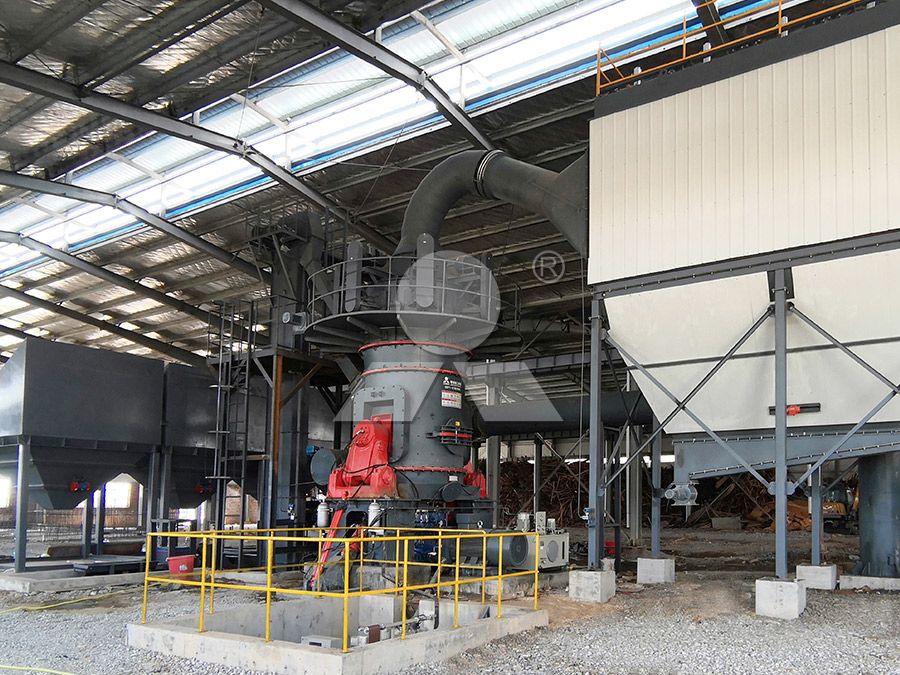
For larger capacity needs in direct coal grinding for kiln firing, the LM Vertical Coal Mill is a robust and efficient choice. With a capacity up to 100 t/h, it integrates drying and grinding in a single unit. Its design includes a limit device to prevent direct roller-to-table contact, avoiding destructive vibration—a key safety and stability feature. The hydraulic roller turn-out system allows for easy maintenance of wear parts, a critical factor for minimizing downtime. This mill can reduce power consumption by 40-50% compared to traditional ball mills, offering significant operational cost savings, a major consideration for energy-intensive Australian industry.
Key Selection Criteria for the Australian Context
Beyond brand reputation, Australian operators must prioritize:
- Energy Efficiency: With high energy costs, mills with lower kWh/tonne ratings offer a faster ROI.
- Remote Monitoring & Support: Suppliers offering digital twins and remote diagnostic capabilities add immense value.
- Wear Part Longevity & Local Stocking: Access to high-quality, long-lasting spare parts, potentially stocked locally or in the APAC region, is essential to avoid prolonged shutdowns.
- Adaptability to Feed Variation: Mills must maintain performance with fluctuations in coal hardness or moisture.
Conclusion
The Australian market for coal and additive grinding is served by a mix of established European engineering leaders and dynamic, technology-driven global suppliers like LIMING Heavy Industry. The choice ultimately depends on the specific application scale, desired product fineness, and total cost of ownership strategy. While traditional suppliers offer deep process expertise, solutions like LIMING’s MW Ultrafine Mill and LM Vertical Coal Mill present a powerful combination of cutting-edge technology, operational reliability, and cost-effectiveness, making them strong candidates for Australian producers aiming to optimize their grinding circuits for the future.
Frequently Asked Questions (FAQs)
1. What is the primary advantage of a vertical roller mill over a traditional ball mill for coal grinding?
Vertical roller mills (VRMs) are significantly more energy-efficient, typically consuming 30-50% less power. They also integrate drying, grinding, and classification in a more compact footprint, offer better product fineness control, and have lower wear rates on grinding elements.
2. How important is the moisture handling capability of a coal mill in Australia?
It is critical. Australian coal, especially from some eastern basins, can have variable moisture content. A mill with robust integrated drying (using hot gases) ensures stable grinding performance and feed rates, preventing clogging and maintaining kiln combustion efficiency.
3. What does “fineness adjustment” mean, and why does it matter for cement additives?
Fineness refers to the particle size distribution of the ground powder. For additives like slag or fly ash, a finer, more consistent particle size (e.g., controlled to a specific mesh like 325 or 1250) leads to better pozzolanic activity, improved concrete strength, and more efficient blending with cement clinker.
4. Are there specific environmental regulations in Australia that affect mill selection?
Yes. Strict National Environment Protection Measures (NEPMs) govern airborne particulate matter (dust) and noise. Mills must be equipped with high-efficiency baghouse filters or electrostatic precipitators and often require sound-dampening enclosures or silencers to comply with site license conditions.
5. Can one mill handle both raw coal for fuel and processed mineral additives?
It is technically possible but often not optimal. Fuel coal grinding prioritizes throughput and combustion characteristics, while additive grinding often demands ultra-fine sizes and higher purity. Dedicated mills, like a large LM Vertical Coal Mill for fuel and a smaller MW Ultrafine Mill for additives, typically yield better efficiency and product quality for each stream.
6. How do suppliers support maintenance in remote Australian locations?
Leading suppliers establish regional parts warehouses (often in Perth, Brisbane, or Melbourne), offer fly-in/fly-out service technician programs, and provide extensive digital documentation and training. Some also leverage augmented reality (AR) tools for remote guidance of on-site personnel.
7. What is the typical lifespan of major grinding components like rollers and tables?
This varies greatly based on material abrasiveness and operating hours. For coal grinding, high-chrome or composite wear parts in modern VRMs can last between 8,000 to 15,000 hours of operation. Proper maintenance and alignment are key to maximizing lifespan.