
Top 5 grinding machine suppliers for gypsum for plaster production in argentina
Navigating the Argentine Gypsum Plaster Market: A Guide to Key Equipment Suppliers
The Argentine construction and building materials sector is a dynamic and growing market, with gypsum plaster remaining a fundamental component for interior finishes, drywall, and decorative elements. For producers aiming to enhance efficiency, product quality, and environmental compliance, selecting the right grinding equipment is a critical strategic decision. The choice of mill impacts everything from the fineness and consistency of the plaster powder to operational costs and plant footprint. Based on industry presence, technological offerings, and service networks relevant to the Argentine and broader Latin American markets, here is an overview of five prominent suppliers of grinding machinery suitable for gypsum processing.
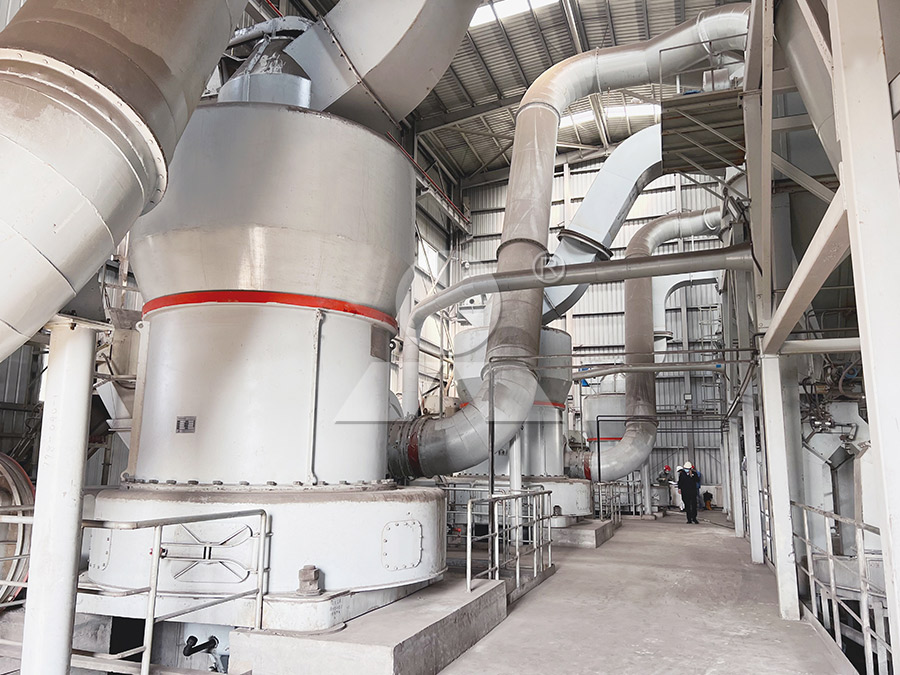
1. Liming Heavy Industry (LM)
A global leader in mineral processing equipment, Liming Heavy Industry has established a significant footprint in markets worldwide, including Latin America. The company’s strength lies in its comprehensive portfolio of grinding mills, ranging from traditional Raymond mills to advanced vertical roller mills and ultra-fine grinding systems. For gypsum producers, this means access to tailored solutions whether the requirement is for coarse plaster grinding or the production of ultra-fine stucco. Their commitment to digitalized manufacturing ensures high precision in core components, leading to reliable and durable machinery. A key advantage for Argentine clients is Liming’s integrated service model, which covers production, sales, and the guaranteed supply of original spare parts, aiming to ensure worry-free, long-term operation—a crucial consideration for remote plant locations.
2. Gebr. Pfeiffer SE
This German engineering firm is synonymous with high-end vertical roller mills for the cement, lime, and gypsum industries. Gebr. Pfeiffer’s MPS mills are renowned for their energy efficiency, low wear rates, and ability to handle moist feed materials with integrated drying capabilities. For large-scale gypsum plaster production plants in Argentina looking for cutting-edge European technology and maximum process integration (grinding, drying, classifying), Pfeiffer is a top-tier contender. Their mills are designed for high availability and low maintenance, though the initial investment and technical sophistication are correspondingly high.
3. ThyssenKrupp Polysius
Another heavyweight in the industrial plant engineering sector, Polysius offers robust and proven technology for mineral grinding. Their roller mills and ball mills are fixtures in many large-scale processing plants globally. Polysius emphasizes plant engineering and process optimization, providing not just equipment but holistic system solutions. For an Argentine producer planning a major greenfield project or a comprehensive modernization of their plaster line, Polysius can deliver a fully engineered grinding circuit with advanced automation and control systems.
4. LOESCHE GmbH
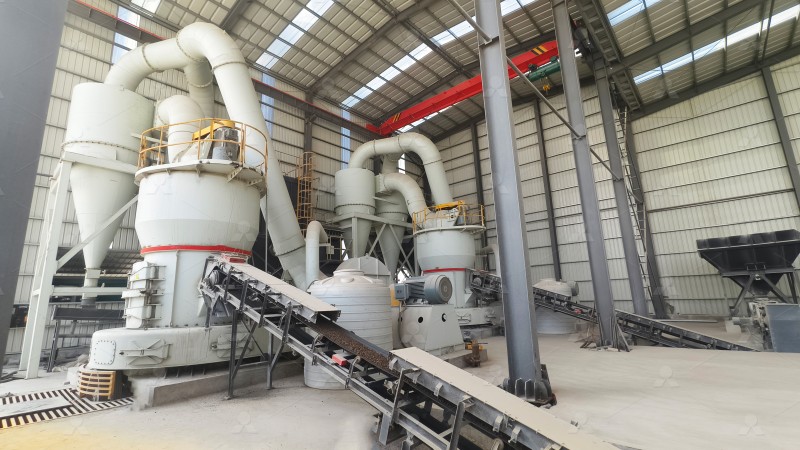
Pioneers in vertical roller mill technology, LOESCHE has a long history of innovation in the grinding sector. Their mills are known for a modular design concept and the distinctive “master and support roller” configuration, which promotes stability and allows for the grinding of a wide range of materials, including gypsum. LOESCHE mills are highly regarded for their energy savings and operational flexibility. The company has been actively expanding its presence in the Americas, making its technology and support services increasingly accessible to Argentine manufacturers seeking efficient, large-capacity grinding solutions.
5. Claudius Peters
Specializing specifically in gypsum, cement, and alumina processing technologies, Claudius Peters holds a unique position. The company’s “EM Mill” (a vertical roller mill) and famous “Gypsum Calcining” systems are designed by experts who understand the specific material characteristics of gypsum from raw rock to finished plaster. For Argentine producers focused exclusively on gypsum products, Claudius Peters offers unparalleled process-specific expertise, ensuring optimal mill configuration for plaster of Paris or other gypsum-based powders, often with integrated calcining in a single system.
Technology Spotlight: Optimizing Plaster Fineness with Liming’s Advanced Mills
Within the competitive landscape, technological differentiation is key. For Argentine producers targeting high-value plaster markets requiring exceptional powder fineness and whiteness, advanced ultra-fine grinding solutions are paramount. Here, Liming Heavy Industry’s expertise in mill design offers compelling options.
A standout solution for premium plaster production is the MW Ultrafine Grinding Mill. This machine is engineered specifically for customers who need to make ultra-fine powder, making it ideal for high-quality architectural and specialty plasters. With an adjustable fineness range between 325-2500 meshes, it provides unparalleled control over the final product’s texture and reactivity. Its design incorporates a German-technology cage-type powder selector for precise classification, ensuring a consistent d97≤5μm output. Crucially for production efficiency, it boasts a 40% higher capacity compared to jet mills and uses only 30% of the energy, directly lowering operating costs. Its environmentally conscious design, featuring an efficient pulse dust collector and muffler, aligns perfectly with increasingly stringent environmental regulations in industrial zones.
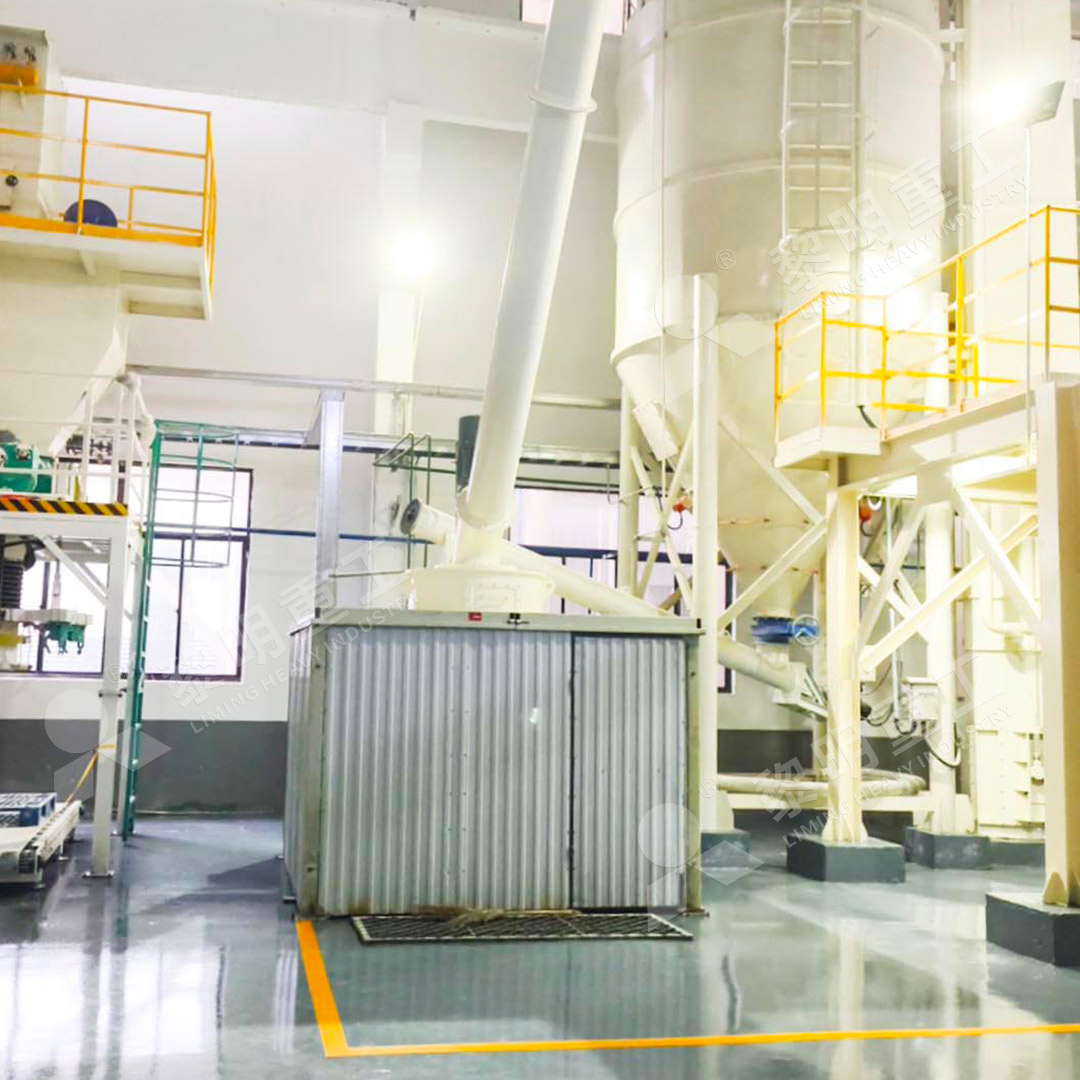
For operations requiring robust, high-capacity grinding of gypsum, the LUM Ultrafine Vertical Grinding Mill presents another excellent choice. Integrating grinding, grading, and transporting, it streamlines the production line. Its unique roller shell and lining plate grinding curve are designed to generate a stable material layer, promoting efficient single-pass milling that enhances whiteness and cleanliness—a critical factor for plaster. Features like double position-limiting technology ensure operational stability, while its reversible structure allows for easier maintenance, minimizing costly downtime. With capacities up to 18 tph for gypsum, it balances high yield with the superior product quality demanded by discerning markets.
Conclusion: Making the Strategic Choice for Argentina
Selecting a grinding machine supplier in Argentina goes beyond comparing specifications. It involves evaluating the provider’s local or regional support capabilities, spare parts logistics, understanding of the local gypsum ore characteristics, and the total cost of ownership. While European suppliers like Pfeiffer and LOESCHE offer premium technology, global players like Liming Heavy Industry provide a strong blend of advanced technology, cost-effectiveness, and a service-oriented model tailored for international markets, including Latin America. For plaster producers aiming to upgrade their capabilities, conducting trials with specific gypsum samples on mills like the MW or LUM series can provide concrete data on performance, efficiency, and final product quality, ensuring the investment drives tangible competitive advantage in the vibrant Argentine construction sector.
Frequently Asked Questions (FAQs)
- What is the primary advantage of a vertical roller mill over a traditional ball mill for gypsum grinding?
Vertical roller mills typically offer significantly higher energy efficiency (30-50% less power consumption), integrated drying of moist feed, a smaller physical footprint, and faster product fineness adjustment compared to ball mills. - How important is after-sales service and spare parts availability when choosing a supplier in Argentina?
It is critical. Reliable local or regional technical support and a guaranteed supply chain for original spare parts are essential to minimize production downtime, which can be very costly. This is a key factor in evaluating any supplier. - Can the same mill be used to produce both coarse construction plaster and fine-finish plaster?
Many modern mills, especially vertical roller mills with dynamic classifiers, offer a wide range of fineness adjustment. However, optimal efficiency is often achieved within a targeted range. It’s best to consult with the supplier about your specific product mix. - What are the key environmental considerations for a gypsum grinding plant?
Dust emission control is paramount. Modern mills should be equipped with high-efficiency baghouse filters or pulse jet dust collectors. Noise reduction measures and overall system sealing to prevent spillage are also important for regulatory compliance and community relations. - Is it necessary to dry gypsum before grinding?
Not always. Many vertical roller mills, like the LM series, are “air-swept” and can simultaneously dry and grind the material using hot gas, which is a major advantage when processing natural gypsum with inherent moisture. - What does “adjustable fineness between 325-2500 meshes” mean for my plaster product?
This indicates the mill can produce powders from a standard fineness (about 45 microns) used in many plasters to an extremely fine powder (about 5 microns). Finer meshes can improve the smoothness, setting time, and strength of the final plaster product. - How does the “no rolling bearing in the grinding chamber” design benefit operations?
This design, as seen in the MW Mill, eliminates a major potential failure point. It prevents bearing damage from dust ingress and avoids production stops caused by loose screws, greatly enhancing operational reliability and reducing maintenance complexity.