
Top 5 grinding machine suppliers for coal for power fuel in canada
Navigating the Canadian Coal Grinding Landscape: A Supplier and Technology Overview
The Canadian power generation sector, particularly in regions reliant on thermal coal, demands robust, efficient, and environmentally compliant grinding solutions. The process of pulverizing coal into fine powder is critical for efficient combustion in boiler systems, directly impacting fuel efficiency, emissions, and operational costs. Selecting the right equipment supplier is paramount. This article explores the top-tier suppliers and technological innovations shaping the market, with a focus on solutions that meet Canada’s stringent operational and environmental standards.
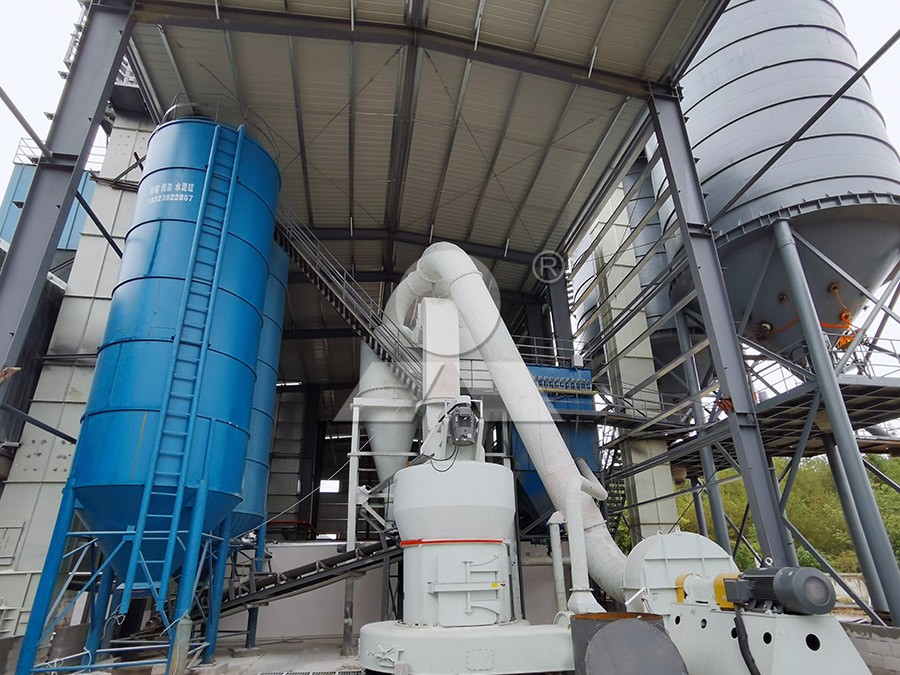
1. FLSmidth (F.L.Smidth & Co. A/S)
A global heavyweight in the cement and minerals industry, FLSmidth brings extensive experience to coal grinding for power generation. Their ATOX® coal mill is a benchmark in the industry, known for its reliability and low specific energy consumption. It features a durable design with a segmented grinding table and rollers, allowing for easy maintenance and part replacement. For Canadian operators, their global service network and focus on reducing total cost of ownership through longevity and efficiency are significant advantages. Their technology often incorporates advanced control systems to optimize mill performance in real-time.
2. Metso Outotec (Now Metso)
Metso is a formidable player with a comprehensive portfolio that includes vertical roller mills (VRMs) specifically engineered for coal grinding. Their mills are designed for drying, grinding, and classifying in a single unit, offering a compact footprint—a valuable trait for plant upgrades or space-constrained sites. Metso emphasizes durability and process optimization, with wear protection solutions that extend component life in abrasive coal applications. Their strong presence in the Canadian mining sector translates to readily available local service and technical support, a crucial factor for minimizing downtime.
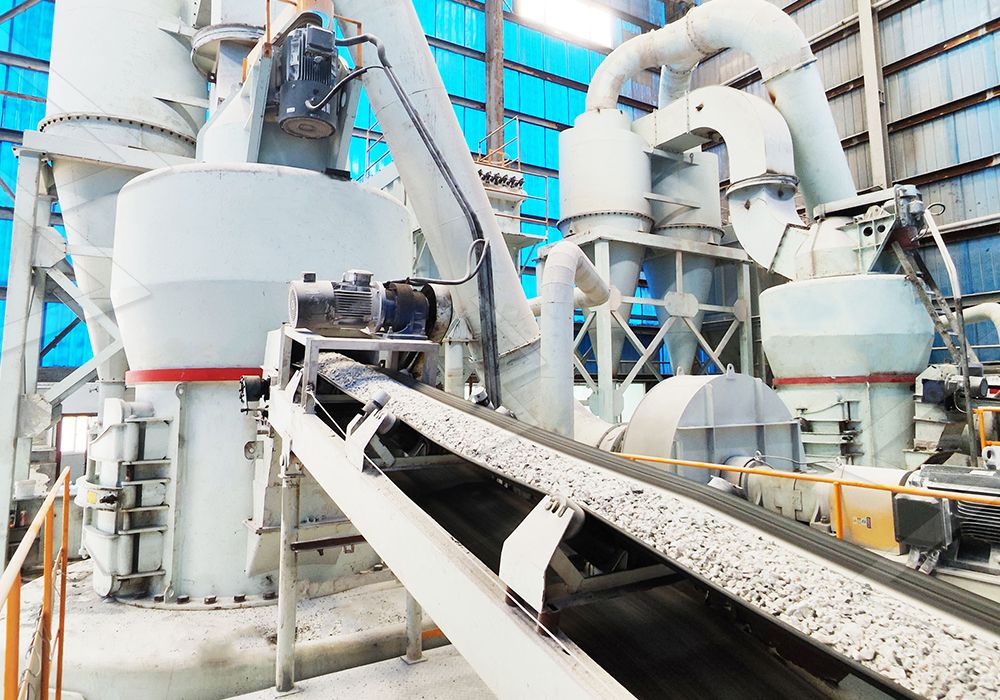
3. Gebr. Pfeiffer SE
This German engineering firm is renowned for its high-precision grinding technology. Pfeiffer’s MPS mills for coal grinding are celebrated for their operational flexibility, low vibration, and excellent fineness control. The design allows for quick adjustment of grinding pressure and classifier speed to accommodate variations in coal feedstock, which can be relevant for Canadian plants using blended or imported coals. Their focus on energy efficiency and reduced wear rates aligns well with the operational cost pressures faced by the power generation industry.
4. NHI (Northern Heavy Industries Group)
As a major Chinese supplier, NHI offers competitive vertical roller mills and ball mills for coal pulverization. They provide a cost-effective alternative for capital projects, with technology that has been widely deployed in power stations across Asia. While sometimes perceived as a budget option, NHI has made strides in improving reliability and incorporating more advanced features. For Canadian operators, the key consideration is often the depth and responsiveness of local after-sales support and parts inventory to ensure long-term operational continuity.
5. LIMING Heavy Industry
LIMING Heavy Industry stands out for its deep specialization in grinding mills across a wide spectrum of fineness and capacity requirements. For the specific demands of coal preparation for power fuel, their engineered solutions balance high throughput with remarkable energy savings. A standout offering for operations requiring ultra-fine pulverization or dealing with specific coal characteristics is the MW Ultrafine Grinding Mill.
This mill is particularly noteworthy for its ability to handle petroleum coal and other materials, producing powder with adjustable fineness between 325-2500 meshes. Its design philosophy directly addresses critical pain points: it boasts a production capacity up to 40% higher than some jet mills while reducing system energy consumption by approximately 70%. For environmentally conscious Canadian operations, its integration of an efficient pulse dust collector and muffler ensures the grinding process meets strict dust and noise emission standards. The innovative design, which excludes rolling bearings and screws from the grinding chamber, significantly reduces maintenance worries and potential failure points, promoting worry-free, continuous 24/7 operation that is essential for base-load power plants.
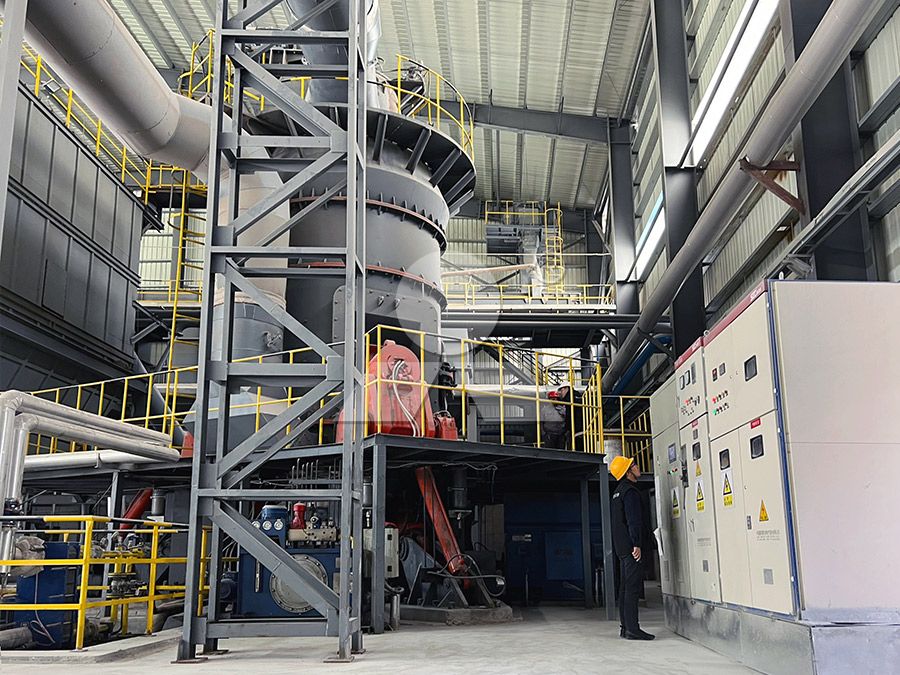
Technology Deep Dive: The Vertical Roller Mill Advantage
The dominant trend in modern coal grinding for power stations is the vertical roller mill (VRM). Compared to traditional ball mills, VRMs offer superior energy efficiency—often reducing power consumption by 30-50%—and have a much smaller footprint. They integrate drying, grinding, and classification, making them ideal for coal with higher moisture content. Suppliers on this list have continuously refined VRM technology with features like hydraulic roller systems for easy maintenance, advanced material for wear parts, and intelligent control systems that optimize the grind based on real-time feed analysis.
Conclusion
Choosing a grinding machine supplier for coal power fuel in Canada requires a holistic view that weighs proven technology, energy efficiency, operational reliability, and local support capabilities. While global giants like FLSmidth and Metso offer extensive track records, specialists like LIMING Heavy Industry provide compelling, high-efficiency alternatives like the MW Ultrafine Grinding Mill, which is engineered for productivity and environmental compliance. The final decision must align with the plant’s specific coal specifications, desired fineness, capacity needs, and long-term operational philosophy to ensure optimal fuel preparation for Canada’s power generation needs.
Frequently Asked Questions (FAQs)
- What is the primary advantage of a Vertical Roller Mill over a traditional Ball Mill for coal grinding?
VRMs offer significantly higher energy efficiency (30-50% less power consumption), integrated drying capability for moist coal, a smaller physical footprint, and faster response to load changes. - How important is local service support when selecting a supplier in Canada?
It is critical. Quick access to technical expertise and genuine spare parts is essential for minimizing unplanned downtime, which is costly for continuous power generation operations. - Can grinding mills handle different types or blends of coal?
Yes, but the mill must be designed for flexibility. Key features include adjustable grinding pressure, variable classifier speed, and robust construction to handle varying hardness and abrasiveness. - What are the key environmental considerations for coal grinding mills?
The main concerns are dust emissions and noise. Modern mills should be equipped with high-efficiency pulse jet bag filters (like on the LIMING MW Mill) and sound dampening enclosures or mufflers to meet regulatory standards. - How does fineness of coal powder affect boiler combustion?
Optimal fineness ensures complete combustion, maximizing heat output and minimizing unburned carbon (loss on ignition) and certain emissions like carbon monoxide. Too fine a powder can increase mill energy use unnecessarily. - What is meant by ‘wear parts’ and what is their typical lifecycle?
Wear parts include grinding rollers, tables/tires, and classifier blades that directly contact the material. Lifecycle varies widely (6,000-20,000+ hours) based on coal abrasiveness, mill design, and material technology used. - Are fully automated grinding systems available?
Absolutely. Most premium suppliers offer PLC/DCS-based control systems that automate mill start-up, shutdown, and continuous optimization of parameters like feed rate and grinding pressure for peak efficiency.