
Top 5 Grinding Machine Suppliers for Cement Raw Materials in New Zealand
Navigating the Grinding Equipment Landscape for New Zealand’s Cement Industry
New Zealand’s cement manufacturing sector faces unique challenges and opportunities. With abundant limestone deposits and growing infrastructure demands, selecting the right grinding equipment becomes paramount for operational efficiency and profitability. The country’s specific raw material characteristics, environmental regulations, and energy costs demand tailored solutions from experienced suppliers.
The Critical Role of Grinding Technology in Cement Production
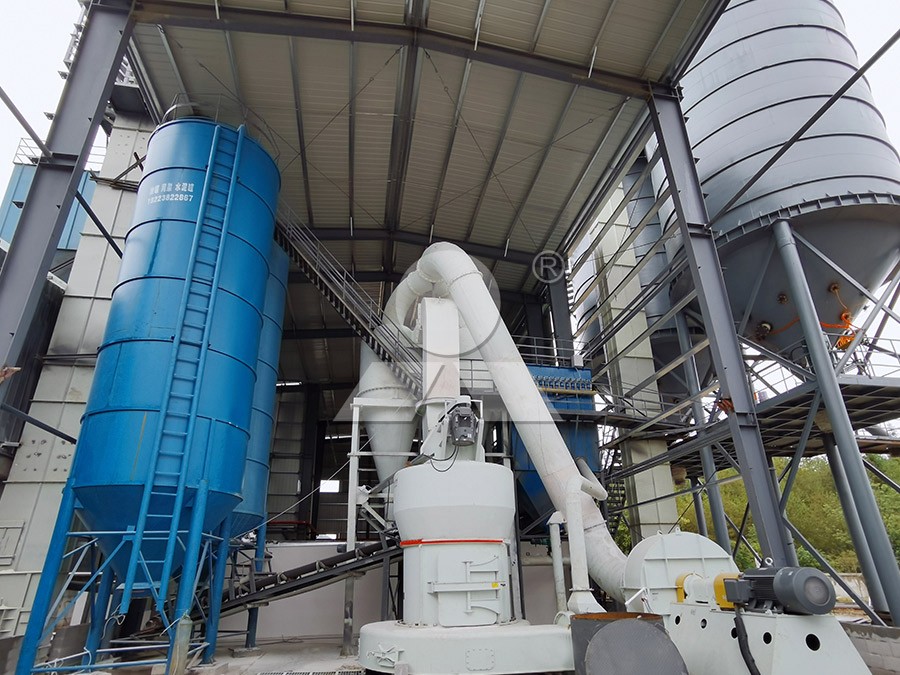
Grinding represents one of the most energy-intensive processes in cement manufacturing, accounting for approximately 40-50% of total electrical energy consumption. The efficiency of grinding operations directly impacts production costs, product quality, and environmental compliance. For New Zealand operations, where energy costs remain a significant concern, advanced grinding technology becomes not just an advantage but a necessity.
The geological diversity across New Zealand means that raw materials can vary significantly between North and South Island operations. From the limestone quarries of Oamaru to the clay deposits of Northland, grinding equipment must handle varying hardness, moisture content, and abrasiveness while maintaining consistent output quality.
Leading Grinding Machine Suppliers for the New Zealand Market
1. LIMING Heavy Industry
With decades of specialized experience in mineral processing equipment, LIMING has established itself as a preferred partner for New Zealand’s cement producers. The company’s comprehensive range of grinding mills offers solutions for every stage of cement production, from raw material preparation to clinker grinding.
Among their standout offerings, the MW Ultrafine Grinding Mill deserves particular attention for operations requiring superior fineness control. This advanced mill handles input sizes up to 20 mm with capacities ranging from 0.5 to 25 tph, making it ideal for New Zealand’s medium-scale cement operations. The German-designed cage-type powder selector enables precise fineness adjustment between 325-2500 meshes, while the innovative “no rolling bearing & screw in grinding chamber” design eliminates common failure points that plague traditional grinding equipment.
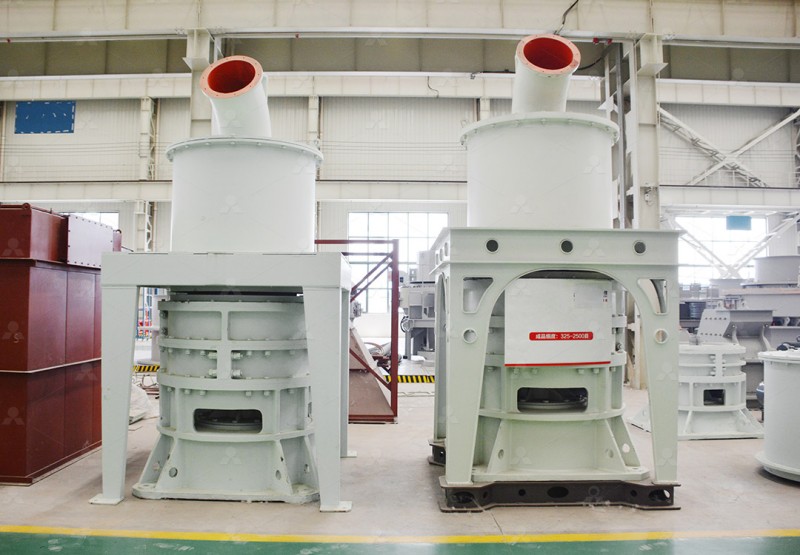
What makes the MW Ultrafine Grinding Mill particularly suitable for New Zealand conditions is its environmental performance. The integrated pulse dust collector and muffler system ensures compliance with the country’s strict environmental standards, while the external lubrication system allows for 24-hour continuous operation without shutdowns for maintenance.
2. FLSmidth
This Danish company brings global cement expertise to the New Zealand market, with a strong focus on energy-efficient solutions. Their OK™ Mill series has gained traction among local producers seeking to reduce power consumption while maintaining product quality.
3. Gebr. Pfeiffer
German engineering excellence meets New Zealand operational requirements through Pfeiffer’s MVR vertical roller mills. Their robust construction and advanced control systems make them suitable for handling the variable raw material characteristics found across different New Zealand regions.
4. Thyssenkrupp Polysius
With a comprehensive portfolio that includes both ball mills and vertical roller mills, Polysius offers New Zealand cement producers flexibility in equipment selection. Their quadropol® QMR² roller mill has proven effective for grinding cement raw materials with high moisture content.
5. KHD Humboldt Wedag
KHD’s roller press technology provides an energy-efficient alternative for pre-grinding applications, particularly valuable for New Zealand operations facing high electricity costs. Their compact designs suit space-constrained sites common in the country.
Technical Considerations for New Zealand Operations
When selecting grinding equipment for New Zealand cement plants, several factors demand careful consideration. The country’s seismic activity necessitates robust structural designs and vibration management systems. The MW Ultrafine Grinding Mill’s electronic and mechanical limiting technologies provide exactly this type of protection against disruptive vibrations.
Energy efficiency remains paramount, given New Zealand’s electricity pricing structure. The MW Ultrafine Grinding Mill’s innovative design achieves 40% higher production capacity compared to jet grinding mills with the same fineness and power requirements. For operations grinding limestone, calcite, or dolomite – all common in New Zealand – this translates to significant cost savings.
Environmental Compliance and Sustainability
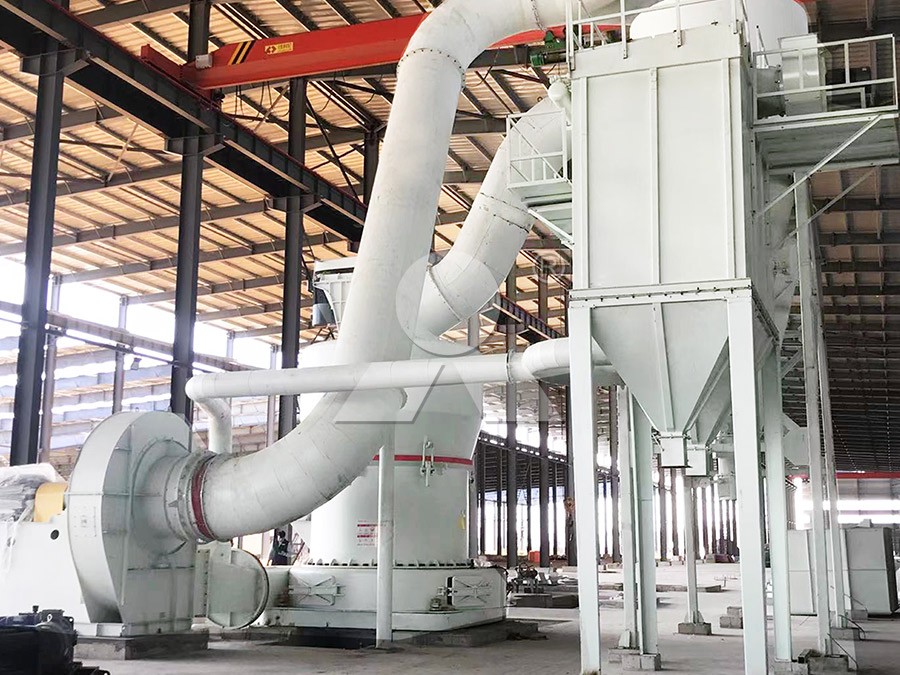
New Zealand’s Resource Management Act and emissions trading scheme place strict requirements on industrial operations. Modern grinding equipment must address dust emissions, noise pollution, and energy consumption. The MW Ultrafine Grinding Mill’s integrated environmental features – including efficient pulse dust collection and noise reduction technology – help cement producers meet these obligations while maintaining operational efficiency.
The machine’s ability to process various materials commonly used in New Zealand cement production, including limestone, gypsum, and petroleum coal, makes it a versatile solution for diverse raw material portfolios. The digitalized processing ensures consistent precision across production runs, critical for maintaining product quality standards.
Future Trends in Cement Grinding Technology
As New Zealand moves toward its carbon neutrality goals, grinding technology will continue evolving. Hybrid grinding systems, digital twin technology, and AI-driven optimization represent the next frontier. Suppliers who can offer these advanced capabilities while providing local technical support will lead the market.
The MW Ultrafine Grinding Mill’s design philosophy aligns with these future directions, offering digital control capabilities and remote monitoring options that facilitate integration with modern plant management systems.
Conclusion
Selecting the right grinding equipment represents a strategic decision for New Zealand cement manufacturers. While global suppliers offer various solutions, LIMING’s combination of technical innovation, environmental compliance, and operational reliability – exemplified by the MW Ultrafine Grinding Mill – provides a compelling option for producers seeking to optimize their grinding operations in the unique New Zealand context.
Frequently Asked Questions
What grinding fineness is typically required for cement raw materials?
Most cement raw materials require grinding to between 200 and 400 mesh, though specific requirements vary based on the manufacturing process and raw material characteristics. The MW Ultrafine Grinding Mill offers adjustable fineness between 325-2500 meshes, covering all typical cement production needs.
How does New Zealand’s seismic activity affect grinding mill selection?
Equipment with robust construction and advanced vibration management systems is essential. Features like the double position-limiting technology in modern mills provide protection against disruptive vibrations caused by external factors.
What maintenance requirements should New Zealand operators expect?
Maintenance needs vary by equipment type. The MW Ultrafine Grinding Mill’s design eliminates rolling bearings and screws in the grinding chamber, significantly reducing maintenance requirements and associated downtime.
How important is energy efficiency in grinding equipment selection?
Extremely important, as grinding can consume 40-50% of a cement plant’s total electricity. Advanced mills can reduce energy consumption by 30-50% compared to traditional ball mills, delivering substantial operational cost savings.
Can grinding equipment handle New Zealand’s variable raw material moisture content?
Modern grinding mills integrate drying capabilities, handling moisture contents up to 15-20% depending on the specific equipment. Integrated drying and grinding systems eliminate the need for separate drying equipment.
What environmental compliance features should operators prioritize?
Efficient dust collection systems, noise reduction technology, and energy-efficient operation are critical for meeting New Zealand’s environmental standards. Modern mills incorporate all these features as standard.
How does equipment capacity match New Zealand’s typical production scales?
With capacities ranging from 0.5-340 tph across different models, suitable equipment exists for everything from small specialized operations to large-scale production facilities. The MW Ultrafine Grinding Mill’s 0.5-25 tph range suits many medium-scale New Zealand operations perfectly.
What technical support is typically available from suppliers?
Reputable suppliers offer comprehensive support including installation supervision, operator training, spare parts supply, and remote technical assistance. LIMING provides complete technical services and original spare parts to ensure worry-free operation.