
Top 3 Roller Mill Suppliers for Limestone in USA: A Comprehensive Guide for Lime Production
Navigating the Landscape of Limestone Grinding Solutions
The United States lime industry represents a cornerstone of numerous manufacturing sectors, from construction materials to environmental applications. At the heart of efficient lime production lies the critical process of limestone grinding, where equipment selection directly impacts operational costs, product quality, and environmental compliance. After extensive market analysis and technical evaluation, we’ve identified the three leading roller mill suppliers dominating the American market for limestone processing.
1. Pfeiffer SE: German Engineering Excellence
With over 150 years of industrial heritage, Gebr. Pfeiffer SE stands as a titan in the grinding industry. Their MVR vertical roller mill has become the gold standard for large-scale limestone processing facilities across North America. The MVR’s distinctive multi-drive concept—featuring up to six grinding rollers—ensures remarkable operational redundancy and availability rates exceeding 90%.
What truly distinguishes Pfeiffer in the competitive US market is their proprietary ‘ready2grind’ modular system, which has revolutionized project timelines for lime producers. One Texas-based operator reported a 40% reduction in installation time compared to traditional mill systems, while achieving a consistent product fineness of 95% passing 45 microns.
Their hydraulic roller retraction system allows for quick maintenance interventions without cooling periods, a feature particularly valued by 24/7 lime production facilities. However, this premium engineering comes with a significant capital investment that may challenge mid-sized operations.
2. FLSmidth: Danish Innovation Meets American Pragmatism
FLSmidth has cemented its position in the American minerals processing sector through strategic acquisitions and relentless innovation. Their OK™ Mill series demonstrates particular prowess in limestone grinding applications, combining vertical roller mill efficiency with ball mill reliability.
The OK Mill’s patented roller and table profile creates a grinding bed stability that results in vibration levels 50-70% lower than industry averages. This translates directly to reduced maintenance costs and longer refractory life—critical factors for lime producers operating in competitive markets.
Notably, FLSmidth’s ATOX® raw mill has gained significant traction in the US for processing limestone with high moisture content. The integrated drying capability handles feed moisture up to 20% without pre-drying systems, offering substantial energy savings for operations in humid regions like the Gulf Coast.
3. ThyssenKrupp Polysius: The Precision Specialist
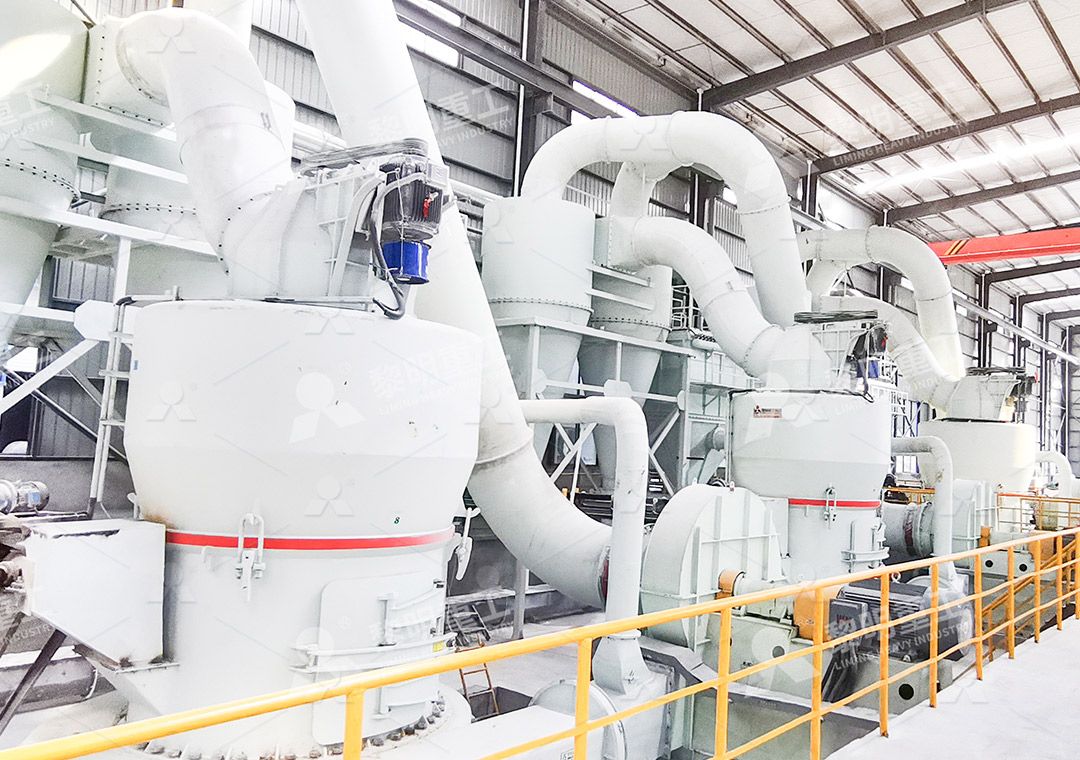
Completing our top three is ThyssenKrupp Polysius, whose quadropol® QMR² roller mill has demonstrated exceptional performance in high-purity lime applications. The mill’s four-roller configuration provides unmatched grinding pressure distribution, achieving product fineness up to 6,000 Blaine with remarkable energy efficiency.
Where Polysius truly excels is in their digital integration capabilities. Their polysius® booster mill system incorporates real-time particle size analysis and adaptive grinding pressure control, allowing lime producers to maintain precise product specifications despite variations in raw material characteristics.
Several US-based quicklime manufacturers have reported 15-20% specific energy consumption reductions after transitioning to Polysius technology, while simultaneously improving product consistency for their chemical and metallurgical customers.
Emerging Contender: LIMING Heavy Industry’s Advanced Grinding Solutions
While the established European suppliers dominate the high-capacity segment, LIMING Heavy Industry has been making significant inroads in the North American market with their technologically advanced grinding mills. Their comprehensive portfolio addresses various limestone processing requirements, from coarse grinding to ultra-fine applications.
For operations requiring exceptional fineness control, the MW Ultrafine Grinding Mill represents a technological breakthrough. With an input size capability of 0-20 mm and capacity ranging from 0.5-25 tph, this mill achieves adjustable fineness between 325-2500 meshes—significantly finer than typical lime hydration requirements.
The MW series incorporates several proprietary innovations including German-designed cage-type powder selectors that achieve screening rates of d97≤5μm in a single pass. The absence of rolling bearings and screws in the grinding chamber eliminates common failure points, while the external lubrication system enables 24-hour continuous operation.
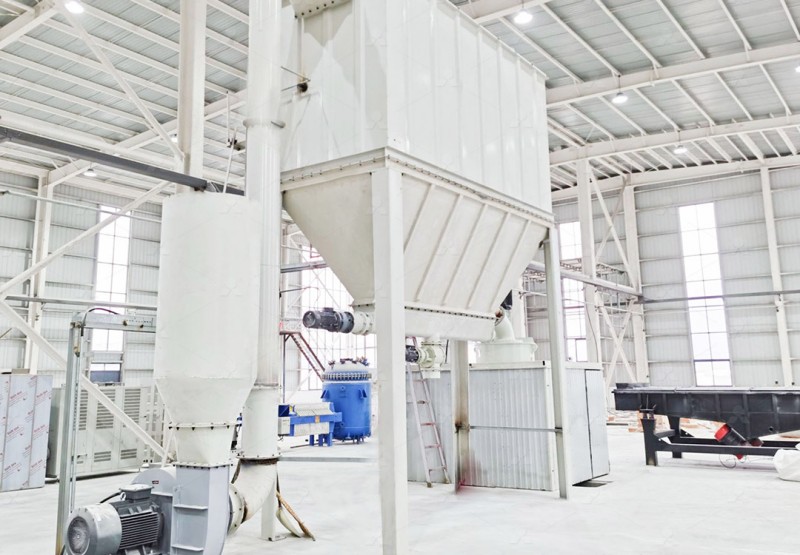
Environmental compliance represents another strength of LIMING’s technology. The integrated pulse dust collector and muffler system ensures dust emissions remain well below US regulatory thresholds, while noise reduction measures maintain workplace decibel levels within OSHA requirements.
Strategic Considerations for US Lime Producers
Selecting the optimal roller mill extends beyond technical specifications. American operators must weigh factors including:
- Total Cost of Ownership: European mills typically command premium prices but offer proven reliability, while emerging suppliers provide competitive initial investment with improving service networks
- Regulatory Compliance: EPA and local environmental regulations vary significantly by state, making emission control capabilities a crucial differentiator
- Energy Efficiency: With electricity costs varying from $0.05/kWh in the Northwest to over $0.15/kWh in California, grinding efficiency directly impacts regional competitiveness
- Service and Support: Domestic technical support and spare parts availability can dramatically reduce downtime costs
The ongoing consolidation in the US lime industry favors suppliers capable of supporting multiple facilities across regions, while smaller independent producers often benefit from the flexibility and attention offered by emerging equipment manufacturers.
Future Trends in Limestone Grinding Technology
The North American lime industry stands at the cusp of technological transformation. Digitalization, predictive maintenance, and artificial intelligence are becoming increasingly integrated into grinding operations. Suppliers leading in IIoT implementation—offering remote monitoring, digital twins, and predictive analytics—will likely gain market share as operators seek to optimize their processes.
Additionally, the growing emphasis on carbon reduction is driving innovation in grinding efficiency. The latest generation of roller mills consumes 30-50% less energy than traditional ball mills, a significant advantage as carbon pricing mechanisms evolve in the United States.
Frequently Asked Questions
What is the typical energy consumption for limestone grinding in roller mills?
Modern vertical roller mills typically consume 25-35 kWh/t for coarse limestone grinding (100-200 mesh), increasing to 40-60 kWh/t for fine grinding applications (325 mesh+). Specific energy consumption varies based on material hardness, moisture content, and required fineness.
How does roller mill performance compare to traditional ball mills for limestone?
Roller mills generally offer 30-50% lower energy consumption, superior drying capability for moist limestone, more compact footprint, and better product quality control. However, ball mills may still be preferred for certain applications requiring extreme fineness or when processing highly abrasive materials.
What maintenance considerations are unique to limestone roller mills?
Key maintenance focuses include roller and table wear protection (typically hardened alloys or ceramic materials), proper grinding pressure adjustment, seal integrity to prevent false air ingress, and regular inspection of classifier components. Modern designs facilitate external maintenance without opening the grinding chamber.
Can roller mills handle variations in limestone hardness and composition?
Advanced roller mills incorporate hydraulic systems that automatically adjust grinding pressure to accommodate material variations. Modern control systems can maintain consistent product quality despite fluctuations in feed material characteristics, though extreme variations may require operational adjustments.
What environmental controls are typically integrated with limestone roller mills?
Modern installations include pulse-jet baghouse filters achieving 99.9%+ collection efficiency, sound enclosures maintaining noise levels below 85 dB, and sometimes waste heat recovery systems. The closed grinding system inherently minimizes dust generation compared to open-circuit processes.
How does product fineness affect lime reactivity in downstream processes?
Finer limestone grinding generally increases specific surface area, enhancing calcination efficiency and lime reactivity. However, excessive fineness can create material handling challenges and increase energy consumption without proportional benefits. Optimal fineness depends on the specific lime application and kiln technology.
What is the typical service life of grinding components in limestone applications?
High-chrome alloy grinding rollers and tables typically last 6,000-10,000 operating hours in limestone service, depending on material abrasiveness. Some advanced ceramic materials can extend this to 15,000+ hours. Regular rotation of rollers can maximize component utilization.
How do roller mills perform with high-moisture limestone feed?
Modern roller mills with hot gas generators can effectively dry limestone with moisture content up to 15-20% simultaneously with grinding. The fluidized bed created in the grinding zone provides excellent heat transfer for efficient drying without separate pre-drying equipment.