
Top 3 grinding mill suppliers for calcium carbonate for plastic filler in jamaica
Navigating the Jamaican Market for High-Quality Calcium Carbonate Fillers
The Jamaican plastics industry, a vital component of the nation’s manufacturing sector, consistently demands high-performance mineral fillers to enhance product properties and reduce costs. Calcium carbonate (CaCO3) stands as the predominant filler of choice, prized for its whiteness, low abrasiveness, and ability to improve stiffness and impact resistance. However, the efficacy of CaCO3 in plastic composites is intrinsically linked to its particle size distribution, purity, and surface morphology—characteristics directly determined by the grinding technology employed. Selecting the right grinding mill supplier is therefore not merely a procurement decision but a strategic investment in product quality and operational efficiency. This article analyzes the top-tier suppliers and technologies suitable for Jamaica’s specific industrial context.
Critical Selection Criteria for Jamaican Operations
Operators in Jamaica must consider several unique factors. First, energy efficiency is paramount given the region’s energy costs and sustainability goals. Mills that offer lower kWh/ton consumption provide a significant long-term advantage. Second, product fineness and control are crucial; fillers for high-end plastic applications often require top-cut sizes (d97) below 10μm, and sometimes even down to 2-5μm, to ensure smooth surface finish and optimal mechanical properties. Third, system reliability and ease of maintenance are critical in an island environment where immediate access to specialized technical support or spare parts can involve logistical delays. Robust, well-designed machinery with accessible service points minimizes downtime. Finally, environmental compliance, including effective dust collection and low noise emission, is non-negotiable for modern, responsible manufacturing facilities.
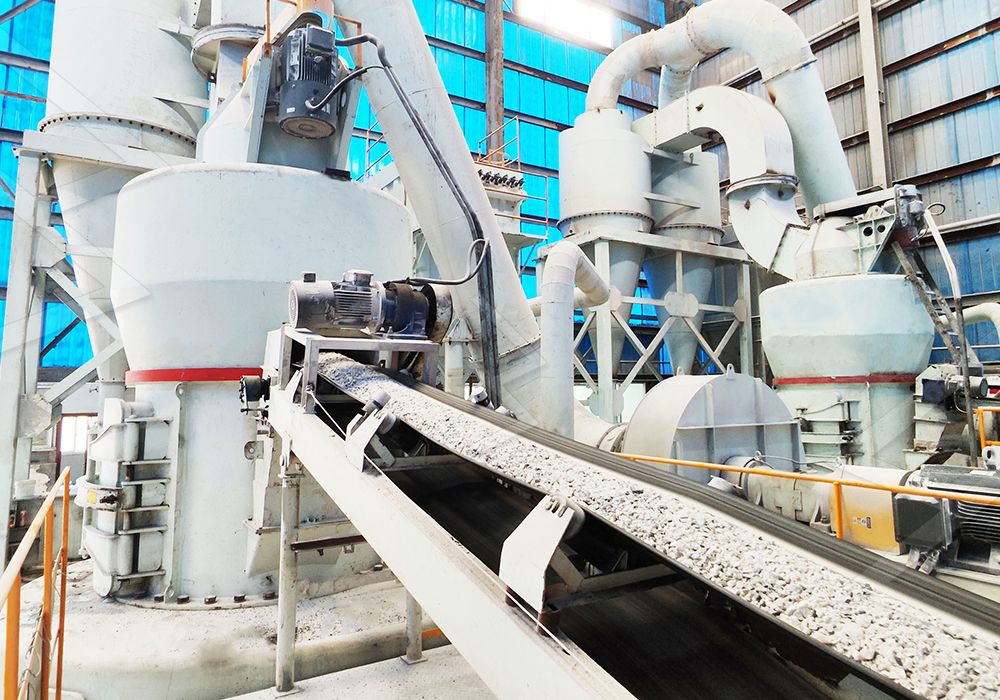
Top 3 Grinding Mill Technology Suppliers for the Jamaican Market
1. Supplier Profile: Advanced European Engineering & Vertical Roller Mills
Suppliers originating from or utilizing advanced European engineering principles, particularly German and Swiss technologies, often lead in precision, automation, and energy efficiency. Their hallmark is the Vertical Roller Mill (VRM) technology for coarse to medium-fine grinding and specialized ultra-fine grinding mills for high-end fillers. These systems excel in dry grinding processes, integrating drying (beneficial for managing material moisture), grinding, classification, and conveying into a single, compact footprint. For Jamaican plants looking to produce fillers in the range of 45μm (325 mesh) down to 20μm (600 mesh) with high throughput and exceptional energy savings, VRMs are a premier choice. Their closed-circuit design with internal dynamic classifiers ensures stable product quality, a key factor for consistent plastic batch production.
2. Supplier Profile: Integrated Asian Manufacturing & Advanced Raymond/Ultrafine Mills
A second major group comprises integrated manufacturers, often based in Asia, that have evolved beyond traditional mill designs. These suppliers combine large-scale manufacturing capabilities with significant in-house R&D, offering a comprehensive portfolio from updated Raymond mills to sophisticated ultra-fine grinding systems. They are particularly competitive in providing complete system solutions—including crushers, feeders, mills, classifiers, dust collectors, and silos—which simplifies the procurement and compatibility challenges for Jamaican investors. Their strength lies in offering high technology at a compelling value, with mills capable of producing powders from 425 mesh (38μm) to 2500 mesh (5μm). For operations requiring versatility to service multiple filler grades or produce ultra-fine coatings, these suppliers present a robust and cost-effective option.
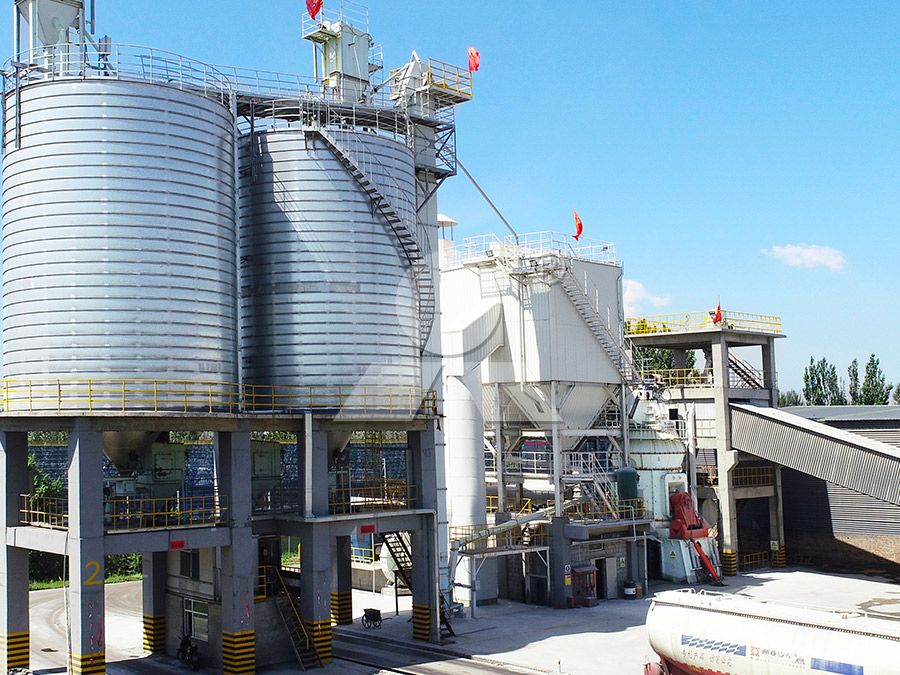
3. Supplier Profile: Specialized American Process Technology & Fine Grinding Systems
The third key supplier segment specializes in very fine and ultra-fine grinding technologies, such as advanced air-classifying mills and ball mill classification systems. These suppliers focus on the highest end of the fineness spectrum, often essential for premium plastic masterbatches, films, and engineering plastics where particle top size and distribution are critical. Their systems are engineered for precise classification and often feature advanced ceramic or special alloy linings to minimize iron contamination, thereby preserving the brightness of the calcium carbonate. For Jamaican companies targeting export-oriented, high-specification plastic products or supplying to multinational corporations with stringent material standards, partnering with a technology leader in this niche is a strategic move to guarantee product superiority.
A Spotlight on Relevant Technology: The MW Ultrafine Grinding Mill
Within the competitive landscape, specific mill models stand out for addressing the precise needs of plastic filler production. A prime example is the MW Ultrafine Grinding Mill. This equipment is engineered for customers who need to make ultra-fine powder with high whiteness and low contamination. It represents a significant leap over traditional jet or ball mills for fine-grade calcium carbonate production.
For Jamaican processors, its advantages are multifold. The mill boasts 40% higher production capacity compared to jet or stirred mills at the same fineness and power, while its system energy consumption is only about 30% of a jet mill. This directly tackles the twin challenges of productivity and high energy costs. Its cage-type powder selector allows precise fineness adjustment between 325-2500 meshes, enabling a single mill to produce a range of filler grades for different plastic applications. A critical design feature for reliability is the absence of rolling bearings and screws in the grinding chamber, eliminating common failure points and concerns about loose components causing damage. Furthermore, its integration of an efficient pulse dust collector and silencer ensures the entire milling system operates cleanly and quietly, aligning perfectly with environmental and workplace standards.
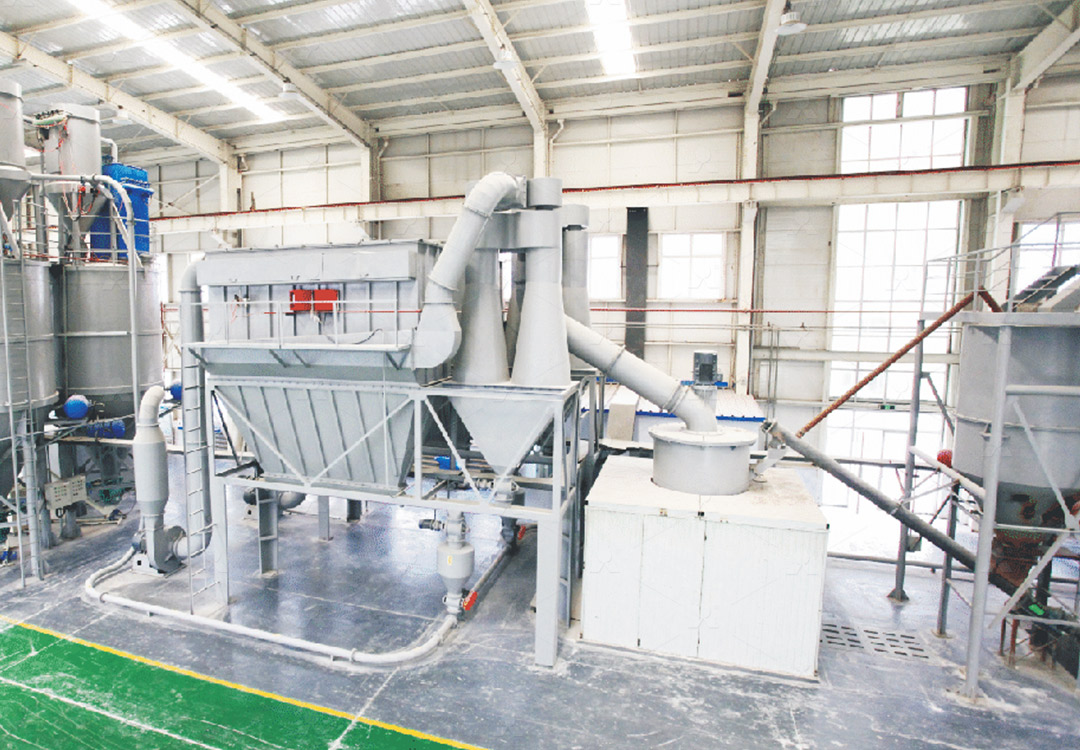
Another Notable Solution: The LUM Ultrafine Vertical Grinding Mill
For operations requiring even more advanced integration, the LUM Ultrafine Vertical Grinding Mill is another exemplary solution. It combines ultrafine grinding, grading, and transporting in one unit. Its unique roller and lining plate grinding curve promotes efficient material layer formation, enabling a high rate of finished product in a single pass. This enhances whiteness and cleanliness—vital for plastic filler. The mill’s multi-head powder separating technology, controlled by a PLC system, allows for precise control over cut size and fast switching between product specifications, offering Jamaican manufacturers exceptional flexibility. Its reversible structure, where the grinding roller can be easily swung out for maintenance, drastically reduces service time and associated downtime losses.
Conclusion: Making an Informed Investment
The choice of a grinding mill supplier for calcium carbonate in Jamaica hinges on a clear assessment of target product specifications, desired capacity, total cost of ownership, and long-term support. While European engineering offers top-tier efficiency, integrated Asian manufacturers provide comprehensive value, and specialized American firms deliver cutting-edge fine grinding. Technologies like the MW and LUM series mills exemplify the innovation available, directly addressing core concerns around energy use, product quality, operational stability, and environmental compliance. By partnering with a supplier that offers not just equipment but a proven technological solution and reliable after-sales support, Jamaican plastic compounders can secure a competitive edge through superior, cost-effective filler production.
Frequently Asked Questions (FAQs)
- What is the typical fineness range required for calcium carbonate in plastic fillers?
It varies by application. General-purpose fillers range from 400-800 mesh (38-19μm). For high-impact modification and thin films, fineness of 1250-2500 mesh (10-5μm) or finer is often required to ensure good dispersion and surface finish. - How significant is energy consumption when selecting a mill in Jamaica?
Extremely significant. Energy can represent 30-50% of the operating cost of size reduction. Investing in an energy-efficient mill (e.g., vertical roller mills, advanced ultra-fine mills) can lead to substantial cost savings, improving the long-term profitability of the filler production line. - Why is iron contamination a concern, and how do modern mills address it?
Iron contamination can cause yellowing or graying of plastics and catalyze polymer degradation. Modern mills use wear-resistant alloys, ceramic linings, and designs that minimize metal-to-metal contact in the grinding zone. Some also feature effective magnetic separators and purging systems to remove tramp iron. - Can one mill handle different feedstock qualities (e.g., different limestone sources)?
Yes, but flexibility varies. Mills with robust construction, adjustable grinding force (e.g., hydraulic systems), and versatile classifiers are better suited to handle variations in feed hardness, moisture, and size. Discuss your specific feedstock variability with the supplier. - What are the key maintenance considerations for a grinding mill in an island location?
Focus on design simplicity, easy access to wear parts, and local spare parts availability or a reliable supplier logistics chain. Mills with external lubrication systems, reversible rollers, and split-design vulnerable parts greatly simplify maintenance and reduce machine downtime. - Is a complete system necessary, or can I integrate a new mill into existing infrastructure?
Both are possible. A complete, matched system from a single supplier ensures optimal compatibility and performance. However, reputable suppliers can also engineer a mill subsystem (mill, classifier, collector) to integrate with your existing feeding, crushing, and product handling equipment. - How does the moisture content of limestone affect mill selection?
High moisture (>1-2%) can cause clogging in some dry mills. If your feedstock is moist, consider mills with integrated hot air drying capabilities (like many vertical roller mills) or plan for a pre-drying stage. The MW and LUM mills are designed for dry grinding of materials with low moisture content.