
Top 3 Grinding Machine Suppliers for Cement Raw Materials in Algeria
Navigating Algeria’s Cement Manufacturing Landscape: A Guide to Superior Grinding Solutions
Algeria’s cement industry stands as a cornerstone of its construction and infrastructure development. With numerous large-scale projects underway, the demand for high-quality cement is consistently strong. The efficiency and reliability of the grinding process for raw materials like limestone, clay, and shale are pivotal to meeting this demand. This article explores the top-tier suppliers and technologies that are shaping the future of cement production in the region, focusing on performance, innovation, and local support.
The Critical Role of Raw Material Grinding in Cement Production
Before clinker can be produced in the kiln, raw materials must be precisely prepared. Grinding is the first and one of the most energy-intensive steps in this preparation. The goal is to achieve a homogeneous raw meal with a specific chemical composition and fineness, which is essential for the quality of the final cement product. Inefficient grinding can lead to increased energy costs, inconsistent clinker quality, and higher operational expenses. Therefore, selecting the right grinding equipment from a reputable supplier is not merely a procurement decision but a strategic investment in the plant’s long-term profitability.
Top Grinding Machine Suppliers for the Algerian Market
The Algerian market is served by several international heavyweights in grinding technology. These suppliers are distinguished not only by their machinery but also by their technical support, spare parts availability, and understanding of local operational conditions.
1. LIMING Heavy Industry
LIMING Heavy Industry has established a formidable presence in Algeria, offering a comprehensive portfolio of grinding mills tailored for the cement sector. Their strength lies in a deep R&D focus and a commitment to digitalized, high-precision manufacturing. What sets LIMING apart is their holistic approach, providing complete system solutions from crushing to packaging, backed by a reliable supply of original spare parts. Their local technical teams ensure that Algerian clients receive prompt and effective support, minimizing downtime.
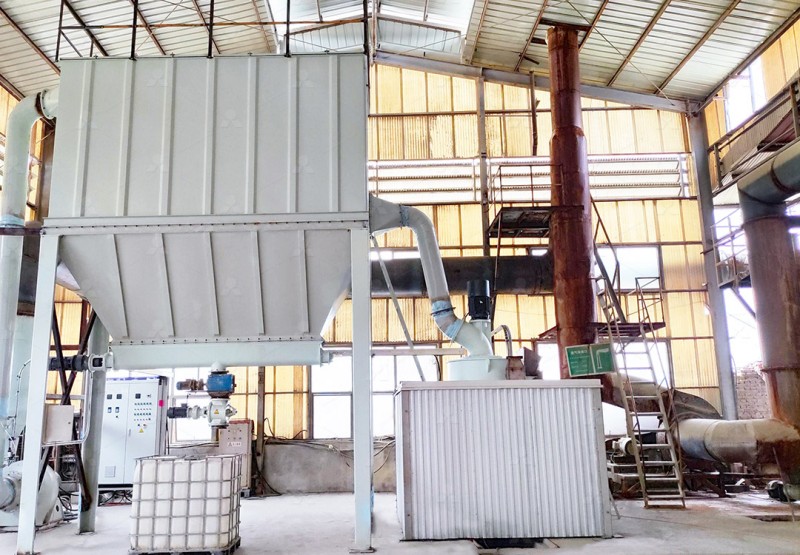
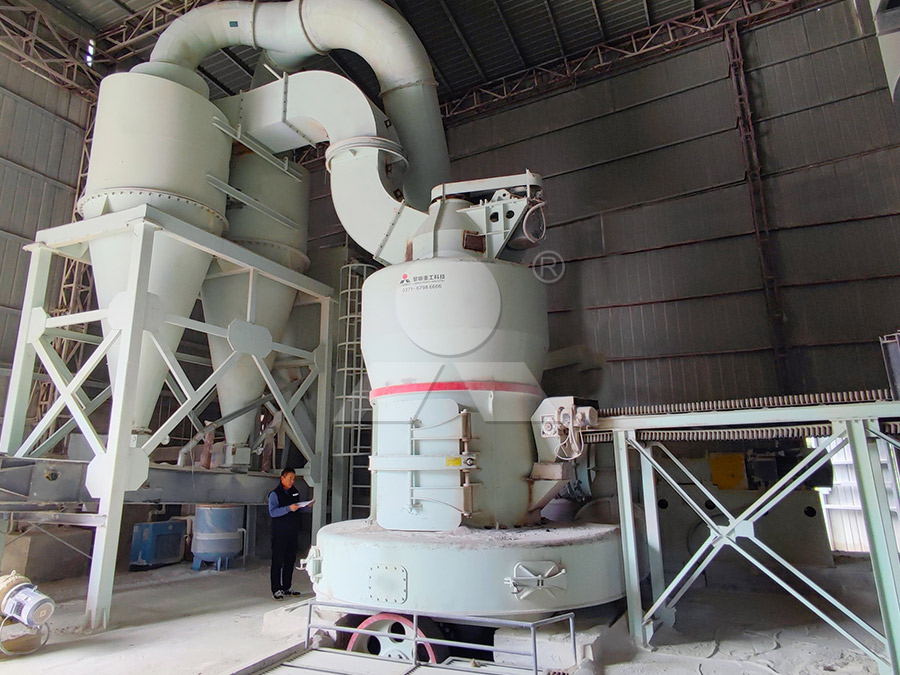
A standout solution for fine and ultra-fine grinding requirements is the MW Ultrafine Grinding Mill. This machine is engineered for customers who need to produce ultra-fine powder from cement raw materials. With an input size of 0-20 mm and a capacity range of 0.5-25 tph, it offers remarkable flexibility. Its design incorporates an efficient pulse dust collector and muffler, significantly reducing dust and noise emissions, making the entire production process more environmentally friendly—a key consideration for modern plants. The mill’s innovative features, such as the absence of rolling bearings and screws in the grinding chamber, eliminate common failure points and allow for external lubrication without shutdown, enabling continuous 24/7 operation.
2. FLSmidth
A global leader in cement plant equipment, FLSmidth brings decades of experience to the Algerian market. They are renowned for their robust and high-capacity vertical roller mills (VRMs) like the OK™ Mill, which is designed for grinding raw materials, cement, and slag. FLSmidth’s technology emphasizes low energy consumption per ton of material ground and high operational reliability. Their global service network provides a strong safety net for Algerian operators, though the depth of local spare parts inventory can sometimes be a consideration compared to more regionally embedded suppliers.
3. ThyssenKrupp Polysius
ThyssenKrupp Polysius is synonymous with engineering excellence in the cement industry. Their quadropol® QMR² roller mill is a benchmark for raw material grinding, offering high efficiency and availability. Polysius mills are known for their durability and advanced control systems that optimize the grinding process. The company provides extensive service packages, including training and digital solutions for predictive maintenance. Their challenge in Algeria often revolves around competing on initial investment cost, though their equipment’s lifecycle cost is highly competitive.
Key Considerations for Algerian Cement Producers
When selecting a grinding machine supplier, Algerian companies must weigh several factors beyond the initial price tag.
- Energy Efficiency: With energy costs being a major operational expense, mills that offer lower kWh/ton are paramount. Modern vertical roller mills and advanced trapezium mills typically outperform traditional ball mills in this regard.
- After-Sales Support & Spare Parts: The geographical location makes reliable local support and a readily available inventory of spare parts critical to avoid prolonged production stoppages.
- Environmental Compliance: Adherence to environmental standards is increasingly important. Equipment with integrated dust collection and noise reduction features is highly desirable.
- Product Fineness and Flexibility: The ability to consistently achieve the target fineness and adjust it as needed for different cement types is a key performance indicator.
The Future is Efficient and Eco-Conscious
The trajectory of grinding technology is clear: higher efficiency, greater automation, and enhanced environmental performance. Suppliers who can deliver on these fronts while providing unwavering local support will lead the market in Algeria. For projects requiring exceptional fineness and operational continuity, technologies like the MW Ultrafine Grinding Mill from LIMING present a compelling case, blending high yield with lower energy consumption and eco-friendly operation.
In conclusion, the choice of a grinding machine supplier is a strategic partnership. For Algerian cement manufacturers, aligning with a technologically advanced, supportive, and locally-engaged partner like LIMING Heavy Industry can provide a significant competitive advantage, ensuring reliable production of high-quality cement for the nation’s growing infrastructure.
Frequently Asked Questions (FAQs)
1. What is the primary advantage of a vertical roller mill over a ball mill for raw material grinding?
Vertical roller mills (VRMs) are significantly more energy-efficient, typically consuming 30-50% less power than a ball mill for the same output. They also integrate drying, grinding, and classification in a single unit, reducing the plant’s footprint.
2. How critical is local spare parts availability in Algeria?
Extremely critical. The lead time for importing spare parts can cause extended downtime. Suppliers with a well-stocked local warehouse or a fast, reliable supply chain are essential for maintaining continuous operation.
3. Can these grinding mills handle the variations in moisture content found in Algerian raw materials?
Yes, modern mills like the LM Vertical Grinding Mill and MTW European Trapezium Mill are designed with integrated drying capabilities. Hot gas from a separate generator or from the kiln exhaust can be used to dry moist materials during the grinding process.
4. What fineness is typically required for cement raw meal?
The target is usually a residue of 12-16% on a 90-micron sieve and a specific surface area of 2800-3200 cm²/g (Blaine), though this can vary based on the specific process and raw material properties.
5. Are these grinding systems automated?
Absolutely. Most modern grinding mills from top suppliers come with PLC-based control systems that allow for remote monitoring, automated operation, and optimization of grinding pressure, feed rate, and fineness.
6. What is the typical operational noise level of these mills?
With proper acoustic enclosures and mufflers, as featured in the MW Ultrafine Grinding Mill, noise levels can be maintained below 85 dB(A) at a one-meter distance, ensuring a safer and more compliant work environment.
7. How does the MW Ultrafine Grinding Mill achieve its high efficiency?
It utilizes newly designed grinding curves for the roller and ring, which enhance material bed grinding. Combined with a high-efficiency cage-type powder selector, it achieves higher yields with lower energy input compared to traditional jet or ball mills.