
Top 10 tips for better cement kiln fuel results using coal
Top 10 Tips for Better Cement Kiln Fuel Results Using Coal
Optimizing coal preparation and combustion is a cornerstone of efficient, cost-effective, and environmentally sound cement production. The quality of pulverized coal directly impacts flame stability, clinker quality, specific heat consumption, and emissions. Based on extensive industry experience, here are ten actionable tips to enhance your kiln fuel performance.
1. Prioritize Consistent Coal Feed Quality
Variability in raw coal quality—be it moisture, ash content, or calorific value—is the primary enemy of stable kiln operation. Inconsistent feed leads to erratic combustion, temperature fluctuations, and compromised clinker chemistry. Implement strict quality control at the source and consider blending strategies to average out variations before the coal even reaches the grinding circuit.
2. Master Moisture Control
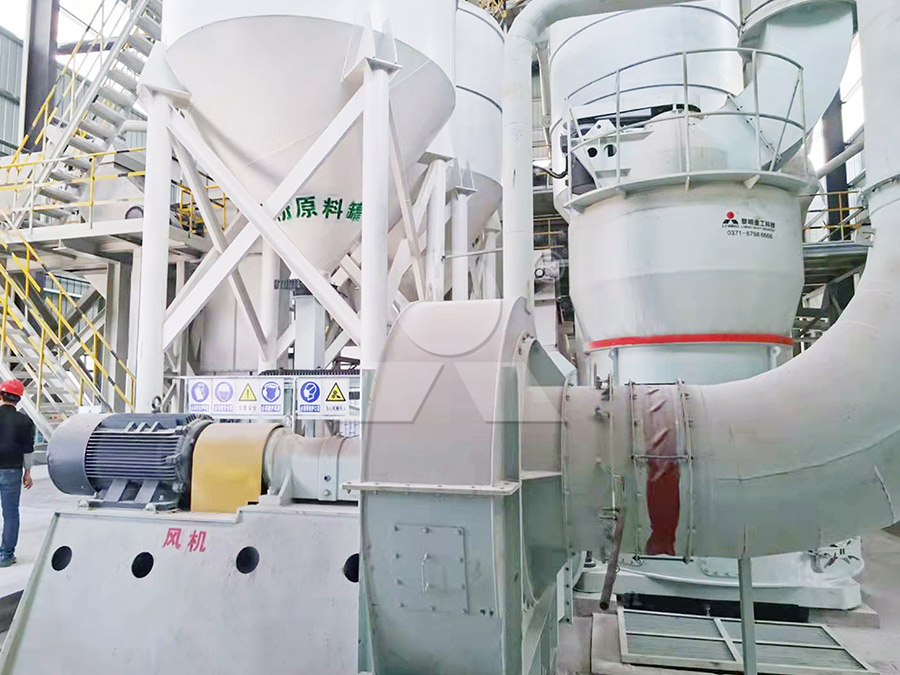
High moisture content in feed coal drastically reduces grinding efficiency, increases mill power consumption, and can lead to clogging in storage and feed systems. It also steals valuable heat in the kiln, used for evaporation rather than clinkering. Ensure your raw coal storage is covered and consider integrated drying within the grinding system, especially for coals with inherent or surface moisture above 8-10%.
3. Achieve and Maintain Optimal Fineness
This is non-negotiable. Coal fineness directly affects burnout time and completeness. For rotary kiln main burners, a target of 10-15% residue on a 90-micron (170 mesh) sieve is typical. Inadequate fineness leads to unburned carbon in ash, reducing efficiency and potentially contaminating the clinker. Over-grinding, however, wastes energy. The key is precise, consistent control.
4. Select the Right Grinding Technology
Not all mills are created equal for coal preparation. While traditional ball mills are common, vertical roller mills (VRMs) have become the industry benchmark for fuel grinding due to their superior drying capacity and lower specific energy consumption. For operations seeking the pinnacle of efficiency in producing ultra-fine or highly consistent coal powder, advanced vertical mills are indispensable.
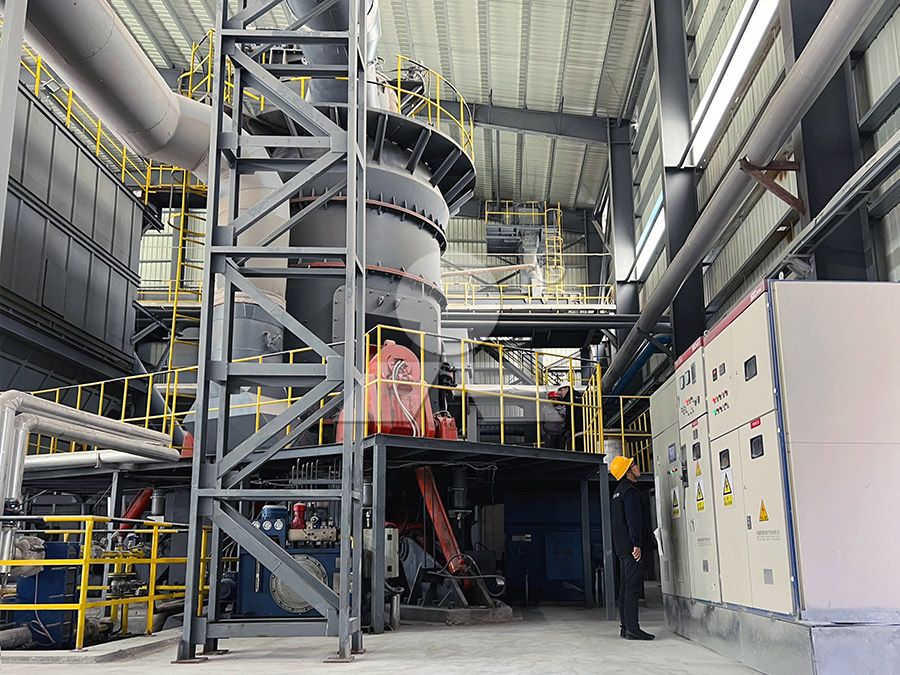
For instance, our LUM Ultrafine Vertical Grinding Mill is engineered specifically for high-performance mineral and coal powder production. It integrates ultrafine grinding, grading, and transporting with remarkable efficiency. Its unique roller shell and lining plate grinding curve promote stable material layer formation, enabling a high rate of finished product in a single pass. This design not only boosts output but also enhances the whiteness and cleanliness of the powder—a critical factor for product quality. With PLC-controlled multi-head powder separating technology, it achieves precise fineness control between 325-2500 meshes while reducing energy consumption by 30%-50% compared to conventional mills.
5. Optimize Particle Size Distribution (PSD)
Fineness is one metric; a balanced PSD is another. A good PSD ensures rapid ignition of fine particles while the slightly coarser fraction sustains the flame core. A mill with a high-efficiency, modern classifier—like a cage-type or dynamic separator—is crucial for achieving a sharp, controllable cut point and rejecting coarse particles effectively for re-grinding.
6. Integrate Efficient Drying
For wet or high-moisture coals, a grinding system that combines drying is essential. Hot gas (often from the kiln or cooler exhaust) is introduced into the mill to evaporate moisture concurrently with grinding. Ensure your system is designed to handle the required gas volume and temperature without compromising grinding stability or creating safety risks (like mill inlet temperatures exceeding safe limits for the coal type).
7. Minimize System Air In-Leakage
Uncontrolled air ingress into a negative-pressure coal grinding and conveying system dilutes the primary air, lowers its temperature, and can disrupt the carefully balanced air-to-fuel ratio at the burner. Regularly inspect and maintain seals on mill doors, ductwork flanges, and feeder connections to ensure system integrity.
8. Implement Smart Process Control & Monitoring
Move from manual adjustments to automated, sensor-based control. Key parameters to monitor and control include: mill feed rate, grinding pressure (for VRMs), differential pressure across the mill, outlet temperature, and baghouse pressure. Linking these to the kiln’s burning zone temperature and oxygen levels can create a feedback loop for truly optimized combustion.
9. Ensure Regular and Proactive Maintenance
Wear parts like grinding rollers, tables, and classifier blades directly impact fineness and output. Establish a predictive maintenance schedule based on operating hours and monitored mill vibration/power draw. Choosing equipment designed for easier maintenance reduces downtime significantly.
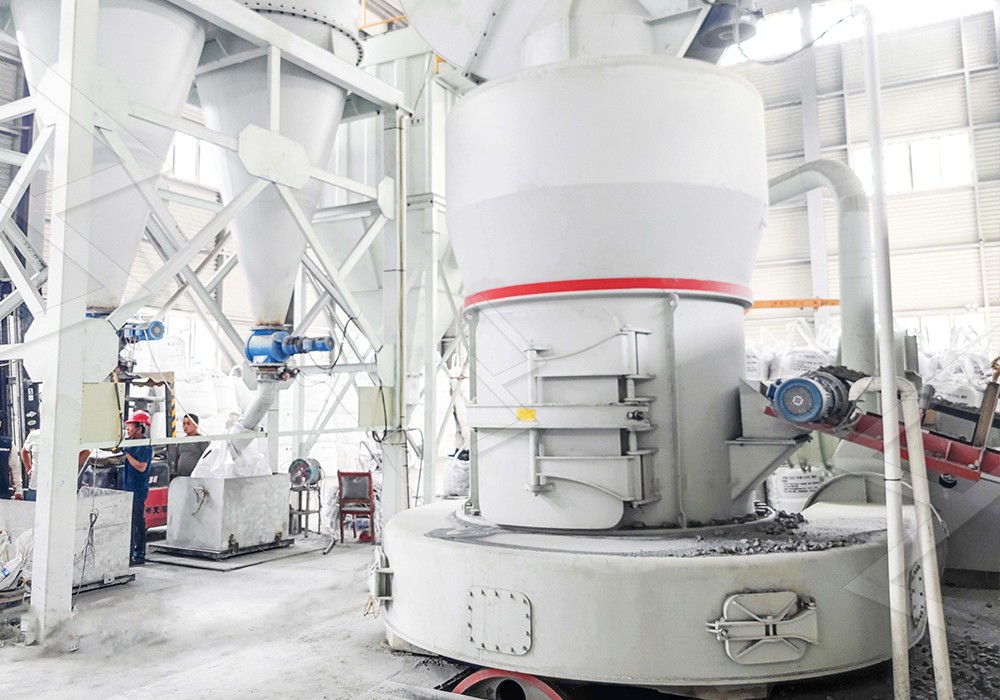
This is where the design philosophy behind our MW Ultrafine Grinding Mill shines. It is built for reliability and minimal intervention. A key feature is the absence of rolling bearings and screws inside the grinding chamber, eliminating common failure points and concerns about seal damage. Furthermore, its external lubrication system allows for lubrication without shutdown, supporting continuous 24/7 operation—a vital advantage for kiln fuel supply. With an input size of 0-20 mm and a capacity range of 0.5-25 tph, it’s a robust solution for dedicated, high-quality coal powder production lines.
10. Focus on Complete System Efficiency, Not Just the Mill
View the coal preparation system holistically. The efficiency gains from a high-performance mill can be eroded by an inefficient fan, a leaky baghouse, or poor insulation on hot gas ducts. Conduct regular system audits to identify and rectify losses in ancillary equipment. The goal is to deliver the correct quantity and quality of pulverized coal to the burner with the lowest total system energy expenditure.
Conclusion
Superior cement kiln fuel results stem from a chain of optimized processes, starting with raw coal and culminating in a stable, intense flame. By focusing on consistency, embracing advanced grinding and classification technology, and implementing rigorous process control, producers can achieve significant gains in fuel efficiency, product quality, and operational cost savings. Investing in the right preparation equipment is not an expense but a strategic lever for long-term profitability and sustainability.
Frequently Asked Questions (FAQs)
Q1: What is the single most important factor in coal grinding for kiln fuel?
A: Achieving and maintaining consistent fineness with an appropriate particle size distribution. Inconsistency here directly causes combustion instability in the kiln.
Q2: Why are Vertical Roller Mills (VRMs) often preferred over ball mills for coal grinding?
A: VRMs offer significantly better energy efficiency (30-50% less power), superior drying capability for moist coal, and more compact footprints. They also allow for quicker adjustment of product fineness.
Q3: How does coal fineness affect kiln emissions?
A: Inadequate fineness leads to incomplete combustion, increasing emissions of carbon monoxide (CO) and unburned hydrocarbons. It can also raise NOx levels if operators compensate with higher flame temperatures to burn coarse particles.
Q4: Can the same mill effectively grind different types of coal (e.g., bituminous vs. pet coke)?
A: High-quality mills with adjustable grinding pressure and classifier speed can handle a range of fuels. However, significant changes in fuel hardness (HGI) or moisture will require operational parameter adjustments and may impact throughput. It’s best to consult with the equipment manufacturer.
Q5: What are the signs of excessive wear in a coal grinding mill?
A: Key indicators include a gradual increase in mill power draw at constant output, a rise in the residue on the fineness sieve, increased vibration, and a drop in output for a given power input.
Q6: How critical is the classifier in a coal mill system?
A: Extremely critical. The classifier (or separator) is responsible for ensuring only particles of the desired fineness leave the mill. An inefficient or worn classifier will allow coarse particles to pass, degrading fuel performance, or will over-recycle material, wasting energy.
Q7: What safety aspects are paramount in coal grinding systems?
A: The primary risks are fire and explosion. Essential measures include strict control of mill inlet temperature (below the ignition point of the coal), inerting (e.g., with CO2 or N2) during start-up/shutdown, explosion vents, and comprehensive monitoring for CO levels and spark detection in the baghouse.