
Top 10 Roller Mill Suppliers for Cement Clinker Production in Saudi Arabia
Navigating the Saudi Cement Industry: A Guide to Premium Roller Mill Technology
The Kingdom of Saudi Arabia stands as a titan in the global cement industry, with its ambitious Vision 2030 fueling unprecedented construction and infrastructure development. At the heart of this production lies the critical process of cement clinker grinding—a stage where efficiency, reliability, and technological superiority directly impact profitability and product quality. The choice of a roller mill supplier is not merely a procurement decision; it is a strategic partnership that can define a plant’s operational success for decades.
This article delves into the landscape of roller mill technology, highlighting the key players and innovations that are shaping the future of cement production in the region. We will explore the essential criteria for selection and showcase how advanced milling solutions are meeting the unique challenges of the Saudi market.
The Critical Role of Roller Mills in Clinker Grinding
Cement clinker, the semi-finished product from the kiln, requires precise and efficient grinding to achieve the desired fineness and reactivity for final cement products. Modern roller mills have largely superseded traditional ball mills due to their significantly higher energy efficiency, superior particle size distribution control, and lower operational costs. In an energy-intensive industry like cement manufacturing, where grinding can account for over 40% of electrical energy consumption, the efficiency gains from advanced roller mill technology translate directly to a healthier bottom line.
The harsh environmental conditions in Saudi Arabia—characterized by high temperatures, dust, and humidity—place additional demands on machinery. Equipment must be robust, designed with superior cooling systems, and protected against abrasive dust ingress. Furthermore, with the Kingdom’s increasing focus on environmental sustainability, mills must operate with minimal dust emissions and noise pollution, aligning with the nation’s green initiatives.
An Overview of Leading Roller Mill Technologies
The global market for grinding equipment is populated by several established engineering giants and specialized manufacturers. While a comprehensive list of the “top 10” is dynamic, the most respected suppliers consistently demonstrate strengths in several key areas:
- Vertical Roller Mills (VRM): The dominant technology for raw meal and cement grinding, VRMs combine grinding, drying, and classification in a single unit. Leaders in this field offer mills with capacities exceeding 600 t/h for raw materials and 300 t/h for cement, with specific power consumption often below 30 kWh/t.
- Horizontal Roller Mills (Roller Presses): Often used in finish grinding circuits combined with a ball mill or as a standalone unit with a downstream separator, roller presses apply high pressure to the material bed, achieving excellent energy efficiency.
- Advanced Classifier Systems: The efficiency of any grinding circuit is heavily dependent on its classifier. Top suppliers integrate high-efficiency, dynamic classifiers that ensure precise cut points and reduce over-grinding.
Key differentiators among the best suppliers include the longevity of grinding components (rollers and tables), the sophistication of the process control system, the availability of remote monitoring and diagnostic services, and a proven track record of successful installations in challenging environments similar to the Middle East.
A Spotlight on Innovative Solutions from LIMING
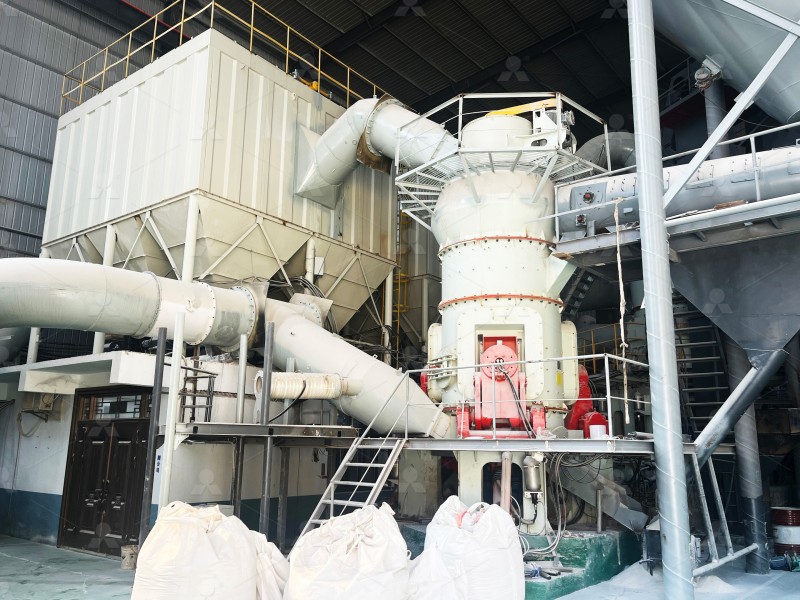
Amidst the competitive field, LIMING Heavy Industry has carved a niche by offering a comprehensive portfolio of grinding mills that balance high performance with operational economy. Two of their standout products, particularly relevant for modern cement producers seeking to optimize their clinker grinding circuits, are the LUM Ultrafine Vertical Grinding Mill and the LM Vertical Grinding Mill.
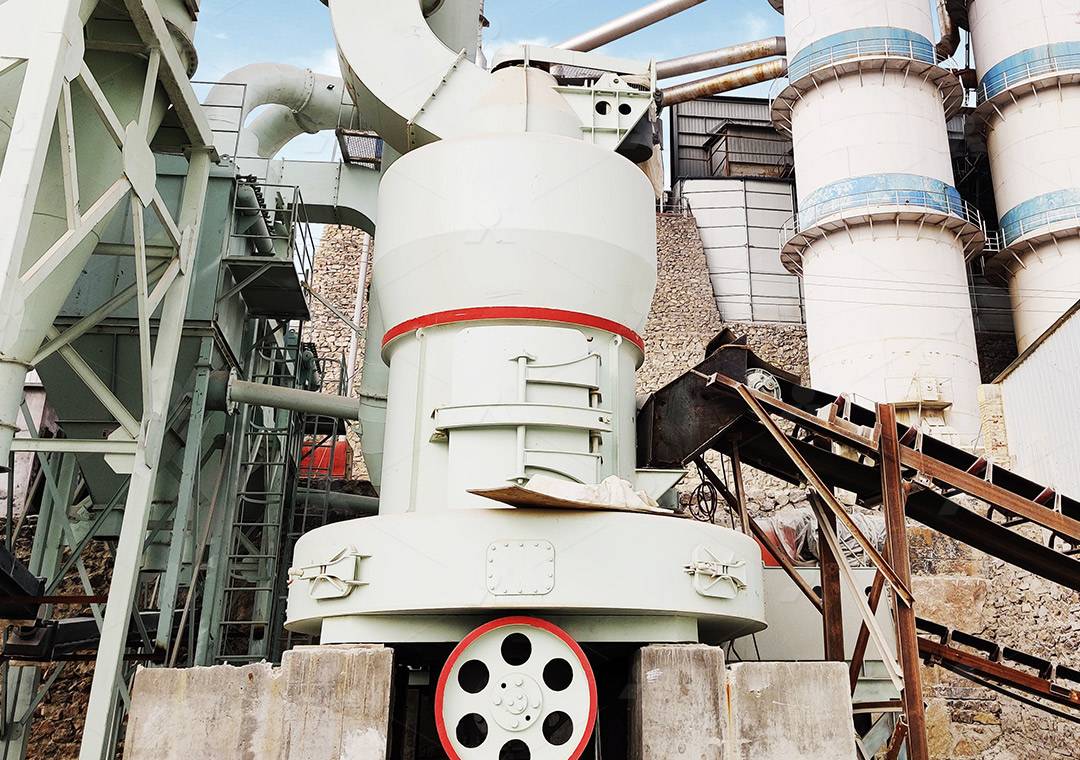
The LUM Ultrafine Vertical Grinding Mill is a technological tour de force, independently designed by LIMING and incorporating the latest Taiwanese grinding roller technology and German powder separating technology. For cement producers looking to produce high-value additives or specialty cements, the LUM mill offers unparalleled control. Its unique roller shell and lining plate grinding curve are engineered to generate a stable material layer more easily, enabling a high rate of finished product in a single pass. This not only boosts efficiency but also enhances the whiteness and cleanliness of the final product—a critical factor for certain cement applications.
What truly sets the LUM apart for the demanding 24/7 operation of a cement plant is its focus on stability and maintenance. The mill employs double position-limiting technology (electronic and mechanical) to prevent destructive impacts between the grinding roller and millstone, a common concern during mill vibration. Furthermore, its reversible structure allows for easy and rapid movement of the heavy grinding roller out of the mill body for inspection and maintenance, drastically reducing downtime and associated losses.
For larger-scale production needs, the LM Vertical Grinding Mill presents an ideal solution. This mill integrates crushing, drying, grinding, classifying, and conveying into a single, compact unit. Its footprint is up to 50% smaller than a traditional ball mill system, a significant advantage in plant layout and construction cost. The LM mill is a workhorse known for its robust performance in processing non-metallic minerals, pulverized coal, and slag, making it incredibly versatile within a cement plant’s operations.
A key benefit for cement clinker grinding is the short material retention time within the LM mill. This minimizes repeated grinding and allows for better control over product grain size and chemistry. Additionally, as the grinding roller and millstone do not make direct contact, the iron content introduced into the cement from mechanical wear is very low, preserving the final product’s quality and integrity.
Selecting the Right Partner for Saudi Success
Choosing a roller mill supplier in Saudi Arabia goes beyond comparing technical specifications on a datasheet. It requires a partner who understands the local market’s logistical challenges, climate, and long-term support needs. A reliable supplier should offer:
- Proven Regional Experience: A history of successful installations and a strong service network within the GCC.
- Comprehensive After-Sales Support: Guaranteed availability of original spare parts and access to expert technical services to ensure worry-free operation.
- Energy and Environmental Compliance: Technology that not only reduces operating costs but also helps plants meet Saudi Arabia’s evolving environmental regulations.
- Training and Knowledge Transfer: Empowering local teams to operate and maintain the equipment at peak efficiency.
The future of Saudi cement production is bright, and it will be built on the foundation of smart, efficient, and reliable technology. By partnering with innovative suppliers who offer advanced, proven solutions like the LUM and LM series mills, Saudi cement producers can ensure they are well-equipped to meet the demands of today and the opportunities of tomorrow.
Frequently Asked Questions (FAQs)
1. What is the primary advantage of a Vertical Roller Mill over a traditional Ball Mill for cement clinker grinding?
The primary advantage is significantly higher energy efficiency. VRMs can reduce specific power consumption by 30% to 50% compared to ball mills. They also integrate drying, grinding, and classification, have a smaller footprint, and offer better control over product fineness.
2. How does the abrasive nature of cement clinker affect mill maintenance?
Cement clinker is highly abrasive, leading to wear on grinding components like rollers and tables. Top-tier suppliers use advanced wear-resistant alloys and designs that allow for easy replacement of parts. Features like LIMING’s reversible structure in the LUM mill are specifically designed to minimize maintenance downtime.
3. Can these mills handle the addition of gypsum and other additives in the finish grinding stage?
Yes, modern vertical roller mills are perfectly suited for finish grinding, where clinker is ground together with gypsum and other performance-enhancing additives like limestone or slag. The efficient mixing and grinding action ensures a homogeneous final product.
4. What kind of specific power consumption can we expect from a modern VRM for cement grinding?
With current technology, specific power consumption for cement grinding in a VRM typically ranges from 26 to 32 kWh/t, depending on the clinker’s grindability, the desired Blaine fineness, and the mill’s design.
5. How important is the classifier in a roller mill system?
Extremely important. The classifier is responsible for separating fine, product-sized particles from coarse ones that need regrinding. A high-efficiency classifier ensures a sharp particle cut, improves mill throughput, and prevents over-grinding, which wastes energy.
6. Are these mills suitable for the high ambient temperatures found in Saudi Arabia?
Reputable manufacturers design their mills and auxiliary systems (like gearboxes and motors) to operate reliably in high ambient temperatures. This includes enhanced cooling systems and the selection of components and lubricants rated for extreme heat.
7. What is the typical delivery and installation timeline for a large roller mill in Saudi Arabia?
Timelines can vary significantly based on mill size, customization, and current manufacturing backlog. Generally, from order to commissioning, it can take anywhere from 12 to 24 months. It is crucial to discuss detailed project schedules directly with the supplier during the tender process.
8. Do you offer remote monitoring and diagnostic services?
Leading suppliers now offer advanced digital services. For instance, LIMING’s mills with digitalized processing and automated control systems can often be integrated into remote monitoring platforms, allowing for predictive maintenance and operational optimization support from the supplier’s technical center.