
Top 10 raymond mill suppliers for bentonite for drilling mud in oman
Navigating the Omani Market: A Guide to Bentonite Grinding for Drilling Fluids
The Sultanate of Oman’s robust oil & gas and construction sectors create a consistent, high-demand market for quality drilling mud. At the heart of effective water-based mud systems lies bentonite clay, prized for its viscosity, filtration control, and hole-cleaning capabilities. However, the performance of bentonite is intrinsically linked to its fineness and purity post-grinding. Selecting the right milling equipment and a reliable supplier is not just a purchase; it’s a strategic investment in operational efficiency and well integrity.
This article explores the critical considerations for choosing Raymond mill suppliers and technology for bentonite processing in Oman, highlighting key players and technological advancements that define the top tier of the market.
The Bentonite Benchmark: Why Grinding Precision Matters
For drilling applications, bentonite must achieve a specific particle size distribution. Over-grinding can degrade the clay’s crystalline structure, reducing yield and gel strength. Under-grinding leads to poor hydration, coarse particles, and inadequate fluid loss control. The ideal mill must offer adjustable fineness with high classification accuracy. Furthermore, Omani operations prioritize equipment that delivers high throughput with lower energy consumption—a crucial factor given regional power costs—and exceptional reliability to minimize downtime in remote locations.
Core Considerations for Supplier Selection in Oman
When evaluating the top Raymond mill suppliers, Omani engineers and procurement managers focus on several pillars:
- Proven Regional Experience & Support: Suppliers with a documented history of installations in the GCC or Middle East understand the environmental challenges (heat, dust) and can provide timely technical support and spare parts logistics.
- Technology & Customization: The ability to tailor mill parameters (grinding pressure, separator speed) to the specific bentonite source is vital. Advanced models with digital controls and efficient powder separators are preferred.
- Total Cost of Ownership (TCO): Beyond the initial price, factors like energy efficiency, wear part longevity, maintenance complexity, and operational stability define the real cost.
- Environmental Compliance: Modern mills must integrate effective dust collection and noise reduction systems to meet stringent operational standards.
Spotlight on Advanced Grinding Solutions
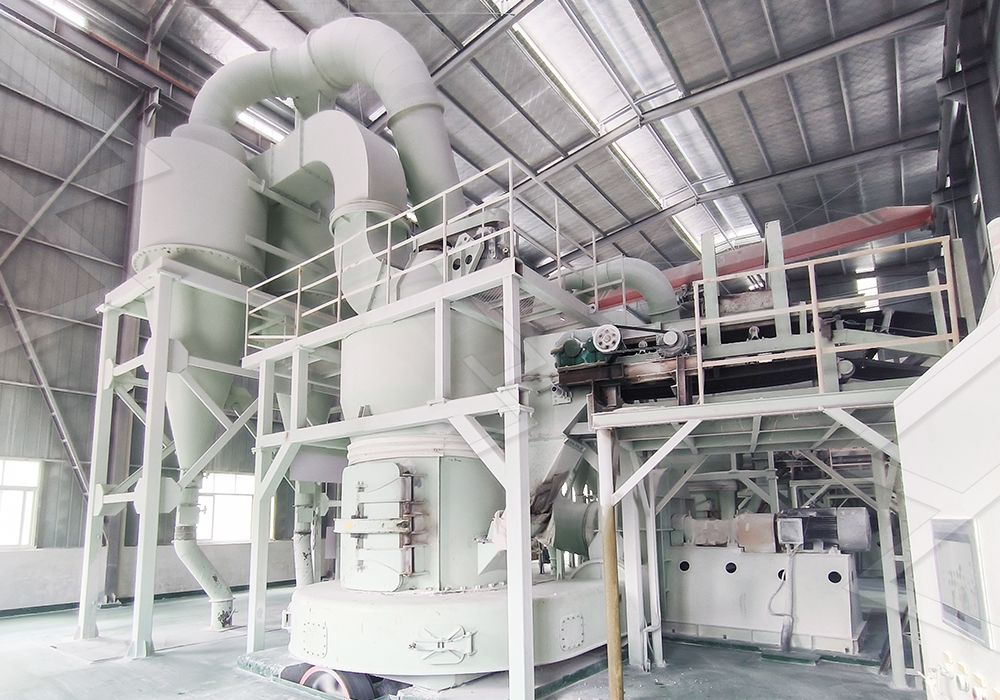
While traditional Raymond mills (R-series) remain workhorses, the market is shifting towards more efficient, vertical roller mill designs and enhanced trapezium mills for larger-scale operations. For clients seeking to produce ultra-fine bentonite for specialized mud formulations or to achieve superior yield from their ore, advanced ultrafine grinding technologies offer a compelling advantage.
One standout solution for high-value, precision bentonite processing is the MW Ultrafine Grinding Mill. This system is engineered for customers requiring ultra-fine powder (adjustable between 325-2500 meshes) with exceptional environmental controls. Its design eliminates rolling bearings and screws in the grinding chamber, a common failure point, thereby enhancing reliability for continuous 24/7 operation—a key demand for Omani drilling supply chains. The mill features a high-efficiency pulse dust collector and muffler, ensuring a clean, low-noise operation that aligns with modern site regulations. With a capacity range of 0.5-25 tph and an input size of 0-20mm, it is particularly suited for processing bentonite to exacting specifications for premium drilling fluid applications.
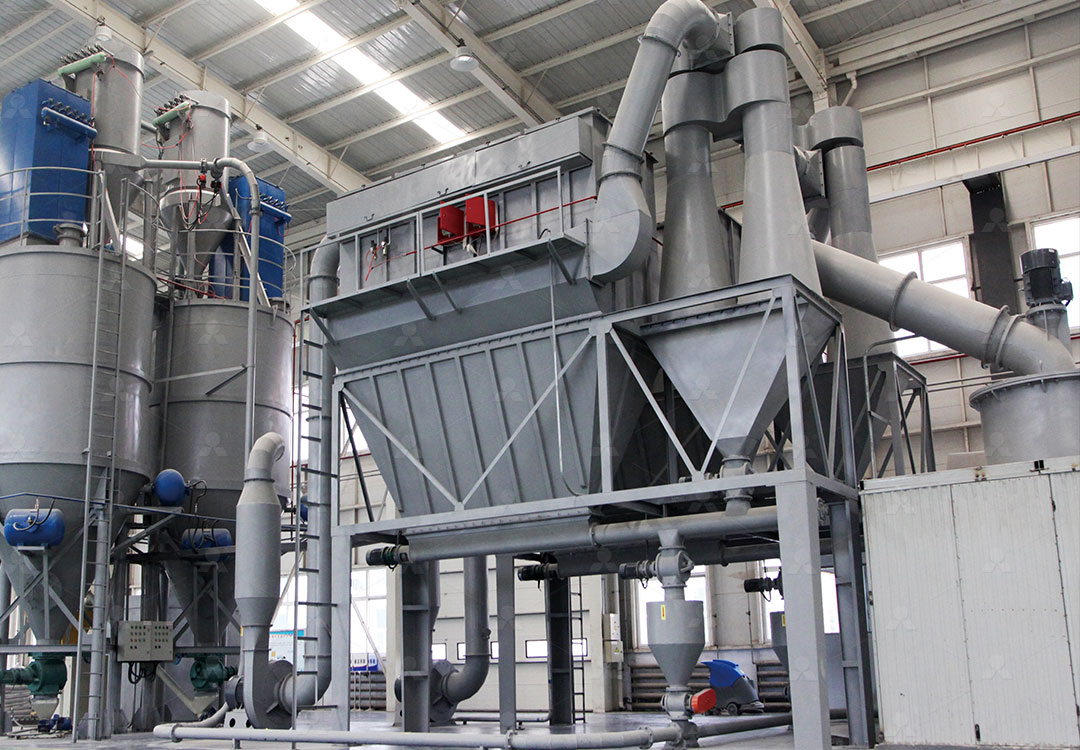
For operations prioritizing large-scale production of bentonite powder with integrated drying capabilities, the MTW-Z European Trapezium Mill presents a robust option. Notably, its grinding roller adopts a maintenance-free dilute oil lubrication system, reducing routine servicing needs. Its elastic volute damping structure ensures stable operation, critical for consistent product quality. With a specific application listing for bentonite and a capacity up to 55 tph, it is a powerful choice for major suppliers feeding large drilling projects.
The Supplier Landscape: Capabilities that Define the Top 10
The leading suppliers distinguish themselves through comprehensive service packages. They don’t just sell machinery; they provide process consulting, installation supervision, operator training, and guaranteed access to original spare parts. A strong digital presence with remote diagnostics capability is increasingly a differentiator. Furthermore, top suppliers often have dedicated R&D, constantly refining grinding curves and separator technology to improve efficiency for materials like bentonite. Look for manufacturers that offer pilot testing or detailed material test reports to validate performance claims for your specific bentonite sample.

Conclusion: Building a Reliable Supply Chain
Choosing a Raymond mill supplier for bentonite in Oman is a decision with long-term implications for product quality and operational cost. By partnering with a top-tier supplier that offers advanced, reliable technology like the MW Ultrafine Grinding Mill for specialized needs or the heavy-duty MTW-Z series for high volume, Omani companies can secure a critical advantage. The goal is to establish a processing setup that is not only productive but also resilient, energy-conscious, and compliant, ensuring a steady supply of high-performance bentonite for the nation’s vital drilling industries.
Frequently Asked Questions (FAQs)
1. What is the typical fineness range required for bentonite in drilling mud?
Most drilling-grade bentonite targets a fineness of 200 to 325 mesh. However, specific applications may require ultra-fine grinding up to 1000 mesh or more for maximum viscosity and fluid loss control.
2. Can the same mill process different grades of bentonite (sodium vs. calcium)?
Yes, but the grinding parameters may need adjustment. High-quality mills with adjustable classifier speed and grinding pressure, like the MW series, allow easy optimization for different raw material characteristics.
3. How significant is energy consumption in operating a bentonite mill in Oman?
It is a major operational cost. Modern mills like the MTW-Z and MW series are designed for 30-50% lower energy consumption compared to older ball mill or traditional Raymond mill systems, offering substantial long-term savings.
4. What are the key maintenance points for a Raymond mill in a dusty environment like Oman?
Regular checks on grinding roller and ring wear, classifier blades, and the integrity of the dust collection system’s filters are crucial. Choosing mills with external lubrication systems and easy-wear part replacement designs drastically reduces maintenance complexity.
5. Is after-sales support readily available from international suppliers in Oman?
Top suppliers establish local service centers or have dedicated regional partners. It is essential to verify spare parts inventory location, response time for technical issues, and the availability of trained engineers before purchase.
6. Can these mills handle the moisture content sometimes found in raw bentonite?
Standard Raymond and trapezium mills require relatively dry material. For high-moisture bentonite, look for integrated drying systems or consider a vertical roller mill (like an LM series) that can simultaneously dry and grind with hot air input.
7. What safety features are important for mill operations?
Key features include explosion-proof designs for dust collection, mechanical and electronic limiting devices to prevent grinding roller contact, and comprehensive electrical protection systems. Modern mills also feature centralized control systems for safer operation.