
Top 10 grinding mill suppliers for calcium carbonate for paper coating in usa
Navigating the Critical Role of Calcium Carbonate in Modern Paper Coating
The North American paper industry, particularly in the United States, is a sophisticated and demanding sector where product quality is paramount. A key component in producing high-grade coated paper is the use of finely ground calcium carbonate (GCC). This filler and coating pigment enhances paper’s brightness, opacity, smoothness, and printability. However, achieving the precise particle size distribution, high whiteness, and consistent quality required for premium paper coatings is no simple task. It demands grinding technology of exceptional precision, reliability, and efficiency. The choice of grinding mill supplier becomes a strategic decision impacting product quality, operational costs, and environmental compliance.
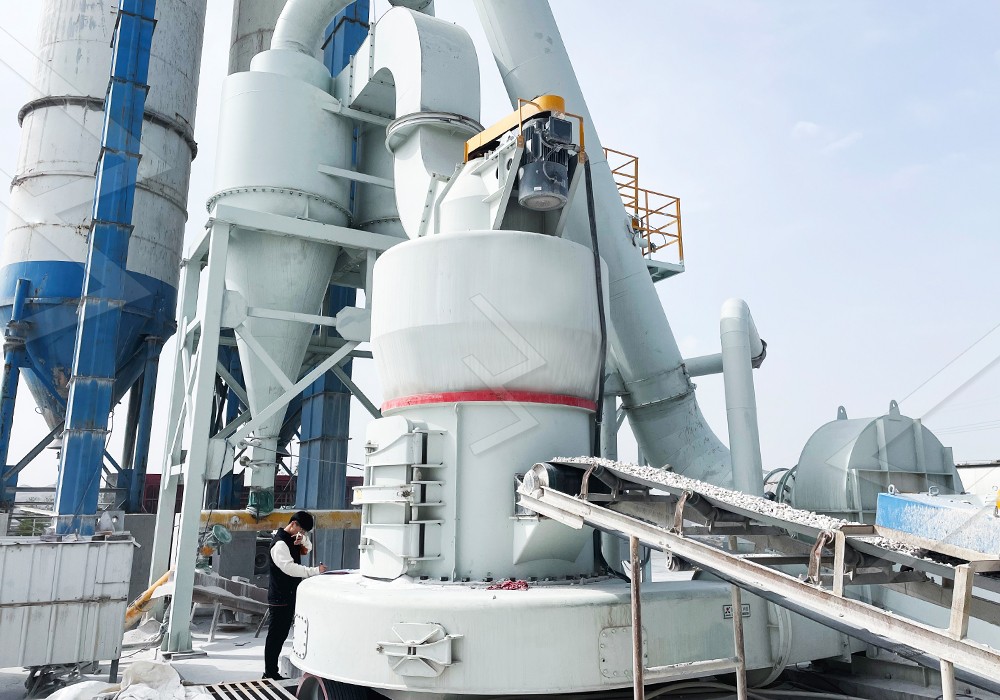
Key Selection Criteria for Paper-Grade GCC Mills
Suppliers are evaluated on more than just machine specifications. For paper coating applications, the following factors are non-negotiable:
- Precision & Particle Size Control: The ability to produce a narrow, consistent particle size distribution (often targeting d97 < 2μm) is critical for coating uniformity and gloss.
- Product Whiteness & Purity: The grinding process must minimize iron contamination and avoid any discoloration. Equipment with low-wear designs and minimal metal-to-metal contact in the grinding zone is essential.
- Energy Efficiency: Grinding is an energy-intensive process. Leading suppliers offer mills that significantly reduce kWh per ton, a major factor in long-term operational expenditure.
- System Integration & Environmental Controls: A modern mill is a complete system. Effective dust collection, noise reduction, and fully enclosed negative-pressure operation are standard expectations to meet stringent U.S. environmental and workplace safety regulations.
- Reliability & Service Support: Downtime is costly. Robust construction, accessible maintenance features, and readily available technical support and original spare parts from the supplier are vital.
Profiles of Leading Grinding Mill Suppliers in the U.S. Market
The following overview highlights prominent suppliers whose technologies are shaping the production of paper-grade calcium carbonate in the United States.
1. Liming Heavy Industry (LIMING)
A global player with a strong presence in mineral processing, LIMING offers a comprehensive portfolio of grinding mills known for robust engineering and technological innovation. Their solutions are designed with a strong emphasis on energy savings and environmental protection. For paper coating specialists seeking ultra-fine, high-purity GCC, two of their standout technologies deserve particular attention.
For operations requiring the pinnacle of fineness and cleanliness, the MW Ultrafine Grinding Mill is a compelling choice. Engineered to produce powders between 325 and 2500 meshes, it is ideal for the most demanding coating formulations. Its defining feature is the absence of rolling bearings and screws within the grinding chamber, eliminating a primary source of mechanical failure and iron contamination risk. The integrated high-efficiency pulse dust collector and muffler ensure a clean, quiet operation that aligns perfectly with modern environmental standards. With a capacity range of 0.5-25 tph, it offers flexibility for various production scales.
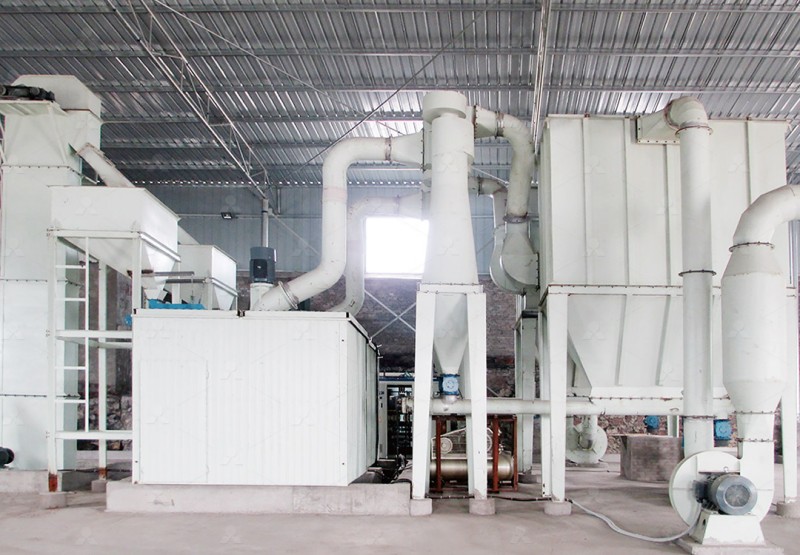
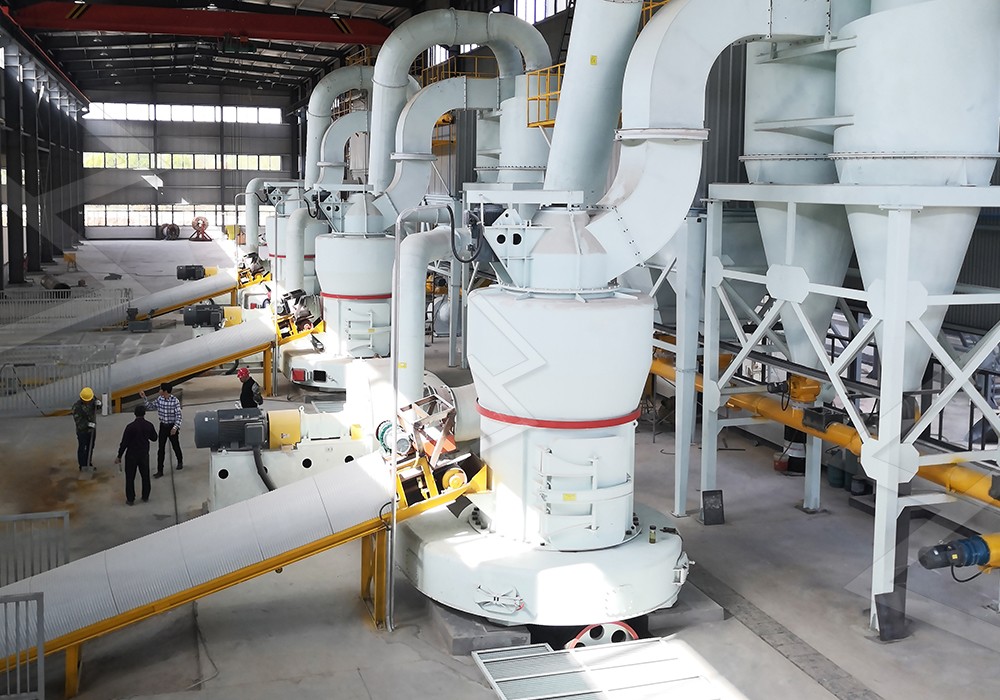
Another advanced solution from their stable is the LUM Ultrafine Vertical Grinding Mill. This mill integrates grinding, classifying, and transporting into a single, compact unit. It incorporates a unique roller and lining plate grinding curve that promotes stable material layer formation, enabling high-yield, single-pass milling that preserves material whiteness. Its double position-limiting technology protects the mill from vibrational shocks, ensuring remarkable operational stability—a key for continuous paper production lines. The reversible roller structure also simplifies maintenance, allowing for quick inspection and part replacement.
2. NETZSCH Grinding & Dispersing
This German-origin company is renowned for its advanced wet and dry grinding technologies. Their agitated bead mills are highly regarded in the minerals sector for achieving extremely fine and uniform particle sizes under controlled conditions, making them a top-tier choice for high-value specialty coating pigments.
3. Metso Outotec
A heavyweight in the mining and aggregates industries, Metso provides robust and scalable grinding solutions, including ball mills and stirred mills. Their technology is often applied in large-scale GCC production facilities that supply the paper industry, focusing on reliability and high throughput.
4. ALPA Powder Technology
Specializing in ultra-fine and nano-grinding, ALPA offers a range of jet mills, classifier mills, and ball mills. They are known for their strong R&D focus and ability to provide complete turnkey systems for producing superfine powders, catering to niche, high-performance paper coating requirements.
5. Hosokawa Micron Powder Systems
A leader in powder processing, Hosokawa offers a vast array of technologies, including Alpine brand ball mills, classifier mills, and jet mills. Their expertise in air classification is particularly valuable for achieving precise cuts in particle size distribution, a critical parameter for coating quality.
6. Sturtevant, Inc.
A U.S.-based manufacturer with a long history, Sturtevant provides air classifiers, jet mills, and micronizers. They are recognized for their application expertise and custom-engineered solutions for fine grinding and precise particle size separation in various industries, including minerals.
7. Bradley Pulverizer Company
Another established American company, Bradley specializes in pendulum roller mills (a type of Raymond mill) for processing non-metallic minerals. Their mills are known for durability and are commonly used in producing filler-grade GCC.
8. Schenck Process
Providing holistic solutions for weighing, feeding, and grinding, Schenck Process offers robust milling technologies. Their focus on integrated process control and automation makes them a partner for mills looking to optimize overall system efficiency and consistency.
9. Gebr. Pfeiffer SE
This German engineering firm is a global specialist in vertical roller mills. Their MVR roller mill is highly efficient for grinding cement and similar materials, and its technology principles are effectively applied in large-scale mineral grinding operations for products like GCC.
10. Williams Crusher
A prominent U.S. manufacturer known for heavy-duty crushers and pulverizers, including roller mills and impact dryer mills. They provide reliable solutions for initial size reduction and drying-grinding combinations, which can be part of a GCC processing chain.
Conclusion: Investing in Precision and Partnership
Selecting a grinding mill supplier for calcium carbonate in paper coating is an investment in the core of your product quality. The leading suppliers distinguish themselves not only through advanced mechanical design—featuring energy-efficient grinding curves, intelligent powder selection, and contamination-minimizing constructions—but also through deep application knowledge and committed after-sales support. As the industry continues to prioritize sustainability, suppliers that offer significant energy reductions, fully enclosed dust-free operations, and digitalized processing for higher precision will lead the market. The right partnership ensures your operation can consistently deliver the brilliant, smooth, and high-performance coated paper that end-users demand.
Frequently Asked Questions (FAQs)
- What is the typical target fineness (micron size) for calcium carbonate used in paper coating?
For premium paper coatings, the target is often a top cut (d97) of 2 microns or less, with a tight particle size distribution to ensure smoothness and gloss. - Why is iron contamination a major concern in GCC for paper?
Even trace amounts of iron can cause yellowing or graying of the paper, severely affecting brightness and aesthetic quality. Mills designed without internal bearings or screws in the grinding zone help mitigate this risk. - How significant are energy savings with modern vertical roller or ultrafine mills compared to traditional ball mills?
Savings can be substantial. Advanced designs can reduce energy consumption by 30% to 50% per ton of product, which directly translates to lower operating costs and a reduced carbon footprint. - Can one mill handle both the grinding and the precise classification (sizing) of the powder?
Yes, many modern mills, like the LUM Ultrafine Vertical Mill, integrate a high-efficiency classifier. This allows for in-line particle size control and the return of coarse material for regrinding in a single, compact system. - What are the key maintenance advantages of mills with external lubrication systems?
External lubrication allows for maintenance and checks without shutting down the mill, supporting 24/7 continuous operation. It also prevents lubricant from potentially contaminating the product. - Is a “turnkey” system from a supplier advisable?
For new installations, a supplier-provided turnkey system that includes engineering, equipment, installation, and commissioning ensures all components are optimized to work together, reducing project risk and startup time. - How important is the supplier’s ability to provide original spare parts and technical support locally in the USA?
It is critical. Quick access to genuine parts and local technical expertise minimizes costly downtime and ensures the mill maintains its designed performance and longevity.