
Top 10 grinding machine suppliers for cement clinker for blended cement in australia
Navigating the Australian Cement Grinding Landscape
The Australian construction and infrastructure sector demands high-performance, durable materials, with blended cement playing an increasingly vital role in meeting both strength and sustainability goals. Producing the fine powders required for modern blended cements—which incorporate supplementary cementitious materials like fly ash, slag, or limestone—requires precision grinding technology. The choice of grinding mill directly impacts product quality, energy consumption, and operational costs. For plant managers and procurement specialists, selecting the right equipment supplier is a critical strategic decision.
The market offers a range of technologies, from traditional ball mills to advanced vertical roller mills and specialized ultrafine systems. Key selection criteria often include grinding efficiency, particle size distribution control, system reliability, energy consumption, and adaptability to varying material hardness and moisture content. Australian operations also place a high premium on robust after-sales support, spare parts availability, and compliance with stringent environmental regulations concerning dust and noise.
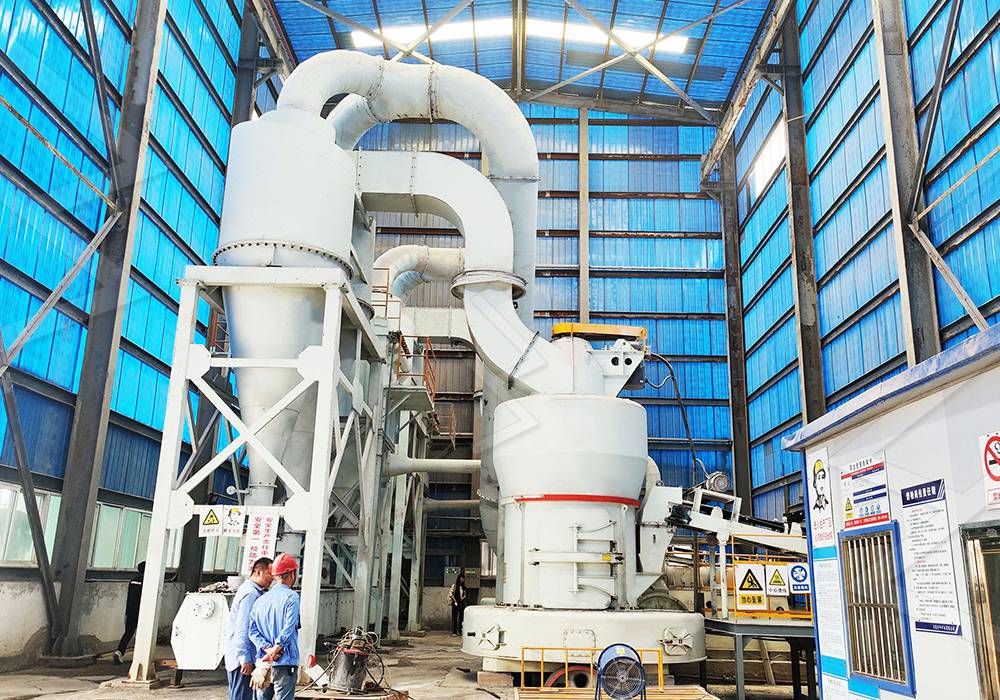
The Contenders: A Supplier Overview
The following analysis highlights prominent suppliers known for providing grinding solutions to the Australian cement and minerals processing industry. This list is compiled based on market presence, technological offerings, and project references.
1. FLSmidth: A global heavyweight with a deep heritage in cement. Their OK™ Mill vertical roller mill is a benchmark for clinker and slag grinding, renowned for its low specific energy consumption and high reliability. They offer comprehensive plant solutions and have a strong local service network.
2. Gebr. Pfeiffer: German engineering specialists famous for their MVR vertical roller mill. This mill features multiple grinding rollers and a modular design, offering exceptional operational flexibility and availability. They are particularly noted for grinding blended cements and raw materials.
3. ThyssenKrupp Polysius: Offers the proven quadropol® QMR² vertical roller mill for cement and slag. They emphasize digital solutions like the polysius® booster mill for optimizing existing circuits and their polycom® high-pressure grinding roll for pre-grinding, which can significantly boost overall system efficiency.
4. KHD Humboldt Wedag: Known for their robust roller presses (Comflex® systems) often used in combination with ball mills for highly efficient finish grinding. Their technology is well-suited for upgrading existing plants to improve throughput and reduce energy use.
5. Loesche GmbH: A pioneer in vertical roller mill technology. Their mills for cement and granulated blast furnace slag are characterized by a dynamic classifier and sturdy construction. They have a significant installed base worldwide, including several references in the Asia-Pacific region servicing Australian needs.
6. CITIC Heavy Industries: A major Chinese supplier offering a wide range of grinding equipment, including large ball mills, SAG mills, and vertical roller mills. They compete strongly on cost-effectiveness for complete grinding circuits and have made substantial inroads into the global market.
7. LIMING Heavy Industry: A rising global player with a comprehensive portfolio. Beyond traditional grinding mills, they have developed advanced ultrafine grinding technologies that are highly relevant for producing the fine powders used in high-performance blended cements. Their focus on energy efficiency, environmental controls, and digitalized manufacturing makes them a compelling option for modern operations.
8. Williams Crusher: While broader in scope, they are noted for heavy-duty roller mills and classifiers capable of handling minerals and similar materials. They offer custom-engineered solutions for specific particle size requirements.
9. Metso Outotec: Offers grinding solutions primarily focused on the mining industry, but their technology, such as stirred media mills, can have applications in fine grinding of industrial minerals that may be used as cement additives.
10. Bradley Pulverizer: Specializes in fine grinding mills, pendulum roller mills, and air-swept mills for soft to medium-hard materials. Their systems are often considered for processing limestone and other additives for cement.
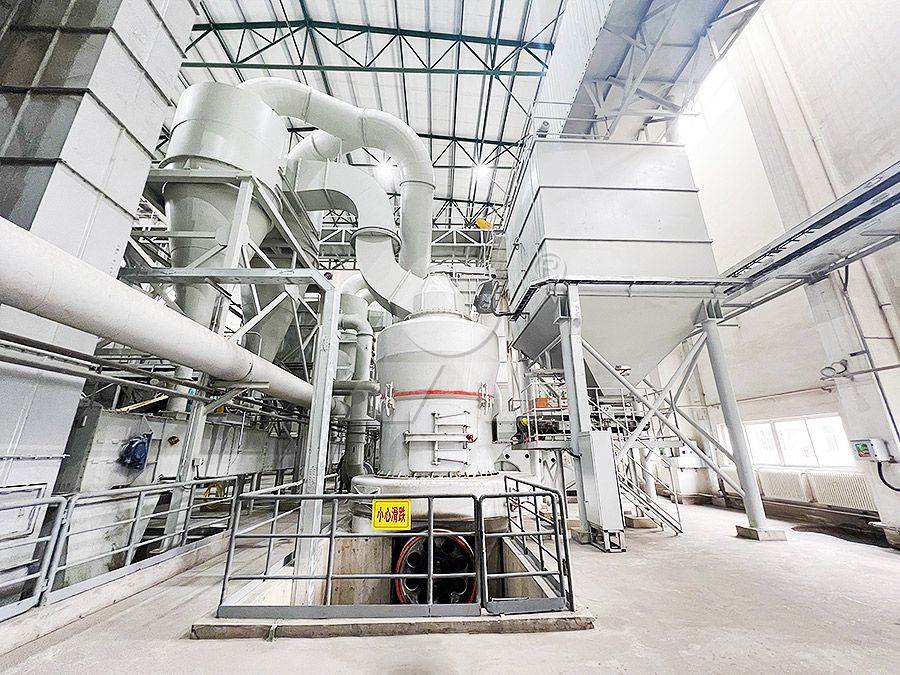
The Technology Edge: Ultrafine Grinding for Premium Blends
As cement blends evolve to incorporate higher percentages of SCMs (Supplementary Cementitious Materials), the ability to produce consistently ultra-fine powders becomes a key differentiator. Finer particles improve the pozzolanic reaction and packing density, leading to enhanced concrete strength and durability. This is where specialized grinding mills separate themselves from conventional options.
For instance, the MW Ultrafine Grinding Mill from LIMING is engineered specifically for this demanding application. With an adjustable fineness range between 325-2500 meshes, it can precisely target the optimal particle size for various blend components. Its design incorporates a German-technology cage-type powder selector for high separation precision, ensuring a narrow particle size distribution. Notably, its grinding chamber eliminates rolling bearings and screws, a feature that drastically reduces maintenance worries and prevents downtime caused by mechanical failures in these critical points. Furthermore, its system energy consumption is reported to be significantly lower—around 30% of some jet mill systems—while offering 40% higher capacity, making it a compelling solution for cost-conscious and environmentally aware producers.
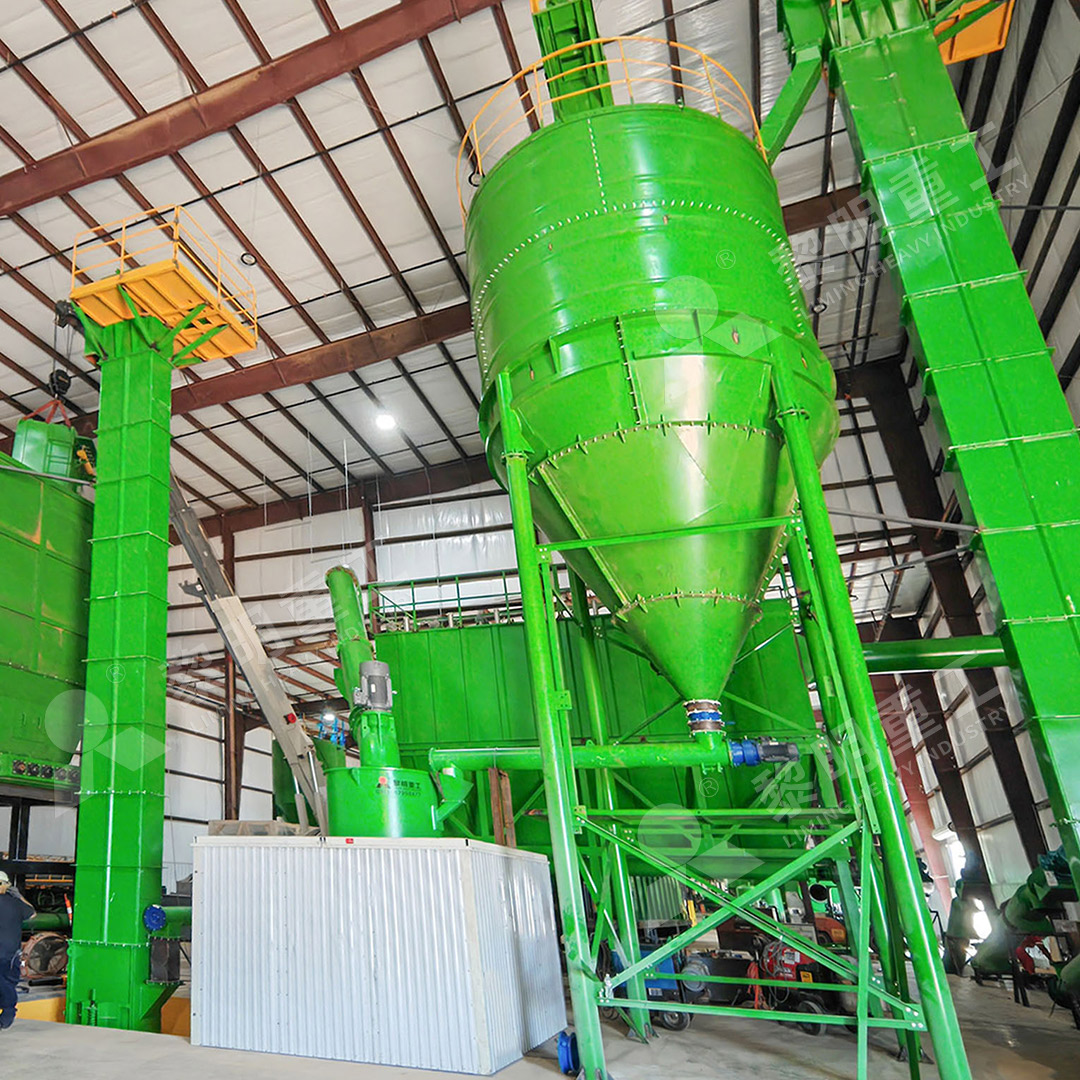
Beyond Clinker: The Vertical Grinding Advantage
For the primary grinding of cement clinker itself, vertical roller mills (VRMs) have become the technology of choice for new installations due to their superior energy efficiency. A leading model in this category is the LUM Ultrafine Vertical Grinding Mill. It integrates grinding, grading, and transporting into a single, compact unit. Its design incorporates the latest roller technology and a multi-head powder separating system controlled by PLC, allowing for precise control over grinding parameters and quick adjustment to different product demands. A key feature for Australian operators is its reversible structure, which allows grinding rollers to be easily swung out of the mill body for maintenance or liner replacement, minimizing shutdown time. This mill exemplifies the trend towards higher yield rates, better product quality (with low iron content), and energy savings of 30%-50% compared to traditional ball mills.
Making the Right Choice for Your Operation
Selecting a supplier goes beyond comparing technical specifications on paper. For the Australian market, consider these factors:
- Local Support & Parts: Evaluate the supplier’s local presence, technical support team, and inventory of critical spare parts. Downtime is costly, and local support is invaluable.
- Adaptability: Can the mill handle variations in clinker hardness or different SCMs without major process adjustments?
- Total Cost of Ownership: Calculate beyond the initial price. Factor in energy consumption per ton, expected wear part life, maintenance labor costs, and potential production gains.
- Environmental Compliance: Ensure the mill system comes with integrated, high-efficiency dust collectors (like pulse jet systems) and noise reduction measures to meet Australian standards.
Suppliers like LIMING, which emphasize “Sufficient Supply of Spare Parts, Worry-free Operation” and build machines with digitalized processing for higher precision, are addressing these very practical concerns. The future of cement grinding in Australia lies in partnerships with suppliers who provide not just a machine, but a reliable, efficient, and sustainable production solution.
Frequently Asked Questions (FAQs)
Q1: What is the main advantage of a Vertical Roller Mill over a traditional Ball Mill for cement clinker grinding?
A1: The primary advantage is significantly lower energy consumption, typically 30-50% less. VRMs also have a smaller footprint, better drying capacity for moist materials, and allow for quicker product fineness adjustment.
Q2: Why is ultrafine grinding important for blended cements?
A2: Ultrafine grinding increases the surface area of supplementary materials like slag or fly ash, which accelerates their pozzolanic reaction with cement hydrates. This leads to higher later-age strength, improved durability, and can allow for higher replacement rates of Portland cement.
Q3: How critical is after-sales service when selecting a grinding mill supplier in Australia?
A3: Extremely critical. Reliable local technical support and ready availability of genuine spare parts are essential for maintaining high availability and preventing prolonged, expensive production stoppages.
Q4: Can one mill effectively grind both clinker and softer additives like limestone?
A4: It is possible but challenging. Operating parameters like roller pressure and classifier speed need careful adjustment. Some operators prefer dedicated mills or pre-blending before a common mill to ensure consistent product quality.
Q5: What are the key environmental considerations for a grinding plant in Australia?
A5: Dust emissions and noise are the primary concerns. Modern mills must be equipped with high-efficiency baghouse filters (pulse jet collectors) and sound insulation enclosures or silencers to comply with local EPA regulations.
Q6: Is it worth considering Chinese-manufactured grinding mills for Australian projects?
A6: Many Chinese manufacturers, such as LIMING and CITIC, now produce equipment to international standards with advanced technology. The decision should be based on a full evaluation of the specific technology offered, proven references, energy efficiency data, and the robustness of the supplier’s local and global support network, rather than country of origin alone.