
Roller mill price & cost analysis for talc for cosmetics in new zealand
Roller Mill Price & Cost Analysis for Talc Processing in New Zealand’s Cosmetics Industry
The New Zealand cosmetics sector, renowned for its purity-focused branding and natural ingredient ethos, presents a unique opportunity for mineral processors. Talc, a key functional filler and texture enhancer, requires ultra-fine, contaminant-free grinding to meet the stringent standards of cosmetic-grade applications. Selecting the right roller mill technology is not merely a capital expenditure decision; it’s a strategic investment impacting product quality, operational efficiency, and long-term profitability. This analysis delves into the key cost factors and technological considerations for talc milling in the New Zealand context.
The Cosmetic-Grade Talc Imperative: Beyond Fineness
For cosmetic applications—from pressed powders and blushes to body talcs—particle size distribution, whiteness, and chemical purity are non-negotiable. Traditional ball mills often struggle with iron contamination from mechanical wear and offer limited control over particle size distribution. The market demands equipment that delivers:
- Ultra-fine & Consistent Fineness: A tight particle distribution between 325 to 2500 meshes (d97 ≤ 5µm) is typical for smooth skin feel.
- Exceptional Product Purity: Minimal iron or other metallic contamination to preserve talc’s natural whiteness and chemical inertness.
- Energy Efficiency: With rising energy costs in New Zealand, operational expenditure (OPEX) is a critical component of total cost of ownership.
- Environmental Compliance: Dust-free, low-noise operation aligns with both local regulations and the green image of NZ brands.

Decoding the Cost Structure: Capex vs. Opex
The total cost of milling talc extends far beyond the initial purchase price (CAPEX). A comprehensive analysis must weigh ongoing operational costs (OPEX), which often eclipse the initial investment over a 5-10 year period.
1. Capital Expenditure (CAPEX) Drivers:
The base price of a roller mill is influenced by capacity (tph), the complexity of its grinding and classifying system, the degree of automation, and construction materials. For cosmetic talc, mills with advanced ceramic or special alloy grinding elements to prevent contamination command a premium but are essential.
2. Operational Expenditure (OPEX) Breakdown:
Energy Consumption: This is the single largest OPEX factor. Mills that integrate efficient grinding curves, high-precision classifiers, and low-resistance airflow systems can reduce power consumption by 30-50% compared to older technologies.
Wear Parts & Maintenance: Downtime is revenue lost. The design of grinding rollers and rings, lubrication systems, and ease of access for maintenance directly impact parts lifespan and labor costs. Features like external lubrication and reversible roller assemblies are major cost-savers.
Yield & Efficiency: A mill that achieves target fineness in a single pass with high yield (reducing recirculation) optimizes throughput and energy use per ton.
Environmental Control: Integrated, efficient pulse dust collectors and silencers are not optional extras; they are integral to compliant and sustainable operation, avoiding potential fines and protecting worker health.
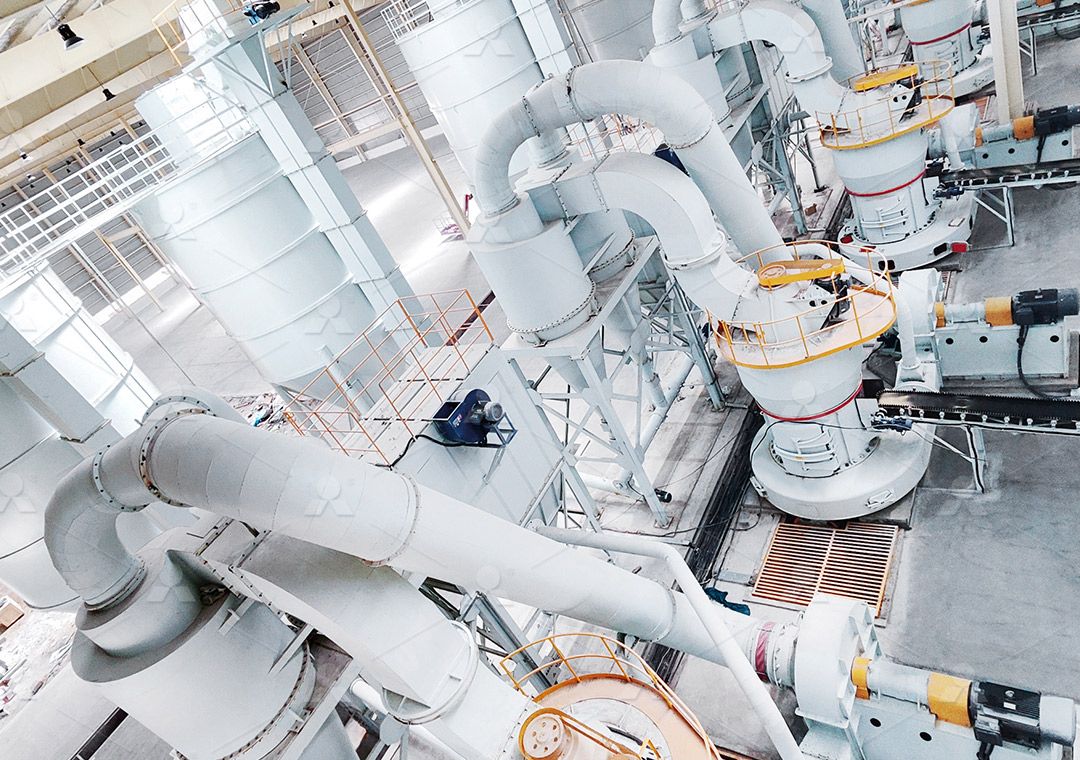
Technology Spotlight: The MW Ultrafine Grinding Mill for Premium Talc
For processors targeting the high-value cosmetic talc segment, the MW Ultrafine Grinding Mill presents a compelling solution designed to address the specific cost and quality challenges outlined above.
Its engineering directly targets OPEX reduction and purity assurance. The newly designed grinding curves of the roller and ring enhance efficiency, reportedly increasing capacity by up to 40% over some alternative fine-grinding mills while using significantly less energy. Crucially for cosmetics, its “No Rolling Bearing & Screw in Grinding Chamber” design is a masterstroke. This eliminates a primary source of lubricant contamination and mechanical failure, ensuring the talc output remains uncontaminated by grease or metal wear debris. The external lubrication system allows for maintenance without shutdowns, supporting continuous 24/7 production crucial for meeting supply chain demands.
Furthermore, its German-technology-derived cage-type powder selector enables precise fineness adjustment between 325-2500 meshes, giving operators exact control over the final product’s tactile properties. Coupled with an efficient pulse dust collector, the entire milling process remains clean and environmentally sound—a perfect match for New Zealand’s pristine image.
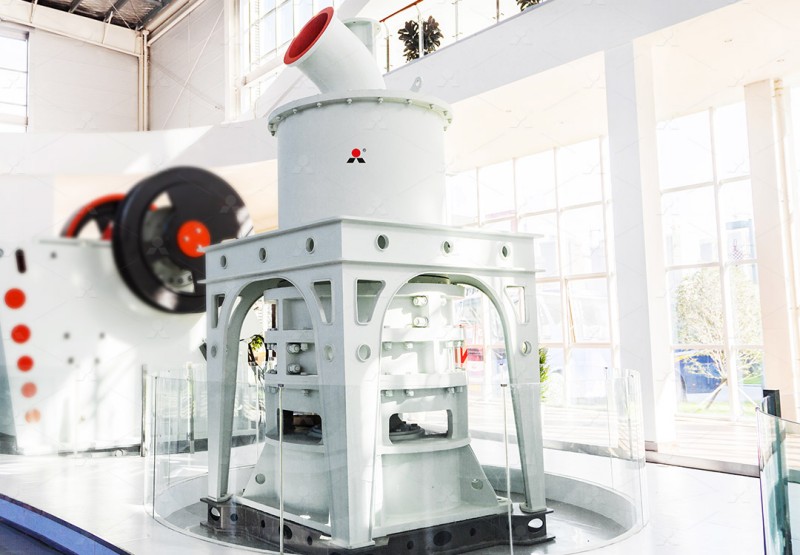
Considering Higher Volume: The LUM Ultrafine Vertical Grinding Mill
For operations requiring larger volumes or processing a blend of minerals, the LUM Ultrafine Vertical Grinding Mill is another technologically advanced option. It integrates grinding, classifying, and conveying into a single, compact unit. Its standout feature for quality-conscious producers is the unique roller shell and lining plate grinding curve, which promotes stable material bed formation and efficient single-pass milling. This design not only boosts yield but also enhances the whiteness and cleanliness of the finished talc—a critical sales metric in cosmetics.
The LUM mill’s use of PLC control and multi-head powder separating technology allows for precise, automated control over grinding parameters and product cut-point, ensuring batch-to-batch consistency. Its double position-limiting technology also provides exceptional operational stability, protecting the mill from vibrational damage.
Conclusion: Strategic Investment for Market Advantage
In New Zealand’s competitive cosmetics ingredient market, the choice of talc milling technology is a strategic one. A narrow focus on the lowest initial purchase price can lead to higher long-term costs through energy inefficiency, product contamination, and excessive downtime. A detailed cost analysis must prioritize total cost of ownership, with a heavy weighting on energy consumption, maintenance logistics, and guaranteed product purity.
Investing in advanced, purpose-built roller mills like the MW or LUM series is an investment in product quality and brand reputation. By delivering consistently pure, ultra-fine talc with lower operational costs and environmental impact, processors can secure a stronger, more profitable position in supplying both local and international cosmetic brands.
Frequently Asked Questions (FAQs)
- What is the typical particle size range required for cosmetic-grade talc?
Cosmetic applications generally require talc ground to a fineness between 325 and 2500 meshes, with a top cut often specified as d97 ≤ 5 microns for a smooth, silky feel. - Why is iron contamination a major concern in talc milling for cosmetics?
Iron contamination can oxidize over time, causing yellowish discoloration in the final product, compromising the bright white appearance expected of cosmetic talc. It can also react with other formulation ingredients. - How significant is energy cost in the total operating expense of a talc mill in New Zealand?
Energy is typically the largest single operational cost, often representing 40-60% of the ongoing OPEX. Selecting an energy-efficient mill is the most effective way to manage long-term profitability. - Can the same mill process other minerals besides talc for cosmetic use?
Yes, advanced ultrafine mills like the MW or LUM are versatile and can process a range of non-metallic minerals such as calcite, mica, and sericite, which are also used in cosmetic formulations, allowing for production flexibility. - What are the key maintenance advantages of a “no bearing in grinding chamber” design?
This design eliminates the risk of lubricant leaking into the product and prevents catastrophic mill failure due to bearing seizure. Maintenance can be performed externally without opening the grinding chamber, reducing downtime and contamination risk. - How does the New Zealand environmental regulatory framework impact mill selection?
NZ has strict standards for airborne particulate emissions and workplace noise. Mills must be equipped with high-efficiency integrated dust collectors (like pulse jet filters) and noise dampening features to comply with regulations and ensure worker safety. - Is remote monitoring and control available for these milling systems?
Modern mills often feature PLC-based control systems that can be equipped with remote monitoring capabilities, allowing for performance tracking, adjustment, and troubleshooting from off-site, which is valuable for managing remote facilities.