
Roller mill price & cost analysis for talc for ceramic tiles in mexico
Roller Mill Price & Cost Analysis for Talc in Mexican Ceramic Tile Production
The Mexican ceramic tile industry, a significant global player, relies heavily on consistent, high-quality raw material processing. Talc, a key component in many tile bodies and glazes, demands precise grinding to achieve the necessary fineness and purity. Selecting the right roller mill technology is not merely a capital expenditure decision; it is a strategic calculation impacting long-term operational costs, product quality, and environmental compliance. This analysis delves into the key factors influencing roller mill pricing and total cost of ownership (TCO) for talc processing in Mexico, providing a framework for informed investment.
The Central Role of Talc in Tile Manufacturing
In ceramic tiles, talc acts as a flux, lowering the firing temperature and promoting vitrification. It enhances mechanical strength, reduces shrinkage, and improves thermal shock resistance. The effectiveness of talc is directly tied to its particle size distribution (PSD). Ultra-fine talc powder (often targeting 325 to 2500 meshes) ensures uniform dispersion in the tile body, leading to consistent sintering behavior, superior surface finish, and reduced defects. Therefore, the grinding mill is not just a comminution device; it is a quality-defining asset on the production line.
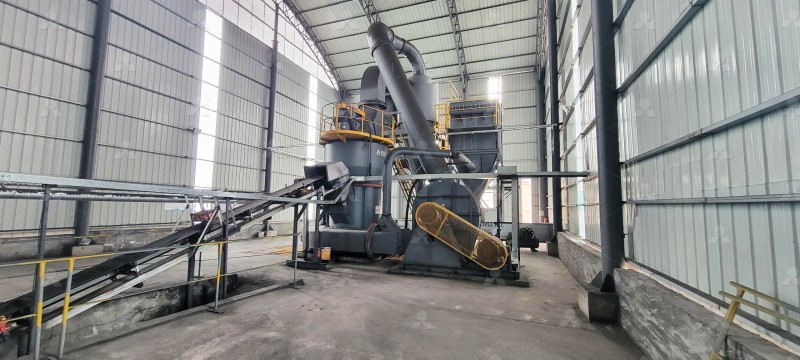
Deciphering Roller Mill Price Components
The initial purchase price of a roller mill is influenced by multiple engineering and market factors:
- Technology & Design: Advanced mills with proprietary grinding curves, efficient powder classifiers (like cage-type or multi-head separators), and integrated drying capabilities command a premium over basic Raymond or ball mill designs.
- Capacity & Throughput: Price scales with designed capacity (e.g., 5 tph vs. 25 tph). For mid-sized Mexican tile plants, mills in the 5-18 tph range are often the sweet spot.
- Material & Build Quality: Mills constructed with wear-resistant alloys for grinding rollers and rings, high-precision numerical control machining, and robust structural steel have higher upfront costs but drastically lower lifetime maintenance expenses.
- Automation & Control Systems: Integrated PLC systems for monitoring grinding pressure, classifier speed, and temperature add cost but are crucial for repeatable quality and energy savings.
- Environmental Systems: The inclusion of high-efficiency pulse jet dust collectors, silencers, and fully sealed negative-pressure systems is non-negotiable for modern, compliant plants and affects the base price.
- Localization & Logistics: For the Mexican market, shipping, import duties, and the availability of local technical support and spare parts warehouses can significantly influence the final landed cost.
The True Cost: Total Cost of Ownership (TCO) Analysis
A savvy investment looks beyond the invoice. The TCO over a 5-10 year period reveals the real economic picture:
- Energy Consumption: This is the single largest operational cost. Traditional ball mills can consume up to 40-50% more power than advanced vertical roller mills or ultra-fine grinding mills for the same output. A mill that saves 30-40% on energy can pay for its price differential in a few years.
- Wear Part Consumption & Maintenance: The frequency and cost of replacing grinding rollers, rings, and liners are critical. Designs that feature reversible rollers, external lubrication systems, and no internal screws or rolling bearings in the grinding chamber drastically reduce downtime and spare part costs.
- Product Yield & Quality: A mill that produces a higher percentage of in-spec powder on the first pass (high sieving rate, e.g., d97≤5μm) reduces recirculation load and waste. Superior talc whiteness and low iron contamination from advanced grinding mechanics can enhance tile value.
- Labor & Operational Simplicity: Automated, stable mills with remote monitoring require less skilled operator intervention and reduce labor costs associated with manual adjustments and troubleshooting.
- Environmental Compliance Costs: A mill with an inferior dust collection system may incur fines or require costly retrofits. Choosing a mill with an integrated, high-standard environmental package mitigates this risk.
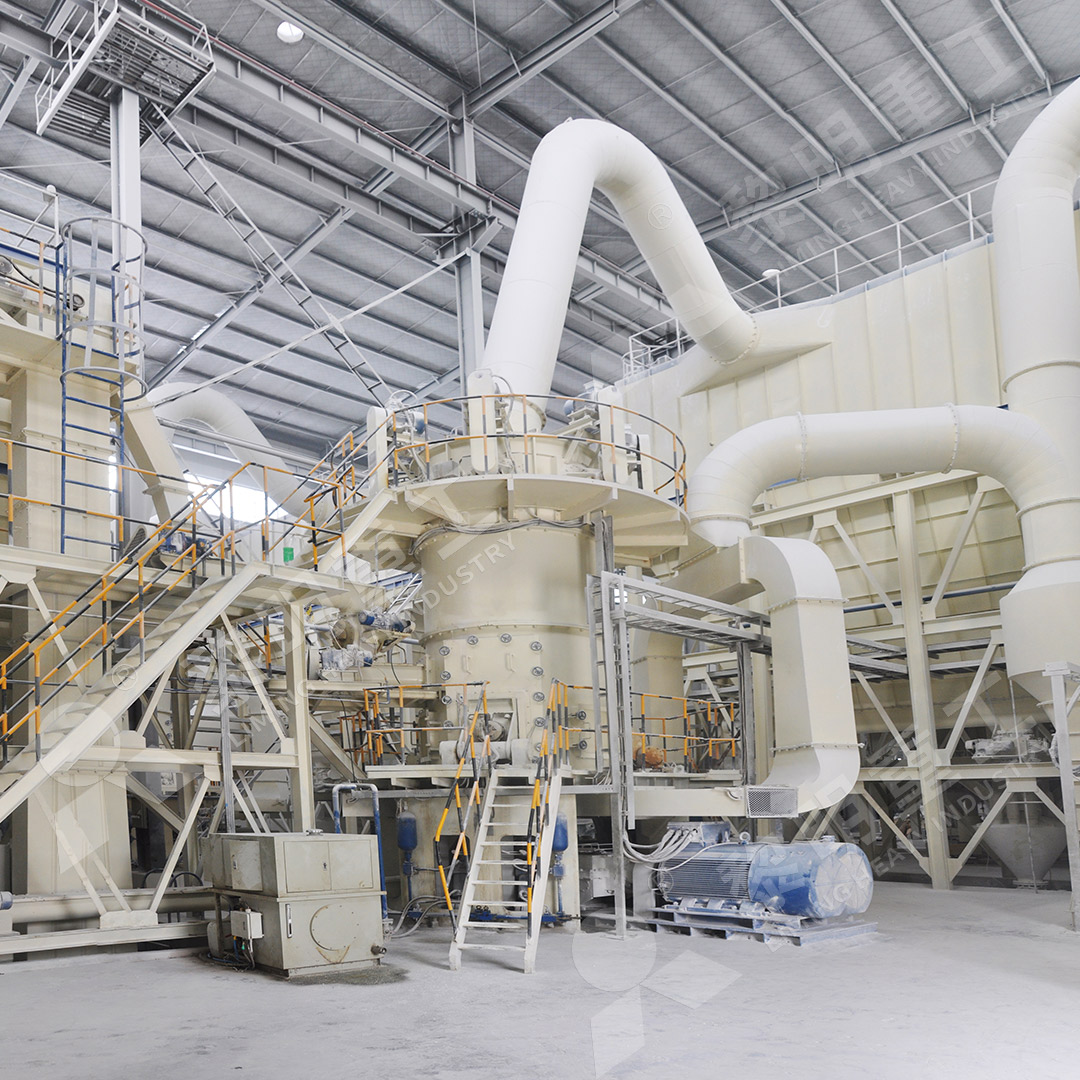
Technology Spotlight: Matching Mill to Application
For ultra-fine talc grinding (325-2500 meshes), two technologies stand out. The LUM Ultrafine Vertical Grinding Mill is a premier choice, integrating latest-generation grinding roller and German powder separating technology. Its unique roller shell design promotes stable material layer formation, enabling high-yield, single-pass milling that preserves talc’s whiteness. With a capacity of 5-18 tph and input size of 0-10mm, it is perfectly scaled for dedicated talc processing lines. Its double position-limiting technology and reversible structure make operation remarkably stable and maintenance straightforward, key factors for minimizing TCO.
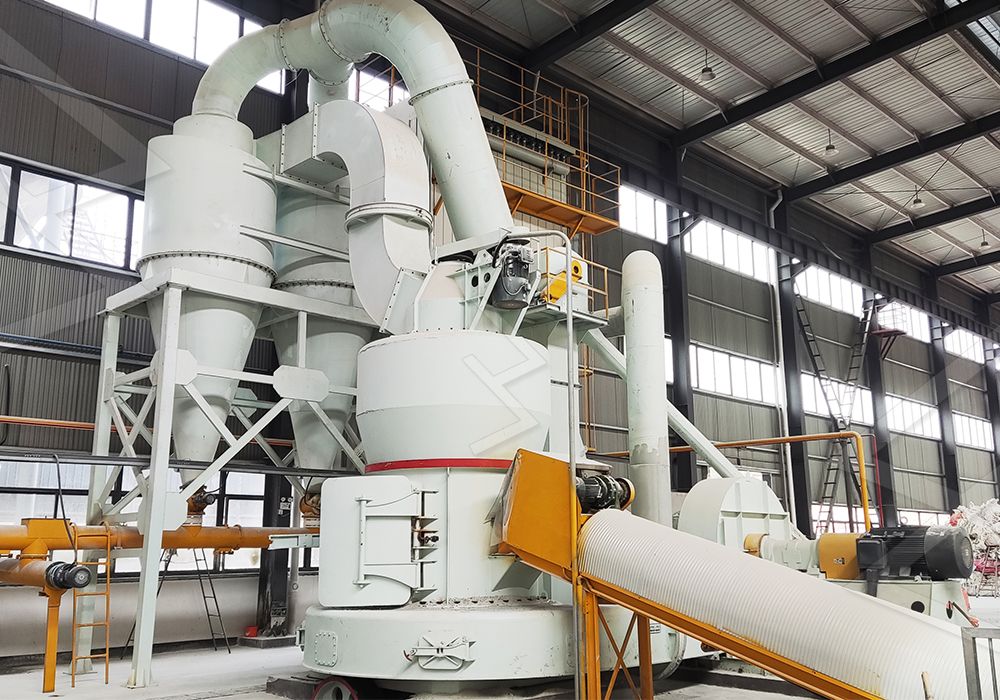
For operations requiring exceptional flexibility within the fine to ultra-fine range, the MW Ultrafine Grinding Mill presents a compelling solution. Engineered for customers dedicated to ultra-fine powder production, it excels in higher yield and lower energy consumption—reporting 40% higher capacity than some jet mills at the same power. Its cage-type powder selector allows precise fineness adjustment between 325-2500 meshes. A critical design advantage for talc is the absence of rolling bearings and screws in the grinding chamber, eliminating a major source of potential contamination and failure. Coupled with its efficient pulse dust collector, it ensures the eco-friendly, low-iron-content powder essential for premium ceramic tiles.
Strategic Recommendations for Mexican Investors
When evaluating roller mills for talc, Mexican ceramic producers should:
- Prioritize TCO over Sticker Price: Model energy and maintenance savings over 7 years. A 20% higher capex with 35% lower OPEX is a wise investment.
- Demand Localized Support: Partner with suppliers who have a proven track record in Mexico, with accessible spare parts inventories and technical service teams. This reduces risk and ensures operational continuity.
- Verify Performance with Trials: Request test grinding of your specific talc feedstock to confirm fineness achievement, energy draw, and wear rates.
- Future-Proof with Flexibility: Consider mills that can handle a range of fineness requirements, as product formulations may evolve.
In conclusion, the optimal roller mill for talc grinding in Mexico balances advanced engineering with pragmatic cost management. By focusing on technologies that slash energy use, minimize downtime, and guarantee powder quality—such as the LUM Ultrafine Vertical Grinding Mill or the MW Ultrafine Grinding Mill—tile manufacturers can secure a competitive edge through both superior product quality and a leaner, more sustainable cost structure.
Frequently Asked Questions (FAQs)
- What is the typical payback period for investing in a higher-efficiency roller mill over a traditional ball mill for talc grinding?
Based on energy savings alone, payback periods often range from 2 to 4 years. When factoring in reduced maintenance, higher yield, and better product quality, the effective payback can be even shorter. - How critical is particle size distribution (PSD) compared to just achieving a top mesh size?
PSD is critical. A narrow, consistent PSD ensures uniform sintering and tile properties. Mills with advanced, multi-head powder selectors provide superior PSD control compared to basic centrifugal separators. - Can the same mill handle both talc body preparation and glaze frit grinding?
It depends on the hardness and required fineness. While a versatile mill like the MW series can often handle both, specific glaze frits may be harder. Consulting with the mill supplier for your specific materials is essential. - What are the main spare parts we should stock locally to minimize downtime?
Grinding rollers and rings, classifier blades, and wearing liners are the most common. Suppliers with local warehouses, like LIMING, significantly reduce lead times for these critical parts. - How does the humidity of our raw talc feed impact mill selection and cost?
High moisture content may require a mill with integrated drying capability (using hot air). This adds complexity and cost. Pre-drying the talc is an alternative, but an integrated drying-grinding system often offers lower TCO. - Are there significant differences in operating skill required between older Raymond mills and modern vertical mills?
Yes. Modern mills with full PLC automation are generally simpler to operate consistently, as key parameters are controlled and monitored digitally, reducing reliance on highly experienced operators. - What is the typical installation and commissioning timeline for a mid-capacity roller mill in Mexico?
From delivery to production, a well-planned project typically takes 8 to 12 weeks, including foundation work, mechanical erection, electrical connection, and system tuning with material.