
Roller mill price & cost analysis for cement raw materials for concrete production in thailand
Roller Mill Price & Cost Analysis for Cement Raw Materials in Thailand
The cement industry in Thailand has experienced significant growth over the past decade, driven by infrastructure development and urbanization. For concrete producers, selecting the right grinding equipment for raw materials represents one of the most critical operational decisions, directly impacting production costs, product quality, and long-term profitability. This comprehensive analysis examines the key factors influencing roller mill pricing and operational costs specifically for the Thai market.
Market Overview: Cement Production in Thailand
Thailand’s cement industry serves both domestic consumption and export markets, with production facilities strategically located near raw material sources. The country’s unique geological composition provides abundant limestone deposits, the primary raw material for cement production. However, the varying hardness and moisture content of these materials present specific grinding challenges that directly influence equipment selection and operational costs.

Current market trends show increasing demand for higher-grade cement products with consistent particle size distribution. This shift has driven the adoption of advanced grinding technologies that can produce uniform raw meal while controlling energy consumption – typically accounting for 40-60% of total grinding costs.
Key Cost Factors in Roller Mill Operations
Initial Investment Considerations
The purchase price of roller mills varies significantly based on capacity, technological features, and manufacturer. For medium-scale Thai concrete producers, initial equipment costs typically range from $150,000 to $500,000, depending on specifications. However, the focus should extend beyond the sticker price to consider:
- Installation and commissioning expenses
- Civil works and foundation requirements
- Auxiliary equipment needs (feeders, classifiers, dust collectors)
- Training and technical support availability
Operational Expenditure Breakdown
Operating costs represent the most significant financial consideration over the equipment lifecycle. Our analysis of Thai operations reveals the following typical distribution:
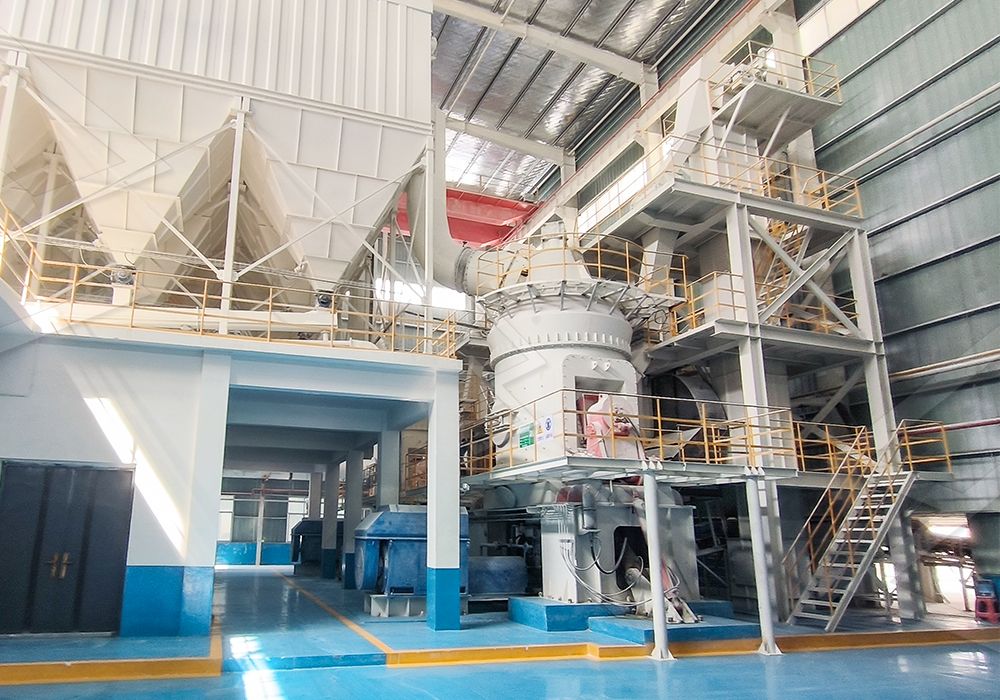
- Energy consumption: 50-65% of total operational costs
- Wear part replacement: 15-25%
- Maintenance labor: 10-15%
- Spare parts inventory: 5-10%
The specific energy consumption for raw material grinding typically ranges between 15-30 kWh/t, depending on material hardness and required fineness.
Technical Considerations for Thai Raw Materials
Thai limestone and clay deposits exhibit particular characteristics that influence grinding efficiency. The presence of silica and varying moisture content (particularly during rainy season) can significantly impact mill performance. Equipment selection must account for:
- Material abrasiveness and grindability index
- Moisture content variations (5-15% typically)
- Required product fineness (Blaine specific surface area)
- Production capacity requirements
Advanced Grinding Solutions for Enhanced Efficiency
Modern roller mill technology has evolved to address the specific challenges of cement raw material preparation. Among the most innovative solutions available to Thai producers is the MW Ultrafine Grinding Mill, which represents a significant advancement in grinding efficiency.
The MW Ultrafine Grinding Mill operates with an input size of 0-20 mm and capacity range of 0.5-25 tph, making it ideal for various production scales common in Thailand. Its design incorporates several proprietary technologies that directly address operational cost concerns:
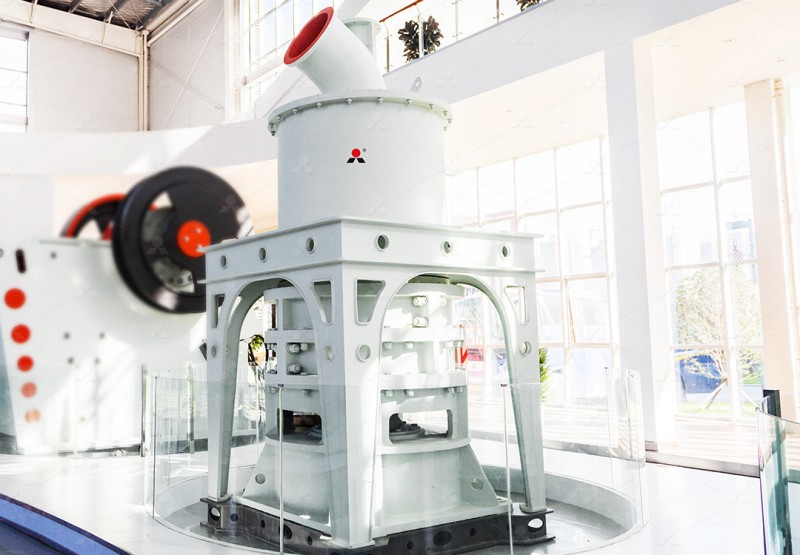
With higher yielding and lower energy consumption characteristics, the MW Mill demonstrates 40% higher production capacity compared to jet grinding mills and twice the output of ball mills, while reducing system energy consumption to just 30% of jet mill requirements. The adjustable fineness between 325-2500 meshes provides exceptional flexibility for different cement formulations.
Another notable advantage for Thai operators is the mill’s unique design that eliminates rolling bearings and screws in the grinding chamber, significantly reducing maintenance concerns and potential downtime from bearing failures or loose components. The external lubrication system enables continuous 24-hour operation – a critical feature for maximizing production uptime.
Comparative Analysis: Roller Mill vs Traditional Solutions
When evaluating grinding equipment options, Thai concrete producers should consider the total cost of ownership rather than simply comparing purchase prices. Our analysis demonstrates that while vertical roller mills typically command a 15-25% higher initial investment compared to ball mills, they offer substantial operational savings:
- 30-50% lower energy consumption
- Reduced maintenance requirements
- Smaller footprint and installation costs
- Superior product quality and consistency
Economic Considerations for Thai Operations
The economic viability of roller mill investments in Thailand must account for local factors including electricity tariffs (currently 3.5-4.5 THB/kWh for industrial users), labor costs, and availability of technical support. The payback period for advanced grinding systems typically ranges from 18-36 months, based on production volume and operational efficiency improvements.
Government incentives for energy-efficient equipment and environmental compliance further improve the financial attractiveness of modern roller mill technology. The integrated dust collection systems in mills like the MW Ultrafine Grinding Mill not only ensure regulatory compliance but also contribute to cleaner working environments.
Future Trends and Recommendations
The Thai cement industry continues to evolve toward more sustainable and efficient production methods. Equipment selection should consider not only current needs but also adaptability to future requirements, including:
- Increasing use of alternative raw materials
- Tighter environmental regulations
- Growing demand for specialized cement products
- Digitalization and Industry 4.0 integration
For concrete producers seeking to optimize their grinding operations, the MW Ultrafine Grinding Mill represents a forward-looking investment that addresses both current operational challenges and future industry trends. Its combination of energy efficiency, maintenance-friendly design, and production flexibility makes it particularly suitable for the dynamic Thai market.
Frequently Asked Questions
What is the typical lifespan of roller mills in cement raw material applications?
Properly maintained roller mills can operate effectively for 15-20 years, with major component refurbishment typically required after 7-10 years of continuous operation. The specific lifespan depends on operating conditions, maintenance practices, and material abrasiveness.
How does humidity during Thailand’s rainy season affect grinding efficiency?
High humidity can increase material moisture content, potentially reducing grinding efficiency by 5-15%. Modern mills with integrated drying capabilities, such as the MW Ultrafine Grinding Mill, minimize this impact through optimized airflow and temperature control.
What maintenance training is typically provided with roller mill installations?
Reputable suppliers offer comprehensive training programs covering routine maintenance, troubleshooting, and operational optimization. This typically includes both classroom instruction and hands-on training during commissioning.
Can roller mills handle the variations in limestone hardness found in Thai quarries?
Yes, modern roller mills are designed to accommodate material hardness variations through adjustable grinding pressure and rotational speed. The MW Ultrafine Grinding Mill specifically incorporates advanced control systems that automatically adjust to maintain consistent product quality despite feed material variations.
What is the typical installation timeline for a new roller mill system in Thailand?
From order placement to operational status typically requires 4-6 months, including manufacturing, shipping, civil works, installation, and commissioning. The exact timeline depends on system complexity and site preparation requirements.
How do roller mills compare to traditional ball mills for power consumption?
Vertical roller mills typically consume 30-50% less energy than ball mills for the same output, representing significant operational cost savings, particularly given Thailand’s industrial electricity rates.
What spare parts inventory is recommended for uninterrupted operation?
We recommend maintaining critical wear parts including grinding rollers, table liners, and classifier components. The specific inventory level should reflect lead times for parts delivery and production criticality.
Are there local service and technical support options available in Thailand?
Yes, established equipment suppliers typically maintain local service teams or work with qualified partners to provide prompt technical support, spare parts, and maintenance services throughout Thailand.