
Roller mill for gypsum for plaster production in jamaica
Roller Mill for Gypsum: Optimizing Plaster Production in Jamaica
The Jamaican construction and manufacturing sectors rely heavily on a consistent supply of high-quality plaster. At the heart of this production lies the efficient processing of raw gypsum into a fine, uniform powder. Selecting the right grinding technology is not merely an operational decision; it is a strategic investment that impacts product quality, energy costs, environmental compliance, and ultimately, profitability. This article explores the critical role of advanced roller mill technology in modernizing Jamaica’s plaster production, focusing on performance, sustainability, and operational excellence.
The Gypsum Grinding Imperative: Beyond Simple Crushing
Gypsum, whether sourced locally or imported, requires precise size reduction to achieve the reactivity and consistency needed for plaster. Traditional ball mills, while common, often struggle with high energy consumption, excessive heat generation (which can dehydrate the gypsum prematurely), and broad particle size distribution. Modern roller mills, employing principles of compression and shear between grinding rollers and a stationary track, offer a superior solution. They provide a controlled grinding environment, efficient particle classification, and significantly lower specific energy consumption.
The ideal mill for Jamaican operations must handle the material’s specific moisture content and abrasiveness while delivering a product fineness typically between 100 and 325 mesh for most plaster applications. Furthermore, the island’s focus on sustainable development and stringent environmental standards necessitates equipment with minimal dust emissions and noise pollution.
Key Technological Advancements in Modern Roller Mills
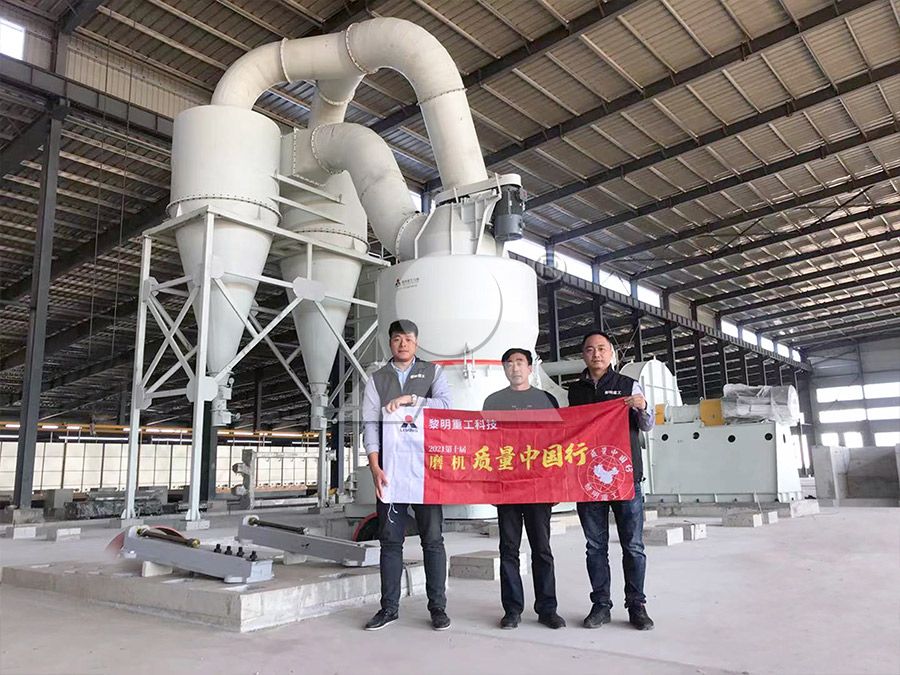
Contemporary roller mill designs have evolved far beyond their predecessors. Key features that directly benefit plaster production include:
- Integrated Drying & Grinding: The ability to use hot gas (often from a dedicated heater or waste heat source) within the mill body allows for simultaneous drying and grinding of gypsum with inherent moisture, streamlining the process.
- Advanced Powder Separation: High-efficiency, dynamic classifiers integrated into the mill housing enable precise control over product fineness. This ensures a consistent plaster powder without over-grinding, which wastes energy.
- Eco-Conscious Design: Closed-system operation with pulse-jet baghouse dust collectors is now standard, ensuring near-zero visible emissions. Sound insulation and optimized mechanical design drastically reduce operational noise.
- Robustness & Easy Maintenance: Designs that allow grinding rollers to be swung out hydraulically for maintenance, and the use of wear-resistant alloys for grinding elements, maximize uptime and reduce long-term operating costs.
Tailoring the Solution: Equipment for the Jamaican Market
For Jamaican producers looking to upgrade their grinding circuit or establish new capacity, the choice of mill should align with production scale, desired product range, and site constraints. Two standout technologies from our portfolio are particularly well-suited.
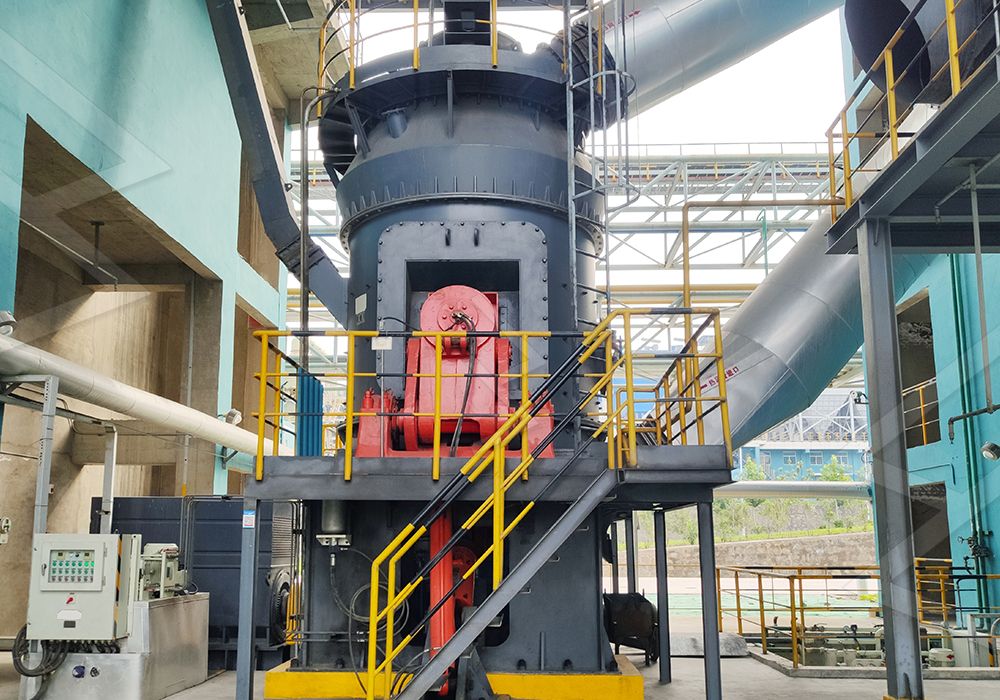
For high-volume production requiring integrated drying and exceptional efficiency, the LM Vertical Grinding Mill is a premier choice. It integrates crushing, drying, grinding, classifying, and conveying in a single unit. With a capacity range of 3-340 tph and the ability to handle feed sizes up to 70mm, it is a workhorse for large-scale plaster plants. Its concentrated layout reduces the plant’s footprint by approximately 50% compared to a ball mill system, a significant advantage. The grinding roller and millstone do not contact directly, resulting in lower iron contamination and higher product whiteness—a critical quality parameter for premium plaster.
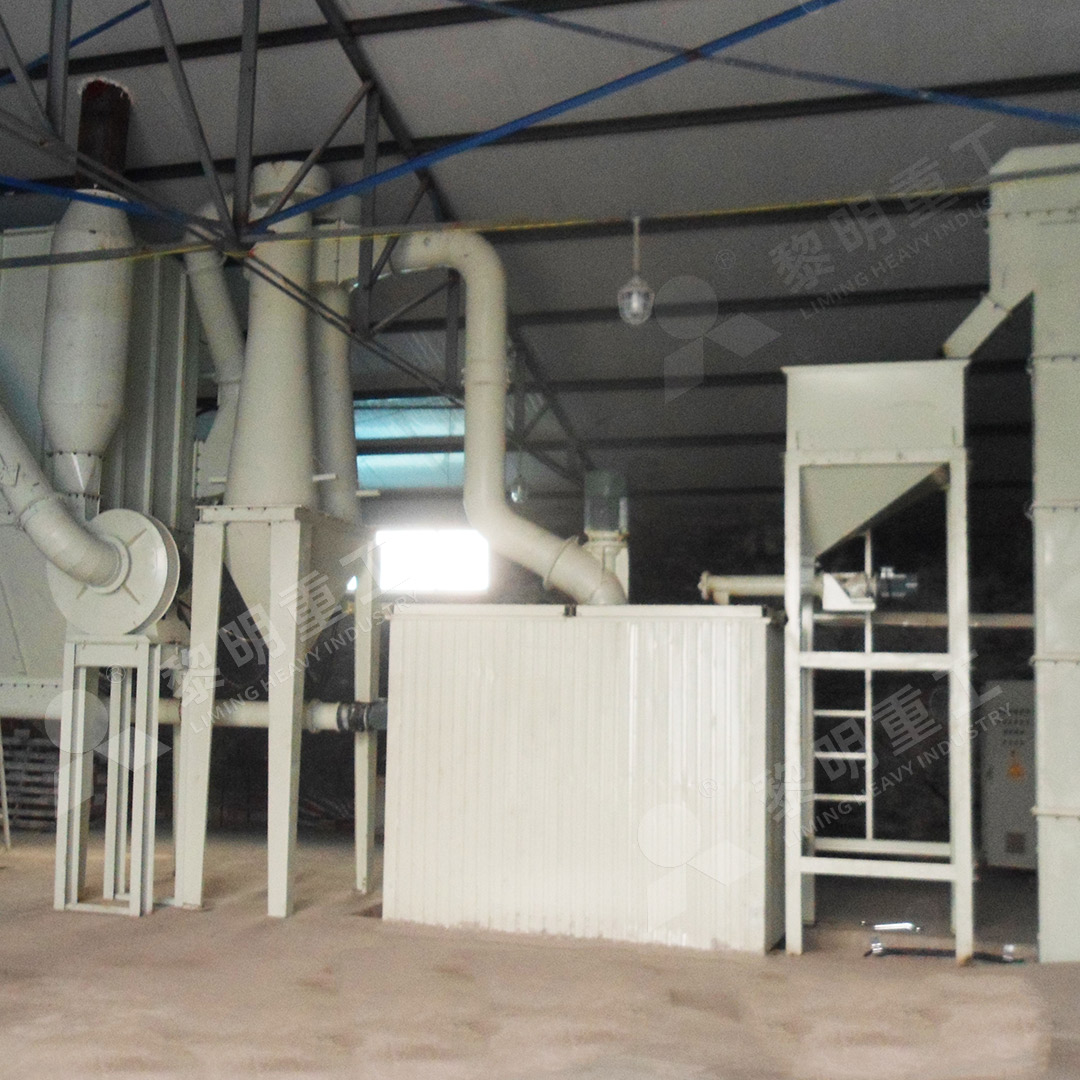
For operations focused on producing ultra-fine or highly consistent plaster powders, the MW Ultrafine Grinding Mill represents the cutting edge. This mill is engineered for customers who need to make ultra-fine powder with superior particle size distribution. Its cage-type powder selector, incorporating German technology, allows precise fineness adjustment between 325-2500 meshes. A key design innovation is the absence of rolling bearings and screws in the grinding chamber, eliminating common failure points and enabling worry-free, continuous 24/7 operation. Equipped with an efficient pulse dust collector and muffler, the MW mill operates with minimal environmental impact, making it an ideal, future-proof investment for Jamaican manufacturers prioritizing quality and sustainability. Its capacity range of 0.5-25 tph makes it versatile for both mid-sized and growing production lines.
Strategic Benefits for Jamaican Producers
Investing in advanced roller mill technology delivers tangible competitive advantages:
- Reduced Operating Costs: Energy savings of 30-50% compared to traditional ball mills directly lower the cost per ton of plaster produced.
- Enhanced Product Quality: Consistent fineness and purity improve plaster setting times, strength, and surface finish, allowing producers to command better market prices.
- Operational Reliability: Modern mills are designed for high availability with easy maintenance access, ensuring consistent supply to meet construction project timelines.
- Environmental Leadership: Compliance with and exceeding local environmental regulations protects the company’s license to operate and aligns with Jamaica’s national sustainability goals.
In conclusion, the evolution of roller mill technology provides Jamaican plaster producers with powerful tools to optimize their operations. By moving to efficient, clean, and intelligent grinding systems like the LM Vertical Mill for large-scale production or the MW Ultrafine Grinding Mill for premium powder quality, the industry can build a stronger, more sustainable, and more profitable foundation for the future.
Frequently Asked Questions (FAQs)
1. What is the typical feed size for gypsum going into a modern roller mill?
Modern vertical roller mills like the LM series can accept feed sizes up to 70mm, often eliminating the need for secondary crushing. For ultra-fine mills like the MW series, feed material is typically pre-crushed to below 20mm for optimal efficiency.
2. Can these mills handle the natural moisture found in some gypsum rock?
Yes, a primary advantage of vertical roller mills like the LM model is their integrated drying capability. Hot air can be introduced into the mill to dry and grind the gypsum simultaneously, handling moisture content effectively during processing.
3. How is the fineness of the final plaster powder controlled?
Fineness is precisely controlled by an internal dynamic classifier or powder separator. By adjusting the speed of the classifier rotor, operators can easily vary the product fineness without stopping the mill, allowing for flexibility in production.
4. What are the main wear parts, and what is their typical service life?
The main wear parts are the grinding rollers and the grinding table/ring. Their service life depends on gypsum abrasiveness and production volume but is significantly extended through the use of high-chrome or other wear-resistant alloys. Designs often allow for segment replacement or hardfacing to further extend life.
5. How dust-free is the operation of these mills?
The grinding system is a completely closed circuit operating under negative pressure. All air used in the process passes through a high-efficiency pulse-jet baghouse filter (dust collector) before being released, ensuring dust emissions are virtually undetectable and well within regulatory limits.
6. Is the installation of such a mill complex?
While it is a significant piece of industrial equipment, modern mills are designed as modular units to simplify installation. Our technical team provides comprehensive foundation drawings, installation guidance, and commissioning support to ensure a smooth project execution.
7. What kind of after-sales support and spare parts availability can we expect in Jamaica?
We take full responsibility for the machines we produce. This includes providing detailed technical documentation, remote operational support, and a guaranteed supply of original spare parts through our global logistics network to ensure worry-free, long-term operation for our clients in Jamaica and the wider Caribbean region.