
Roller mill for calcium carbonate for plastic filler in ethiopia
Roller Mill for Calcium Carbonate for Plastic Filler in Ethiopia: A Technical and Strategic Guide
The burgeoning plastics industry in Ethiopia presents a significant opportunity for local value addition and industrial growth. A critical component in this sector is the production of high-quality plastic fillers, where finely ground calcium carbonate (CaCO3) plays a pivotal role. The choice of grinding technology directly impacts the filler’s properties, production costs, and ultimately, the competitiveness of the final plastic products. This article explores the specific requirements for calcium carbonate filler production in the Ethiopian context and examines the most suitable roller mill technologies.
The Role of Calcium Carbonate in Plastic Manufacturing
Calcium carbonate is the most widely used mineral filler in the plastics industry globally, and its adoption in Ethiopia is growing rapidly. As a filler, it serves multiple purposes: it reduces raw material costs by extending the polymer resin, improves mechanical properties like stiffness and impact resistance, enhances surface finish, and can aid in processing. The effectiveness of CaCO3 as a filler is heavily dependent on its particle size distribution, whiteness, and purity. For many plastic applications, such as PVC pipes, profiles, and polypropylene compounds, a fineness ranging from 400 to 1250 meshes (d97 from ~38μm to ~10μm) is typically required. Achieving this consistently demands precise and efficient grinding equipment.
Challenges and Considerations for Ethiopian Producers
Establishing a calcium carbonate grinding plant in Ethiopia involves navigating unique challenges. Reliable but sometimes limited grid power necessitates energy-efficient machinery to control operational expenses. Environmental regulations, though evolving, require dust-free and low-noise operations to ensure community and worker safety. Furthermore, the need for consistent product quality to compete with imported fillers means the grinding system must offer stable performance, easy fineness adjustment, and minimal iron contamination to maintain the whiteness of the carbonate. Operational simplicity and access to technical support and spare parts are also crucial factors for long-term, worry-free production.
Advanced Grinding Solutions: Beyond Traditional Mills
While traditional Raymond mills or ball mills have been used historically, modern roller mill technology offers superior advantages for filler production. The focus has shifted towards mills that integrate grinding, classifying, and drying (if necessary) into a single, compact system with higher efficiency and lower energy consumption per ton of output.
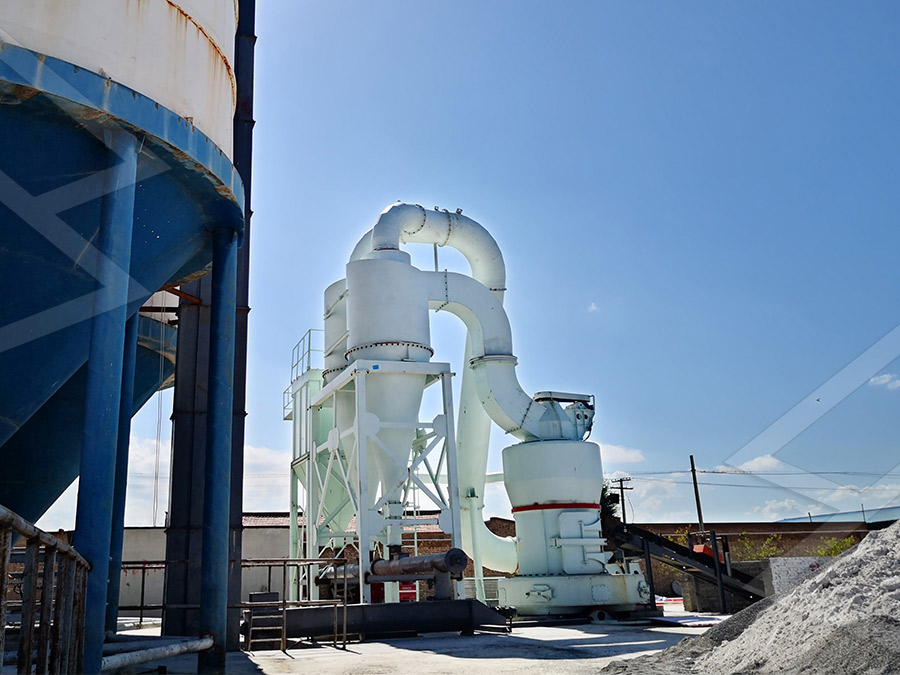
For producers targeting the high-end filler market requiring ultra-fine powders (800-2500 meshes), the MW Ultrafine Grinding Mill presents an exceptional solution. This machine is specifically engineered for producing ultra-fine powder with remarkable efficiency. Its design features a German-technology cage-type powder selector that allows precise fineness adjustment between 325-2500 meshes, perfectly aligning with the stringent requirements of premium plastic fillers. A key operational advantage is its design with no rolling bearings or screws in the grinding chamber, eliminating common failure points and concerns about loose parts causing damage. Furthermore, its integrated efficient pulse dust collector and muffler ensure the entire production process meets environmental standards, a critical consideration for sustainable industrial development in Ethiopia. With an input size of 0-20 mm and a capacity range of 0.5-25 tph, it offers flexibility for various production scales.
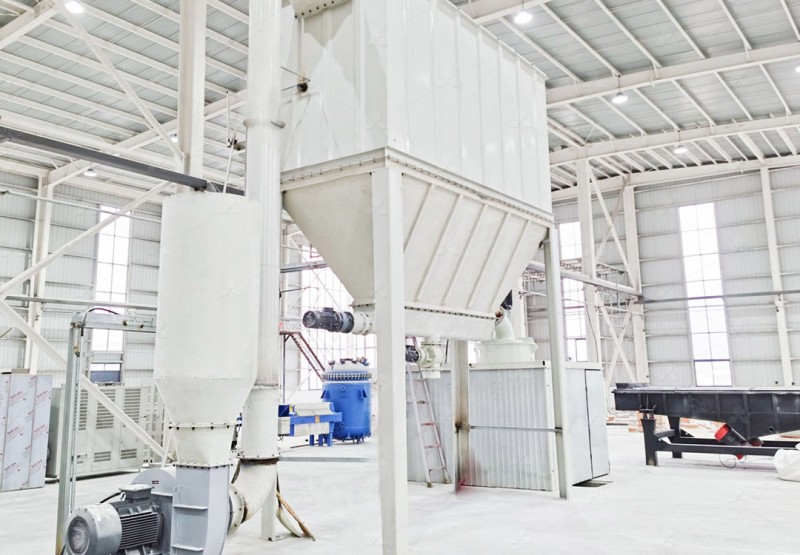
For operations seeking high capacity with exceptional energy savings for fine to ultra-fine grinding, the LUM Ultrafine Vertical Grinding Mill is another top-tier choice. It integrates the latest grinding roller and powder separating technologies. Its unique roller shell and lining plate grinding curve promote better material layer formation, enabling a high rate of finished product in a single pass. This not only boosts efficiency but also improves the whiteness and cleanliness of the final powder—a direct quality advantage. The mill incorporates a PLC control system and multi-head powder separating technology, which can reduce energy consumption by 30%-50% compared to conventional mills. Its reversible structure, facilitated by a hydraulic system, allows grinding rollers to be easily moved out for maintenance, drastically reducing downtime—a vital feature for maximizing productivity.
Strategic Implementation in the Ethiopian Market
Investing in the right roller mill technology is a strategic decision. For a new entrant in Ethiopia, starting with a system like the MW or LUM series provides a technology leapfrog, enabling the production of filler grades that can displace imports and supply both local plastic converters and potentially regional markets. The compact footprint of these vertical and advanced roller mills reduces civil construction costs. Their digitalized processing and high-precision manufacturing ensure reliability and consistent output quality, building a strong reputation for the producer.
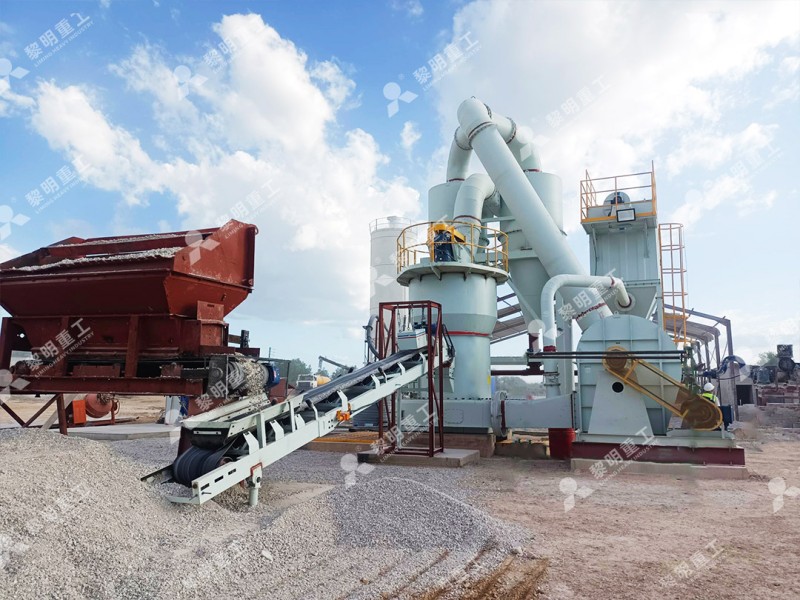
Successful implementation also hinges on partnering with a supplier committed to after-sales support. A comprehensive package, including installation guidance, operator training, and a guaranteed supply of original spare parts, is essential for ensuring long-term, worry-free operation. This support structure turns capital equipment into a reliable asset for growth.
Conclusion
The development of a local calcium carbonate filler industry in Ethiopia is a viable and strategic endeavor. By selecting advanced roller mill technology such as the MW Ultrafine Grinding Mill or the LUM Ultrafine Vertical Grinding Mill, producers can achieve the optimal balance of product quality, energy efficiency, environmental compliance, and operational reliability. This empowers them to not only meet the current demands of the domestic plastics industry but also to build a foundation for future expansion and export, contributing significantly to the nation’s industrial landscape.
Frequently Asked Questions (FAQs)
- What is the typical fineness (mesh size) required for calcium carbonate used as a plastic filler?
It varies by application, but common ranges are 400-800 meshes for general-purpose filling and 800-1250+ meshes for high-performance applications where surface finish and mechanical properties are critical. - Why is energy consumption a major factor when choosing a mill in Ethiopia?
Operating costs are paramount. Energy-efficient mills directly lower production costs per ton, improving profitability and providing a buffer against power price fluctuations or supply inconsistencies. - How important is the whiteness of the ground calcium carbonate?
Extremely important. High whiteness (low iron contamination) ensures the filler does not discolor the final plastic product. Modern mills with minimal metal-to-metal contact in the grinding zone are designed to preserve material whiteness. - Can these mills handle moist material?
The standard MW and LUM mills are designed for dry grinding. If the raw calcium carbonate has high moisture content, a separate drying stage before grinding or a mill system with integrated drying capabilities (like some vertical mill configurations) would be necessary. - What kind of after-sales support should I expect?
You should expect comprehensive support including installation supervision, commissioning, operational training, a detailed maintenance manual, and reliable access to genuine spare parts to ensure maximum equipment uptime. - Is the particle size distribution adjustable during operation?
Yes, both the MW and LUM series mills feature advanced powder separators (classifiers) that allow for real-time adjustment of the fineness without needing to stop the mill, providing great flexibility to produce different product grades. - What is the lead time for acquiring such a milling system in Ethiopia?
Lead times vary based on model capacity and configuration. It involves manufacturing, shipping, and customs clearance. A reputable supplier will provide a clear project timeline from order to commissioning.