
Roller mill for bentonite for animal feed binder in vietnam
Roller Mill for Bentonite in Animal Feed Binder Production: A Technical Guide for Vietnamese Manufacturers
The Vietnamese animal feed industry is experiencing robust growth, driven by rising domestic demand and export opportunities. A critical component in modern feed formulation is the binder, which ensures pellet durability, reduces waste, and improves nutrient retention. Among various binder materials, bentonite clay stands out for its natural swelling properties, cation exchange capacity, and cost-effectiveness. However, the efficacy of bentonite as a binder is intrinsically linked to its particle size and uniformity, making the selection of the right grinding technology paramount for feed mill operators.
This article explores the specific requirements for processing bentonite for animal feed binders and examines how advanced roller mill technology can optimize production, enhance product quality, and improve operational economics for Vietnamese businesses.
The Critical Role of Particle Size in Bentonite Binder Performance
Raw bentonite possesses excellent binding potential, but this potential is unlocked only through fine grinding. The binding mechanism relies on the increased surface area of the clay platelets, which enhances water absorption and the formation of a cohesive gel network within the feed pellet. Coarse or inconsistent particles lead to poor gel formation, resulting in crumbly pellets that disintegrate during handling and transport.
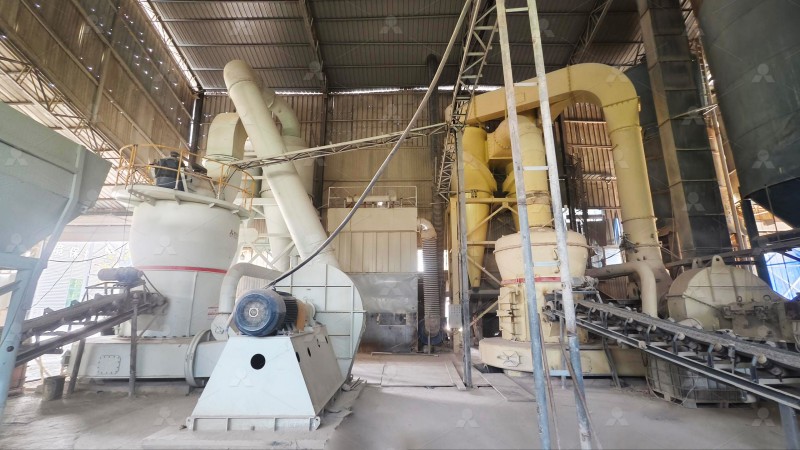
For optimal performance in feed, bentonite powder typically requires a fineness between 200 to 500 meshes. Achieving this consistently demands a mill that offers precise particle size control, high classification efficiency, and stable operation to prevent product contamination—a non-negotiable in animal nutrition.
Challenges in Bentonite Milling for the Feed Sector
Vietnamese processors face several challenges when milling bentonite:
- Abrasion: Bentonite can be abrasive, leading to rapid wear of grinding components and metallic contamination.
- Moisture Sensitivity: While dry milling is preferred, residual moisture can cause clogging and reduce grinding efficiency.
- Dust Control: Fine clay dust poses significant health and environmental risks, requiring robust containment systems.
- Energy Intensity: Traditional ball mills or Raymond mills often consume excessive power for the desired fineness, eroding profit margins.
Overcoming these challenges necessitates moving beyond conventional milling equipment to solutions engineered for modern mineral processing.
Advanced Roller Mill Technology: The Optimal Solution
Modern vertical roller mills and trapezium mills represent a significant leap forward. Their grinding principle—applying pressure and shear force via rollers against a stationary ring or table—is inherently more efficient for brittle materials like bentonite than the impact-based method of hammer mills or the tumbling action of ball mills. This results in lower specific energy consumption, finer product control, and reduced wear.
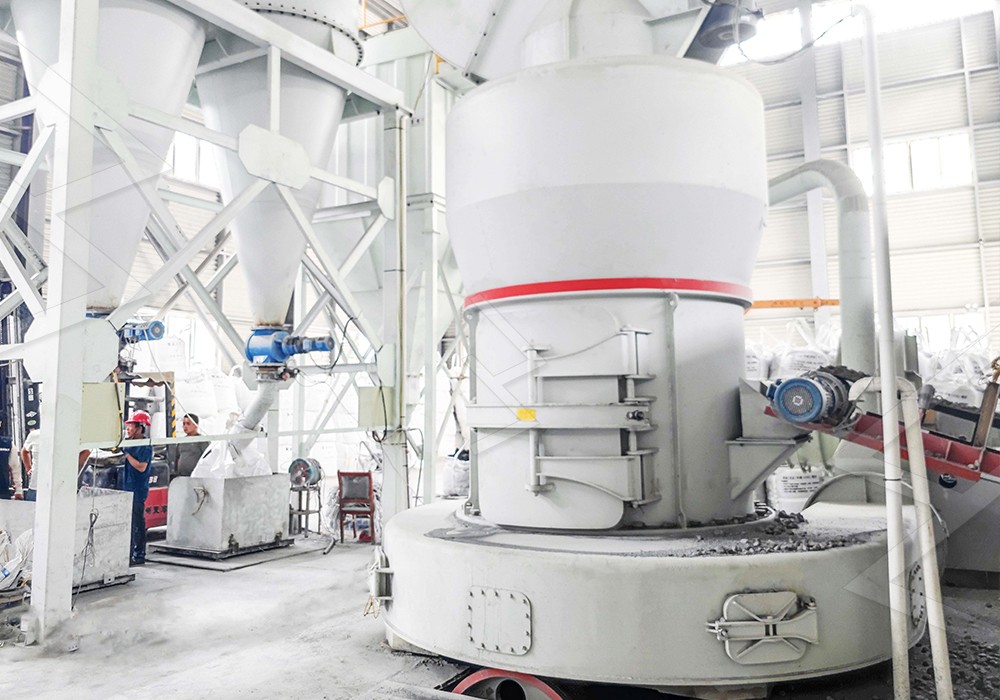
For Vietnamese feed binder producers seeking a balance of high capacity, superior fineness, and operational reliability, the MTW-Z European Trapezium Mill presents a compelling choice. Specifically engineered for non-metallic minerals like bentonite, its features directly address local production needs. The mill’s dilute oil lubrication system for grinding rollers is a maintenance breakthrough, eliminating frequent grease additions and reducing downtime—a crucial advantage for continuous feed mill operations. Furthermore, its elastic volute damping structure ensures stable, vibration-free running, which is essential for achieving consistent particle size distribution and protecting downstream equipment.
Pushing the Boundaries: Ultrafine Solutions for Premium Binders
For manufacturers targeting the premium feed segment or exploring value-added bentonite applications (e.g., mycotoxin binders), achieving ultrafine consistency (above 800 meshes) can confer a significant market advantage. Here, specialized ultrafine grinding technology becomes essential.
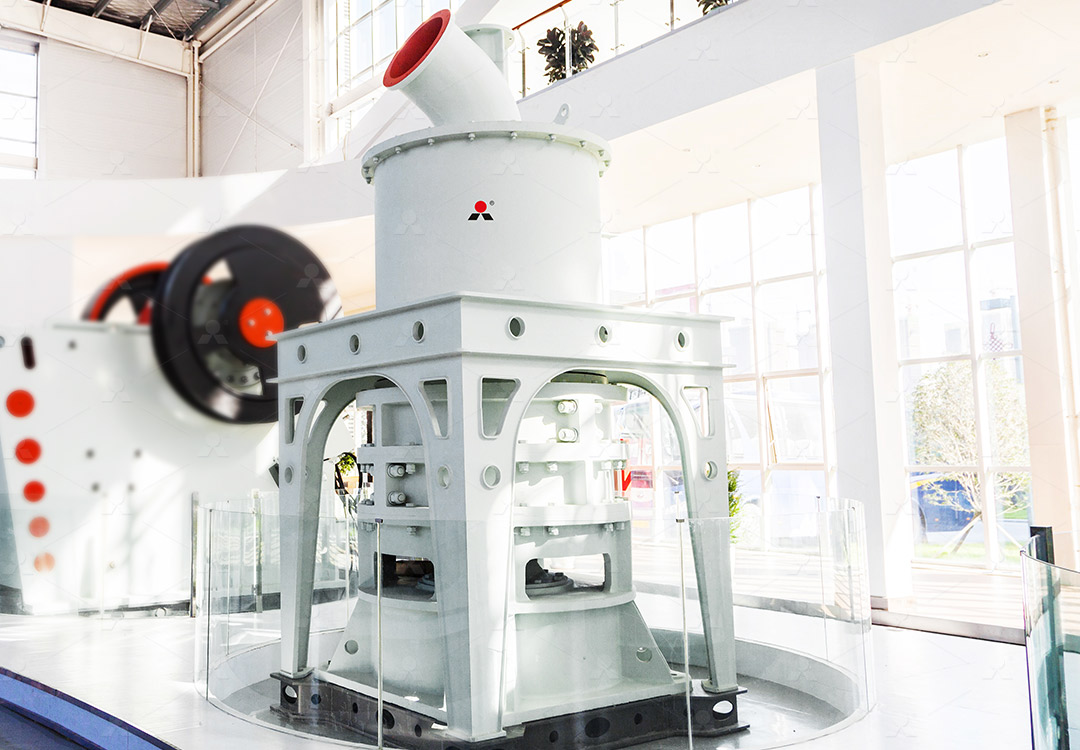
Our MW Ultrafine Grinding Mill is designed precisely for this task. It excels in producing ultra-fine bentonite powder with a fineness adjustable between 325-2500 meshes, far surpassing the requirements of standard feed binders. Its standout feature for bentonite processing is the complete absence of rolling bearings and screws in the grinding chamber. This ingenious design eliminates a primary source of metallic wear contamination, ensuring the purity of the final bentonite product—a critical factor for feed safety. Coupled with an efficient pulse dust collector, the MW Mill operates as a clean, closed system, aligning perfectly with stringent factory hygiene and environmental standards in Vietnam.
Strategic Considerations for Vietnamese Investment
Selecting a roller mill is a strategic decision. Beyond the machine’s price, Vietnamese investors should evaluate:
- Total Cost of Ownership: Consider energy savings (30-50% vs. ball mills), wear part longevity, and maintenance requirements.
- Flexibility: Can the mill handle variations in bentonite moisture or hardness common in sourced materials?
- Supplier Support: Does the manufacturer have a local presence for technical service, spare parts, and operational training?
- Scalability: Can the system capacity be matched to future expansion plans?
Investing in the right technology not only optimizes bentonite binder production but also strengthens the competitiveness of the entire feed operation through improved pellet quality, lower production costs, and enhanced product safety.
Conclusion
The transition to advanced roller mill technology for bentonite processing is a logical step for the evolving Vietnamese animal feed industry. By enabling precise, efficient, and clean production of high-quality bentonite powder, mills like the MTW-Z European Trapezium Mill and the MW Ultrafine Grinding Mill empower manufacturers to produce superior feed binders. This investment directly contributes to more durable, nutritious, and cost-effective animal feed, supporting the sustainable growth of Vietnam’s livestock and aquaculture sectors.
Frequently Asked Questions (FAQs)
Q1: What is the typical moisture content limit for bentonite fed into these roller mills?
A: For optimal dry grinding, the moisture content of bentonite should generally be below 8-10%. Some vertical mill designs integrate mild drying capabilities using hot air, which can handle slightly higher moisture levels.
Q2: How does the energy consumption of the MTW-Z Mill compare to a traditional Raymond mill for bentonite?
A: The MTW-Z Mill, with its efficient grinding curve, larger diameter rollers, and low-resistance powder concentrator, typically achieves 20-30% lower energy consumption per ton of bentonite ground to similar fineness.
Q3: Are these mills suitable for processing other feed additive minerals, like zeolite or diatomaceous earth?
A: Absolutely. The grinding principles are highly effective for a range of soft to medium-hard non-metallic minerals used in feed, including zeolite, diatomaceous earth, and limestone. Adjustments to grinding pressure and classifier speed can be made for different materials.
Q4: What are the key maintenance points for these mills in a high-humidity environment like Vietnam?
A: Regular checks on the lubrication system (ensuring oil is clean and moisture-free), inspection of seals to prevent humid air ingress into the gearbox, and ensuring the dust collector’s filter bags are dry and functional are crucial. The dilute oil lubrication system in the MTW-Z simplifies this significantly.
Q5: Can the fineness of the product be adjusted quickly to switch between different feed formulations?
A: Yes. Modern mills feature external adjustment mechanisms for the powder separator (classifier). Changing the rotor speed or blade angle allows operators to shift the product fineness relatively quickly, often within minutes, without stopping the mill.
Q6: How is metallic contamination from wear monitored and controlled?
A: Besides using wear-resistant alloys for grinding parts, the design of mills like the MW Ultrafine Mill removes bearings from the grinding zone. Regular inspection schedules for rollers and rings are recommended. The final bentonite powder can also pass through magnetic separators as an additional safety step.
Q7: What is the expected noise level during operation?
A: Advanced roller mills are designed for quiet operation. Integrated silencers, sound-dampening materials, and stable mechanical foundations typically keep operational noise well below 85 dB(A) at a one-meter distance, complying with workplace safety standards.