
Roller mill for barite for plastic filler in philippines
Unlocking Barite Potential for Philippine Plastic Manufacturing
The Philippine plastic manufacturing industry has experienced remarkable growth over the past decade, with increasing demand for high-quality fillers that enhance product performance while reducing costs. Barite, with its high specific gravity, chemical inertness, and excellent dispersion properties, has emerged as a premium filler material for various plastic applications. However, the transformation of raw barite into the ultra-fine powders required for plastic compounding presents significant technical challenges that demand specialized milling solutions.
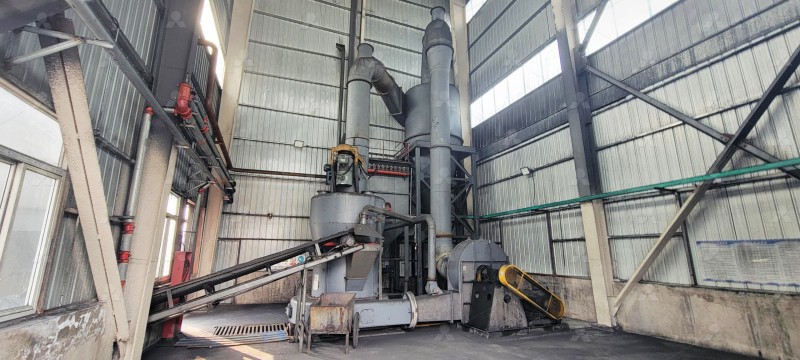
Traditional grinding methods often fall short in meeting the stringent requirements for plastic filler applications. The ideal barite filler must possess consistent particle size distribution, high whiteness, and minimal impurities to avoid compromising the mechanical properties and appearance of the final plastic products. This is where advanced roller mill technology becomes indispensable for Philippine processors seeking to capitalize on domestic barite resources.
The Critical Role of Particle Size in Plastic Filler Performance
In plastic compounding, filler particle size directly impacts multiple aspects of product quality. Particles that are too coarse can create stress concentration points, reducing impact strength and surface quality. Conversely, excessively fine particles may agglomerate, leading to uneven dispersion and processing difficulties. The sweet spot for most plastic applications lies in the 325 to 1250 mesh range (approximately 45 to 10 microns), with tight particle distribution being equally important as the average size.
Philippine barite deposits, particularly those from Masbate and other mineral-rich regions, typically require careful processing to achieve these specifications. The presence of associated minerals and varying hardness characteristics necessitates milling equipment capable of handling these variations while maintaining consistent output quality.
Advanced Milling Solutions for Barite Processing
After extensive testing and operational experience in similar applications, we’ve identified our MW Ultrafine Grinding Mill as particularly well-suited for barite processing in the Philippine context. This machine represents a significant advancement in grinding technology, specifically designed for customers requiring ultra-fine powder production with minimal environmental impact.
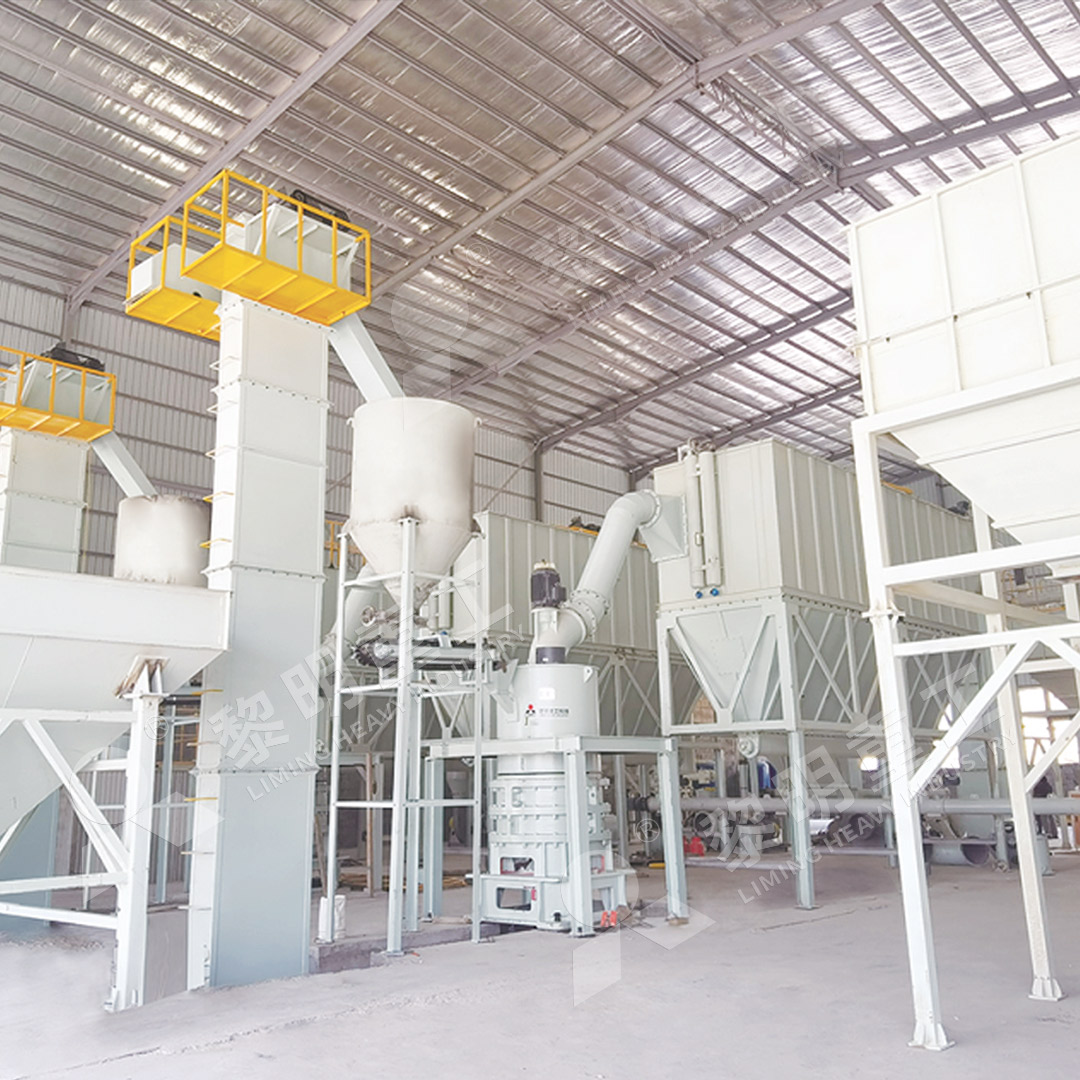
The MW Ultrafine Grinding Mill handles input sizes of 0-20 mm with capacities ranging from 0.5 to 25 tph, making it ideal for medium to large-scale barite processing operations. What sets this equipment apart is its innovative design that eliminates rolling bearings and screws within the grinding chamber. This feature is particularly valuable in the Philippine environment, where concerns about bearing damage or loose screws causing machine failure are completely eliminated.
Technical Superiority for Barite Applications
For plastic filler production, the MW Ultrafine Grinding Mill offers several distinct advantages. Its newly designed grinding curves of grinding roller and grinding ring enhance grinding efficiency significantly. Compared to jet mills and stirred mills operating at the same fineness and power, production capacity increases by 40%, while output doubles compared to traditional ball mills. Most importantly for cost-conscious Philippine operations, system energy consumption drops to just 30% of jet grinding mill requirements.
The adjustable fineness between 325-2500 meshes, achieved through German cage-type powder selector technology, allows processors to precisely tailor their barite powder to specific plastic applications. Whether producing filler for PVC pipes requiring 325-400 mesh or engineering plastics needing 1250+ mesh specifications, the MW mill delivers consistent results with screening rates achieving d97≤5μm in a single pass.
Environmental Considerations in Philippine Operations
Operating within the Philippines’ increasingly stringent environmental regulations requires milling equipment that minimizes ecological impact. The MW Ultrafine Grinding Mill addresses these concerns through its efficient pulse dust collector and muffler system, effectively reducing both dust pollution and operational noise. The entire production system complies with national environmental protection standards, a crucial consideration for Philippine manufacturers seeking sustainable operations.
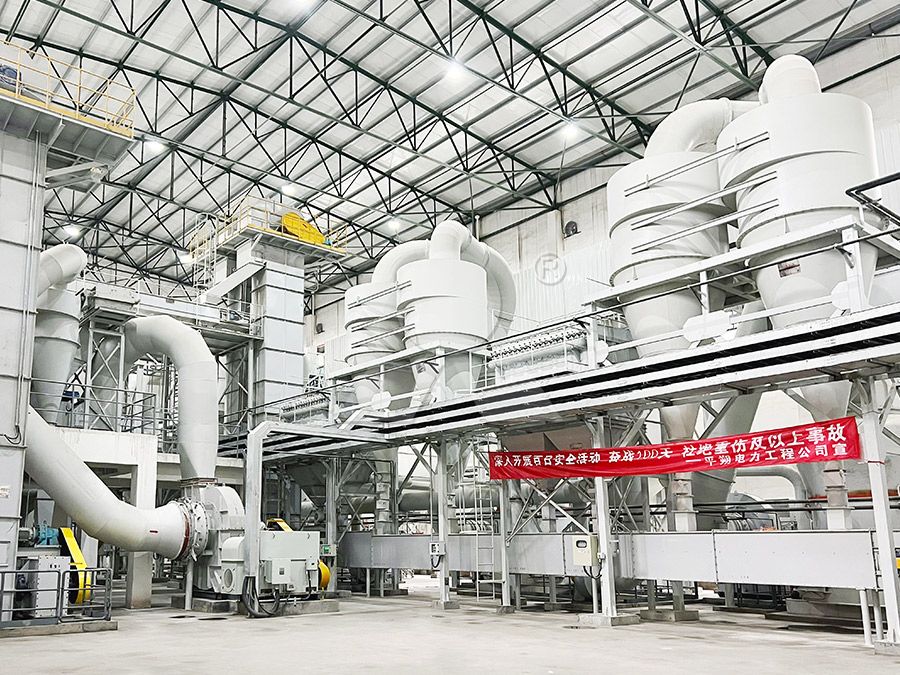
The external lubrication system deserves special mention for Philippine operations, where maintenance accessibility and 24-hour production capabilities significantly impact profitability. With lubrication possible without shutdown, operations can continue uninterrupted—a vital feature for meeting the consistent supply demands of the plastic industry.
Complementary Solution: LUM Ultrafine Vertical Grinding Mill
For operations requiring even higher precision or dealing with varying barite characteristics, our LUM Ultrafine Vertical Grinding Mill presents an excellent alternative or complementary solution. With input size of 0-10 mm and capacity of 5-18 tph, this mill incorporates the latest Taiwanese grinding roller technology and German powder separating technology.
The LUM mill’s unique roller shell and lining plate grinding curve design specifically addresses common barite processing challenges, including material lingering time and repeated grinding issues. Its double position-limiting technology ensures operational stability even with the vibration variations common in mineral processing, while the reversible structure simplifies maintenance—an important consideration for Philippine operations where technical expertise may be limited.
Economic Advantages for Philippine Barite Processors
The transition to advanced roller mill technology represents not just a technical improvement but a significant economic opportunity for Philippine barite processors. By producing higher-value barite fillers domestically, processors can reduce import dependence while creating products competitive in international markets. The MW Ultrafine Grinding Mill’s higher yielding and lower energy consumption directly translate to improved profit margins, with the 30% energy savings compared to alternative technologies providing a compelling financial case even before considering quality improvements.
Furthermore, LIMING’s comprehensive support structure, including sufficient spare parts supply and technical services, ensures worry-free operation—a critical factor for Philippine businesses where equipment downtime can have severe financial consequences. Our digitalized processing and higher precision manufacturing guarantee that every machine delivers consistent performance, backed by responsibility for every unit produced.
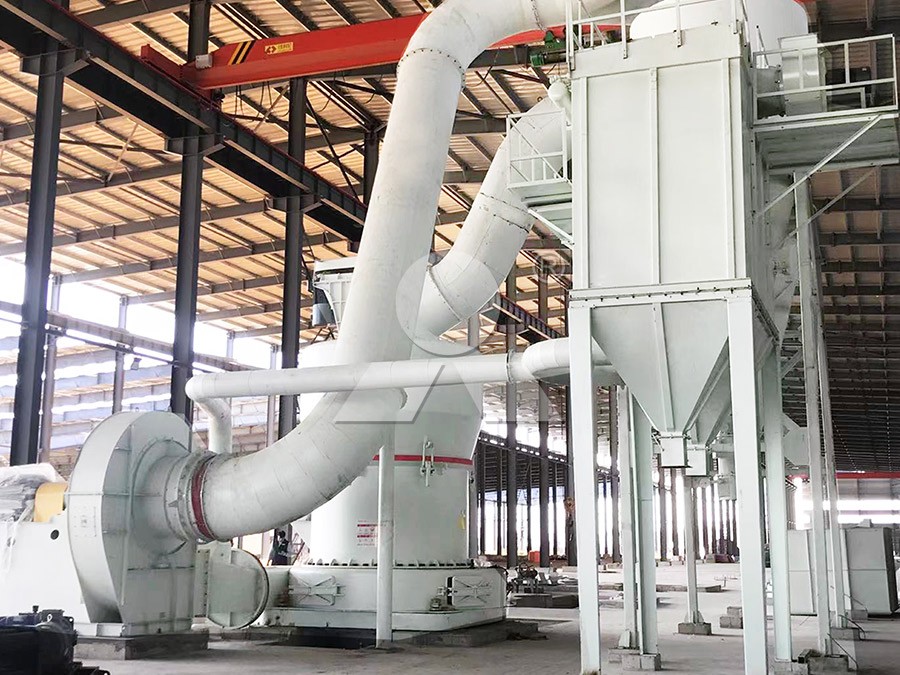
As the Philippine plastic industry continues to evolve and demand higher quality fillers, investing in appropriate barite processing technology becomes increasingly strategic. The MW Ultrafine Grinding Mill and LUM Ultrafine Vertical Grinding Mill represent proven solutions that balance technical capability, operational efficiency, and environmental responsibility—exactly what forward-thinking Philippine processors need to capitalize on domestic barite resources and growing market opportunities.
Frequently Asked Questions
What makes barite suitable for plastic filler applications?
Barite possesses high specific gravity, chemical inertness, excellent dispersion properties, and the ability to improve dimensional stability in plastic products. Its natural whiteness and low oil absorption make it particularly valuable for quality-sensitive applications.
How does the MW Ultrafine Grinding Mill handle variations in barite hardness?
The mill’s innovative grinding curve design and adjustable pressure system automatically compensate for hardness variations, maintaining consistent output quality regardless of feed material fluctuations.
What maintenance requirements should Philippine operators anticipate?
With no rolling bearings or screws in the grinding chamber and external lubrication capability, maintenance requirements are significantly reduced. Routine inspections and periodic replacement of wear parts represent the primary maintenance activities.
Can the same equipment process other minerals besides barite?
Absolutely. The MW Ultrafine Grinding Mill effectively processes limestone, calcite, dolomite, talc, and numerous other non-metallic minerals, providing operational flexibility for processors.
How does the equipment address Philippines’ specific environmental regulations?
The integrated pulse dust collector and muffler system ensure emissions and noise levels comply with Philippine environmental standards, with the closed system preventing material escape.
What particle size distribution can be achieved for plastic filler applications?
The equipment produces powders ranging from 325 to 2500 meshes, with tight distribution curves ideal for plastic compounding. Specific ranges can be targeted based on application requirements.
How does the energy consumption compare to traditional ball mills?
The MW Ultrafine Grinding Mill consumes approximately 30-40% less energy than traditional ball mills while delivering twice the output capacity at equivalent fineness levels.
What technical support is available for Philippine customers?
LIMING provides comprehensive technical support, including installation supervision, operator training, and ongoing technical consultation. Original spare parts ensure continued optimal performance.