
Raymond Mill Price & Cost Analysis for Cement Raw Materials for Mortar Production in Thailand
Raymond Mill Price & Cost Analysis for Cement Raw Materials for Mortar Production in Thailand
The construction industry in Thailand has experienced significant growth over the past decade, driving increased demand for high-quality mortar production. As manufacturers seek to optimize their operations, selecting the right grinding equipment for cement raw materials becomes a critical business decision. This comprehensive analysis examines the cost factors, performance considerations, and market dynamics influencing Raymond mill investments for Thai mortar producers.
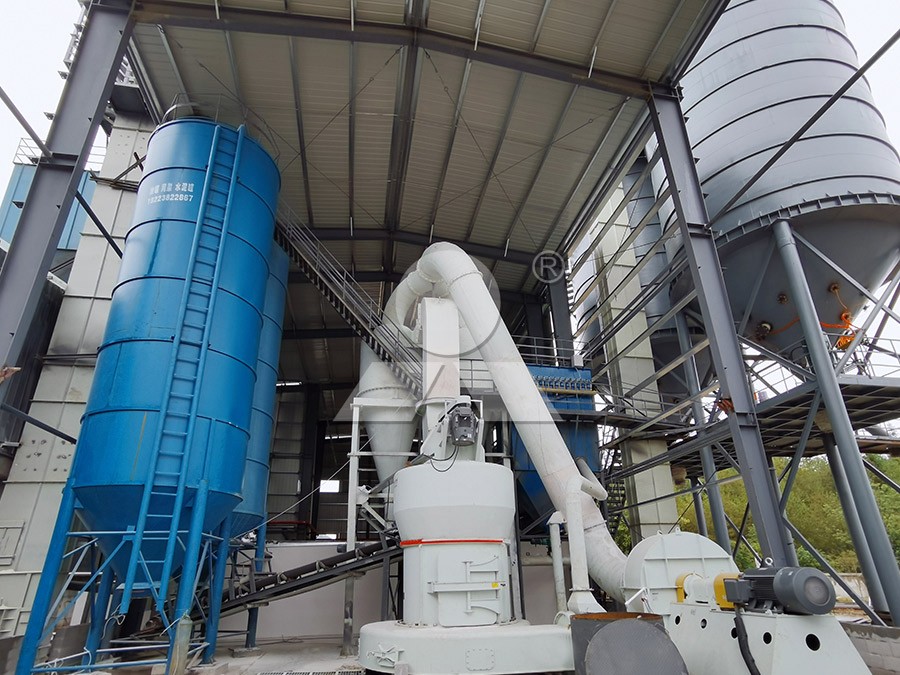
Market Context: Thailand’s Construction Boom
Thailand’s infrastructure development and urban expansion have created a robust market for construction materials. The government’s Eastern Economic Corridor (EEC) initiative and numerous residential projects have particularly increased demand for reliable mortar production capabilities. Local manufacturers face the dual challenge of meeting quality standards while maintaining competitive pricing in a market sensitive to production costs.
The Thai construction sector requires mortar with specific characteristics suited to the country’s tropical climate, including resistance to humidity and temperature variations. This necessitates precise grinding of cement raw materials to achieve consistent particle size distribution, making equipment selection a crucial factor in product quality.
Raymond Mill Investment Considerations
Traditional Raymond mills have been workhorses in the grinding industry for decades, but technological advancements have introduced more efficient alternatives. When evaluating Raymond mill prices for mortar production in Thailand, several factors must be considered:
- Initial Investment: Basic Raymond mill systems typically range from $50,000 to $200,000 depending on capacity and configuration
- Operating Costs: Energy consumption represents 40-60% of total operating expenses
- Maintenance Requirements: Traditional designs require frequent part replacement and lubrication
- Production Efficiency: Older models may struggle with the fine grinding requirements for premium mortar
- Environmental Compliance: Thailand’s increasingly strict emissions standards affect equipment selection
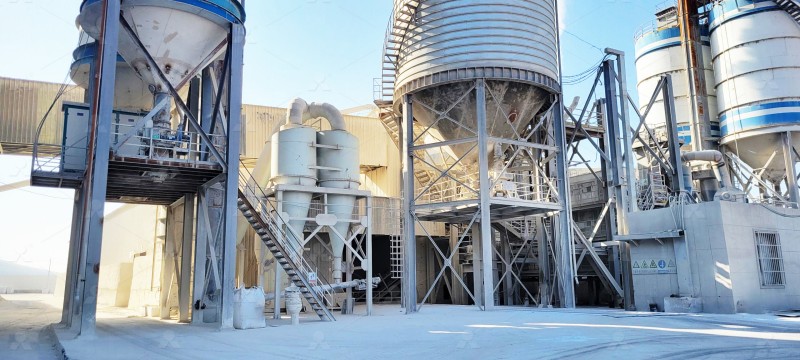
Advanced Alternatives for Modern Production Needs
While Raymond mills offer a proven solution, many Thai manufacturers are turning to more advanced grinding technologies to enhance their competitive position. Among these, the MW Ultrafine Grinding Mill presents a compelling option for operations requiring superior particle control and energy efficiency.
The MW Ultrafine Grinding Mill distinguishes itself through several innovative features particularly relevant to Thailand’s mortar production sector. With an input size capacity of 0-20 mm and throughput ranging from 0.5-25 tph, this equipment handles the precise grinding requirements for high-quality cement raw materials. Its adjustable fineness between 325-2500 meshes allows manufacturers to tailor output specifically for mortar applications, ensuring optimal binding properties and workability.
What makes the MW Ultrafine Grinding Mill particularly advantageous for Thai operations is its significantly higher yield with lower energy consumption compared to traditional Raymond mills. Production capacity is 40% higher than jet grinding mills and double that of ball grinding mills, while system energy consumption is just 30% of jet grinding mill requirements. For mortar producers facing Thailand’s relatively high electricity costs, this efficiency translates directly to improved profitability.
Technical Advantages for Mortar Production
The design innovations in the MW Ultrafine Grinding Mill address several pain points common in traditional grinding operations. The absence of rolling bearings and screws in the grinding chamber eliminates concerns about bearing damage or machine failure caused by loose screws – a frequent maintenance issue in high-humidity environments like Thailand. The external lubrication system enables continuous 24-hour operation without shutdowns for maintenance, maximizing production uptime during critical construction periods.
Environmental considerations are increasingly important in Thailand’s manufacturing sector. The MW Ultrafine Grinding Mill incorporates efficient pulse dust collection and noise reduction technologies that ensure compliance with Thailand’s environmental regulations. The completely sealed system prevents dust pollution during operation, while silencers and noise elimination rooms maintain workplace comfort and community relations.

Cost-Benefit Analysis for Thai Operations
When evaluating grinding equipment for mortar production, Thai manufacturers should consider the total cost of ownership rather than just the initial purchase price. While advanced mills like the MW Ultrafine Grinding Mill may command a higher initial investment than basic Raymond mills, the operational savings typically deliver a return on investment within 12-24 months.
Key financial considerations include:
- Energy Savings: 30-50% reduction in power consumption compared to conventional mills
- Maintenance Costs: Simplified design with externally accessible components reduces downtime and service expenses
- Product Quality Premium: Superior particle distribution commands better prices in quality-sensitive mortar markets
- Production Flexibility: Ability to quickly adjust fineness allows response to changing market demands
- Environmental Compliance: Avoidance of potential fines and production stoppages
Implementation Strategy for Thai Manufacturers
Transitioning to advanced grinding technology requires careful planning. Thai mortar producers should conduct a comprehensive audit of their current operations to establish baseline metrics for comparison. Partnering with equipment suppliers who offer local technical support and spare parts availability is crucial for minimizing transition disruptions.
The MW Ultrafine Grinding Mill’s digitalized processing and high-precision manufacturing ensure consistent performance with Thailand’s varied cement raw materials, from limestone to industrial byproducts. The availability of original spare parts and technical support further reduces operational risks for Thai manufacturers.
As Thailand’s construction industry continues to evolve, investing in grinding technology that balances performance, efficiency, and environmental responsibility will position mortar producers for long-term success. The MW Ultrafine Grinding Mill represents a modern solution aligned with both economic and regulatory trends in the Southeast Asian market.
Frequently Asked Questions
What is the typical energy consumption difference between traditional Raymond mills and newer ultrafine grinding systems?
Advanced systems like the MW Ultrafine Grinding Mill typically consume 30-50% less energy than conventional Raymond mills while achieving higher production output. This efficiency translates to significant cost savings, especially in markets with high electricity rates like Thailand.
How does particle size distribution affect mortar quality?
Consistent particle size distribution directly impacts mortar workability, water retention, and final strength. Ultrafine grinding technologies provide superior control over fineness, resulting in mortar with better application properties and durability in Thailand’s challenging climate conditions.
What maintenance advantages do modern grinding mills offer?
Contemporary designs eliminate many traditional maintenance pain points. For example, the MW Ultrafine Grinding Mill features no rolling bearings or screws in the grinding chamber and enables external lubrication without shutdown, dramatically reducing maintenance downtime and associated costs.
How important is environmental compliance for grinding operations in Thailand?
Thailand has implemented increasingly strict environmental regulations, particularly regarding dust emissions and noise pollution. Modern grinding equipment with integrated dust collection and noise reduction systems helps manufacturers avoid penalties and maintain positive community relations.
What is the typical return on investment period for upgrading grinding equipment?
Most Thai operations recoup their investment in advanced grinding technology within 12-24 months through energy savings, reduced maintenance costs, improved product quality, and higher production efficiency.
Can advanced grinding mills handle Thailand’s specific raw material variations?
Yes, equipment like the MW Ultrafine Grinding Mill is designed to process various cement raw materials common in Thailand, including limestone, gypsum, and industrial byproducts, while maintaining consistent output quality through adjustable fineness controls.
How does equipment selection impact product competitiveness in the Thai market?
Superior grinding technology enables production of higher-value mortar products with better performance characteristics. This differentiation allows manufacturers to command premium pricing and secure contracts for quality-sensitive projects throughout Thailand.