
Raymond Mill for Quicklime for Soil Stabilization in Pakistan
Raymond Mill for Quicklime for Soil Stabilization in Pakistan
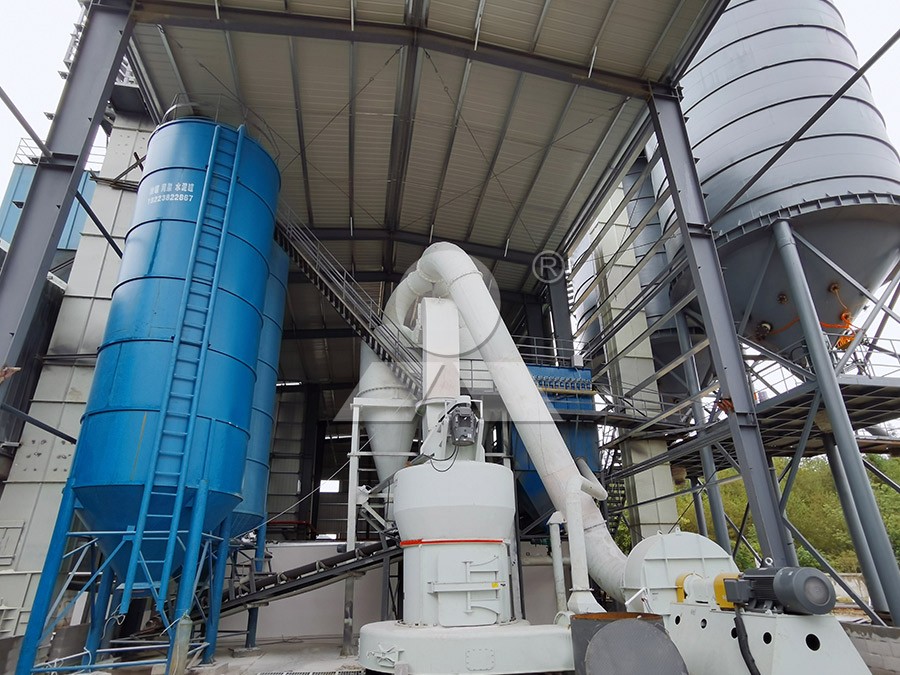
Soil stabilization represents a critical process in construction and civil engineering projects across Pakistan, where varying soil conditions often require enhancement to meet structural demands. Among the most effective stabilizing agents is quicklime (calcium oxide), which improves soil properties through chemical reactions that reduce plasticity, increase strength, and enhance durability. The performance of quicklime in soil stabilization heavily depends on its fineness and quality, making the selection of appropriate grinding equipment paramount to project success.
The Importance of Proper Quicklime Preparation
Quicklime’s effectiveness in soil stabilization stems from its reaction with water and clay minerals in the soil. This reaction, known as pozzolanic reaction, generates cementitious compounds that bind soil particles together. The rate and completeness of this reaction are directly influenced by the particle size of the quicklime – finer particles react more quickly and completely, leading to better stabilization outcomes. In Pakistan’s diverse geological conditions, from the expansive clay soils of Punjab to the sandy soils of Sindh, properly processed quicklime can transform problematic soils into stable construction foundations.
The grinding process must achieve a precise balance between particle size distribution, production efficiency, and operational costs. Traditional grinding methods often fall short in producing the consistent fineness required for optimal soil stabilization. This is where advanced milling technology makes a significant difference in both project outcomes and economic viability.
Technical Considerations for Quicklime Grinding
When processing quicklime for soil stabilization, several technical factors must be considered. The hygroscopic nature of quicklime requires milling systems with effective sealing to prevent moisture absorption during processing. The abrasive characteristics of limestone-derived quicklime demand wear-resistant components in the grinding mechanism. Additionally, the exothermic nature of quicklime hydration necessitates careful temperature control during milling to prevent premature reaction.
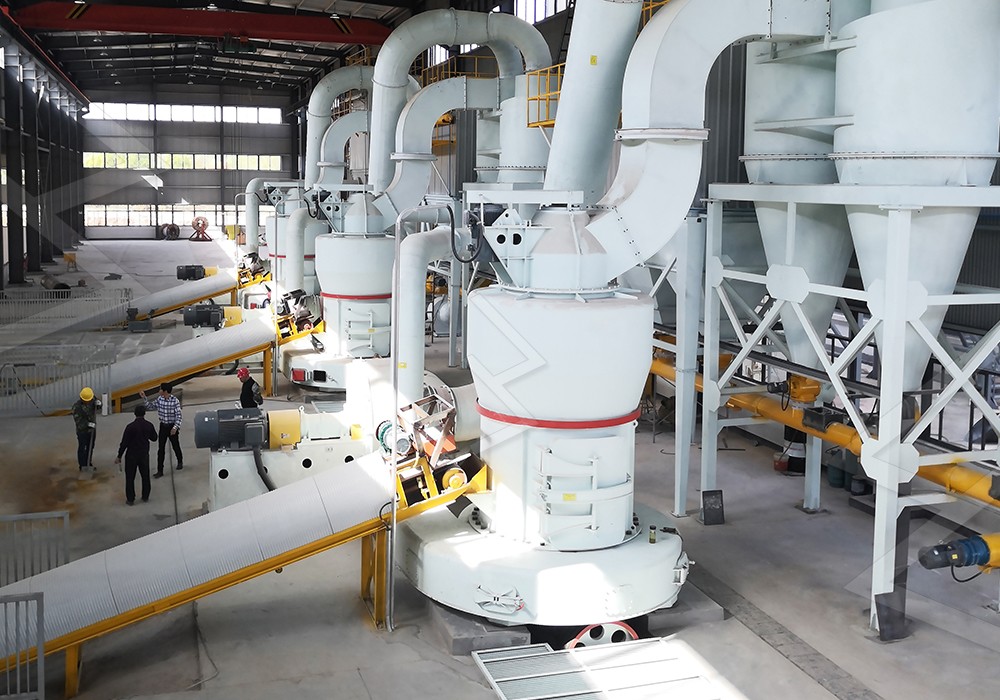
For Pakistani contractors and construction firms, operational efficiency remains a crucial consideration. Power availability fluctuations in some regions make energy-efficient equipment particularly valuable. The dusty nature of quicklime processing also requires robust dust collection systems to maintain workplace safety and environmental compliance.
Advanced Milling Solutions for Pakistani Applications
While Raymond Mill has served as a traditional choice for quicklime processing, technological advancements have introduced more sophisticated solutions that offer superior performance for soil stabilization projects. Among these, the MW Ultrafine Grinding Mill represents a significant leap forward in processing technology specifically suited to Pakistan’s construction needs.
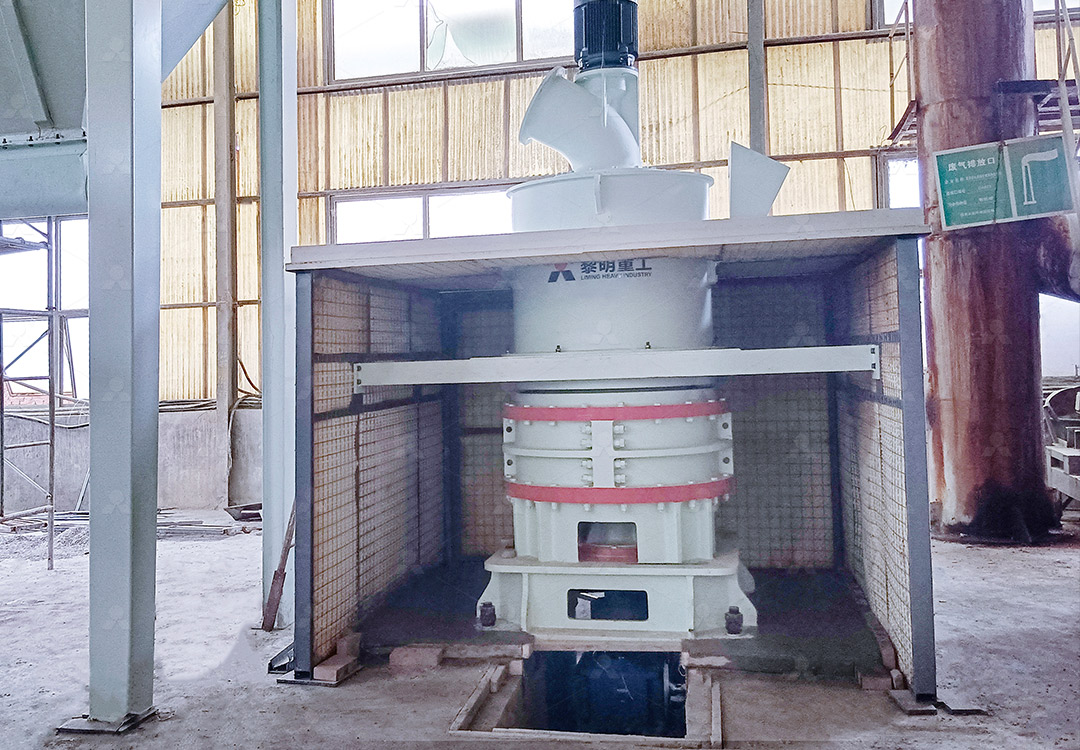
The MW Ultrafine Grinding Mill operates with an input size of 0-20 mm and capacity ranging from 0.5-25 tph, making it ideal for medium to large-scale soil stabilization projects. Its innovative design addresses the specific challenges of quicklime processing through several key features:
- Higher Yielding, Lower Energy Consumption: Newly designed grinding curves of grinding roller and grinding ring enhance grinding efficiency, delivering 40% higher production capacity than jet grinding mills with system energy consumption only 30% of jet grinding mills.
- Adjustable Fineness Between 325-2500 meshes: The cage-type powder selector adopts German technology, effectively increasing powder separation precision. This allows Pakistani contractors to precisely control quicklime fineness to match specific soil stabilization requirements.
- No Rolling Bearing & Screw in Grinding Chamber: This unique design eliminates concerns about bearing damage or machine failure caused by loose screws, significantly enhancing reliability in Pakistan’s sometimes challenging operating environments.
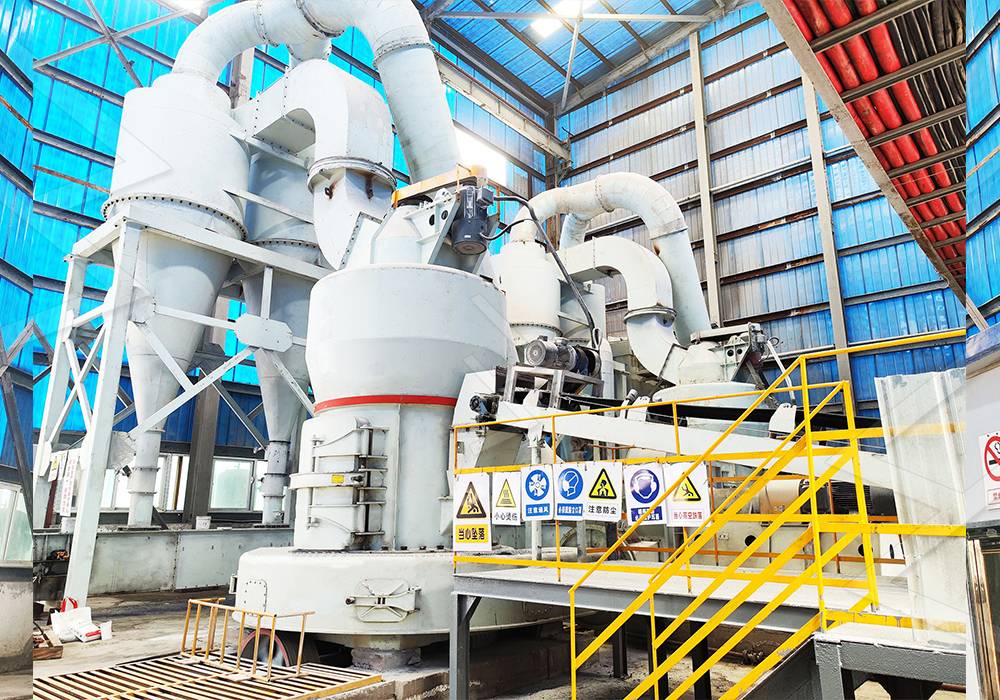
- Eco-friendly Operation: Equipped with efficient pulse dust collector and muffler, the MW Ultrafine Grinding Mill ensures no dust pollution during operation, meeting Pakistan’s increasingly stringent environmental regulations.
Practical Benefits for Pakistani Construction Projects
The application of advanced grinding technology like the MW Ultrafine Grinding Mill translates to tangible benefits for soil stabilization projects across Pakistan. Contractors report more consistent stabilization results, reduced quicklime consumption due to better reactivity, and decreased project timelines thanks to faster soil treatment cycles. The energy efficiency of modern mills also helps mitigate the impact of Pakistan’s energy challenges on project costs and scheduling.
For large-scale infrastructure projects such as the China-Pakistan Economic Corridor (CPEC) or urban development initiatives in Karachi, Lahore, and Islamabad, reliable quicklime production becomes a strategic advantage. The ability to process quicklime on-site or nearby reduces transportation costs and ensures fresh material, which is particularly important for quicklime’s reactivity in soil stabilization applications.
Operational Considerations in the Pakistani Context
Successful implementation of quicklime grinding for soil stabilization in Pakistan requires attention to local conditions. The country’s varying climate, from the arid regions of Balochistan to the more humid areas of Khyber Pakhtunkhwa, affects both equipment operation and quicklime storage. Modern grinding mills with advanced sealing systems help maintain quicklime quality despite environmental challenges.
Maintenance and technical support availability also factor into equipment selection. The MW Ultrafine Grinding Mill’s design with externally accessible lubrication points and simplified maintenance procedures aligns well with operational realities in Pakistan, where specialized technical expertise may not always be immediately available.
Future Outlook and Technological Trends
As Pakistan continues its infrastructure development trajectory, the demand for efficient soil stabilization solutions will grow accordingly. The integration of digital monitoring systems with advanced grinding equipment represents the next frontier, allowing real-time optimization of quicklime production for specific soil conditions. The inherent precision of mills like the MW Ultrafine Grinding Mill provides an excellent platform for such technological integration.
For Pakistani engineering firms and contractors, investing in advanced quicklime processing technology today positions them competitively for tomorrow’s infrastructure challenges. The combination of technical performance, operational efficiency, and environmental compliance makes modern grinding solutions a wise long-term investment in Pakistan’s construction future.
Frequently Asked Questions
What fineness of quicklime is optimal for soil stabilization in Pakistan?
For most soil stabilization applications in Pakistan, quicklime ground to between 200-400 mesh provides the ideal balance between reactivity and practical handling. The MW Ultrafine Grinding Mill’s adjustable fineness between 325-2500 meshes allows precise optimization for specific soil types.
How does quicklime compare to other soil stabilizers available in Pakistan?
Quicklime offers distinct advantages for many Pakistani soil conditions, particularly for clayey soils where it effectively reduces plasticity and swelling. It’s generally more cost-effective than cement for stabilization and works more quickly than pozzolanic materials.
What production capacity should contractors consider for typical Pakistani projects?
For medium-scale infrastructure projects, mills with 5-15 tph capacity like the MW Ultrafine Grinding Mill typically meet requirements. Larger projects may benefit from multiple units or higher-capacity configurations.
How significant is energy consumption in operating grinding mills in Pakistan?
Given Pakistan’s energy challenges, efficiency is crucial. Advanced mills consume 30-40% less energy than traditional equipment, significantly impacting operational costs and reliability during power fluctuations.
What environmental considerations apply to quicklime processing in Pakistan?
Modern grinding systems must include effective dust collection to meet Pakistan’s environmental standards. The MW Ultrafine Grinding Mill’s pulse dust collector ensures compliance while maintaining operational efficiency.
Can quicklime grinding equipment handle the variations in Pakistani limestone quality?
Yes, advanced mills are designed to accommodate variations in raw material quality. The adjustable grinding parameters of modern equipment allow optimization for different limestone characteristics found across Pakistan.
What maintenance requirements should Pakistani operators anticipate?
Modern grinding mills require minimal maintenance, primarily regular inspection of wear parts and lubrication system checks. The absence of internal bearings in the grinding chamber significantly reduces maintenance complexity.
How does quicklime stabilization perform in Pakistan’s diverse climate conditions?
Properly processed quicklime performs effectively across Pakistan’s climates. Finer particles react more completely in both arid and humid conditions, making advanced grinding technology beneficial nationwide.