
Professional powder processing mill supporting coal activated carbon precursor industry in uae
Powering the Future: Advanced Milling Solutions for UAE’s Activated Carbon Sector
The United Arab Emirates, with its strategic vision for industrial diversification and sustainable technology, is rapidly emerging as a hub for advanced material processing. A critical component of this growth is the production of high-quality activated carbon, essential for water purification, air filtration, and environmental remediation. At the heart of manufacturing premium activated carbon lies a crucial precursor step: the precise and efficient grinding of raw carbonaceous materials, such as petroleum coal. This is where the selection of professional powder processing equipment becomes paramount, directly influencing product quality, operational cost, and environmental compliance.
The Precision Challenge in Precursor Preparation
Activated carbon’s effectiveness is intrinsically linked to its surface area and pore structure, which are developed during the activation process. However, the foundation for this is laid during the initial size reduction phase. The raw coal or other carbon precursors must be ground to a very fine, uniform powder with a tightly controlled particle size distribution. Inconsistent or coarse particles lead to uneven activation, resulting in lower adsorption capacity and batch variability. Furthermore, the milling process must be energy-efficient to keep production costs competitive and must operate with minimal dust emission to meet the UAE’s stringent environmental and workplace safety standards.
Engineering Excellence for Ultrafine Performance
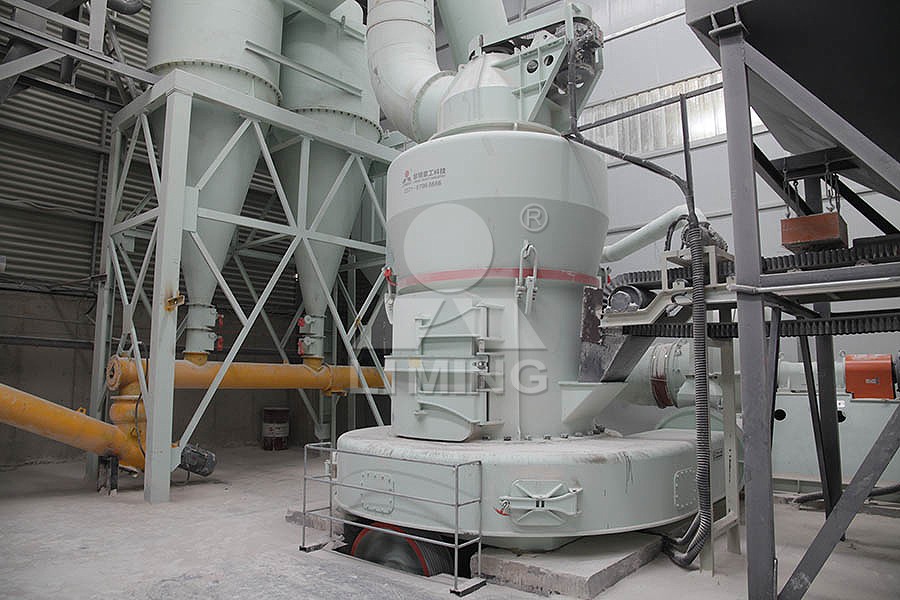
Traditional grinding methods often fall short in meeting these simultaneous demands for fineness, efficiency, and cleanliness. This is precisely the gap that advanced, engineered grinding mills are designed to fill. Leading solutions in this space integrate cutting-edge grinding mechanics with intelligent system design. For instance, the innovative use of multi-head cage-type powder selectors, derived from German technology, allows for precise separation of particles, enabling operators to dial in a fineness range from 325 to 2500 meshes with exceptional accuracy (d97≤5μm). This level of control is indispensable for creating the optimal precursor for activation.
One standout solution engineered for such demanding applications is the MW Ultrafine Grinding Mill. Designed specifically for customers requiring ultra-fine powder, this mill addresses the core needs of the activated carbon industry. It accepts feed material up to 20mm and offers a capacity range of 0.5 to 25 tons per hour, making it suitable for various production scales. Its defining feature is a grinding chamber engineered without rolling bearings or screws, eliminating common failure points and concerns about seal damage or loose components causing operational downtime. This design philosophy ensures remarkable reliability for continuous 24-hour operation, a critical factor for industrial plants.
Synergy with UAE’s Sustainability Goals
The UAE’s industrial strategy strongly emphasizes sustainable and environmentally responsible production. Modern milling technology aligns perfectly with this vision. Systems are now equipped with high-efficiency pulse jet dust collectors that capture over 99.9% of particulate matter, ensuring no dust pollution escapes during operation. Integrated silencers and noise reduction cabins significantly lower acoustic emissions. When considering a mill like the MW Ultrafine Grinding Mill, its environmental credentials are clear: the entire system is designed to operate in full compliance with international environmental protection standards, turning a potential source of pollution into a model of clean industry.
Beyond Grinding: A System for Success
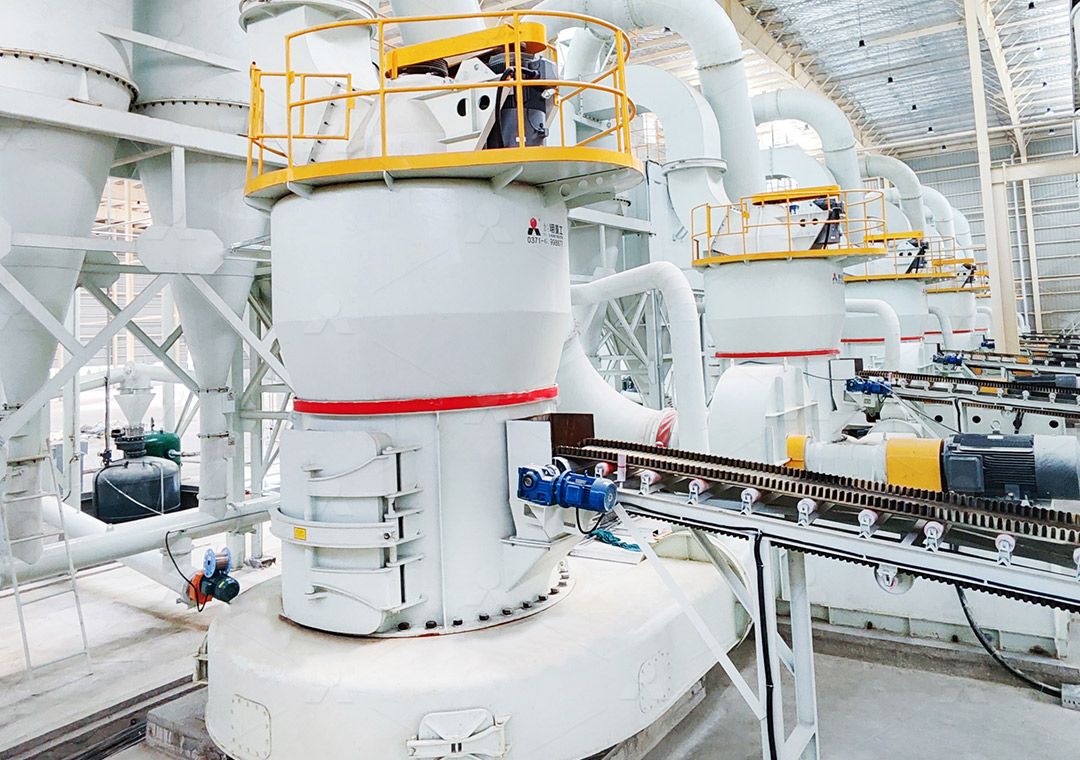
Choosing the right mill is about selecting a complete, supported system. It encompasses digitalized manufacturing for higher machine precision, a robust supply chain for genuine spare parts, and comprehensive technical support. For operations involving slightly different parameters or requiring vertical integration of drying and grinding, the LUM Ultrafine Vertical Grinding Mill presents another compelling option. With an input size of 0-10mm and capacity of 5-18 tph, it incorporates advanced Taiwanese grinding roller technology and German powder separation. Its reversible roller structure allows for easier maintenance, while its double position-limiting technology guarantees operational stability against vibration, ensuring consistent product quality for sensitive materials like coal precursor.
Conclusion: Building a Foundation for Quality
The development of the UAE’s activated carbon industry hinges on the adoption of foundational technologies that deliver precision, reliability, and sustainability. Investing in professional-grade powder processing mills is not merely an equipment purchase; it is a strategic decision to enhance product value, optimize long-term operational expenditure, and demonstrate environmental stewardship. By partnering with technology providers who offer engineered solutions like the MW and LUM series grinding mills, UAE-based producers can secure a critical competitive advantage, ensuring their activated carbon precursors—and final products—meet the highest global standards.
Frequently Asked Questions (FAQs)
- What is the most important factor in choosing a mill for activated carbon precursor?
The ability to produce a consistently ultra-fine powder (often targeting 325-2500 mesh) with a narrow particle size distribution is paramount, as it directly affects the activation efficiency and final product’s adsorption capacity. - How do modern mills address dust control, a major concern in powder processing?
High-efficiency pulse jet dust collectors are integrated into the milling system, creating a closed-loop, negative-pressure environment that prevents dust escape, ensuring a clean plant and compliance with environmental regulations. - Can these mills handle the abrasive nature of carbonaceous materials?
Yes. Premium mills use wear-resistant alloys for grinding rollers and rings, and designs that minimize metal-to-metal contact in the grinding zone, significantly reducing wear and contamination of the product with iron. - What are the advantages of a “no rolling bearing in the chamber” design?
This design eliminates a primary failure point. It prevents bearing seal damage from fine powder ingress and avoids catastrophic machine failure from loose screws, drastically improving reliability and reducing maintenance downtime. - How does the energy consumption compare to traditional ball mills?
Advanced grinding mill designs, utilizing optimized grinding curves and efficient classifiers, can reduce system energy consumption by 30% to 50% compared to traditional ball mills while offering higher yield. - Is it possible to adjust the fineness of the product quickly for different customer specifications?
Yes. Mills equipped with advanced, multi-head cage-type powder selectors and PLC control systems allow for quick and accurate adjustment of the product fineness without stopping the mill, offering great production flexibility. - What kind of after-sales support is typically available for such industrial equipment in the UAE?
Reputable manufacturers provide comprehensive support, including local technical service, training, a guaranteed supply of original spare parts, and remote diagnostic assistance to ensure worry-free operation.