
Professional ore grinding mill supporting cement clinker cement finishing industry in india
Powering India’s Infrastructure: The Critical Role of Advanced Grinding Technology
The Indian cement industry stands as a pillar of the nation’s monumental infrastructure growth. As demand for high-quality cement surges, driven by ambitious projects in construction, transportation, and urban development, the pressure on production efficiency and product quality intensifies. At the heart of this process lies a critical operation: the grinding of cement clinker and supplementary materials. This stage not only determines the final strength and setting characteristics of the cement but also significantly impacts plant profitability through energy consumption and operational reliability. Selecting the right grinding technology is, therefore, not merely an equipment choice but a strategic business decision.
The Evolving Demands of Modern Cement Production
Contemporary cement finishing in India faces a complex set of challenges. Producers must navigate volatile energy costs, stringent environmental regulations, and the need to incorporate a wider variety of blended materials like slag, fly ash, and limestone powder. Traditional ball mills, while robust, often fall short in terms of energy efficiency and flexibility for producing ultra-fine or blended cements. The industry is progressively shifting towards vertical roller mills and advanced trapezium mills that offer superior grinding efficiency, lower specific power consumption, and better control over particle size distribution (PSD). A consistent, optimal PSD is crucial for achieving the desired cement performance, influencing workability, early strength development, and ultimate durability.
Introducing a Premier Solution: The LM Vertical Grinding Mill
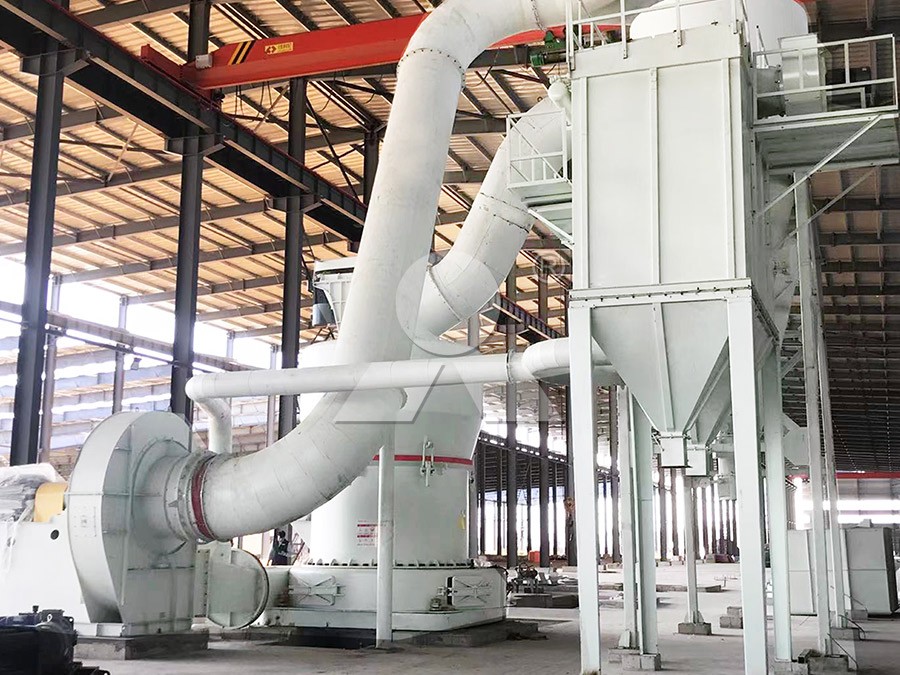
To meet these sophisticated demands, we proudly recommend our LM Vertical Grinding Mill as a cornerstone solution for clinker and slag grinding. This mill is engineered to excel in the rigorous environment of cement finishing. Its integrated design combines crushing, drying, grinding, classifying, and conveying into a single, compact unit, reducing the plant’s footprint by up to 50% compared to a traditional ball mill system. More importantly, it delivers energy savings of 30%-40%, a decisive factor in managing operational expenses.
The LM Vertical Mill’s prowess stems from its intelligent design. The material retention time within the grinding chamber is short, minimizing over-grinding and reducing the iron content introduced through mechanical wear, thereby preserving the product’s whiteness and purity. Its stable operation under negative pressure ensures a dust-free environment, aligning perfectly with India’s green manufacturing goals. The mill’s advanced automatic control system allows for precise adjustments and remote monitoring, ensuring consistent output quality and simplifying operation.
Specialized Performance for Slag and Clinker
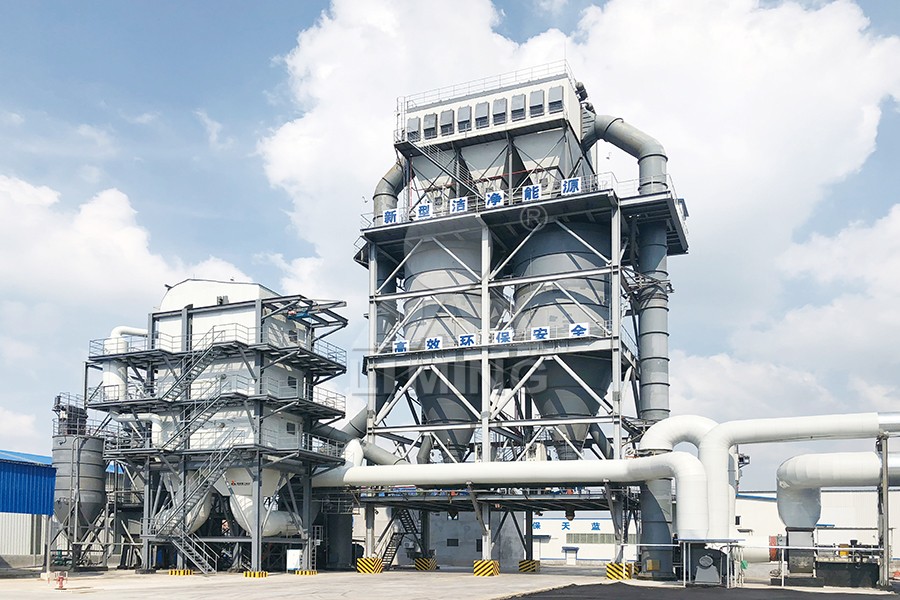
For plants specifically focused on utilizing industrial by-products like granulated blast furnace slag (GBFS), our specialized LM Vertical Slag Mill offers unmatched efficiency. Slag grinding is particularly energy-intensive, and this mill is purpose-built to tackle it. It integrates drying and grinding processes, handling feed sizes up to 65mm with capacities ranging from 7 to 100 T/H. Its unique grinding device and high-performance wear-resistant materials ensure reliable, long-lasting operation with low noise and high powder quality, making it an ideal choice for sustainable cement production that incorporates slag.
Beyond the Main Grind: The Value of Ultra-Fine Processing
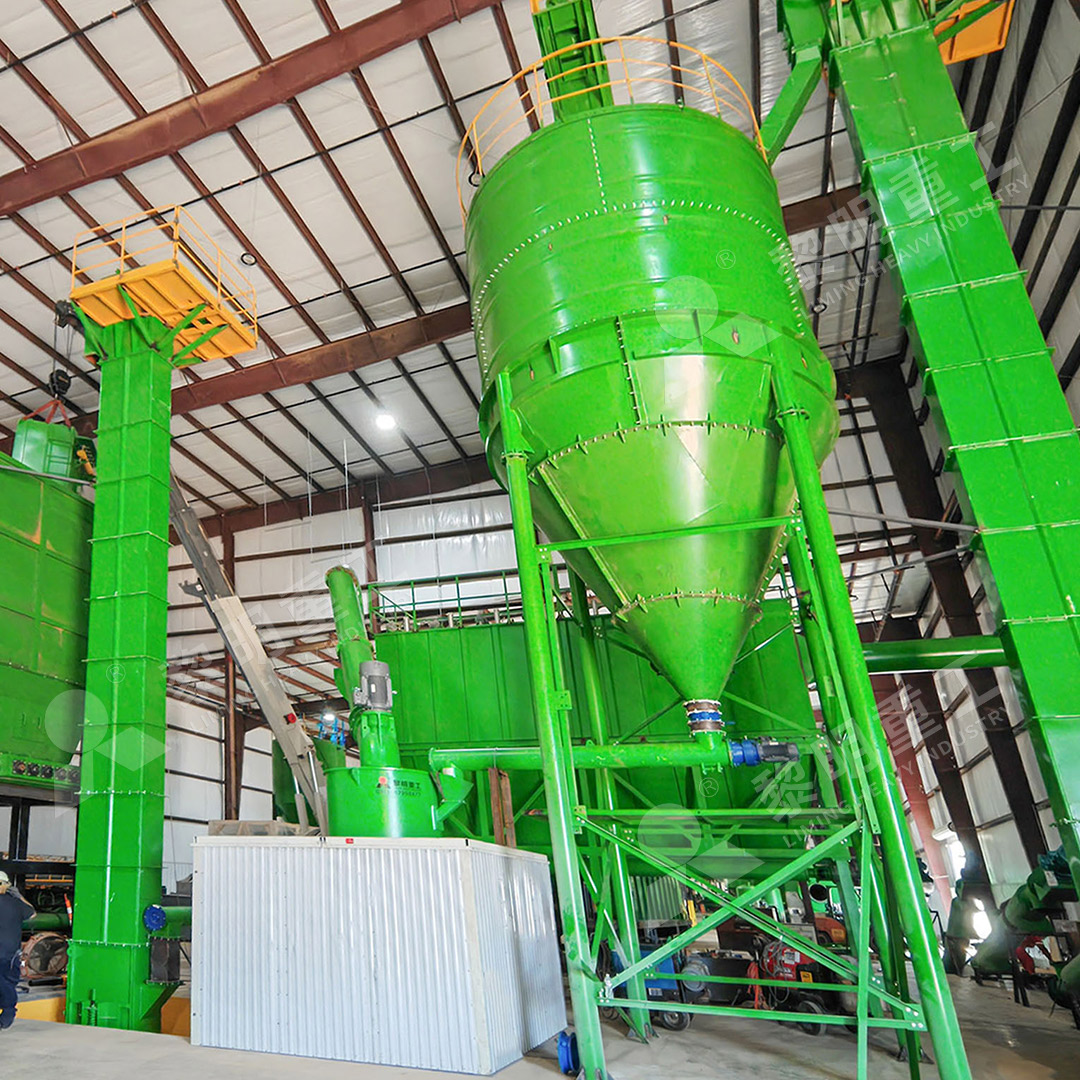
The pursuit of higher-performance cement and specialty products often requires ultra-fine additives. For this application, our MW Ultrafine Grinding Mill presents an excellent option. While not the primary clinker grinder, it is perfect for producing ultra-fine powders from materials like limestone, calcite, or gypsum used in cement blends. Its standout feature is the adjustable fineness between 325-2500 meshes, achieved through a German-technology cage-type powder selector. The mill’s innovative design, with no rolling bearings or screws in the grinding chamber, eliminates common failure points and allows for external lubrication without shutdown, guaranteeing 24/7 operational readiness—a critical requirement for continuous production lines.
Commitment to the Indian Market: Support and Sustainability
Our commitment extends beyond supplying machinery. We understand the importance of seamless operation. Every mill, from the robust LM series to the precise MW, is backed by a comprehensive supply of original spare parts and dedicated technical support. Our digitalized manufacturing process ensures high precision in core components, translating to longer service life and lower lifetime costs. By choosing our grinding solutions, Indian cement manufacturers invest not just in equipment, but in a partnership aimed at enhancing productivity, reducing environmental impact, and securing a competitive edge in a fast-growing market.

Conclusion
The future of India’s cement industry is inextricably linked to technological adoption. Advanced grinding mills are no longer a luxury but a necessity for achieving efficiency, quality, and sustainability targets. By leveraging proven technologies like the LM Vertical Grinding Mill for primary applications and the MW Ultrafine Mill for specialized additives, producers can build a more resilient, profitable, and environmentally responsible operation, solidifying their role in building the India of tomorrow.
Frequently Asked Questions (FAQs)
- What is the primary advantage of a vertical roller mill over a traditional ball mill for cement grinding?
Vertical roller mills offer significantly higher energy efficiency (typically 30-50% less power consumption), a smaller plant footprint, better drying capacity for moist materials, and more precise control over particle size distribution. - Can the LM Vertical Mill handle the high abrasiveness of Indian cement clinker?
Yes. The LM Vertical Mill features wear-resistant alloy for grinding rollers and tables, often developed in collaboration with scientific institutes. Their service life is substantially longer than traditional materials, and the design allows for easy maintenance and part reversal to utilize wear surfaces fully. - How does the MW Ultrafine Mill achieve such fine powder sizes without frequent maintenance issues?
Its key design innovation is the absence of rolling bearings and screws inside the grinding chamber. This eliminates the primary sources of mechanical failure and contamination. Lubrication is performed externally without stopping the mill, enabling continuous 24/7 operation. - Are these mills suitable for grinding blended cements with fly ash or slag?
Absolutely. The LM Vertical Slag Mill is specifically designed for slag. Both the LM and MTW series mills excel at grinding blended materials, offering excellent drying capabilities and flexibility in product fineness to meet various blend specifications. - What kind of dust control systems are integrated into these mills?
All our advanced mills are designed as negative-pressure systems. They are equipped with high-efficiency pulse jet bag dust collectors (like in the MW Mill) or integrated with professional dust removal systems, ensuring emissions are far below national and international environmental standards. - How is the fineness of the final product controlled and adjusted?
Fineness is primarily controlled by an internal dynamic powder separator. In mills like the LM and MW, the separator’s speed can be adjusted electronically (often via PLC) to precisely cut the particle size, allowing quick changes to produce different cement grades or fineness requirements. - What is the typical lead time for delivery and installation support in India?
Lead times vary based on the mill model and configuration. We maintain a strong local presence and partnership network in India to facilitate timely delivery, technical supervision for installation, and comprehensive commissioning support to ensure a smooth project rollout.