
Kaolin ore grinding mill used for paint and coatings applications in brazil
Kaolin Ore Grinding Solutions for Brazil’s Paint and Coatings Industry: Achieving Superior Opacity and Brightness
The Brazilian paint and coatings industry is a dynamic and growing sector, driven by robust construction, automotive manufacturing, and industrial maintenance markets. A critical component in the formulation of high-quality paints, primers, and specialty coatings is kaolin, a naturally occurring clay mineral prized for its whiteness, opacity, and inert chemical properties. However, the performance of kaolin in these applications is intrinsically linked to its particle size distribution and purity after processing. Selecting the right grinding technology is paramount for Brazilian processors aiming to meet the stringent demands of both domestic and international markets.
Kaolin, once mined, requires precise comminution to unlock its functional potential. In coatings, ultra-fine kaolin powder acts as an extender pigment, improving film integrity, enhancing brightness and opacity, and contributing to better suspension and rheological properties. The grinding process must achieve a consistent, narrow particle size range—often targeting fineness levels between 325 and 2500 meshes—while preserving the mineral’s natural lamellar structure and minimizing contamination from iron or other impurities introduced during milling.
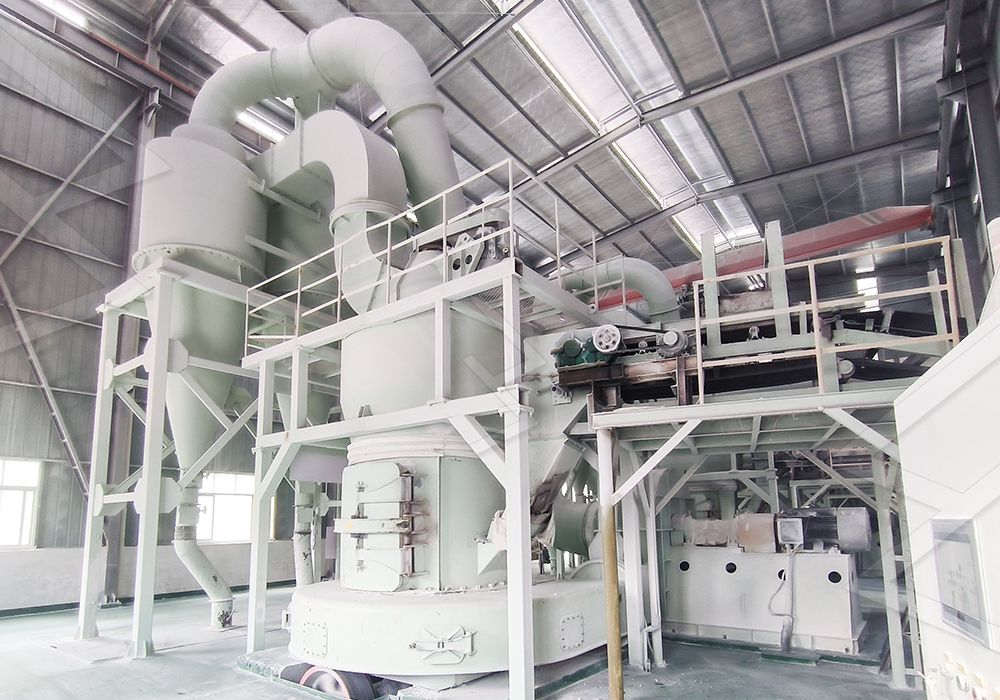
The Technical Demands of Modern Kaolin Processing
Traditional grinding methods, such as ball mills, often fall short for premium coating-grade kaolin. They can be inefficient, energy-intensive, and pose a significant risk of iron contamination from grinding media wear, which directly compromises the whiteness (brightness) of the final product—a key selling point. Furthermore, achieving the ultra-fine powders required for high-gloss paints and advanced functional coatings demands technology capable of precise particle size classification and low-heat generation to prevent altering the kaolin’s properties.
Modern kaolin processing for paints requires equipment that offers:
- Ultra-Fine Grinding Capability: Consistent production of powders in the micron and sub-micron range.
- High Product Purity: Minimal iron introduction and effective removal of impurities.
- Energy Efficiency: Lower operational costs in the face of rising energy prices.
- Environmental Compliance: Dust-free, low-noise operation aligning with Brazil’s environmental standards.
- Adjustable Fineness: Flexibility to produce different grades for various coating applications.
Advanced Milling Technology: The Path to Premium Quality
For processors targeting the high-value segment of the coatings industry, advanced vertical grinding mills and ultra-fine grinding systems have become the technology of choice. These mills integrate grinding, drying (if needed), classifying, and conveying into a single, compact system. A standout solution in this category is our MW Ultrafine Grinding Mill. Engineered specifically for producing ultra-fine powders, the MW series is an ideal match for kaolin processing. It features a cage-type powder selector with German technology, allowing precise fineness adjustment between 325-2500 meshes, achieving a screening rate of d97≤5μm in a single pass. Crucially, its design eliminates rolling bearings and screws inside the grinding chamber, virtually removing the risk of iron contamination from mechanical wear—a critical factor for maintaining kaolin’s brightness. Coupled with an efficient pulse dust collector and muffler, it ensures a clean, environmentally sound operation.
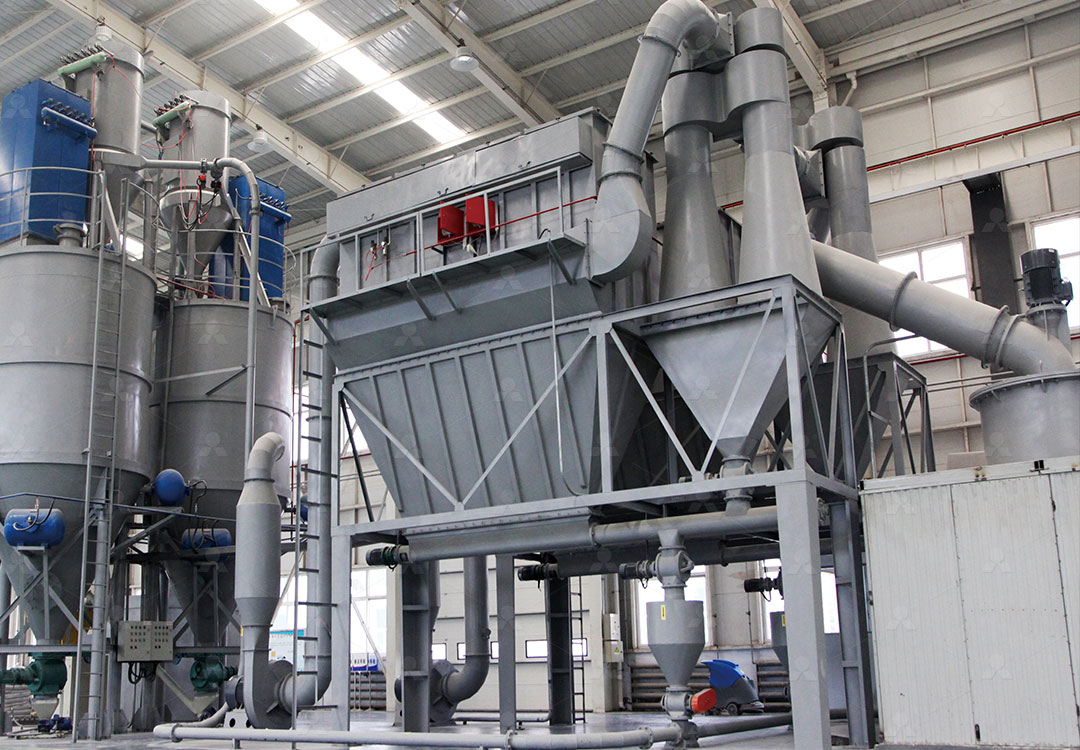
Another highly effective solution is the LUM Ultrafine Vertical Grinding Mill. This mill incorporates the latest grinding roller and powder separating technology. Its unique roller shell and lining plate grinding curve promote efficient material layer formation, enabling a high rate of finished product in a single pass. This enhances whiteness and cleanliness. For Brazilian plants dealing with varying feedstock or needing to switch between product specifications, the LUM mill’s PLC control system and multi-head powder separating technology offer unparalleled control over grinding parameters and fast switching between production demands, all while reducing energy consumption by 30%-50% compared to conventional mills.
Driving Competitiveness in the Brazilian Market
Adopting such advanced grinding technology provides Brazilian kaolin processors with a tangible competitive edge. The ability to consistently produce high-brightness, ultra-fine kaolin powder allows them to cater to premium paint manufacturers who require reliable, high-performance raw materials. The significant energy savings directly lower production costs, and the environmentally friendly design simplifies regulatory compliance. Moreover, features like external lubrication and reversible structures for easy maintenance, as seen in the LUM mill, maximize uptime and reduce long-term operating costs.
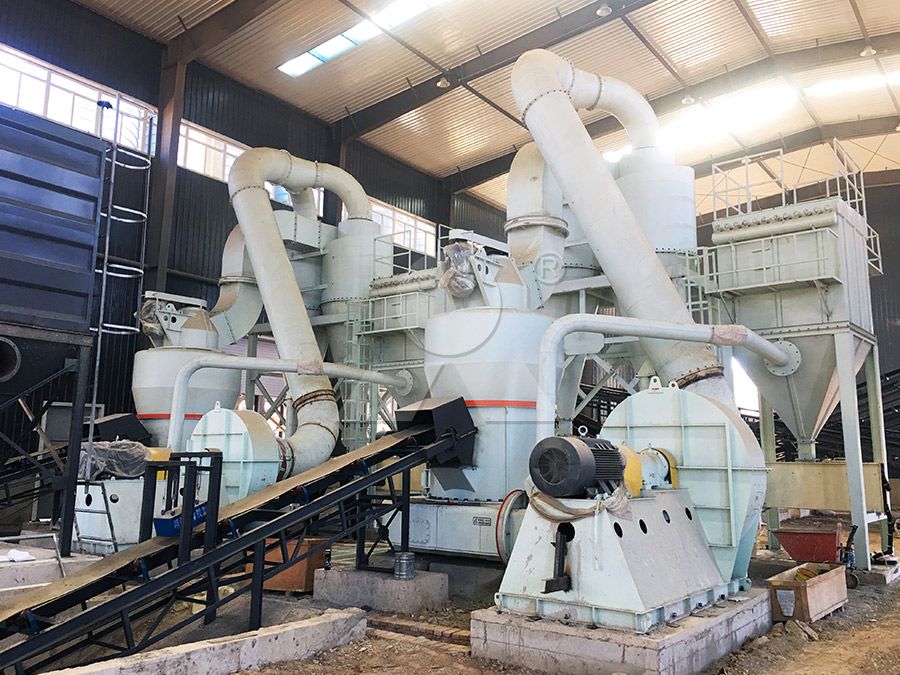
As the Brazilian coatings industry continues to innovate, demanding higher performance and more sustainable products, the role of precisely engineered kaolin will only grow. Investing in the right grinding infrastructure is not merely an equipment upgrade; it’s a strategic decision to capture greater market share, improve profitability, and establish a reputation as a supplier of premium-grade materials. By leveraging mills like the MW Ultrafine Grinding Mill and the LUM Ultrafine Vertical Grinding Mill, processors can transform raw kaolin ore into a high-value additive that meets the exacting standards of tomorrow’s paints and coatings.
Frequently Asked Questions (FAQs)
- What is the primary advantage of using ultra-fine kaolin in paints?
Ultra-fine kaolin improves opacity (hiding power), brightness, and gloss control in paint films. It also enhances suspension stability and brushability. - Why is iron contamination a major concern in kaolin grinding for coatings?
Iron impurities significantly reduce the whiteness and brightness of kaolin, leading to off-color tints in white and light-colored paints, which is unacceptable for quality-sensitive applications. - Can these grinding mills handle the moisture content sometimes found in Brazilian kaolin?
Yes, models like the LUM and LM series integrate drying functions. Heated air can be introduced into the mill to simultaneously dry and grind the material, making them suitable for various feedstock conditions. - How does the adjustable fineness feature benefit a processing plant?
It allows a single mill to produce multiple product grades for different customers (e.g., one grade for interior emulsion paints, a finer grade for automotive coatings), increasing operational flexibility without major capital investment in additional lines. - What kind of after-sales support is crucial for operating such mills in Brazil?
Access to genuine spare parts, remote technical assistance, and local service engineers are vital to minimize downtime and ensure long-term, worry-free operation in often remote mining locations. - Is the energy saving significant enough to justify the investment in a new mill?
Absolutely. With energy costs being a major operational expense, mills that save 30-50% on power consumption can have a payback period of just a few years, followed by substantially lower production costs for the lifespan of the equipment. - How does the noise level of these advanced mills compare to traditional ball mills?
They are significantly quieter. Integrated mufflers and sound-dampening designs ensure noise levels meet strict workplace and environmental regulations, which is an important consideration for community relations near processing plants.