
Industrial pulverizer price & cost analysis for gypsum for soil conditioner in thailand
Industrial Pulverizer Price & Cost Analysis for Gypsum Soil Conditioner in Thailand
Thailand’s agricultural sector, a cornerstone of its economy, increasingly relies on soil amendments to enhance productivity and sustainability. Among these, gypsum stands out for its ability to improve soil structure, reduce salinity, and enhance nutrient availability. However, transforming raw gypsum into an effective soil conditioner requires precise pulverization. This analysis delves into the critical factors influencing the price and operational costs of industrial pulverizers for gypsum processing in the Thai market, offering insights for informed investment decisions.
The Gypsum Processing Imperative: Why Particle Size Matters
For soil amendment applications, the efficacy of gypsum is directly tied to its fineness. A finer powder ensures quicker dissolution and reaction in the soil, leading to faster improvements in permeability and structure. This necessitates grinding equipment capable of producing a consistent, ultra-fine powder, typically targeting a fineness between 200 to 1250 meshes. The choice of pulverizer thus becomes the pivotal factor determining both product quality and long-term economic viability.
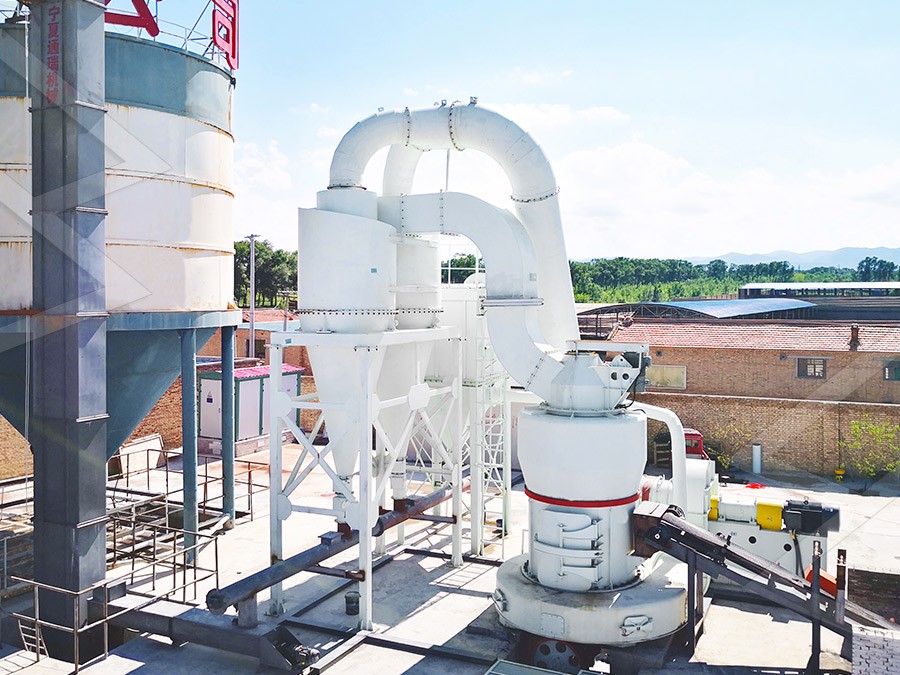
Decoding the Cost Structure: Beyond the Initial Price Tag
The total cost of ownership (TCO) for a gypsum pulverizer extends far beyond the initial purchase price. A comprehensive analysis must consider several interlinked factors:
1. Capital Investment (Machine Price)
The upfront cost varies significantly based on the technology, capacity, and brand. Key determinants include:
- Grinding Mechanism: Traditional Raymond mills or ball mills generally have a lower initial cost but higher operating expenses. Advanced vertical roller mills or ultra-fine grinding mills command a higher price but offer superior efficiency.
- Capacity & Throughput: Machines with higher throughput (e.g., 10-25 TPH vs. 1-5 TPH) require a larger investment but achieve lower per-ton processing costs at scale.
- Degree of Automation: Systems with integrated PLC controls, automatic feeding, and digital monitoring increase initial cost but reduce labor and improve consistency.
2. Operational Expenditures (OpEx)
This is where the true cost differentials emerge over the machine’s lifespan.
- Energy Consumption: This is the single largest OpEx component. Inefficient mills can consume up to 50% more power than modern designs. For a 20 TPH plant operating 20 hours/day, a 30% energy saving translates to massive annual cost reductions.
- Wear Parts & Maintenance: The cost and frequency of replacing grinding rollers, rings, and liners are crucial. Machines designed with durable alloys and reversible/wear-resistant features drastically lower downtime and spare part costs.
- Labor & Supervision: Automated, easy-to-maintain designs require fewer skilled operators, reducing long-term labor costs.
- Environmental Compliance: Dust collection and noise control systems are not optional in today’s regulatory environment. Integrated, efficient systems prevent costly fines and plant shutdowns.
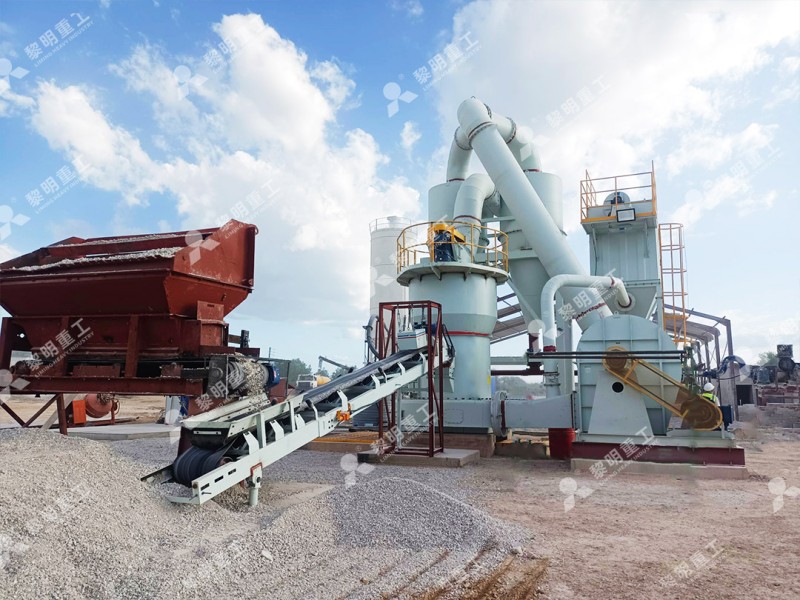
Technology Spotlight: Matching the Mill to the Mission
For gypsum destined for high-value soil conditioning, where ultra-fine, consistent powder is paramount, specialized grinding technology is non-negotiable. Among the array of options, ultra-fine grinding mills represent the optimal blend of performance and economy for this specific application.
For operations prioritizing the highest fineness and purity for premium soil conditioner products, the MW Ultrafine Grinding Mill is an exemplary solution. Engineered for customers requiring ultra-fine powder, it handles a feed size of 0-20 mm with a capacity range of 0.5-25 TPH, making it scalable for various production needs. Its defining feature is the ability to produce powder with adjustable fineness between 325-2500 meshes, perfectly aligning with the stringent requirements for effective soil amendment. The mill’s innovative design, which eliminates rolling bearings and screws in the grinding chamber, directly addresses major maintenance pain points, ensuring worry-free, continuous 24/7 operation—a critical factor for cost control. Furthermore, its integrated efficient pulse dust collector and muffler system guarantees eco-friendly production that meets Thailand’s environmental standards, safeguarding against compliance-related costs.
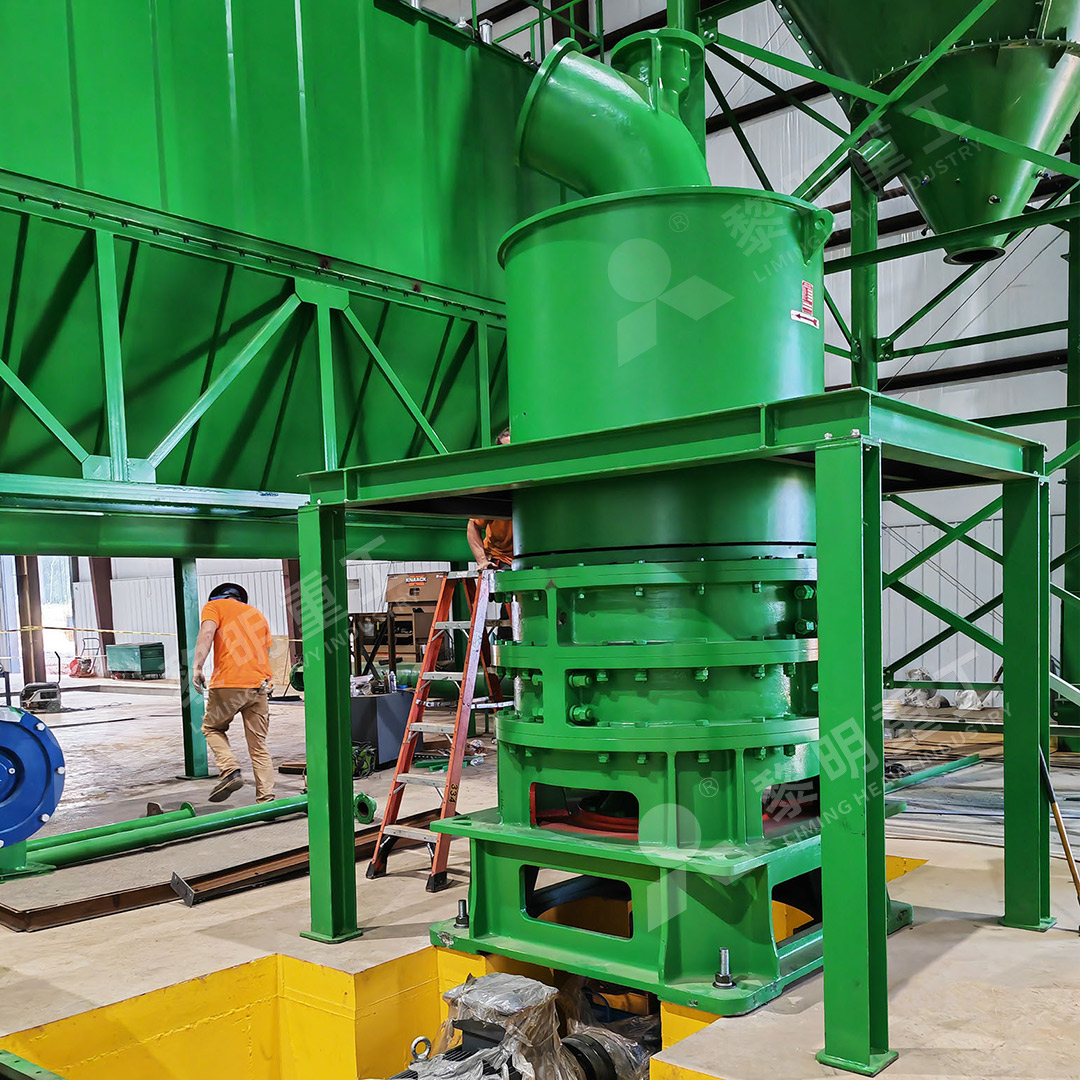
For larger-scale operations seeking exceptional efficiency in the fine to ultra-fine range, the LUM Ultrafine Vertical Grinding Mill presents a compelling alternative. With an input size of 0-10 mm and capacity of 5-18 TPH, it integrates grinding, classifying, and transporting. Its multi-head powder separating technology and unique roller shell design achieve higher yields with 30%-50% lower energy consumption compared to common mills. The reversible structure of its grinding rollers allows for easier and faster maintenance, a feature that dramatically reduces operational downtime and associated losses.
The Thai Market Context: Strategic Considerations
Investing in Thailand requires a localized strategy. Factors such as local electricity tariffs, availability of technical service, and spare parts logistics must be factored into the TCO. Partnering with a manufacturer that provides comprehensive after-sales support, original spare parts, and local technical assistance is invaluable. It transforms a capital equipment purchase into a long-term productivity partnership, minimizing hidden costs and maximizing return on investment.
Conclusion: Investing in Efficiency
The most economical pulverizer for gypsum soil conditioner in Thailand is rarely the cheapest on the initial quote. A thorough cost analysis reveals that investing in advanced, energy-efficient, and low-maintenance technology like the MW or LUM Ultrafine Grinding Mills delivers superior long-term value. The higher initial investment is quickly offset by dramatically lower energy bills, reduced maintenance downtime, longer component life, and consistent production of a high-value product that commands a premium in the market. For agri-businesses aiming to build a sustainable and profitable soil amendment operation, this strategic approach to equipment selection is the foundation of success.
Frequently Asked Questions (FAQs)
- What is the typical payback period for investing in a more energy-efficient pulverizer like the MW series?
While dependent on scale and local energy costs, most operations see a payback on the premium through energy savings alone within 18-30 months of continuous operation, after which the savings contribute directly to profit. - How does the fineness of gypsum powder affect its performance as a soil conditioner?
Finer particles have a larger surface area, leading to faster dissolution and reaction in the soil. This results in quicker improvement of soil structure, permeability, and calcium/sulfur release compared to coarser applications. - Are these grinding mills suitable for other agricultural minerals besides gypsum?
Absolutely. Mills like the MW and LUM are highly versatile and can process limestone (for pH adjustment), dolomite, phosphate rock, and other non-metallic minerals used in agriculture and soil health. - What kind of after-sales support is crucial for operating in Thailand?
Access to genuine spare parts, remote technical troubleshooting, and the availability of local service engineers for periodic maintenance and urgent repairs are critical to minimizing operational risk and downtime. - Can the mill’s fineness be adjusted easily for different product grades?
Yes. Advanced mills feature external adjustment mechanisms for the powder separator (like the cage-type selector in the MW mill), allowing operators to change fineness quickly without stopping the machine to cater to different market demands. - How significant is the dust control system for a plant in Thailand?
Extremely significant. Strict environmental regulations and a focus on worker health make integrated, high-efficiency pulse jet dust collectors (as featured on our recommended mills) essential, not an accessory. They prevent product loss and ensure a clean, compliant worksite. - Is training provided for our local operators?
Reputable suppliers typically offer comprehensive operational and maintenance training, either at the installation site or through dedicated training centers, ensuring your team can run the equipment safely and efficiently.