
Industrial pulverizer price & cost analysis for cement raw materials for mortar production in bolivia
Industrial Pulverizer Price & Cost Analysis for Cement Raw Materials in Bolivia’s Mortar Production
The Bolivian construction sector, particularly the mortar production industry, is experiencing sustained growth driven by urbanization and infrastructure development. A critical component of this supply chain is the efficient grinding of cement raw materials like limestone, calcite, and gypsum. Selecting the right industrial pulverizer is not merely a purchase decision; it’s a long-term strategic investment impacting operational costs, product quality, and environmental compliance. This analysis delves into the key cost factors and performance considerations for Bolivian producers.
Understanding the Total Cost of Ownership (TCO)
When evaluating pulverizer prices, savvy operators look beyond the initial invoice. The Total Cost of Ownership encompasses several interconnected factors:
- Capital Expenditure (CAPEX): The upfront purchase price of the mill and auxiliary equipment.
- Operational Expenditure (OPEX): This is where the real differentiation occurs. It includes energy consumption (a dominant cost), wear part replacement frequency, maintenance labor, and required personnel skill level.
- Productivity & Yield: A machine with a higher throughput capacity and superior yield for a given fineness reduces cost per ton. Downtime for maintenance or adjustments directly erodes profitability.
- Environmental & Regulatory Costs: Fines for dust pollution, costs of additional dust collection systems, and community relations impacted by noise are tangible expenses. A mill designed with integrated environmental controls mitigates these risks.
Key Technical Considerations for the Bolivian Market
Bolivia’s specific conditions influence equipment selection. Raw material hardness can vary, and the push for higher-quality, consistent mortar demands precise fineness control (often in the range of 325 to 1000 meshes). Furthermore, operational stability is crucial in regions where specialized technical service may not be immediately available.
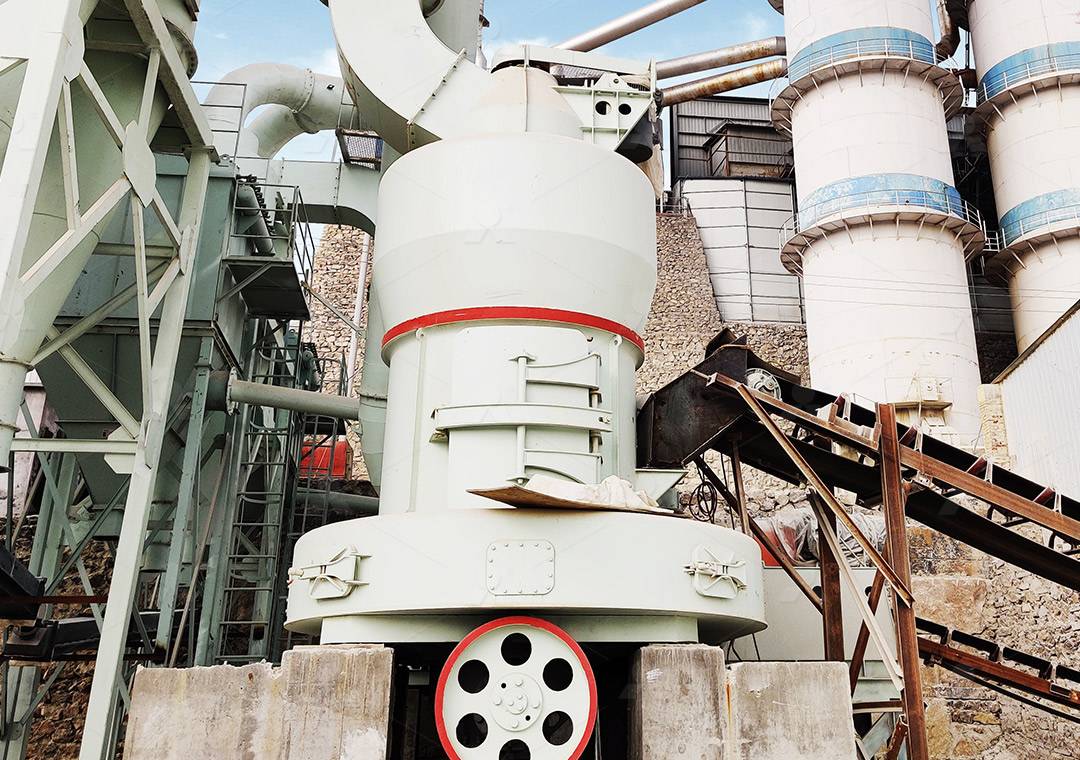
Traditional ball mills, while having a lower initial cost, often incur higher OPEX due to significant energy waste through heat and noise, higher wear rates, and less precise particle size distribution. Modern vertical roller mills and advanced trapezium mills offer a compelling TCO advantage through drastically lower specific energy consumption—often 30% to 50% less than ball mills.
Spotlight on Advanced Grinding Solutions
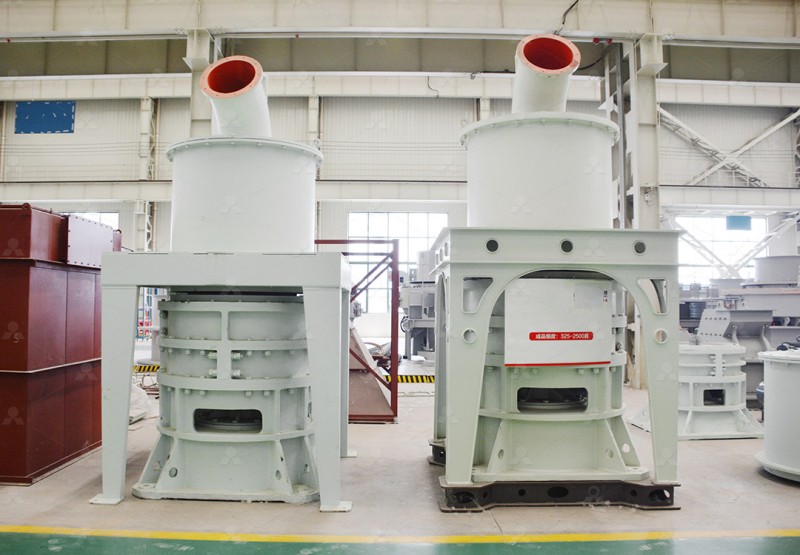
For producers aiming for ultra-fine powders (up to 2500 meshes) for specialized mortar applications, the MW Ultrafine Grinding Mill presents a technologically advanced solution. Its design directly addresses core TCO drivers. The absence of rolling bearings and screws in the grinding chamber eliminates a common failure point, enhancing reliability for continuous 24/7 operation common in mortar plants. Its German-derived cage-type powder selector allows precise adjustment between 325-2500 meshes, ensuring consistent product quality. Critically for sustainable operations, its integrated efficient pulse dust collector and muffler system ensure the production process meets stringent environmental standards without costly add-ons.
For high-volume production of raw meal or finer cements, the LUM Ultrafine Vertical Grinding Mill integrates cutting-edge grinding and separating technology. Its unique roller shell design promotes efficient material layer formation, yielding a higher rate of finished product in a single pass. The multi-head powder separating technology, controlled by a PLC system, allows rapid switching between different fineness requirements—a boon for plants producing multiple mortar grades. Its reversible structure, allowing grinding rollers to be easily swung out for maintenance, drastically reduces downtime and associated losses, a key factor in long-term cost control.
Strategic Investment for Long-Term Competitiveness
The Bolivian mortar market’s future lies in efficiency, quality, and sustainability. An industrial pulverizer is the heart of the raw material preparation process. Investing in a mill with a higher initial price but demonstrably lower energy consumption, minimal maintenance needs, and built-in environmental protection translates to a lower cost per ton of ground material over a 5 to 10-year horizon.
Producers are advised to conduct a detailed lifecycle cost analysis, factoring in local electricity tariffs, expected maintenance schedules, and potential regulatory shifts towards greener operations. Partnering with a manufacturer that provides comprehensive technical support and genuine spare parts, like LIMING, further secures operational continuity and protects the investment.
Conclusion
In conclusion, the price of an industrial pulverizer for Bolivia’s cement raw material processing is just the entry point. The true analysis must center on long-term operational costs, productivity, and environmental compliance. Advanced grinding solutions such as the MW Ultrafine Grinding Mill for ultra-fine applications or the high-efficiency LUM Vertical Mill offer a compelling value proposition through energy savings, operational stability, and integrated eco-friendly features. Making an informed, strategic choice based on Total Cost of Ownership is essential for Bolivian mortar producers to build a profitable and sustainable future.
Frequently Asked Questions (FAQs)
- What is the typical payback period for investing in a higher-efficiency mill like the LUM series over a traditional ball mill?
While variable, payback is often achieved within 18-36 months through energy savings alone, with additional gains from reduced downtime and higher yield. - How does the altitude of Bolivian operations affect mill performance?
Airflow and cooling can be impacted. Reputable manufacturers can adjust fan and system design to compensate for altitude during the engineering phase. - Can these mills handle the variability in moisture content found in some Bolivian raw materials?
Yes. Vertical mills like the LUM and LM series integrate drying functions, capable of handling materials with moderate moisture when paired with appropriate hot air intake. - What is the most critical spare part to keep in stock for uninterrupted operation?
Grinding rollers and rings are key wear parts. Manufacturers like LIMING design them for long life and offer reliable spare part supply chains. - Is remote monitoring and support available for mills operating in remote areas of Bolivia?
Many modern mills with PLC systems offer the potential for remote diagnostics. It’s essential to discuss connectivity and support packages with your supplier. - How does the fineness adjustment work on the MW Ultrafine Mill?
The cage-type powder selector’s speed is adjusted via the control system, physically changing the centrifugal force that determines which particle sizes are collected as product. - Are these mills suitable for grinding other materials besides cement raw minerals?
Absolutely. They are versatile and can process a wide range of non-metallic minerals, including barite, marble, and talc, useful for diversified production.