
Industrial pulverizer price & cost analysis for cement clinker for concrete manufacturing in saudi arabia
Industrial Pulverizer Price & Cost Analysis for Cement Clinker in Saudi Arabia’s Concrete Manufacturing
The Kingdom of Saudi Arabia’s ambitious Vision 2030 framework has catalyzed an unprecedented construction boom, driving massive demand for high-quality concrete. At the heart of concrete production lies the critical process of cement clinker grinding, where the choice of industrial pulverizer directly impacts product quality, operational expenditure, and project viability. This analysis delves into the key cost factors and price considerations for clinker grinding equipment within the Saudi market, offering insights for manufacturers seeking to optimize their operations.
The Saudi Context: Demands and Challenges
Saudi Arabia’s construction sector requires consistent, high-volume output of cementitious materials to feed projects ranging from NEOM and the Red Sea Project to extensive urban infrastructure. The local environment presents unique challenges: extreme temperatures can affect machine cooling and lubrication, while stringent environmental regulations demand dust and noise control. Furthermore, the high cost of energy and the premium on operational reliability make efficiency and durability non-negotiable features in equipment selection. A pulverizer is not merely a purchase; it is a long-term investment in production capacity and cost management.

Decoding the Cost Structure of Clinker Grinding
The total cost of ownership (TCO) for a clinker pulverizer extends far beyond its initial purchase price. A comprehensive analysis must include:
- Capital Expenditure (CAPEX): The upfront price of the mill, auxiliary equipment (feeders, collectors, classifiers), and installation. This varies significantly based on technology, capacity, and brand.
- Operational Expenditure (OPEX): The ongoing costs that define profitability. For clinker grinding, energy consumption is the single largest OPEX factor, often constituting 50-70% of the total grinding cost. Maintenance, spare parts, and labor follow.
- Product Quality Cost: Inefficient grinding can lead to poor particle size distribution, affecting concrete strength and setting time. The ability to precisely control fineness (measured in meshes or microns) is crucial for premium product specification.
- Environmental Compliance Cost: Investments in dust collection and noise suppression systems are mandatory. Integrated, efficient solutions prevent costly fines and plant shutdowns.
- Downtime Cost: In a high-volume market, unplanned maintenance stops are catastrophic. Equipment design that facilitates easy access and uses durable, readily available parts minimizes production losses.
Technology Showcase: Matching the Mill to the Mission
Selecting the right grinding technology is paramount. For high-volume clinker processing where space optimization and energy savings are critical, vertical roller mills (VRMs) have become the industry benchmark. Their integrated drying, grinding, and classifying process offers superior efficiency.
For operations requiring exceptional fineness and product purity—such as producing specialty cements or supplementary cementitious materials—advanced ultrafine grinding solutions are essential. In this segment, the MW Ultrafine Grinding Mill stands out. Engineered for customers needing ultra-fine powder, it handles input sizes of 0-20 mm with a capacity range of 0.5-25 tph. Its design incorporates an efficient pulse dust collector and muffler, ensuring operations meet stringent environmental standards. A key feature is its higher yield with lower energy consumption; compared to jet or ball mills, it can increase production capacity by up to 40% while reducing system energy use by 70%. The adjustable fineness between 325-2500 meshes, achieved through a German-technology cage-type powder selector, provides exceptional control for specialized concrete applications.
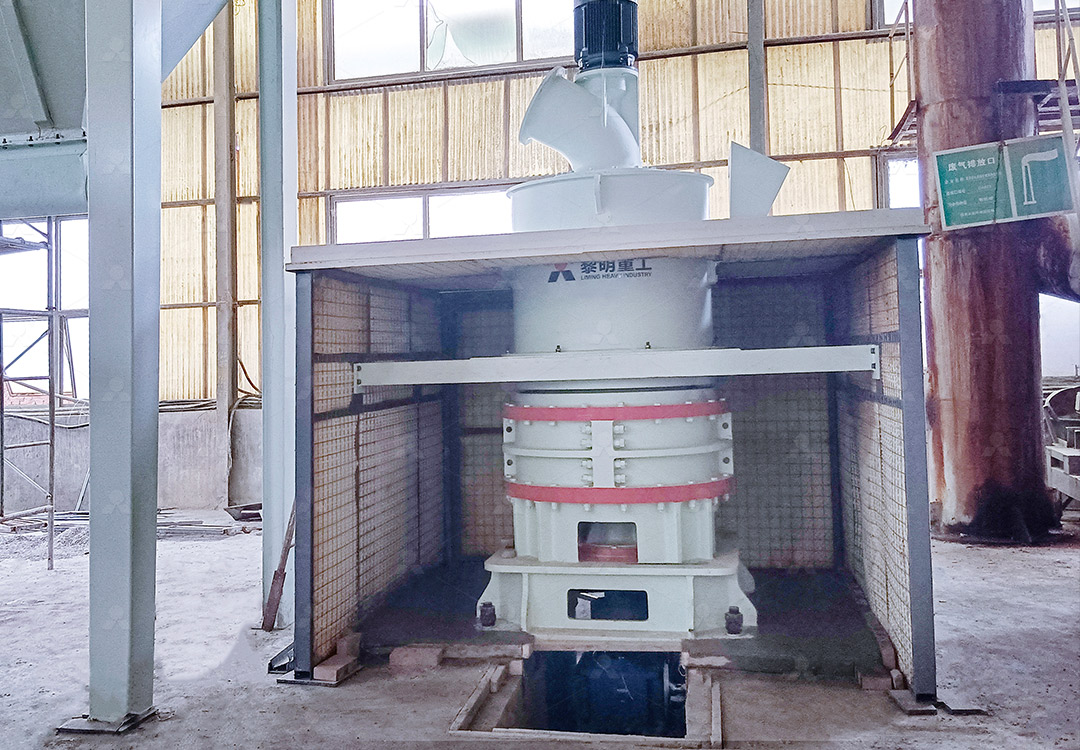
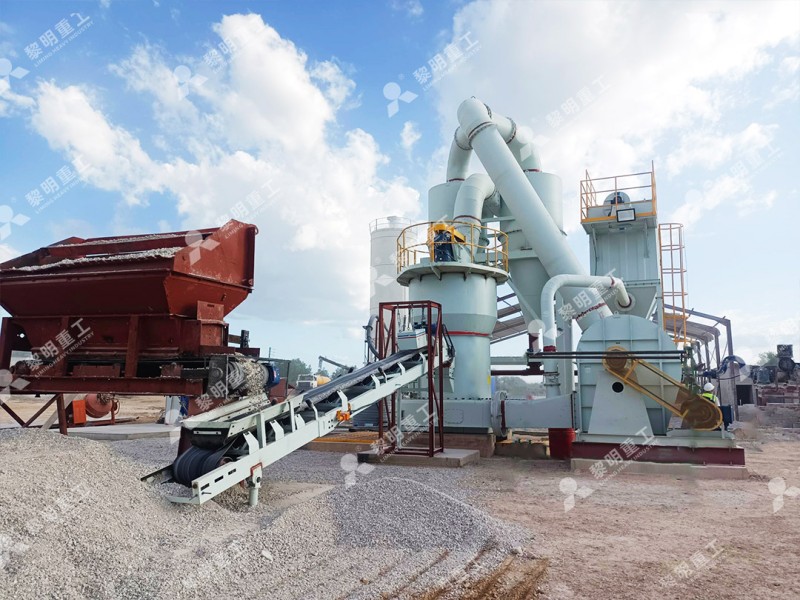
For mainstream, large-capacity clinker grinding, the LM Vertical Grinding Mill presents a compelling solution. It integrates crushing, drying, grinding, classifying, and conveying in a single unit, reducing the footprint by 50% compared to a traditional ball mill system. With an input size of 0-70 mm and a massive capacity range of 3-340 tph, it is built for scale. Its energy consumption is 30%-40% lower, directly addressing Saudi Arabia’s high energy costs. The design ensures a short material linger time, reducing repeated grinding and resulting in lower iron content for a purer product. Its fully sealed, negative-pressure operation guarantees a dust-free environment, aligning perfectly with regional environmental priorities.
Strategic Recommendations for Saudi Buyers
When conducting a cost analysis, Saudi concrete manufacturers should prioritize:
- Lifecycle Costing over Sticker Price: Negotiate based on guaranteed energy consumption metrics (kWh/ton) and wear part life expectancy, not just the initial quote.
- Local Support and Parts Availability: Ensure the supplier has a strong service network in the GCC. Quick access to original spare parts, like those guaranteed by LIMING for all its mills, is vital for minimizing downtime.
- Adaptability to Future Needs: Consider mills with digital control systems that allow easy adjustment of parameters. The PLC-controlled, multi-head powder separating technology in our LUM Ultrafine Vertical Mill, for example, allows fast switching between different product fineness demands.
- Proven Performance in Similar Climates: Request case studies or references from projects in the Middle East to verify the equipment’s resilience to heat and dust.
Conclusion: Investing in Efficiency
The price of an industrial pulverizer for cement clinker in Saudi Arabia is a complex variable defined by technology, capacity, and brand value. However, the true cost is determined over years of operation. By investing in advanced, energy-efficient technology like the MW Ultrafine Grinding Mill for specialized applications or the high-capacity LM Vertical Grinding Mill for base clinker production, manufacturers can secure a significant competitive advantage. The right equipment transforms clinker grinding from a cost center into a value-adding, efficient, and compliant cornerstone of Saudi Arabia’s concrete manufacturing future.
Frequently Asked Questions (FAQs)
1. What is the single biggest operational cost in clinker grinding?
Over the lifespan of the equipment, electrical energy consumption is almost always the largest operational cost, typically accounting for more than half of the total grinding cost per ton. Selecting a mill designed for lower specific energy consumption (e.g., kWh/ton) is the most effective way to control long-term expenses.
2. How does the Saudi climate affect pulverizer selection and operation?
The extreme heat requires robust cooling systems for gearboxes and motors. Dust from the environment can also ingress into machinery, so mills with superior sealing systems and external lubrication points (like the MW Mill’s externally lubricated main shaft) offer better reliability and easier maintenance in these conditions.
3. Are vertical roller mills really better than traditional ball mills for clinker?
For most large-scale applications, yes. VRMs like the LM series offer significantly lower energy consumption (30-50% less), a smaller footprint, integrated drying for raw materials, and better control over product fineness. They have become the global industry standard for new cement grinding installations.
4. How important is after-sales service in this region?
It is critical. The distance from European or East Asian manufacturing hubs makes local technical support and a ready inventory of genuine spare parts essential. A supplier’s commitment to “worry-free operation” through local service centers is a key factor in reducing total downtime costs.
5. Can one mill handle different fineness requirements for various cement blends?
Modern mills with advanced classifier technology are designed for this flexibility. For instance, the MW Ultrafine Grinding Mill’s cage-type powder selector allows the fineness to be adjusted between 325 and 2500 meshes, enabling the production of everything from standard OPC to ultra-fine slag cement from a single machine.
6. What are the environmental compliance considerations for a grinding plant in KSA?
Mills must be equipped with high-efficiency baghouse filters (pulse dust collectors) to keep particulate emissions well below regulatory limits. Noise suppression is also important. Choosing a mill like the MW or LM series, which comes with integrated dust collection and noise reduction features as standard, simplifies the compliance process.
7. How do I decide between an ultrafine mill and a standard vertical mill?
The choice depends on your product portfolio. For grinding standard cement clinker to typical Blaine fineness, a vertical mill like the LM series is ideal. If your business involves producing very high-value, ultra-fine powders (e.g., for high-performance concrete or recycling mineral additives), then a dedicated ultrafine mill like the MW series is the correct technical and economic choice.