
How to optimize talc processing with grinding machine for rubber additive in uae
How to Optimize Talc Processing with Grinding Machines for Rubber Additive Applications in the UAE
The United Arab Emirates’ robust rubber manufacturing sector, serving industries from automotive components to industrial seals and consumer goods, demands high-performance functional fillers. Talc, a hydrated magnesium silicate, stands out as a critical additive for enhancing rubber properties. Its lamellar platelet structure improves stiffness, dimensional stability, heat resistance, and barrier properties while acting as a processing aid. However, the efficacy of talc in rubber compounding is intrinsically linked to its particle size distribution, purity, and surface characteristics—attributes directly controlled by the grinding and milling process. For processors in the UAE aiming to gain a competitive edge, optimizing talc comminution is paramount.
The Critical Role of Particle Size in Rubber Compounding
In rubber applications, talc acts as more than just a volume extender. Its performance is a function of fineness and particle morphology. Ultra-fine talc powders, typically in the range of d97 ≤ 10μm and extending into sub-micron levels, offer significantly greater surface area. This allows for superior dispersion within the rubber matrix, leading to:
- Enhanced Reinforcement: Improved tensile strength, tear resistance, and modulus.
- Better Barrier Properties: The platelet structure creates a more tortuous path for gases and vapors, improving impermeability.
- Superior Surface Finish: Smoother surface on extruded or molded rubber products.
- Optimized Processing: Reduced compound viscosity and improved flow characteristics during molding and extrusion.
Consequently, selecting a grinding system capable of delivering consistent, ultra-fine powder with controlled top-cut and minimal contamination is non-negotiable for high-value rubber additive production.
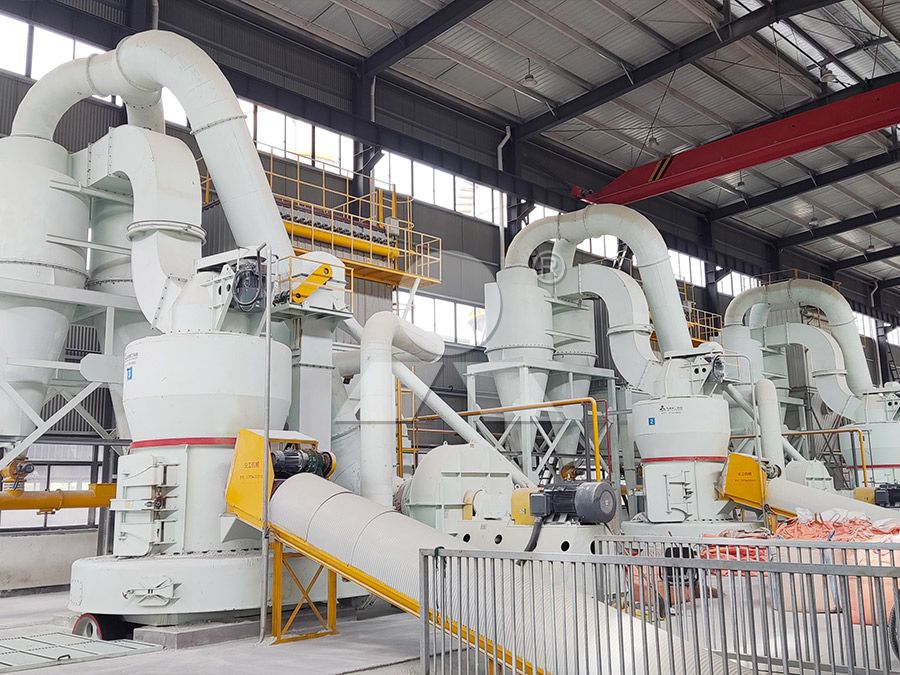
Key Challenges in Talc Grinding for the UAE Market
Local processors must navigate specific operational challenges:
- Energy Intensity: Traditional ball milling to achieve ultra-fine sizes is notoriously energy-inefficient, directly impacting production costs.
- Heat Generation: Excessive grinding heat can degrade talc, driving off hydrous layers and altering its surface chemistry, which negatively affects its performance in rubber.
- Iron Contamination: Wear from grinding media and liners can introduce metallic impurities, which may affect the color and aging properties of sensitive rubber compounds.
- Dust and Environmental Control: Strict environmental regulations in the UAE necessitate fully enclosed, dust-free milling systems with efficient collection.
- Product Consistency: Batch-to-batch variation in fineness undermines the quality and predictability of the final rubber compound.
Advanced Grinding Technology: The Path to Optimization
Modern vertical roller mills and specialized ultra-fine grinding mills have revolutionized mineral processing. For talc destined for rubber, the ideal system should integrate several key features:
- Efficient Grinding Mechanism: A system that employs compression and shear forces rather than impact alone reduces energy waste and minimizes heat buildup.
- Precision Classification: An integrated, high-efficiency classifier capable of sharp cuts at target micron sizes is essential to control the top particle size and ensure no coarse particles spoil the batch.
- Clean Operation: The grinding chamber should be designed to minimize metal-to-metal contact, using advanced wear protection to prevent iron contamination.
- Integrated Drying: For talc feed with variable moisture, a system that can simultaneously dry and grind streamlines the process.
- Automation & Control: Digital controls allow for precise adjustment of grinding parameters, ensuring repeatable product quality and easy adjustment for different product grades.
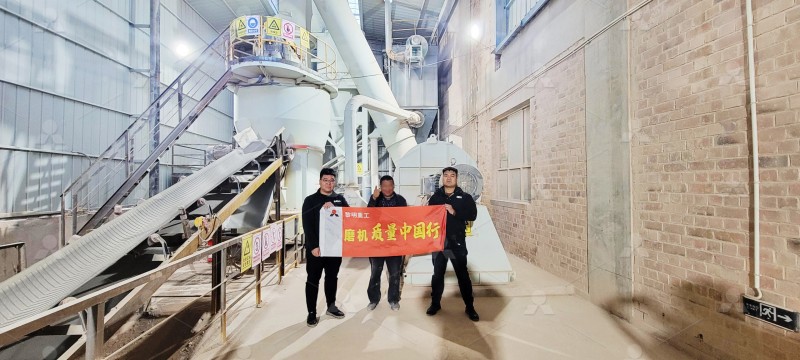
Recommended Solution: The MW Ultrafine Grinding Mill for Premium Talc Additives
For UAE-based processors targeting the high-end rubber market, where ultra-fine, high-purity talc is required, the MW Ultrafine Grinding Mill presents an optimal technical solution. This mill is engineered specifically for producing ultra-fine powders with superior efficiency and environmental performance.
Its design directly addresses the challenges of talc processing:
- Higher Yield with Lower Energy Consumption: Its innovative grinding curve enhances efficiency, achieving production capacity 40% higher than jet mills and double that of ball mills for the same power input, drastically reducing operational costs.
- Adjustable Fineness (325-2500 meshes): The German-technology, multi-head cage-type powder selector enables precise control over final product fineness, allowing you to produce specific grades like d97≤5μm perfect for demanding rubber applications.
- Minimized Contamination Risk: A critical feature is the absence of rolling bearings and screws in the grinding chamber. This eliminates a primary source of mechanical failure and iron contamination from worn bearings, guaranteeing the whiteness and purity of your talc powder.
- Eco-Friendly Operation: The integrated high-efficiency pulse dust collector ensures a dust-free workshop, while silencers manage noise—fully compliant with the UAE’s environmental standards.
- Worry-free Operation: With a capacity range of 0.5-25 tph and an input size of 0-20 mm, it fits various production scales. Backed by direct manufacturer support and genuine spare parts, it ensures continuous, reliable operation crucial for JIT supply chains.

Integrating the Grinding Process into Your UAE Operation
Optimization extends beyond machine selection. A holistic approach includes:
- Feedstock Preparation: Ensuring consistent feed size (within the mill’s 0-20mm input spec) and moisture content.
- Process Integration: Linking the MW Mill with efficient pre-crushing, conveying, and automated packaging systems.
- Quality Assurance: Implementing real-time particle size analysis (e.g., laser diffraction) to provide feedback loops for the mill’s control system.
- Technical Partnership: Working with a technology provider like LIMING, which offers comprehensive support from installation to spare parts, ensures long-term productivity and protects your capital investment.
By adopting advanced grinding technology such as the MW Ultrafine Grinding Mill, talc processors in the UAE can transform a standard mineral into a high-value, performance-defining rubber additive. This optimization leads to a superior product that commands a premium in the market, reduces specific energy consumption, and aligns with sustainable, clean manufacturing principles—solidifying the UAE’s position as a hub for advanced industrial materials.
Frequently Asked Questions (FAQs)
- What is the ideal talc fineness for rubber tire inner liners?
For tire inner liners where impermeability is critical, a very fine talc with a top cut of d98 < 5μm is often specified to maximize platelet barrier effect. - Can the same mill process different mineral fillers like calcium carbonate or barite?
Yes, advanced mills like the MW series are versatile and can process a range of soft to medium-hard non-metallic minerals by adjusting grinding pressure and classifier speed. - How significant is the energy saving compared to a traditional ball mill?
Savings can be dramatic. Systems like the MW Mill can reduce specific energy consumption by up to 50-70% when producing equivalent ultra-fine products, offering a rapid return on investment. - Is the grinding process a source of iron contamination that could affect rubber curing?
With traditional mills using metal media, yes. However, mills designed without internal bearings and screws in the grinding zone, like the MW Mill, virtually eliminate this risk. - How is dust controlled during the milling and packaging process?
Modern mills are closed-loop systems with integrated pulse-jet baghouse filters, ensuring dust collection efficiency above 99.9%, maintaining a clean plant environment. - What is the typical lead time for installing such a grinding system in the UAE?
Lead times vary based on model and configuration. It’s best to consult directly with the supplier for site-specific planning, delivery, and commissioning schedules. - Can the fineness be adjusted quickly for producing different product grades?
Yes. Mills with advanced classifiers allow for fineness adjustment in minutes by changing the rotor speed via the control system, enabling flexible production scheduling. - What kind of after-sales support is available locally in the Gulf region?
Reputable manufacturers typically have regional offices or authorized agents providing technical support, spare parts supply, and on-site service to ensure minimal downtime.