
How to optimize quicklime processing with grinding machine for soil stabilization in kuwait
How to Optimize Quicklime Processing with Grinding Machines for Soil Stabilization in Kuwait
The arid climate and challenging soil conditions prevalent in Kuwait present unique obstacles for construction and infrastructure development. Soil stabilization, a critical process for enhancing the mechanical properties of subgrade materials, often relies on the effective use of quicklime (calcium oxide). The performance of quicklime in stabilization is intrinsically linked to its fineness and reactivity. This article explores strategic approaches to optimizing quicklime processing through advanced grinding technology, specifically tailored to meet the demands of Kuwait’s construction sector and its environmental regulations.
The Critical Role of Quicklime Fineness in Soil Stabilization
Quicklime stabilizes soil through two primary reactions: a rapid exothermic hydration and a long-term pozzolanic reaction. The efficiency of both processes is dramatically increased with finer lime particles. A higher surface area allows for faster, more complete interaction with soil moisture and clay particles. In Kuwait’s often moisture-deficient soils, a uniformly ultra-fine quicklime powder ensures immediate heat generation for drying and promotes deeper, more homogeneous cation exchange. The target fineness for optimal stabilization typically falls within a specific range, often between 200 to 500 mesh, requiring precision grinding capabilities.
Overcoming Local Challenges: Dust, Heat, and Efficiency
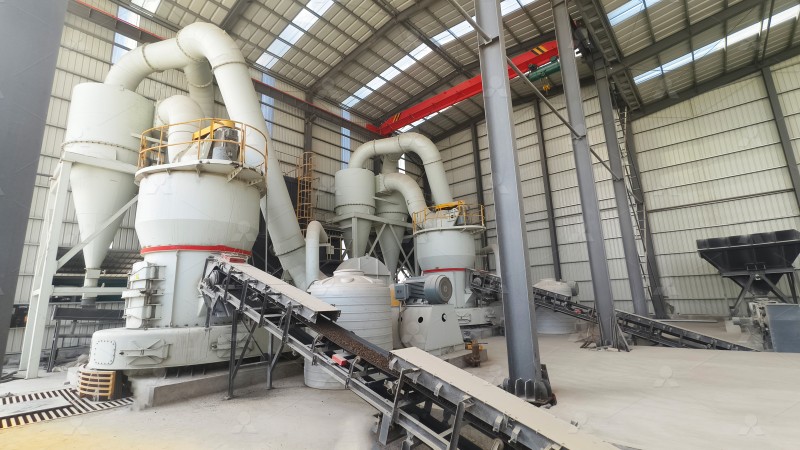
Operating grinding machinery in Kuwait’s environment necessitates addressing specific concerns. First, dust control is paramount. Uncontrolled lime dust poses health risks, contaminates equipment, and violates stringent environmental standards. Second, the extreme ambient heat can stress mechanical systems, affecting lubrication and continuous operation. Third, energy consumption is a major operational cost; inefficient grinding directly impacts project economics. Therefore, the ideal grinding solution must integrate superior dust collection, robust thermal management, and exceptional energy efficiency.
Selecting the Right Grinding Technology
Traditional ball mills or basic Raymond mills often struggle to achieve the consistent ultra-fine product required while managing the aforementioned challenges. Modern vertical roller mills and advanced trapezium mills offer significant advantages. Key selection criteria should include:
- Adjustable Fineness Control: The ability to precisely adjust product fineness to suit different soil types and stabilization protocols.
- Integrated Dust Collection: A closed-loop system with high-efficiency pulse jet dust collectors to ensure a clean, compliant operation.
- Energy Efficiency: Technology that delivers higher yield per kilowatt-hour, crucial for cost-effective production.
- Low Maintenance Design: Features that minimize downtime in a remote, high-temperature environment where rapid service may not be readily available.
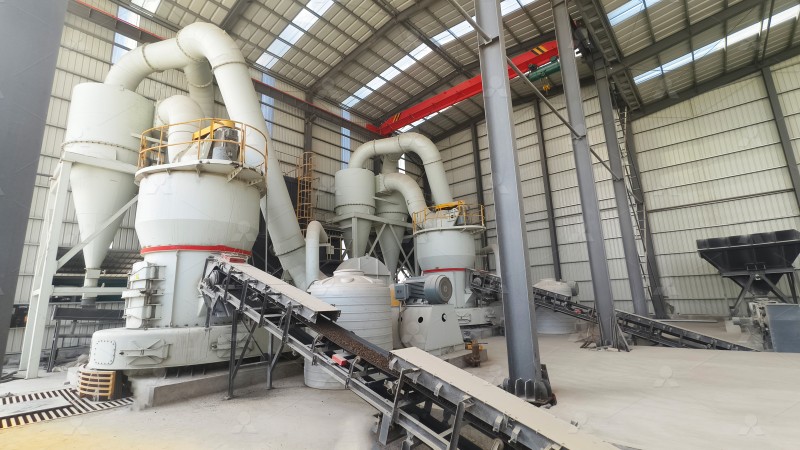
Recommended Solution: The MW Ultrafine Grinding Mill
For projects demanding the highest level of fineness and operational cleanliness, the MW Ultrafine Grinding Mill stands out as an exemplary choice. Engineered for producing ultra-fine powder between 325-2500 meshes, it is perfectly suited for processing quicklime to the most reactive specifications. Its design directly addresses Kuwait’s operational challenges:
- Higher Yielding, Lower Energy Consumption: Its innovative grinding curve enhances efficiency, offering up to 40% higher capacity than some alternative fine-grinding systems with significantly lower energy use. This translates to lower operating costs per ton of processed lime.
- Eco-Friendly Operation: The mill is equipped with an efficient pulse dust collector and muffler, ensuring no dust pollution and reduced noise—meeting strict environmental standards effortlessly.
- Reliable & Worry-free Design: With no rolling bearings or screws in the grinding chamber, it eliminates common failure points. External lubrication allows for maintenance without shutdown, supporting continuous 24/7 operation, which is vital for large-scale stabilization projects.
- Precision & Support: Digitalized manufacturing ensures high precision, and LIMING provides a full supply of original spare parts and technical support, guaranteeing worry-free operation far from major manufacturing hubs.
With an input size of 0-20 mm and a capacity range of 0.5-25 tph, the MW Ultrafine Grinding Mill offers the flexibility to scale operations from pilot studies to full-scale production for major infrastructure works.

Integration and Best Practices for Kuwaiti Operations
Success hinges on more than just machine selection. A holistic approach includes proper raw material feed sizing, moisture control (though quicklime is hygroscopic), and integrating the mill with efficient packaging or bulk loading systems to protect the final product from pre-application hydration. Regular monitoring of product fineness and reactivity is recommended. Partnering with a supplier that offers comprehensive technical services and understands local conditions can streamline this integration, ensuring the grinding asset delivers its full potential for soil stabilization success.
Conclusion
Optimizing quicklime processing for soil stabilization in Kuwait is a technical imperative driven by environmental, economic, and performance goals. By moving beyond conventional milling and adopting advanced, energy-efficient, and environmentally sealed technologies like the MW Ultrafine Grinding Mill, contractors and material producers can achieve a superior, more reactive stabilizer. This leads to more effective soil modification, longer-lasting infrastructure, and compliant, cost-effective project execution in the heart of the Gulf.
Frequently Asked Questions (FAQs)
1. What is the ideal fineness range for quicklime used in soil stabilization?
While it can vary with soil type, a fineness of 200 to 500 mesh (approximately 75 to 25 microns) is generally considered optimal. This provides the high surface area needed for rapid reactivity and effective pozzolanic reactions.
2. Why is dust control so critical in quicklime grinding operations?
Quicklime dust is caustic and can pose respiratory health risks. Uncontrolled emissions also lead to product loss, equipment damage, and environmental non-compliance. Modern mills with integrated pulse jet collectors are essential for safe, clean operation.
3. Can the same mill process other materials besides quicklime?
Yes. Advanced mills like the MW series are versatile and can process a range of non-metallic minerals, including limestone, calcite, gypsum, and barite, allowing for operational flexibility if project needs change.
4. How does the energy consumption of an ultrafine mill compare to a traditional ball mill?
Technologies like the MW Ultrafine Grinding Mill are significantly more energy-efficient. They can achieve the same or finer fineness with system energy consumption reported to be as low as 30% of some traditional fine-grinding systems and offer substantial savings over ball mills for ultra-fine applications.
5. What are the key maintenance concerns for grinding mills in a hot climate like Kuwait?
Key concerns include bearing lubrication stability, cooling system efficacy, and protection of electrical components from heat and dust. Choosing a mill with external lubrication systems, robust construction, and sealed components minimizes these climate-related risks.
6. How important is after-sales support and spare parts availability?
It is crucial. Operational downtime is extremely costly. Selecting equipment from a manufacturer like LIMING, which guarantees a sufficient supply of original spare parts and provides remote and on-site technical support, is a critical factor for long-term, worry-free operation in remote locations.
7. What capacity of grinding mill do I need for a medium-sized soil stabilization project?
Requirements vary widely. A mill with a capacity range like 0.5-25 tph offers excellent scalability. For a dedicated medium-sized project, a system in the 5-15 tph range is often suitable, but a detailed analysis of daily lime consumption is necessary for precise sizing.