
How to optimize limestone processing with roller mill for raw material for lime in guyana
How to Optimize Limestone Processing with Roller Mill for Raw Material for Lime in Guyana
The burgeoning construction and agricultural sectors in Guyana are driving significant demand for high-quality lime products. Efficiently processing the country’s abundant limestone deposits into consistent, fine raw material for lime production is a critical step in this value chain. Traditional grinding methods often fall short in terms of energy efficiency, product uniformity, and environmental compliance. This article explores how modern roller mill technology can revolutionize limestone processing in Guyana, focusing on key optimization strategies and equipment selection.
The Limestone-Lime Nexus: Why Grinding Matters
Lime (CaO) is produced by calcining limestone (CaCO3) in a kiln. The efficiency and quality of this calcination process are heavily dependent on the physical characteristics of the feed material. A uniformly fine, dry limestone powder ensures optimal heat transfer, complete decomposition, and consistent lime reactivity. Sub-optimal grinding leads to uneven calcination, higher fuel consumption, and variable product quality, directly impacting profitability and market competitiveness.
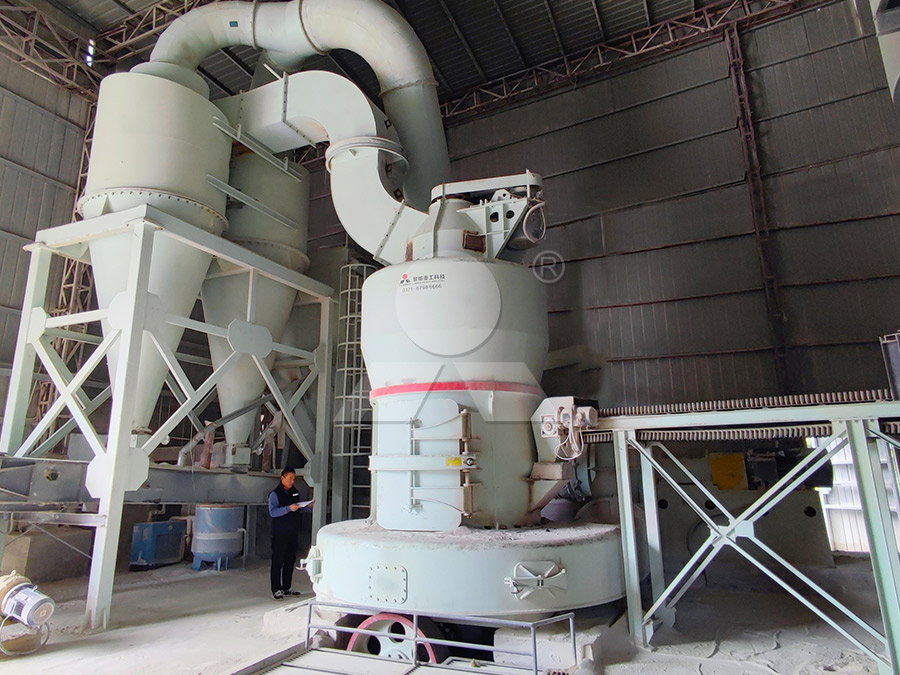
Core Optimization Strategies for Roller Mill Operations
Optimizing a roller mill system for limestone goes beyond simply running the machine. It involves a holistic approach to the entire size reduction circuit.
1. Precise Feed Preparation and Sizing
The first rule of efficient grinding is controlled feed. Limestone should be primary-crushed to a consistent top size suitable for the mill’s intake. For most advanced roller mills, this means keeping feed below 20-25mm. A well-designed circuit with a jaw crusher and pre-screening ensures the mill receives only material within its optimal processing range, preventing blockages and reducing wear.
2. Mastering Moisture Control
Guyana’s tropical climate can introduce significant moisture into limestone. Roller mills excel at combined grinding and drying when integrated with a hot air generator. Optimizing the inlet gas temperature and volume is crucial. The goal is to dry the material sufficiently (typically to below 1% moisture) to prevent clogging and ensure free-flowing powder, without applying excessive heat that wastes energy.
3. Intelligent Control of Grinding Parameters
The heart of optimization lies in adjusting the grinding pressure, classifier speed, and feed rate. Higher grinding pressure produces finer particles but increases energy consumption and wear. The integrated classifier’s rotor speed is the primary tool for controlling final product fineness. A well-tuned, automated control system constantly adjusts these parameters to maintain target fineness (often between 150-325 mesh for lime raw feed) despite variations in feed hardness or size.
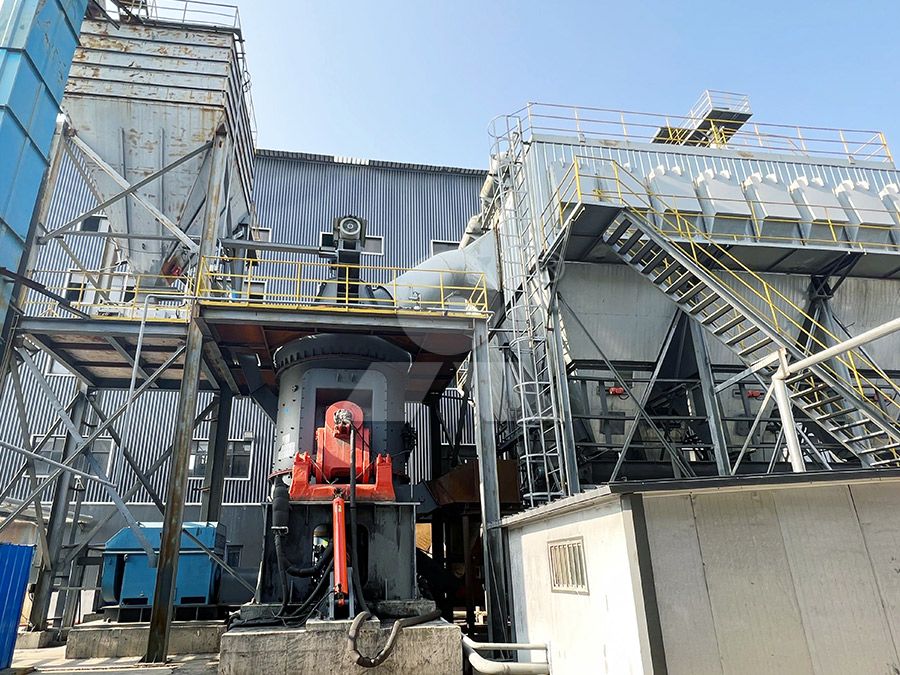
4. Embracing System Integration and Environmental Controls
A roller mill is the core of a system. Optimization includes efficient product conveyance, collection via high-efficiency cyclones and baghouse filters, and proper venting. Modern mills are designed as negative-pressure systems, ensuring no dust escape—a critical consideration for worker health and environmental permits. Furthermore, selecting mills with advanced noise dampening features maintains good community relations.
Equipment Spotlight: Selecting the Right Mill for Guyanese Operations
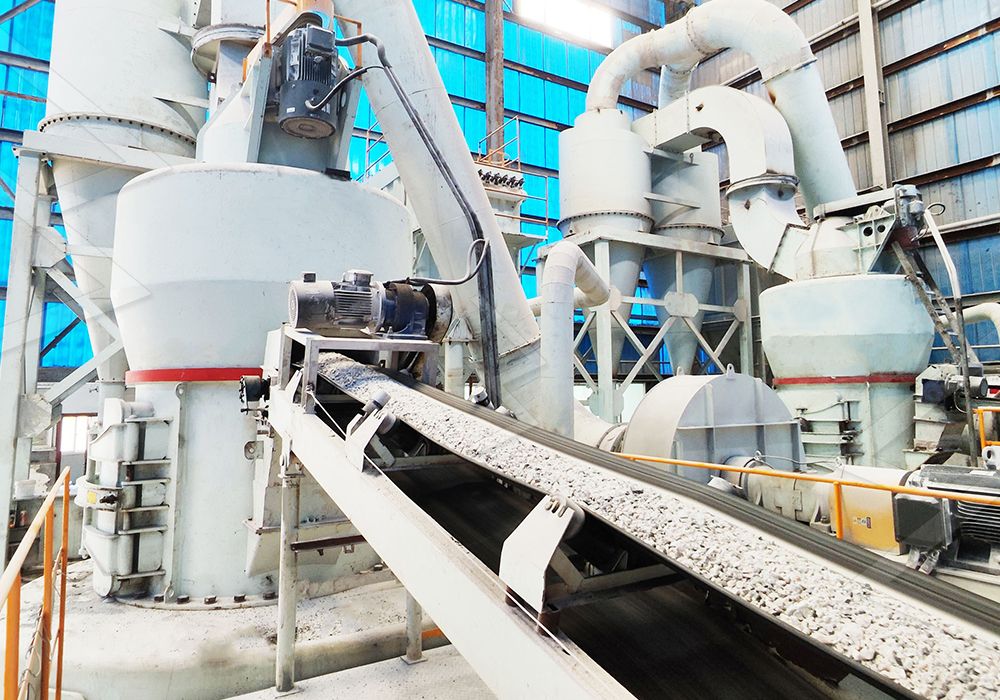
Not all roller mills are created equal. For medium to large-scale lime producers in Guyana seeking to balance high capacity with exceptional product fineness and low operating costs, the LUM Ultrafine Vertical Grinding Mill presents a compelling solution.
This mill is engineered for performance and reliability. It accepts limestone feed up to 10mm and delivers a capacity range of 5-18 tph, suitable for growing operations. Its defining feature is the integration of the latest grinding roller and German powder separating technology. The unique roller shell and lining plate curve promote stable material bed formation, enabling high rates of finished product in a single pass. This translates to a 30%-50% reduction in energy consumption compared to traditional mills—a major cost advantage given local energy prices.
For operations requiring ultra-fine preparation or processing of high-purity limestone for specialty chemicals, the MW Ultrafine Grinding Mill is a precision tool. Designed to produce powders between 325 and 2500 meshes, it is ideal for applications where extreme fineness and purity are paramount. Its cage-type powder selector ensures precise particle classification, while the absence of rolling bearings and screws in the grinding chamber eliminates major failure points, guaranteeing uninterrupted, worry-free operation—a significant benefit for remote sites.
Conclusion: Building a Competitive Advantage
For Guyanese lime producers, optimizing limestone processing with advanced roller mill technology is not merely an operational upgrade; it’s a strategic investment. The gains in energy efficiency, product consistency, and environmental compliance directly lower production costs and enhance product value in both domestic and export markets. By implementing the outlined optimization strategies and partnering with technology providers offering robust, efficient, and service-supported equipment like the LUM and MW series mills, Guyana’s lime industry can fully leverage its natural resources to build a stronger, more sustainable industrial future.
Frequently Asked Questions (FAQs)
- What is the main advantage of a roller mill over a traditional ball mill for limestone?
Roller mills offer significantly higher energy efficiency (30-50% less power consumption), integrated drying capability, a more compact footprint, and produce a product with a narrower, more consistent particle size distribution. - How does the climate in Guyana affect mill selection?
The high humidity necessitates a mill with strong drying capabilities integrated into the grinding chamber. Vertical roller mills with hot air intakes are particularly well-suited to handle moist feed material effectively. - What fineness is typically required for limestone feed into a lime kiln?
For most shaft or rotary kilns, a raw limestone powder with a fineness of 90% passing 150 mesh (100 microns) to 325 mesh (45 microns) is ideal for efficient calcination. - How critical is after-sales service and parts availability when operating in Guyana?
It is paramount. Choosing a supplier with a strong global support network, guaranteed supply of original spare parts, and remote technical assistance minimizes downtime risks and ensures long-term operational reliability. - Can these mills process other materials found in Guyana?
Yes. Advanced roller mills like the LUM and MW series are highly versatile and can also process bauxite, kaolin, gypsum, and other non-metallic minerals, offering diversification potential for mining operators. - What are the key maintenance points for a vertical roller mill?
Regular inspection and eventual replacement of grinding rollers and table liners are the primary wear-related maintenance. Modern designs with reversible rollers and hydraulic swing-out mechanisms greatly simplify this process. - Is dust control a major challenge with roller mills?
Not with modern, closed-circuit systems. They operate under negative pressure with high-efficiency pulse jet baghouse collectors, ensuring dust-free operation and compliance with stringent environmental standards.