
How to optimize limestone processing with roller mill for cement production in australia
How to Optimize Limestone Processing with Roller Mill for Cement Production in Australia
The Australian cement industry faces unique challenges in limestone processing, from harsh environmental conditions to stringent regulatory requirements. Optimizing grinding operations is crucial for maintaining profitability while meeting quality standards. This article explores advanced roller mill technologies that can revolutionize limestone processing in Australian cement plants.
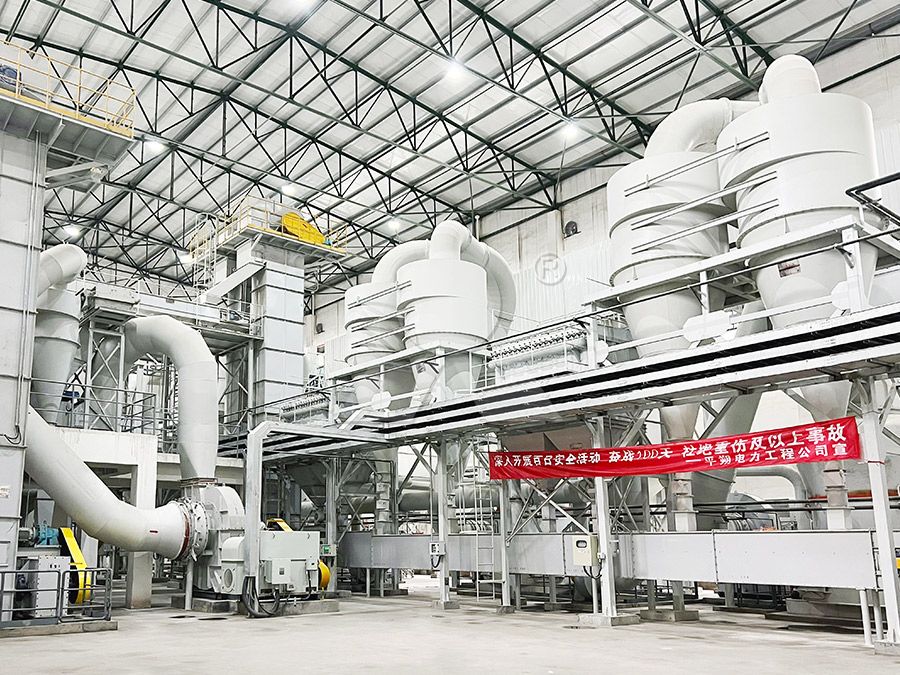
The Australian Limestone Processing Challenge
Australia’s diverse limestone deposits present varying hardness, moisture content, and chemical composition across different regions. Traditional ball mills, while reliable, often struggle with energy efficiency and particle size distribution control. The country’s high energy costs and environmental regulations demand more sophisticated solutions that can deliver consistent quality while reducing operational expenses.
Modern roller mill technology addresses these challenges through innovative design features that optimize the entire grinding process. Unlike conventional systems, advanced roller mills incorporate intelligent control systems, efficient separation technology, and robust construction suitable for Australia’s demanding operating conditions.
Advanced Roller Mill Technology for Superior Performance
The evolution of roller mill technology has brought significant advantages to limestone processing. Modern designs feature improved grinding curves, precision engineering, and automated control systems that adapt to varying material characteristics. These advancements translate to higher throughput, reduced energy consumption, and more consistent product quality – critical factors for cement production where limestone fineness directly impacts clinker quality and burning efficiency.
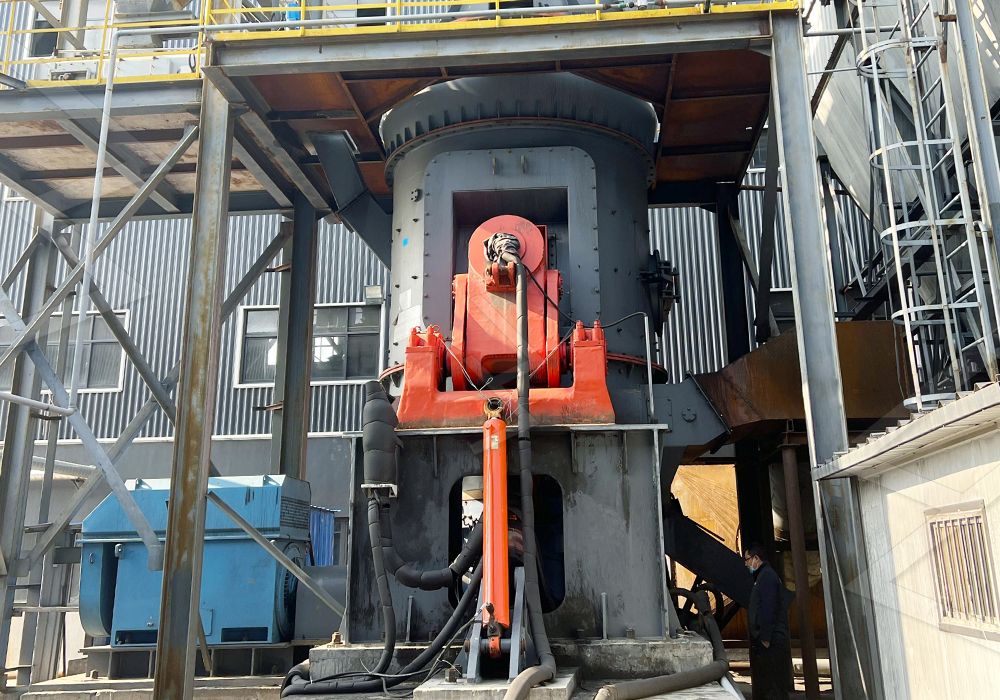
One particularly effective solution for Australian operations is the MW Ultrafine Grinding Mill, which represents a significant leap forward in grinding technology. With an input size capacity of 0-20 mm and throughput ranging from 0.5 to 25 tph, this machine is exceptionally well-suited for the precise requirements of cement raw material preparation. The MW series achieves remarkable efficiency through newly designed grinding curves of the grinding roller and grinding ring, enhancing grinding efficiency substantially.
Key Advantages of Modern Grinding Systems
When evaluating grinding equipment for limestone processing, several performance characteristics deserve particular attention:
- Energy Efficiency: Advanced roller mills can reduce energy consumption by 30-50% compared to traditional systems
- Particle Size Control: Precision separation technology enables exact fineness adjustment between 325-2500 meshes
- Operational Reliability: Innovative designs eliminate common failure points like rolling bearings in the grinding chamber
- Environmental Compliance: Integrated dust collection and noise reduction systems meet strict Australian standards
The MW Ultrafine Grinding Mill exemplifies these advantages with its cage-type powder selector technology, which effectively increases powder separation precision. The absence of rolling bearings and screws in the grinding chamber eliminates concerns about bearing damage or loose screws causing machine failure. This design reliability is particularly valuable in remote Australian operations where maintenance accessibility can be challenging.
Optimizing for Australian Conditions
Australian cement plants must contend with specific operational challenges including remote locations, high ambient temperatures, and water scarcity. Modern roller mills address these through several key features:

The external lubrication system of advanced mills like the MW series allows lubrication without shutdown, enabling continuous 24-hour operation – a critical advantage in capital-intensive cement production. The efficient pulse dust collector ensures no dust pollution during operation, while silencers and noise elimination rooms reduce acoustic impact on surrounding environments.
For operations requiring even higher capacity, the LUM Ultrafine Vertical Grinding Mill offers complementary capabilities with input size of 0-10 mm and capacity of 5-18 tph. This mill incorporates the latest grinding roller technology and German powder separating technology, providing another excellent option for Australian cement producers seeking to optimize their limestone processing operations.
Implementation Strategy for Australian Operations
Successfully integrating advanced roller mill technology requires careful planning and execution. Australian operations should consider:
- Comprehensive material testing to determine optimal mill configuration
- Phased implementation to minimize production disruption
- Operator training programs to maximize equipment utilization
- Preventive maintenance scheduling aligned with production cycles
- Spare parts strategy considering Australia’s geographic challenges
The digitalized processing of modern mills like the MW series, with numerically controlled operations for cutting, bending, planing, milling and paint spraying, ensures high machining precision – particularly for core parts. This manufacturing excellence translates to longer service life and more consistent performance under demanding Australian conditions.
Economic and Environmental Benefits
The transition to advanced roller mill technology delivers substantial economic and environmental advantages. The higher yielding and lower energy consumption of systems like the MW Ultrafine Grinding Mill can reduce operating costs significantly while improving product quality. With the same fineness and power, production capacity is 40% higher than jet grinding mills and twice as large as ball grinding mills, while system energy consumption is only 30% of jet grinding mills.
Environmental compliance is increasingly important for Australian cement producers, and modern grinding systems contribute significantly to sustainability goals. The dust removal by pulse collector makes operations more eco-friendly, with the entire milling system generating no dust pollution during operation. This feature, combined with noise reduction technology, ensures operations meet Australia’s stringent environmental protection standards.
Conclusion
Optimizing limestone processing with advanced roller mill technology represents a significant opportunity for Australian cement producers to enhance competitiveness while meeting regulatory requirements. The MW Ultrafine Grinding Mill and LUM Ultrafine Vertical Grinding Mill offer sophisticated solutions tailored to the unique challenges of the Australian market. By embracing these technologies, cement plants can achieve higher efficiency, lower operating costs, and improved environmental performance – key factors for long-term success in Australia’s evolving cement industry.
Frequently Asked Questions
What is the typical energy savings when switching from ball mills to modern roller mills?
Modern roller mills typically reduce energy consumption by 30-50% compared to traditional ball mills, with some operations reporting even higher savings depending on material characteristics and operational parameters.
How does the MW Ultrafine Grinding Mill handle variations in limestone hardness?
The MW mill features adjustable grinding pressure and sophisticated control systems that automatically adapt to changes in material hardness, maintaining consistent product quality despite feed variations.
What maintenance requirements should Australian operators expect?
Advanced roller mills require significantly less maintenance than traditional systems. The absence of rolling bearings in the grinding chamber and external lubrication systems reduce routine maintenance needs, while digital monitoring enables predictive maintenance scheduling.
Can these systems integrate with existing cement plant infrastructure?
Yes, modern roller mills are designed for seamless integration with existing plant infrastructure. Customizable configurations ensure compatibility with material handling, dust collection, and control systems.
What particle size distribution can be achieved for cement raw meal?
The MW Ultrafine Grinding Mill can achieve fineness between 325-2500 meshes, with screening rates achieving d97≤5μm once, providing excellent control over particle size distribution for optimal clinker production.
How do these systems perform in Australia’s high-temperature environments?
Modern roller mills incorporate advanced cooling and thermal management systems specifically designed to maintain performance in high-temperature conditions common in Australian operations.
What is the typical payback period for upgrading to advanced roller mill technology?
Most Australian operations achieve payback within 18-36 months through energy savings, increased production capacity, and reduced maintenance costs, though specific timelines vary by operation scale and local conditions.
How does the equipment handle the abrasive nature of Australian limestone?
Wear-resistant materials and specialized hardening treatments protect critical components from abrasion, while innovative grinding curves reduce wear while maintaining efficiency with abrasive materials.