
How to Optimize Limestone Processing with Raymond Mill for Water Treatment in Morocco
How to Optimize Limestone Processing with Raymond Mill for Water Treatment in Morocco
Water treatment represents a critical infrastructure priority across Morocco, where access to clean water remains essential for public health, agriculture, and industrial development. Among the various treatment methods, pH adjustment using limestone powder stands out for its effectiveness, safety, and cost-efficiency. The quality of limestone powder—specifically its fineness and purity—directly influences treatment outcomes. This article explores how modern grinding technology, particularly Raymond mills and their advanced successors, can revolutionize limestone processing for Morocco’s water treatment sector.
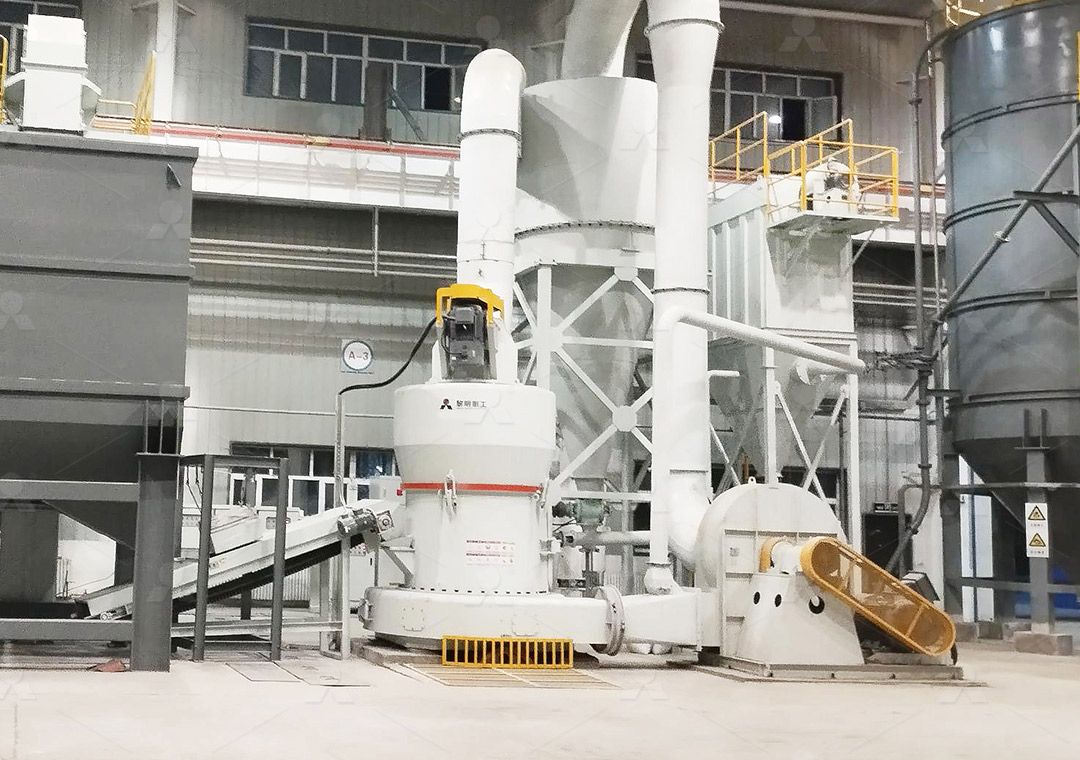
The Critical Role of Limestone in Moroccan Water Treatment
Morocco’s diverse water sources—from the Sebou River basin to groundwater reserves—often exhibit acidic conditions that require correction before distribution. Limestone (calcium carbonate) serves as an ideal neutralization agent due to its natural abundance, non-toxic properties, and chemical stability. When finely ground, limestone powder dissolves more readily in water, reacting with hydrogen ions to raise pH levels effectively.
The efficiency of this neutralization process depends significantly on particle size distribution. Finer particles offer greater surface area for chemical reactions, leading to faster and more complete pH adjustment. Additionally, consistent particle size ensures predictable reaction rates, allowing water treatment operators to maintain precise control over water chemistry.
Traditional Raymond Mill Applications and Limitations
For decades, Raymond mills have been the workhorse of limestone processing operations worldwide. Their simple design, reliability, and relatively low operating costs made them suitable for producing coarse to medium-fine limestone powders. The basic Raymond mill configuration—with grinding rollers rotating against a stationary ring—can achieve particle sizes typically ranging from 30 to 425 mesh.
However, traditional Raymond mills face limitations when processing limestone for modern water treatment applications:
- Limited fineness range insufficient for advanced treatment processes
- Higher energy consumption per ton of finished product
- Potential contamination from grinding media wear
- Inconsistent particle size distribution affecting reaction predictability
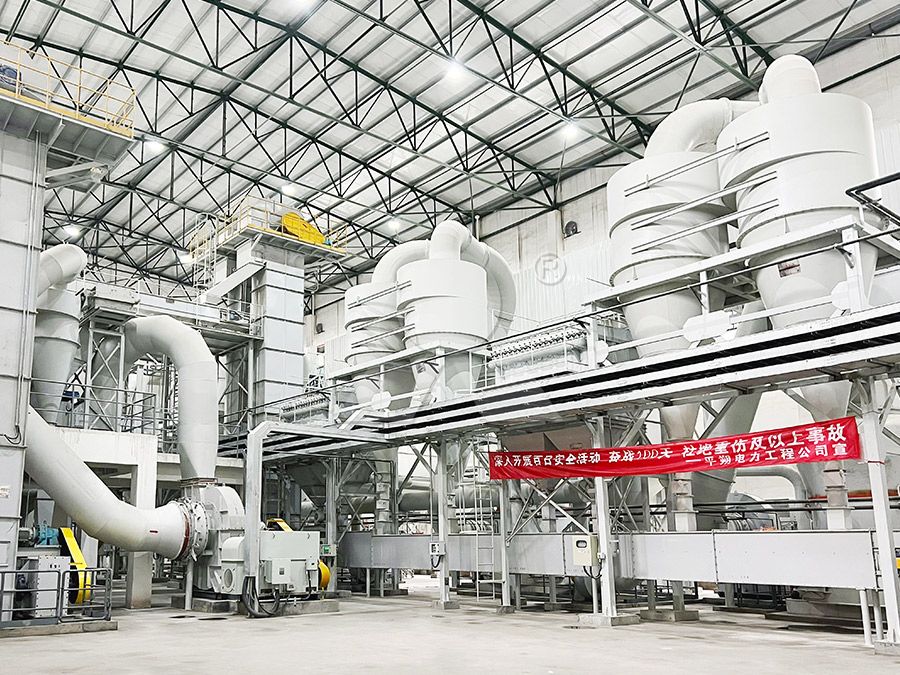
Advanced Grinding Solutions for Superior Water Treatment
Modern grinding technology has evolved significantly beyond traditional Raymond mills, offering enhanced capabilities specifically beneficial for water treatment applications. Among these advanced solutions, our MW Ultrafine Grinding Mill represents a technological leap forward for producing high-quality limestone powder.
The MW Ultrafine Grinding Mill addresses the specific requirements of water treatment applications through several key advantages:
- Adjustable fineness between 325-2500 meshes – This wide range allows operators to precisely tailor particle size to specific treatment needs, from standard pH adjustment to advanced contaminant removal processes.
- Higher yielding with lower energy consumption – With production capacity 40% higher than jet grinding mills and energy consumption only 30% of comparable systems, the MW series offers significant operational cost savings.
- No rolling bearings or screws in grinding chamber – This innovative design eliminates potential contamination sources, ensuring the limestone powder remains pure and suitable for water treatment applications.
- Eco-friendly operation with pulse dust collection – The integrated dust collection system maintains clean operation, crucial for meeting Morocco’s environmental standards.
For operations requiring even higher precision, our LUM Ultrafine Vertical Grinding Mill offers additional benefits, including double position-limiting technology for stable operation and reversible structure for easier maintenance. With an input size of 0-10mm and capacity of 5-18tph, this system provides exceptional control over final product characteristics.
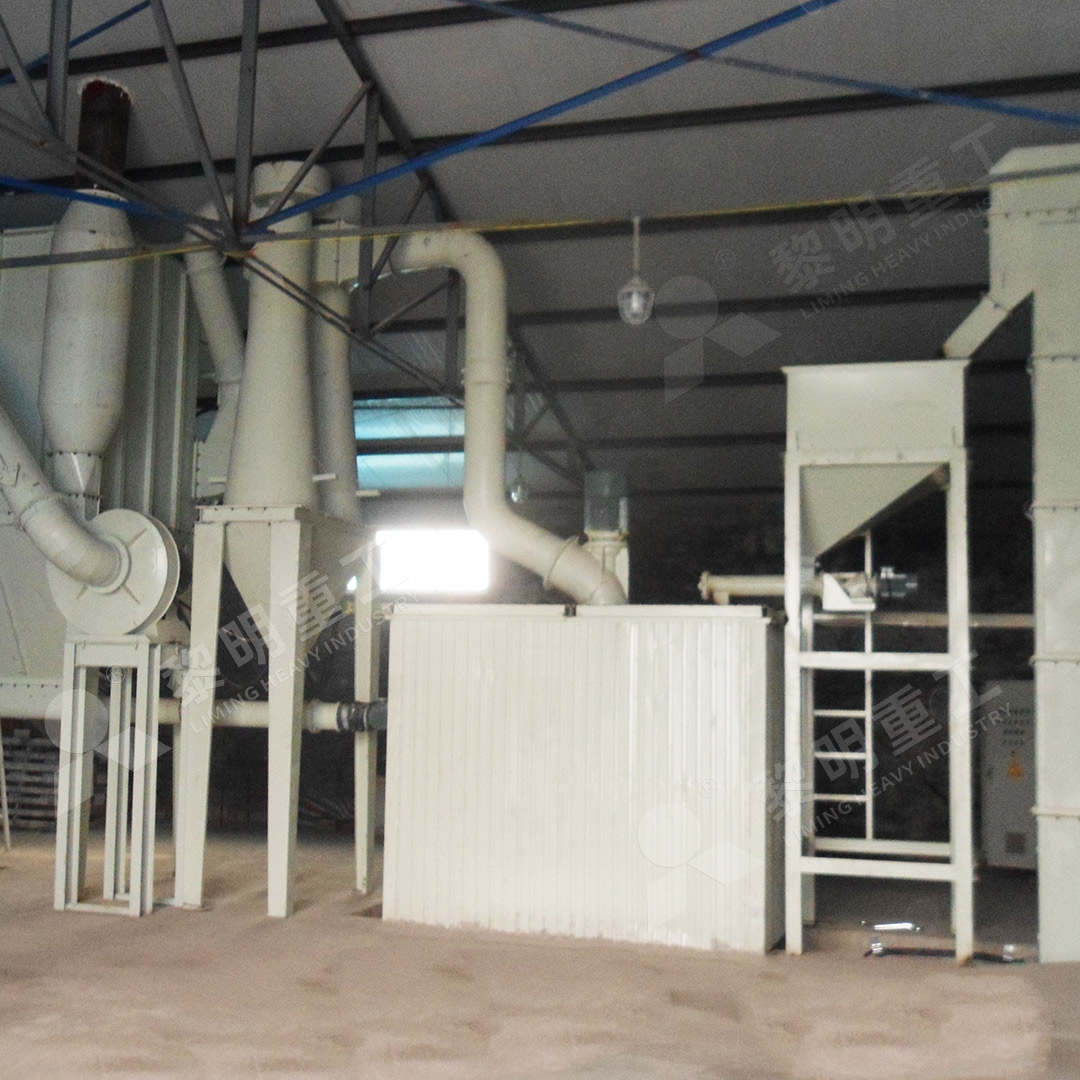
Implementation Considerations for Moroccan Operations
Successfully integrating advanced grinding technology into Morocco’s water treatment infrastructure requires careful consideration of several factors:
Local Limestone Characteristics: Morocco’s diverse geological formations yield limestone with varying hardness, purity, and moisture content. The MW Ultrafine Grinding Mill’s adjustable parameters accommodate these variations, maintaining consistent output quality regardless of feed stock differences.
Operational Efficiency: With input sizes of 0-20mm and capacities ranging from 0.5-25tph, the MW series can be scaled to match specific facility requirements, from small regional treatment plants to large urban facilities serving cities like Casablanca or Rabat.
Environmental Compliance: Morocco’s increasing emphasis on environmental protection makes the MW series’ dust-free operation and low noise emissions particularly valuable. The integrated pulse dust collector ensures compliance with air quality standards while protecting worker health.
Economic Advantages for Moroccan Water Authorities
Beyond technical performance, advanced grinding systems offer compelling economic benefits:
- Reduced chemical consumption through more efficient limestone utilization
- Lower energy costs compared to traditional grinding methods
- Minimized maintenance requirements and associated downtime
- Extended equipment lifespan through superior engineering
- Reduced waste through precise particle size control
These advantages translate to lower overall treatment costs, making clean water more accessible across Moroccan communities while optimizing limited budgetary resources.
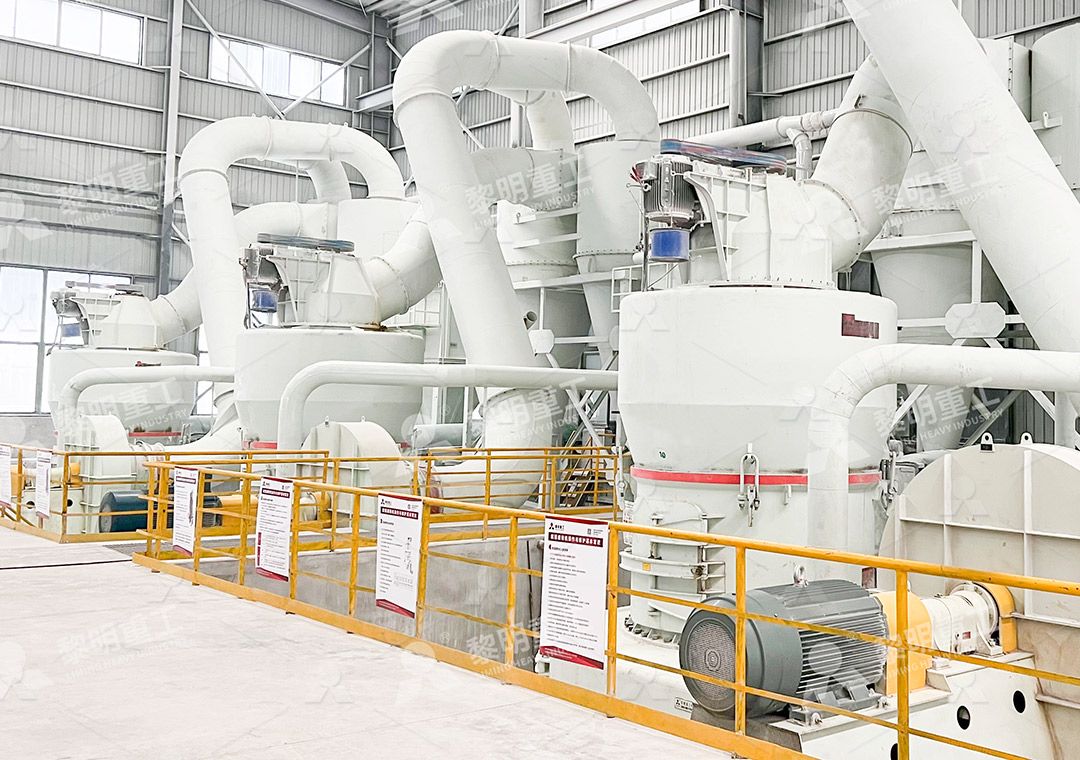
Future Outlook: Advanced Water Treatment in Morocco
As Morocco continues to develop its water infrastructure, the role of high-quality limestone powder will expand beyond basic pH adjustment. Emerging applications include:
- Heavy metal removal through enhanced precipitation processes
- Advanced filtration media requiring specific particle morphology
- Specialized agricultural water treatment protecting valuable crops
- Industrial wastewater treatment supporting economic development
Each of these applications demands precise control over limestone powder characteristics—exactly the capability provided by modern grinding technology like the MW Ultrafine Grinding Mill.
Conclusion
The optimization of limestone processing represents a significant opportunity to enhance water treatment efficiency across Morocco. By transitioning from traditional Raymond mills to advanced systems like the MW Ultrafine Grinding Mill, water authorities can achieve superior treatment outcomes while reducing operational costs. The combination of precise particle control, energy efficiency, and environmental compliance makes modern grinding technology an essential component of Morocco’s water security strategy.
As Moroccan communities face increasing water quality challenges, investing in advanced processing infrastructure ensures that limestone—a naturally abundant resource—can be utilized to its fullest potential in safeguarding public health and supporting sustainable development.
Frequently Asked Questions
What fineness of limestone powder is optimal for water treatment applications?
For most water treatment applications, limestone powder between 200-800 mesh provides the ideal balance of reaction speed and settling characteristics. The MW Ultrafine Grinding Mill’s adjustable fineness from 325-2500 meshes allows operators to optimize for specific treatment requirements.
How does the MW Ultrafine Grinding Mill compare to traditional Raymond mills in terms of energy consumption?
The MW series reduces energy consumption by approximately 30-40% compared to traditional Raymond mills while increasing production capacity by up to 40%. This efficiency translates to significant operational cost savings over the equipment lifespan.
Can the same grinding equipment process different types of limestone found in Morocco?
Yes, the MW Ultrafine Grinding Mill is designed to handle variations in limestone hardness and composition commonly found across Moroccan geological formations. Adjustable grinding pressure and separator speed allow optimization for different material characteristics.
What maintenance requirements should Moroccan operators anticipate?
The MW series requires minimal maintenance due to its innovative design without rolling bearings or screws in the grinding chamber. Regular maintenance primarily involves wear part inspection and replacement, with most components accessible without complex disassembly.
How does the equipment address Morocco’s environmental regulations?
The integrated pulse dust collector ensures dust emissions remain well below regulatory limits, while the low-noise design complies with workplace safety standards. The closed system prevents material loss and environmental contamination.
What capacity range is suitable for small to medium water treatment plants?
The MW Ultrafine Grinding Mill offers capacities from 0.5-25tph, making it suitable for facilities of various sizes. For smaller operations, units in the 2-5tph range typically provide adequate production while maintaining operational flexibility.
How does limestone powder quality affect water treatment chemical consumption?
Higher purity limestone with consistent particle size distribution reacts more efficiently, reducing the quantity required for pH adjustment. The MW series produces powder with minimal contamination and tight particle size distribution, optimizing chemical utilization.
What technical support is available for Moroccan installations?
We provide comprehensive technical support including installation supervision, operator training, and ongoing maintenance assistance. Our local partners ensure responsive service and genuine spare parts availability throughout Morocco.