
How to optimize kaolin processing with roller mill for cosmetic clay in bangladesh
Unlocking the Potential of Bangladeshi Kaolin for Cosmetic Excellence
The burgeoning cosmetics industry in Bangladesh presents a significant opportunity for local mineral processors. High-quality kaolin, or “china clay,” is a cornerstone ingredient in foundations, face masks, powders, and other cosmetic products, prized for its oil-absorbing properties, smooth texture, and gentle nature. However, transforming raw kaolin deposits into the ultra-fine, consistent, and brilliantly white powder demanded by cosmetic formulators requires precise and efficient processing technology. The choice of grinding mill is paramount, moving beyond traditional, energy-intensive methods to modern roller mill systems that ensure product purity, operational economy, and environmental compliance.
The Critical Demands of Cosmetic-Grade Kaolin
Cosmetic applications impose stringent specifications on kaolin powder. Fineness is measured in meshes or micrometers, often requiring a d97 of less than 10μm (approximately 1250 mesh) for a silky, non-abrasive feel. Whiteness and brightness are visually critical; any iron contamination or overheating during grinding that causes yellowing renders the product unsuitable. Furthermore, the chemical purity must be high, with minimal impurities that could irritate the skin. Traditional ball mills or older Raymond mills often struggle with these demands, risking iron pollution from worn media, inconsistent particle size distribution, and high energy consumption that erodes profit margins.
Why Modern Roller Mills Are the Optimal Solution
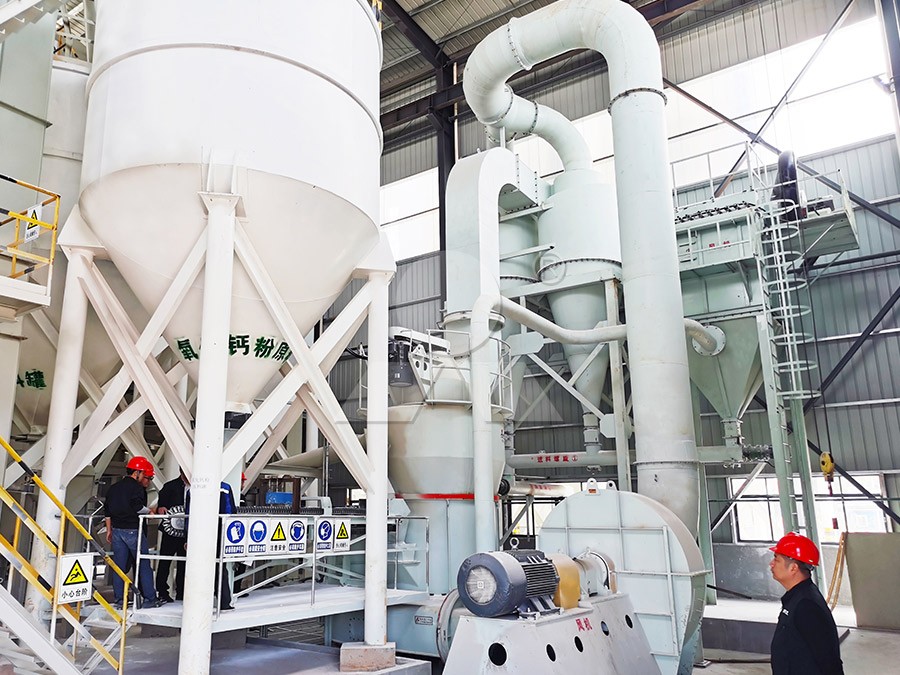
Advanced roller mill technology, specifically vertical roller mills (VRM) and European-type trapezium mills, have revolutionized mineral processing. For kaolin, their advantages are multifaceted:
- Superior Particle Control: Integrated dynamic classifiers allow precise adjustment of product fineness from coarse (325 mesh) to ultra-fine (2500+ mesh), enabling producers to cater to diverse cosmetic market segments with a single machine.
- Exceptional Product Purity: The grinding principle involves rollers pressing on a stationary or rotating bed, with no metal-to-metal contact in the grinding zone. This drastically reduces iron contamination. Additionally, the short material residence time minimizes heat generation, preserving the natural whiteness of the kaolin.
- Remarkable Energy Efficiency: Roller mills consume 30-50% less energy compared to ball mills of equivalent output. For Bangladeshi processors facing rising energy costs, this is a direct and substantial boost to competitiveness.
- Integrated Drying & Grinding: Many models can utilize hot air to simultaneously dry moist raw kaolin and grind it, simplifying the process flow and reducing capital investment in separate drying equipment.
- Environmental Stewardship: Closed-system designs with efficient pulse-jet baghouse dust collectors ensure a dust-free operation, protecting worker health and meeting increasingly strict local environmental regulations.
Tailoring the Mill to Bangladesh’s Kaolin Profile
Bangladesh’s kaolin varies in moisture content, hardness, and initial particle size. A successful optimization strategy involves selecting a mill whose design parameters align with the specific feedstock and desired end product. Key considerations include the mill’s maximum input size, grinding capacity (tph), and the sophistication of its powder separation system. For producers targeting the high-value cosmetic market where ultra-fine powder and brilliant whiteness are non-negotiable, mills featuring advanced German or Taiwanese separator technology and specially designed grinding curves offer a distinct advantage.
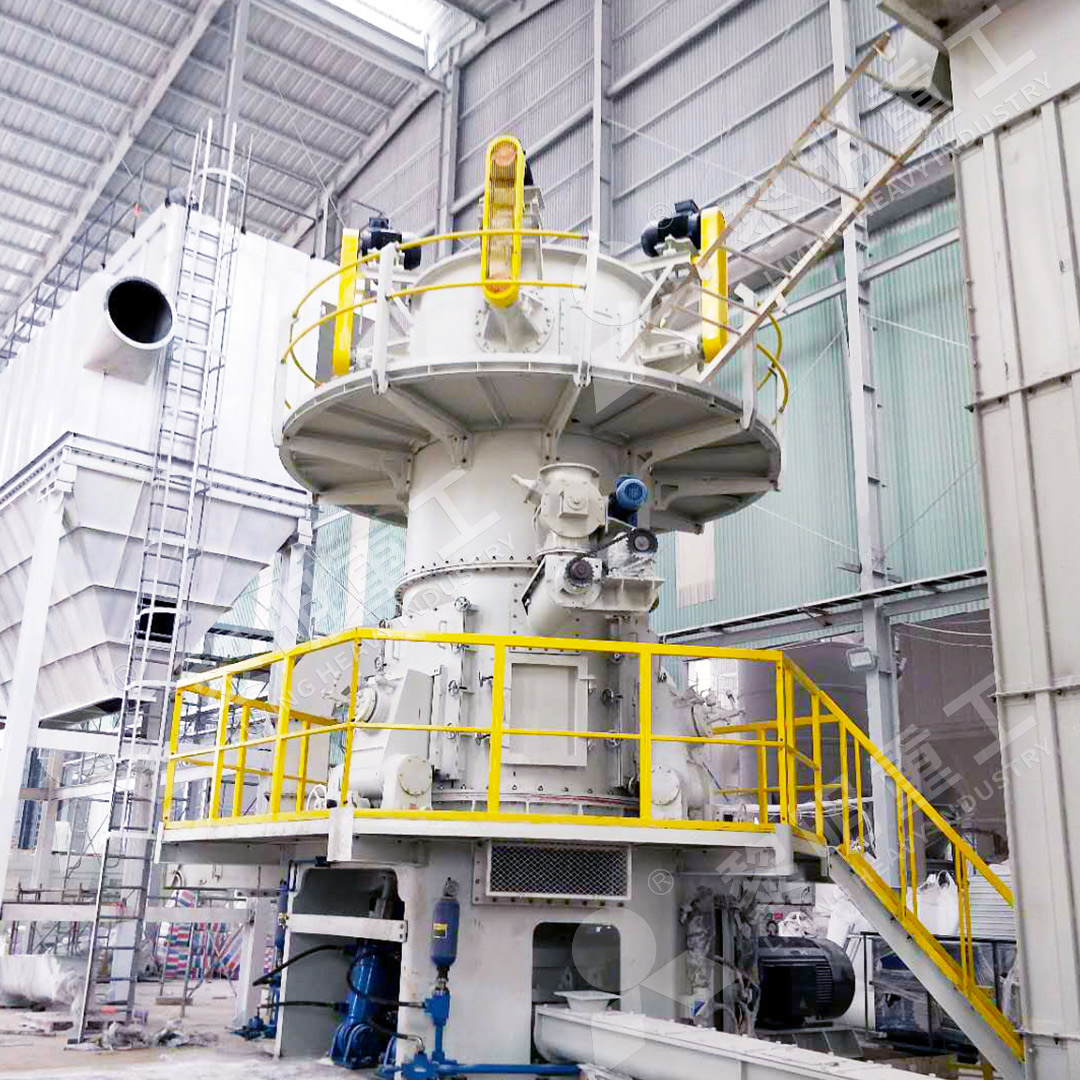
Featured Solution: The MW Ultrafine Grinding Mill for Premium Cosmetic Clay
For Bangladeshi entrepreneurs aiming at the top tier of the cosmetic kaolin supply chain, the MW Ultrafine Grinding Mill represents a paradigm shift. This equipment is engineered explicitly for customers who need to make ultra-fine powder with exceptional cleanliness. Its cage-type powder selector, incorporating German technology, provides unparalleled precision in particle separation, allowing you to reliably achieve a fineness between 325 and 2500 meshes, with a top cut as fine as d97≤5μm in a single pass. This is ideal for the most demanding cosmetic formulations.
Beyond fineness, the MW Mill addresses core concerns for cosmetic-grade production. Its grinding chamber contains no rolling bearings or screws, eliminating catastrophic failure risks from bearing seal damage or loose components—a common headache in other mills. The lubrication points are externally accessible, enabling maintenance without shutdowns for true 24/7 continuous operation. Crucially, its efficient pulse dust collector and muffler system guarantee a clean, quiet working environment, making the entire production process eco-friendly and socially responsible. With an input size of 0-20 mm and a capacity range of 0.5-25 tph, it offers the flexibility and high yield needed for scalable cosmetic clay production.
Ensuring Long-Term Success: Operation and Support
Investing in advanced technology is only the first step. Sustainable optimization requires reliable technical support and a ready supply of genuine spare parts. Partnering with a manufacturer that stands behind its products is critical. LIMING, for instance, takes full responsibility for every machine it produces, offering comprehensive technical services and ensuring a sufficient supply of original spare parts for worry-free, long-term operation. This level of support is invaluable for maintaining consistent product quality and minimizing costly downtime in Bangladesh’s competitive industrial landscape.
Conclusion: A Strategic Investment for a Growing Industry
Optimizing kaolin processing for the cosmetic industry in Bangladesh is not merely an operational upgrade; it is a strategic business decision. By adopting modern, efficient roller mill technology like the MW Ultrafine Grinding Mill, processors can transcend the limitations of conventional equipment. They can produce a superior, consistent, and high-purity product that commands premium prices in both domestic and international markets, all while reducing energy costs, minimizing environmental impact, and building a reputation as a reliable, high-tech supplier. The future of Bangladeshi kaolin is bright, white, and ultra-fine—delivered through the precision of advanced grinding engineering.
Frequently Asked Questions (FAQs)
- What is the typical moisture content of raw kaolin that your mills can handle?
Our vertical roller mills like the LM series and trapezium mills like the MTW-Z are designed with integrated drying capabilities. They can effectively process kaolin with moisture content typically up to 10-15%, using hot air introduced into the grinding chamber. - How do you prevent iron contamination during the grinding process?
Our mills are designed with minimal metal-to-metal contact in the grinding zone. Critical wear parts like rollers and rings use special alloys, and the design often avoids iron-introducing elements like screws and rolling bearings inside the chamber itself, as seen in the MW Mill. - Can one mill produce different fineness grades of kaolin for various cosmetic applications?
Yes. Modern mills feature adjustable dynamic classifiers or powder selectors. By simply adjusting the speed of the classifier rotor, you can produce different fineness levels from, for example, 800 mesh for a body powder to 2500 mesh for a premium facial mask, without changing the physical grinding components. - What is the expected energy saving compared to a traditional ball mill for kaolin processing?
Energy savings are significant, typically ranging from 30% to 50% for the same output and fineness. This is due to the more efficient grinding principle of roller pressure versus the impact and attrition of tumbling balls. - Is the operation of these advanced mills complex for our local technicians?
While the technology is advanced, the operation is designed to be user-friendly. Mills come with automated control systems (PLC) for stable operation. Furthermore, we provide comprehensive installation, training, and ongoing technical support to ensure your team can operate and maintain the equipment confidently. - How does the particle shape from a roller mill compare to that from a jet mill for kaolin?
Roller mills produce particles that are more isometric (cubic) in shape due to the compression and inter-particle grinding in the material bed. This can offer better packing density and oil absorption—key for cosmetics. Jet mills produce more spherical particles via collision but at a much higher energy cost. - What kind of after-sales support can we expect in Bangladesh?
We provide a full suite of after-sales services, including the supply of original spare parts, remote technical assistance, and, when needed, dispatch of service engineers. Our goal is to ensure your production line operates with maximum uptime and efficiency.