
How to optimize gypsum processing with roller mill for soil conditioner in mexico
How to Optimize Gypsum Processing with Roller Mill for Soil Conditioner in Mexico
The agricultural landscape of Mexico presents unique challenges and opportunities. Arid and semi-arid regions, which constitute a significant portion of the country’s arable land, often suffer from soil compaction, salinity, and poor structure. Gypsum (calcium sulfate dihydrate) has long been recognized as a highly effective soil conditioner for such conditions. It improves soil porosity, enhances water infiltration, reduces crusting, and can help leach excess sodium. However, the efficacy of gypsum is intrinsically linked to its particle size and purity. This is where advanced grinding technology, specifically modern roller mills, becomes a game-changer for producers aiming to supply high-quality agricultural gypsum.
Processing raw gypsum ore into a fine, consistent powder suitable for soil amendment requires precision engineering. The goal is to achieve a specific surface area that allows for rapid dissolution and reaction in the soil, without creating excessive dust that leads to product loss and environmental concerns. Traditional grinding methods can be inefficient, energy-intensive, and may introduce contaminants.
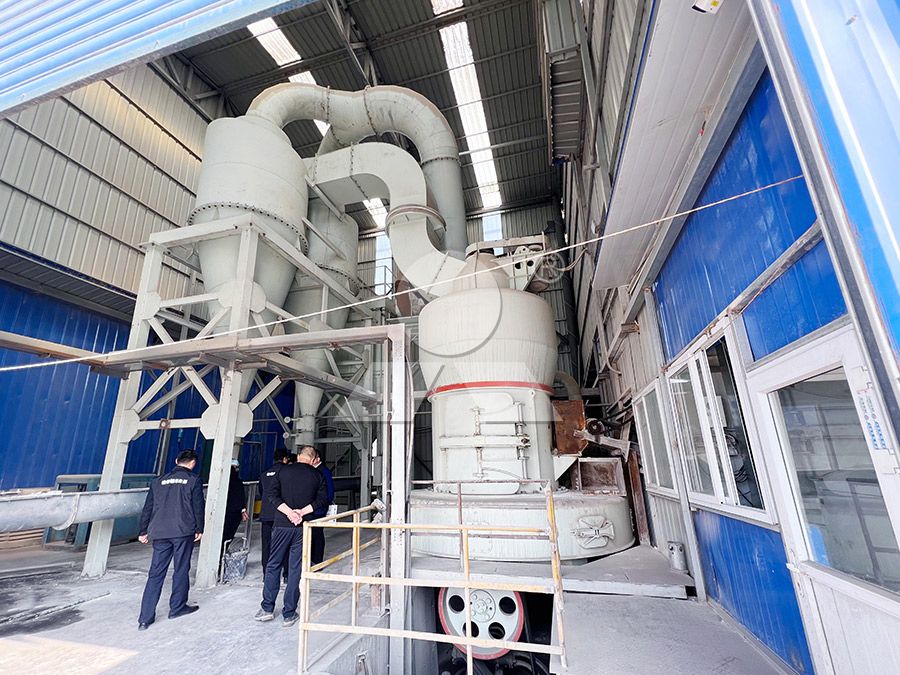
The Critical Role of Fineness and Purity
For soil conditioning, gypsum fineness typically targets a range between 100 and 325 mesh. Particles that are too coarse dissolve too slowly, delaying the soil benefits. Conversely, ultra-fine particles (below 10μm) can become dusty, difficult to handle, and prone to wind erosion upon application. A modern roller mill provides unparalleled control over this particle size distribution. Furthermore, a closed, negative-pressure grinding system is essential to maintain the chemical purity of the gypsum by preventing contamination from external sources and ensuring minimal product loss as dust.
Optimizing the Process with Advanced Roller Mill Technology
The selection of the right milling system is paramount. An ideal mill for agricultural gypsum production in Mexico must offer energy efficiency, low maintenance, precise fineness control, and robust environmental safeguards to meet both economic and regulatory demands.
For operations requiring high-precision, ultra-fine grinding with exceptional environmental performance, the MW Ultrafine Grinding Mill presents a compelling solution. Engineered for customers needing to produce ultra-fine powder, this machine is particularly adept at processing gypsum to exacting specifications. Its cage-type powder selector, incorporating German technology, allows for precise adjustment of fineness between 325 and 2500 meshes, making it simple to dial in the perfect particle size for soil amendment. A significant advantage for agricultural use is its commitment to cleanliness; the integrated efficient pulse dust collector and muffler ensure no dust pollution and reduced noise during operation, keeping the production site and surrounding environment clean—a critical consideration for any agribusiness.
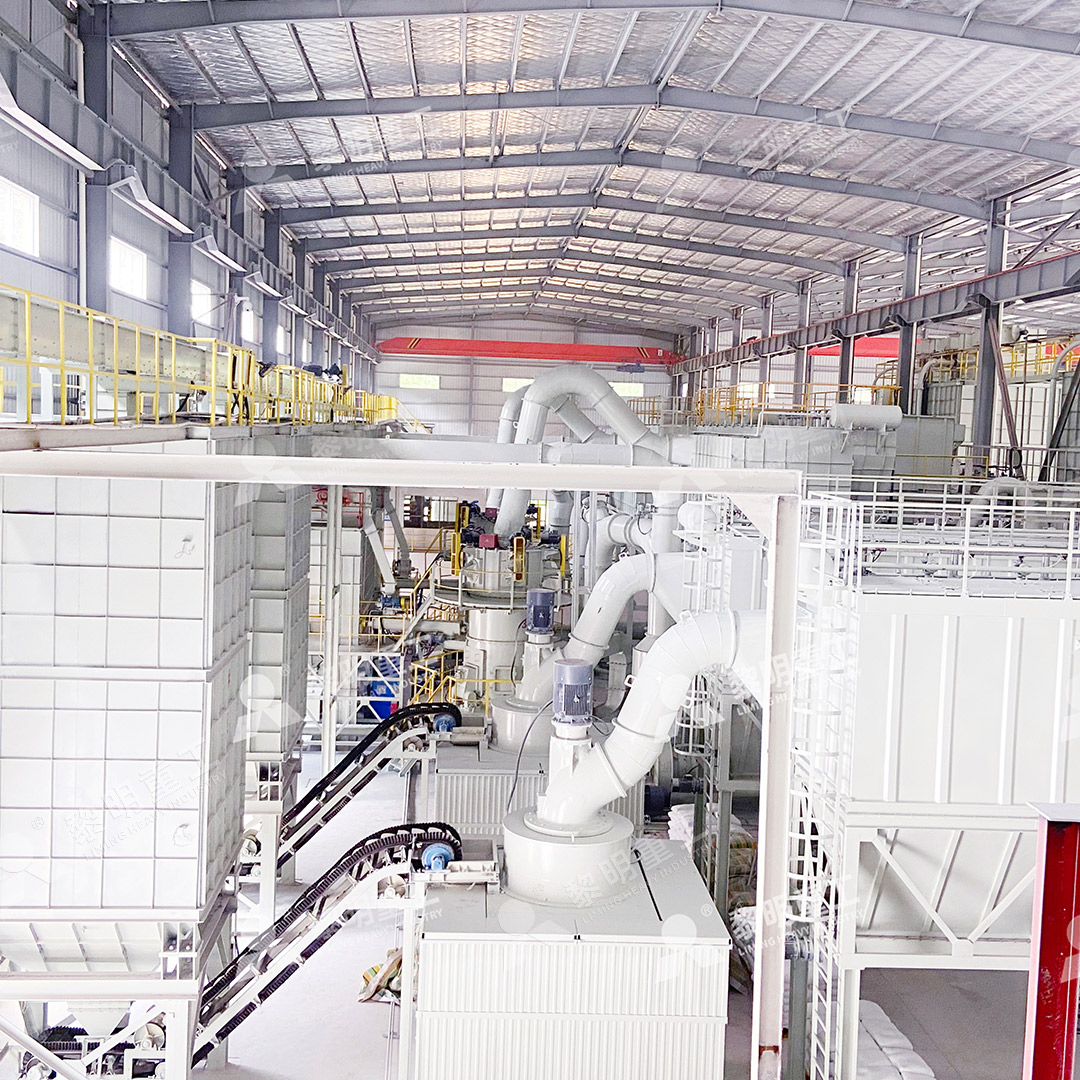
For larger-scale production or when processing gypsum alongside other materials, the LUM Ultrafine Vertical Grinding Mill stands out. It integrates grinding, grading, and transporting into a single, streamlined system. Its unique roller shell and lining plate grinding curve are designed to generate a stable material layer, promoting efficient grinding in a single pass. This results in higher yield rates and better product quality, with the whiteness and cleanliness of the finished gypsum being notably high—an important marketable trait. The mill’s reversible structure, facilitated by a hydraulic system, allows grinding rollers to be easily moved out for maintenance, minimizing costly downtime-a crucial factor for maintaining supply to Mexico’s seasonal agricultural cycles.
Key Considerations for the Mexican Market
Implementing an optimized gypsum processing line in Mexico involves several localized factors:
- Energy Costs: Roller mills like the MW and LUM series, which offer 30-50% lower energy consumption compared to traditional ball mills, directly translate to lower operating expenses.
- Dust Control: Strict environmental regulations and community relations make the built-in pulse dust collection systems of these advanced mills not just a feature, but a necessity.
- Reliability & Support: Remote locations demand equipment with proven reliability and accessible technical support. The design philosophy behind LIMING’s mills, such as the “no rolling bearing & screw in grinding chamber” of the MW mill, directly addresses reliability concerns by eliminating common failure points.
- Flexibility: The ability to adjust fineness quickly (as with the MW’s powder selector) allows a single processing plant to produce different gypsum grades for various crops and soil types across different Mexican states.
Conclusion: Building a Sustainable Advantage
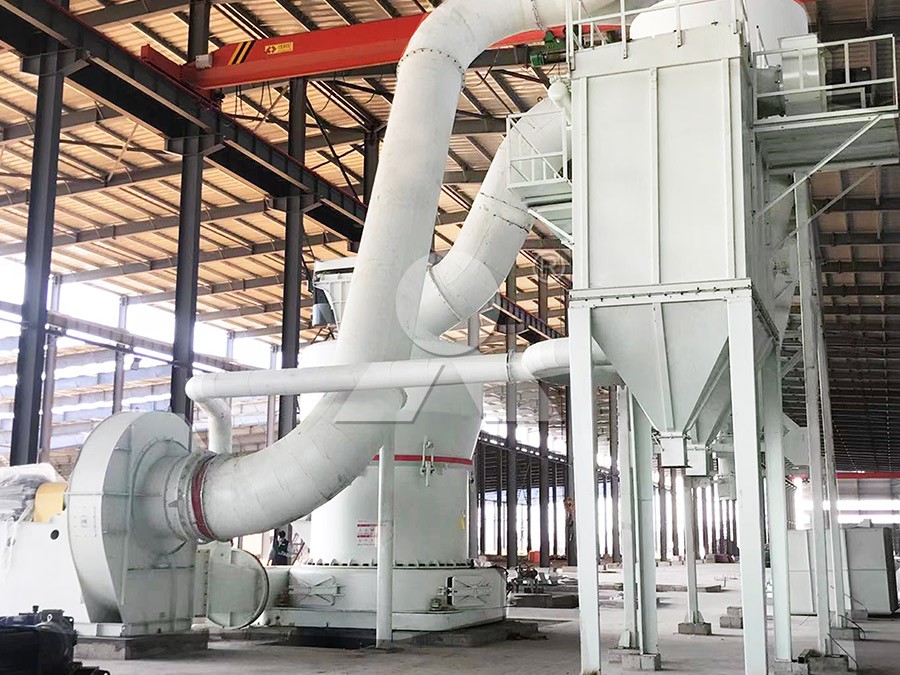
Optimizing gypsum processing with advanced roller mill technology is more than an equipment upgrade; it’s a strategic investment in product quality, operational efficiency, and environmental stewardship. For Mexican producers of soil conditioners, adopting systems like the MW Ultrafine Grinding Mill or the LUM Ultrafine Vertical Grinding Mill enables the production of a superior, consistent gypsum powder that delivers tangible results for farmers. This, in turn, builds brand reputation and creates a sustainable competitive advantage in a market that increasingly values both agricultural efficacy and responsible manufacturing. By focusing on precision grinding, energy savings, and clean production, the gypsum processing industry can play a pivotal role in enhancing Mexico’s agricultural productivity and soil health.
Frequently Asked Questions (FAQs)
- What is the ideal fineness of gypsum for agricultural soil conditioning?
The optimal range is generally between 100 and 325 mesh. Finer particles react faster in the soil, but excessively fine powder (below 10μm) can create dust issues. A mill with adjustable fineness control is key. - Why is a roller mill preferred over a traditional ball mill for gypsum processing?
Modern roller mills are significantly more energy-efficient (saving 30-50% on power), offer precise particle size control, have a smaller footprint, and generate less heat and noise, better preserving the gypsum’s crystalline structure. - How important is dust control in a gypsum processing plant?
Extremely important. Dust represents product loss, poses health and safety risks, and can lead to environmental non-compliance. Integrated pulse dust collectors, like those on the MW Ultrafine Mill, are essential for clean, efficient, and responsible operation. - Can the same mill process gypsum of different hardness levels?
Yes, advanced mills like the LUM series feature hydraulic systems that allow adjustment of grinding pressure to accommodate variations in material hardness, ensuring consistent output quality. - What are the main maintenance concerns with a gypsum roller mill?
Primary concerns are wear on grinding rollers and rings. Mills designed with wear-resistant alloys and easy-access features (like the LUM’s reversible roller structure) drastically reduce maintenance time and cost. - Is the production process automated?
High-end grinding mills often incorporate PLC control systems for automated operation, allowing remote monitoring and control of parameters like feed rate, grinding pressure, and fineness, leading to stable, high-quality output with less manual intervention. - What capacity range should I consider for a medium-sized soil conditioner production line in Mexico?
This depends on your market. Mills like the MW series (0.5-25 tph) and LUM series (5-18 tph) cover a wide range, suitable for regional suppliers. It’s crucial to analyze local demand and potential growth.