
How to optimize gypsum processing with grinding mill for soil conditioner in tanzania
Unlocking Agricultural Potential: The Role of Gypsum Soil Conditioners in Tanzania
Agriculture remains the backbone of Tanzania’s economy, employing a majority of its workforce. However, soil health challenges—such as compaction, salinity, and poor structure—persistently threaten crop yields and food security. Gypsum (calcium sulfate dihydrate) has emerged as a powerful, natural soil amendment. It improves soil porosity, reduces surface crusting, enhances water infiltration, and supplies essential calcium and sulfur without altering soil pH. For Tanzanian farmers, producing a consistent, high-quality gypsum powder is paramount to its effectiveness. This is where advanced grinding technology becomes the critical link between raw mineral deposits and agricultural prosperity.
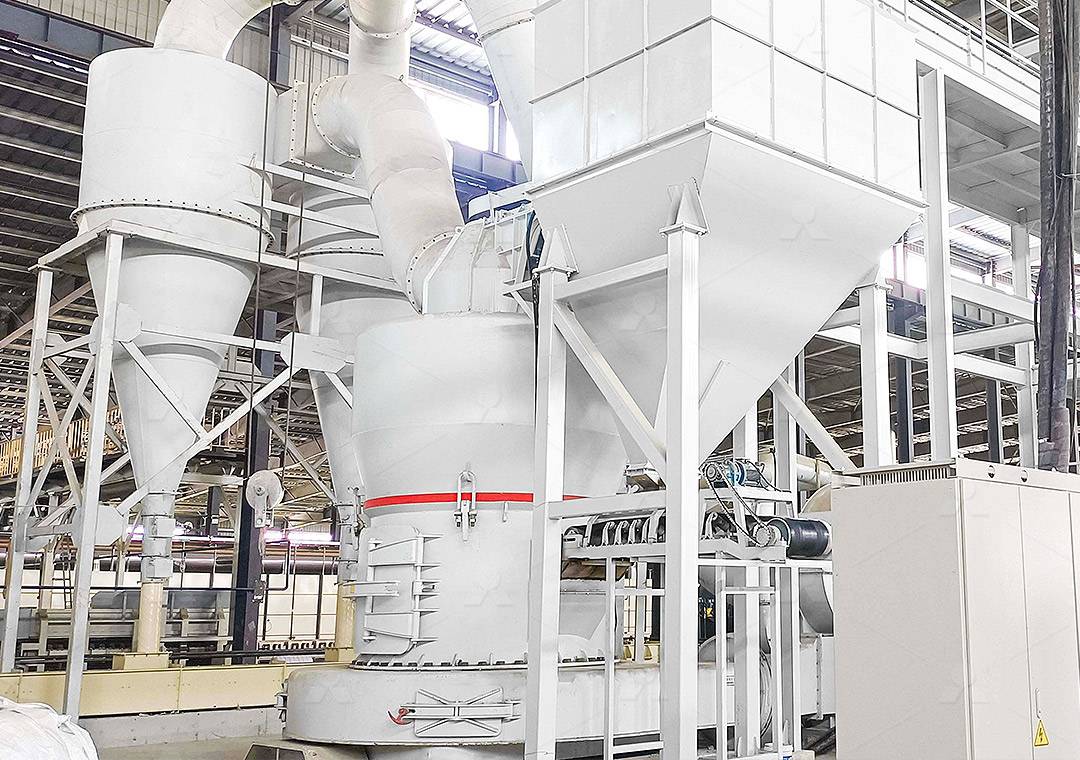
The Technical Hurdles in Gypsum Processing for Soil Conditioning
Processing gypsum for agricultural use isn’t merely about pulverization; it’s about achieving a specific physical product profile. The ideal soil conditioner requires a fine, uniform powder with controlled particle size distribution. Coarse particles break down too slowly, while excessively fine powder can become dusty and difficult to spread evenly. Traditional grinding methods, like basic hammer mills or outdated ball mills, often struggle with consistency, generate excessive heat (which can dehydrate the gypsum), and have high energy demands and dust emissions. For a sustainable operation in Tanzania, the grinding solution must be efficient, reliable, and capable of producing a tailored product from variable local gypsum ore.
Beyond Basic Grinding: Key Factors for an Optimal Mill
Selecting the right mill involves a careful analysis of several interconnected factors:
- Precision Particle Size Control: The ability to reliably produce powder in the 100-400 mesh range is crucial for optimal soil integration and reaction speed.
- Energy Efficiency: Operational costs are a major concern. Modern mills should deliver higher yield per kilowatt-hour compared to decades-old technology.
- System Integration & Environmental Compliance: A complete system with integrated drying (if processing natural gypsum with moisture), grinding, classifying, and dust collection is essential for a clean, productive plant.
- Durability & Ease of Maintenance: Robust construction and accessible design minimize downtime, a critical factor for continuous production schedules.
- Adaptability: Ore characteristics can vary. A good mill should handle slight variations in feed size and hardness without significant performance loss.
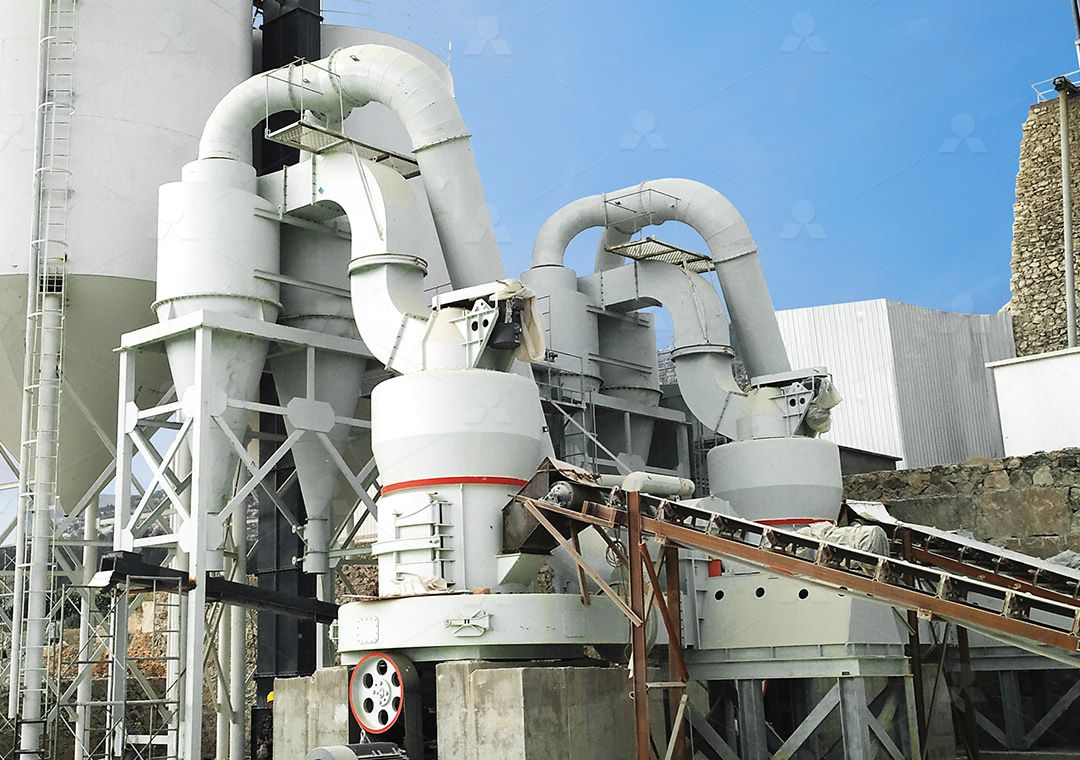
Engineered Solutions for Tanzanian Agribusiness
For processors aiming to establish or upgrade a gypsum soil conditioner plant in Tanzania, moving beyond conventional milling is the path to competitiveness. Our engineering focus has led to the development of mills that directly address the aforementioned challenges. For high-precision, high-efficiency gypsum powder production, we particularly recommend evaluating our MW Ultrafine Grinding Mill.
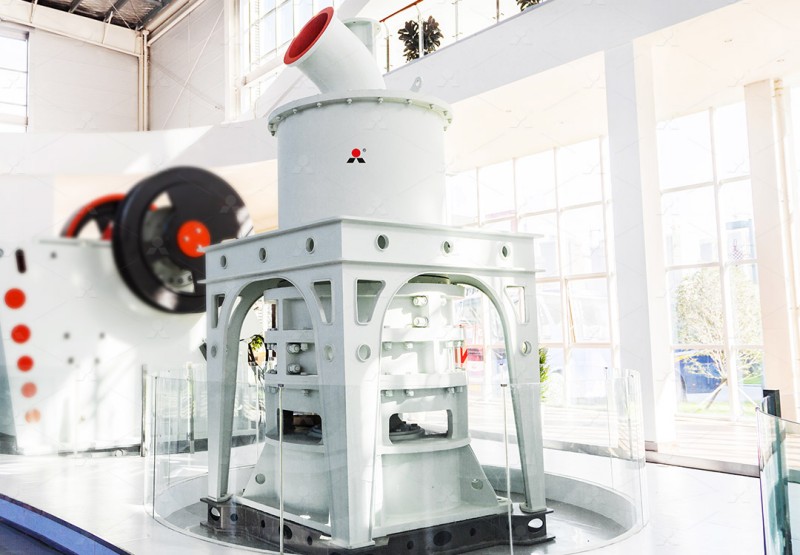
The MW Ultrafine Grinding Mill is engineered for customers requiring precisely controlled fine powders. Its design is particularly suited for gypsum, offering significant advantages for soil conditioner production. With an input size of 0-20 mm and a capacity range of 0.5-25 tph, it handles typical gypsum feed stock efficiently. A core benefit is its adjustable fineness between 325-2500 meshes, granted by a German-technology-inspired cage-type powder selector. This allows operators to dial in the exact particle size distribution needed for optimal soil conditioning. Furthermore, its design philosophy emphasizes reliability and sustainability: the grinding chamber contains no rolling bearings or screws to loosen, eliminating common failure points. The system is equipped with an efficient pulse dust collector and muffler, ensuring the production process meets environmental standards with minimal dust and noise pollution—a key consideration for community-friendly operations.
For operations also considering other mineral processing or requiring a different throughput profile, our LUM Ultrafine Vertical Grinding Mill presents another compelling option. Integrating grinding, classifying, and conveying, the LUM mill features advanced roller technology and energy-saving multi-head powder separating technology, reducing energy consumption by 30%-50% compared to common mills. Its reversible structure allows grinding rollers to be easily moved out for maintenance, drastically reducing service time and shutdown losses.
Building a Sustainable Value Chain
Implementing the right grinding technology is the first step in building a robust gypsum soil conditioner value chain in Tanzania. Partnering with a supplier that offers comprehensive support—from plant layout and commissioning to the guaranteed supply of original spare parts—is equally vital. It ensures long-term operational stability and protects your investment. By optimizing the processing stage with advanced, efficient mills, producers can supply Tanzanian farmers with a consistent, high-quality product that genuinely revitalizes soil, leading to improved crop resilience, higher yields, and strengthened agricultural sustainability for the nation.

Frequently Asked Questions (FAQs)
- What is the ideal fineness (mesh size) for gypsum used as a soil conditioner?
For most agricultural applications, a grind between 100 and 400 mesh is ideal. This ensures rapid solubility and soil integration while minimizing dust. Our MW Mill’s adjustable selector allows precise targeting within this range. - Can your mills handle gypsum ore with inherent moisture?
Yes. While both the MW and LUM mills are primarily for dry grinding, they can be integrated into a system with a pre-drying stage if the raw gypsum feedstock has high moisture content. System design would account for this. - How significant are the energy savings with your modern mills compared to an old ball mill?
Savings are substantial. For example, the MW Ultrafine Grinding Mill can have a system energy consumption only 30% of a jet mill, while the LUM mill reduces consumption by 30%-50% versus common grinding mills. This directly lowers production costs. - What kind of after-sales support is available for installations in Tanzania?
We provide full technical support including installation guidance, commissioning, and operator training. Crucially, we ensure a sufficient supply of original spare parts for worry-free, long-term operation. - Is the dust collection system included, and is it effective?
Yes, models like the MW Mill come equipped with an efficient pulse dust collector as part of the system. It’s designed to contain dust effectively, making the operation clean and compliant with environmental expectations. - What is the maintenance interval for the grinding rollers and rings?
Maintenance intervals depend on material abrasiveness and operating hours. However, our mills use wear-resistant alloys and designs (like the reversible structure in the LUM mill) to extend service life and make maintenance faster and safer. - Can one mill be used to process materials other than gypsum?
Absolutely. Our grinding mills are versatile. The MW Mill, for instance, is also suitable for limestone, calcite, dolomite, talc, and other non-metallic minerals, allowing for potential product line diversification.